



You remember the tale of the Trojan Horse: something that looks like one thing but delivers another entirely. Laminate flooring operates on that same principle, packing the visual punch of hardwood at roughly half the cost per square foot (typically $1 to $5 installed, versus $6 to $12 for solid oak).
You’ll snap planks together over a weekend, no nails or glue required, though the wear layer, measured in mils, from 6 to 12, determines whether your floor survives ten years or twenty-five. Water resistance has improved, with some brands now offering 24-hour spill protection, but full waterproofing remains elusive.
The real question isn’t whether laminate works; it’s whether you’re installing it where it actually belongs.
How Laminate Flooring Actually Works
Because laminate flooring looks simple on the surface, you might assume it’s basic stuff underneath. You’re wrong. Laminate’s actually a four-layer sandwich, pressed together under extreme heat and pressure.
Looks simple on top, but laminate’s hiding a four-layer secret beneath your feet.
Here’s what you’re walking on:
- Wear layer, the transparent top shield, protecting against scratches, stains, and UV fading
- Design layer, a high-resolution image mimicking wood or stone
- High-density fiberboard (HDF) core, the structural backbone providing strength and moderate moisture resistance
- Back layer, a stabilizing foundation
You’ll install these planks using click-lock floating installation. The edges snap together, creating a unified surface that “floats” above your subfloor. No nails, no staples, no glue required.
You can handle most rooms yourself in a weekend, provided your subfloor’s reasonably flat and clean.
Recommended Products
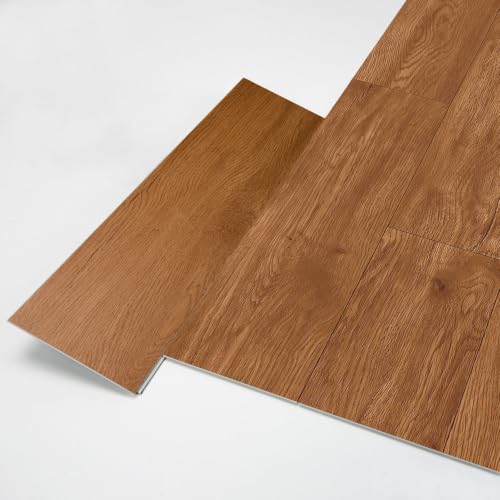
【Scratch-resistant for living rooms】Wood textured vinyl tiles stand up to pets, kids, and rolling chairs without showing wear.

【Scratch-resistant for living rooms】Wood textured vinyl tiles stand up to pets, kids, and rolling chairs without showing wear.
How Long Laminate Flooring Really Lasts
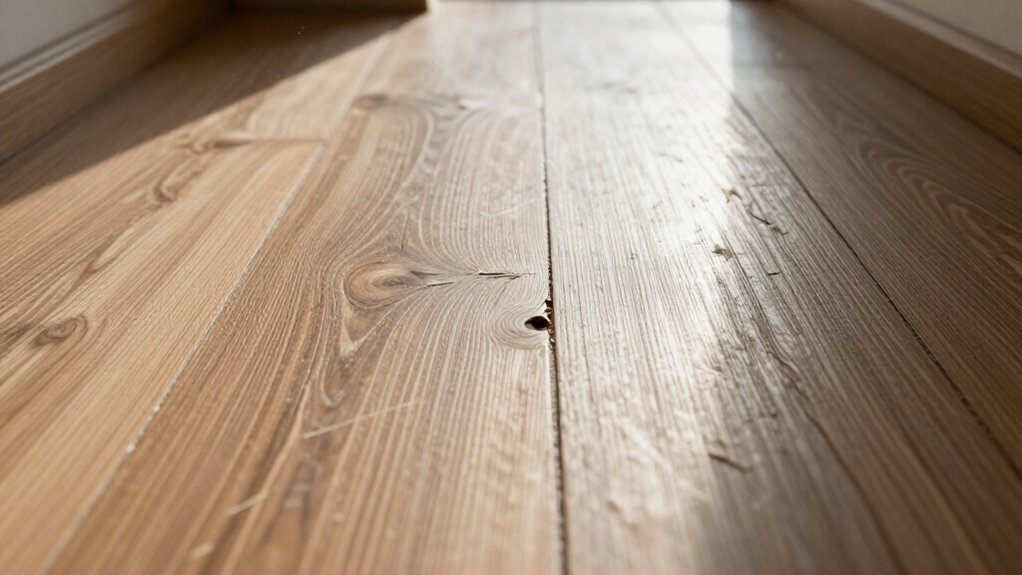
You can expect your laminate flooring to last 10 to 25 years, though premium options with thicker wear layers (the protective top coating measured in mils) may stretch toward 30 years if you choose wisely.
Pay close attention to AC ratings, those durability codes from AC3 to AC5, because they directly predict how well your floors will handle heavy foot traffic in busy hallways or kitchens.
Remember that laminate cannot be refinished like hardwood, so once the wear layer fails you’ll need to replace individual planks. This makes your upfront choice, installation quality, and routine maintenance critical investments in your floor’s actual lifespan. Sweep regularly, wipe spills promptly, and control indoor humidity to get the most from your flooring.
Recommended Products

Premium Design-Led Aesthetic: Authentic wood visuals in extra-wide 9” x 72” planks deliver a high-end, modern finish that elevates any space. Enhanced-Beveled edges highlight each plank for a premium look.

For use as a vapor barrier when installing Vinyl, laminate, SPC and engineered wood flooring

Premium Design-Led Aesthetic: Authentic wood visuals in extra-wide 9” x 72” planks deliver a high-end, modern finish that elevates any space. Micro beveled edges offer a clean, seamless look.
Laminate Lifespan Factors
How long can you realistically expect laminate floors to hold up? Typically, you’ll get 10 to 25 years from laminate, with premium options pushing toward 30 years when conditions align. Your floor’s durability hinges on several interconnected factors you control.
Choose thicker wear layers for busier spaces, since they’ll resist scratches and dents longer than thin alternatives. Match your AC rating to your traffic level; AC1 suits bedrooms, while AC3-AC5 handles hallways and commercial zones. Commit to regular maintenance: wipe spills immediately, control moisture from below, and sweep debris before it grinds into the surface.
You can’t refinish laminate, so worn boards need replacement. In quiet, dry rooms with diligent care, you’ll likely hit that 25-year mark or beyond.
AC Rating Importance
Understanding your floor’s AC rating directly shapes how many years you’ll get from your investment. AC ratings run from AC1 to AC5, and you need to match the number to your traffic level. AC1–AC2 handle light residential use, AC3 covers most homes, AC4 suits busy households, and AC5 withstands commercial abuse. Skip the guesswork: buy AC3 or higher for living rooms, hallways, and kitchens.
Higher AC ratings mean thicker wear layers, which directly boost durability. You will see 10–25 year lifespans, with premium products hitting the upper range. Thin wear layers in high-traffic zones fail around year 10.
Moisture resistance matters too. Standard laminate swells when wet, but modern options carry water-resistant warranties. Check this spec closely if you cook often, have pets, or live in humid climates.
Replacement vs. Refinishing
Unlike hardwood, which you can sand and stain multiple times, laminate flooring hits a hard limit when its wear layer thins out. You cannot refinish laminate, period. Once damage appears, replacement becomes your only option.
Consider these realities:
- You will replace individual planks or entire sections when scratches penetrate the wear layer, which happens faster in high-traffic zones (roughly 10 years versus 25 in quiet rooms)
- You must check AC ratings before buying; AC4 or AC5 handles heavy foot traffic and extends your timeline before replacement
- You should clean spills immediately and control humidity. These habits protect the wear layer but never enable refinishing
Your laminate lasts 10 to 25 years depending on quality and care. Plan for replacement, not restoration.
What Laminate Flooring Does Best
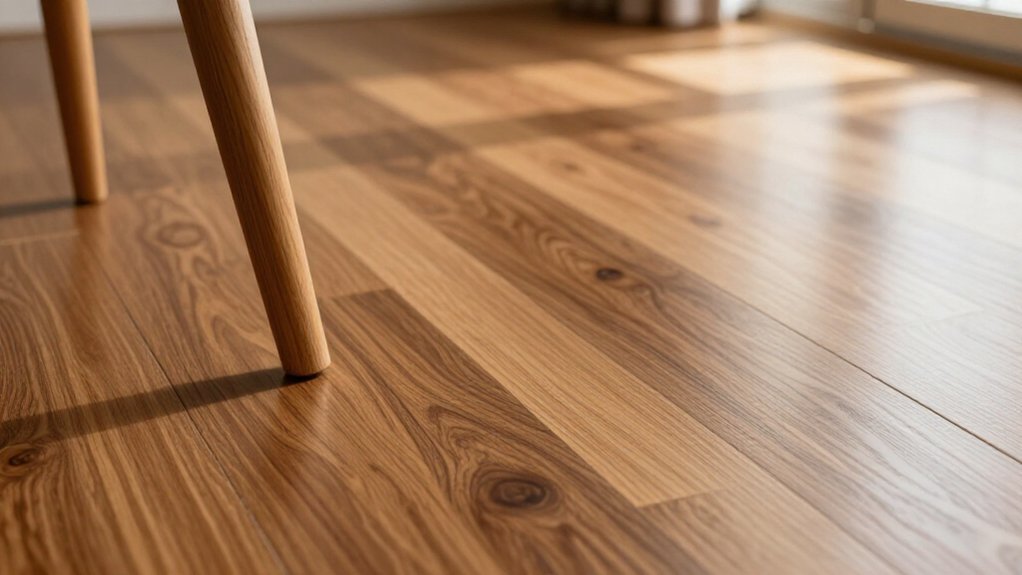
You get the look of real wood or stone without the steep price, since laminate convincingly mimics natural materials across hundreds of styles. Its tough, multi-layer build shrugs off heavy traffic, scratches, and daily wear, making it a practical pick for busy households. You’ll also snap it together in hours, not days, thanks to the click-lock floating floor system that most DIYers handle with basic tools.
Recommended Products
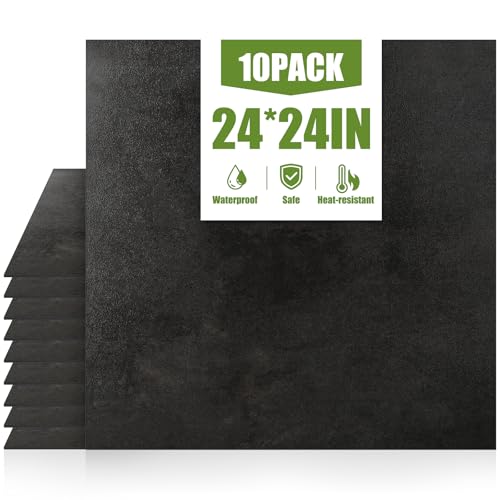
【Size& Package】Each self-adhesive floor tile measures 23.62 x 23.62 inches and is 0.05 inches thick. A set of 10 tiles covers an area of 38.8 square feet.

Realistic Wood Look: Get the authentic look of real wood with grain texture. These floor planks blend seamlessly into any decor style, adding a touch of timeless elegance to your home.

Realistic Visual Effects: SULSUMIC flooring faithfully replicates authentic wood grain and natural hues, offering a look and feel that rivals solid wood. It instantly elevates your home’s aesthetics, creating a warm and comfortable living space
Mimics Natural Materials
How closely can budget flooring match the real thing? You’ll find laminate flooring comes surprisingly close, using a high-resolution decorative layer with textured embossing that captures the grain of wood or the feel of stone. The high-density fiberboard core gives you strength and stability, supporting a clear wear layer that resists scratches while letting the realistic pattern shine through.
Modern manufacturing presses design, core, back, and wear layers together under heat and pressure. This creates a plank that looks like genuine hardwood or tile, but costs far less. The wear layer also blocks UV fading, so your floors keep their convincing appearance longer.
Your design options are extensive:
- Hundreds of wood species, stone types, and colors replicate natural materials accurately
- Textured surfaces match the tactile feel of real grain or tile edges
- Plank widths and lengths copy authentic hardwood dimensions
You get the look you want without the premium price.
Withstands Heavy Traffic
While laminate resists everyday spills and impacts, you should wipe up liquids promptly on standard varieties to prevent warping. For saturated areas, specify waterproof laminate with enhanced core technology.
Installs With Ease
Where does laminate flooring truly shine? You’ll find the answer in how quickly you change your space.
Laminate flooring rewards your effort with straightforward installation. You lock planks together using click-lock installation, no nails or glue required. This creates a floating floor that rests above your subfloor, not attached to it. You complete most rooms in a single weekend.
Prepare your subfloor: clean, dry, and level it completely before starting. Roll out underlayment for cushioning and sound dampening. Click planks together, working row by row toward your exit.
The system minimizes disruption to daily life. You walk on your new surface immediately after completion. Store extra matching pieces for repairs, damaged sections replace individually rather than refinishing. Your kitchen or living area changes without professional help.
Laminate Flooring’s Real Limitations
Why should you care about laminate’s limits before buying? You need to know what you’re committing to, plain and simple.
Water Resistance, Refinishing Limitation, Moisture Damage****
You’ll face three core weaknesses with laminate flooring. First, water resistance remains limited in traditional products, though waterproof collections now exist for kitchens. Second, refinishing limitation hits hard: once you wear through that top layer, you can’t sand or restain. You’re replacing planks, period.
Third, moisture damage strikes fast. Prolonged exposure warps boards, stains the core, and forces section replacement rather than simple fixes. Even premium wear layers won’t save you from water-related failures that vinyl handles better. Snap-together designs trap moisture underneath, accelerating problems you won’t see until it’s too late.
Recommended Products
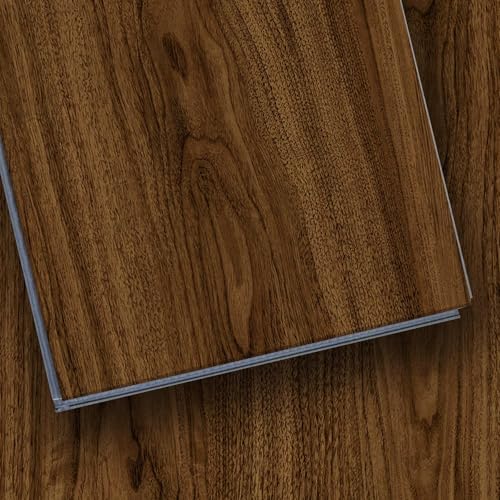
【Ultra-Durable & Pet-Friendly】With a 0.3mm wear layer tested over 15,000 abrasion cycles, this luxury vinyl plank flooring resists scratches, dents, and spills. Ideal for busy homes with pets and kids, it stays beautiful for years even in high-traffic areas.

63pc Laminate Wood Flooring InsDouble-Faced Mallet: It is cast iron body with bright chrome plating. Double-sided solid PVC head delivers soft yet powerful impact. The heads are detachable for easy replacement. The soft, non-slip TPR handle offers comfort, and its ergonomic design reduces fatigue during work

【Non-PVC】:Unlike SPC flooring, dotfloor's innovative hybrid wood flooring uses a novel composite wood base that is free of PVC and harmful gases. It's safe for children and pets to play on, making it suitable for children's rooms, bedrooms, bathrooms, and more.
Best and Worst Rooms for Laminate Flooring
Knowing laminate’s weak spots, you’re ready to match it to the right spaces. Room suitability depends on traffic levels, moisture exposure, and your tolerance for maintenance.
Living rooms and hallways: You’ll get solid laminate durability here, with affordable wood-like looks and good wear resistance. Add sound-damping underlayment, or you’ll hear every footstep.
Kitchens and bedrooms: You’re fine in kitchens with waterproof collections, but wipe spills fast, traditional laminate warps easily. Bedrooms work well with quieter underlayment and comfortable aesthetics.
Basements and bathrooms: You’ll want to skip standard laminate in basements, concrete holds moisture that damages floors. Bathrooms need waterproof, water-resistant laminate specified for high moisture, or better yet, vinyl.
Recommended Products
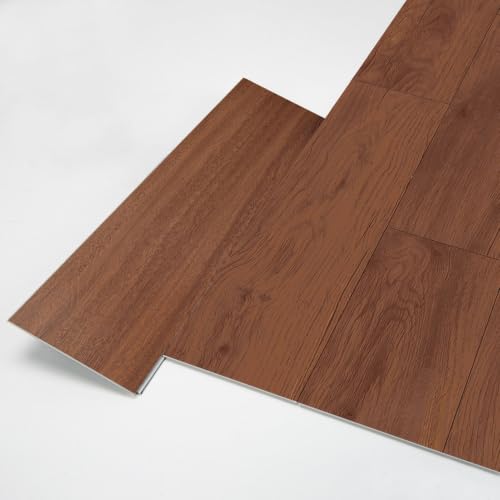
【Scratch-resistant for living rooms】Wood textured vinyl tiles stand up to pets, kids, and rolling chairs without showing wear.

【Scratch-resistant for living rooms】Wood textured vinyl tiles stand up to pets, kids, and rolling chairs without showing wear.

【Ultra-Durable & Pet-Friendly】With a 0.3mm wear layer tested over 15,000 abrasion cycles, this luxury vinyl plank flooring resists scratches, dents, and spills. Ideal for busy homes with pets and kids, it stays beautiful for years even in high-traffic areas.
Who Laminate Flooring Is Actually For
If you’re watching your budget but still want floors that look expensive, laminate delivers that balance without apology. You’ll appreciate laminate flooring most if you value DIY installation, as this floating floor system snaps together without glue, nails, or professional help. Most rooms take a weekend to complete.
You’ll also benefit if you need quick turnover, rental updates, or temporary solutions before selling. Grab extra boxes now; you’ll need matching pieces later since you can’t refinish scratches.
Check moisture resistance ratings carefully. Water-resistant collections handle kitchen spills, but you’ll still mop quickly and avoid standing water. Skip laminate entirely for bathrooms or laundry rooms where pipes leak routinely.
Your match: budget-conscious renovators seeking wood aesthetics, comfortable with replacement timelines, willing to monitor water exposure.
Recommended Products


40 Mil Wear Layer - Twice the commercial standard thickness

Premium Design-Led Aesthetic: Authentic wood visuals in 3.35” x 72” planks deliver a modern take on a classic finish that elevates any space. Micro beveled edges offer a clean, seamless look.