
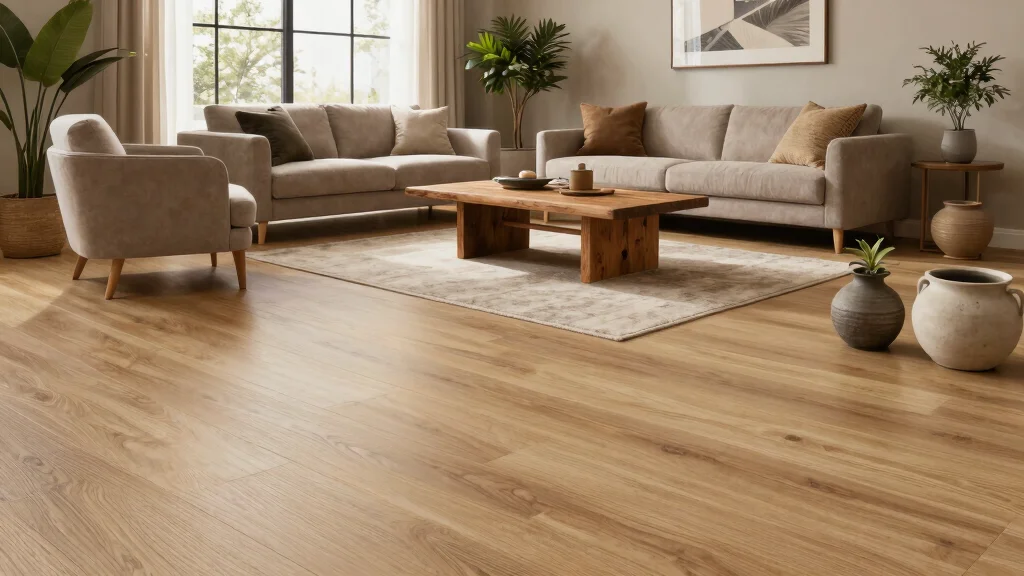


Sustainable flooring is more than just a trend; it’s a lifestyle choice that reflects our growing concern for the environment. As we become increasingly aware of our impact on the planet, many of us are craving solutions that allow us to beautify our homes without compromising our values. That’s why I created this post—to help you navigate the world of sustainable flooring materials and discover options that are both eco-friendly and long-lasting.
If you’re someone who loves stylish home decor while also caring about sustainability, you’ve landed in the right place. Whether you’re renovating your entire home or just updating a room, this guide is packed with valuable insights on durable flooring options. You’ll find practical information on 12 materials that not only enhance the beauty of your space but also contribute to a sustainable home design.
By diving into this comprehensive guide, you’ll discover the unique benefits of each flooring type and how they can fit into your lifestyle. From the charm of reclaimed wood to the modern appeal of luxury vinyl plank flooring (LVP), there’s something here for everyone. Plus, you’ll gain insight into how choosing the right flooring can make a meaningful impact on your home and the environment.
Key Takeaways
– Discover 12 sustainable flooring materials that are not only eco-friendly but also durable and stylish for modern homes.
– Learn how bamboo and cork flooring are renewable options that bring natural beauty into your space while being good for the planet.
– Explore the advantages of luxury vinyl plank flooring (LVP), a popular choice that combines aesthetics, resilience, and sustainability.
– Understand the importance of using green building materials in your home renovation projects and how they contribute to a healthier environment.
– Get tips on how to choose the right flooring for your space, ensuring that it meets both your design preferences and sustainability goals.
Recommended Products
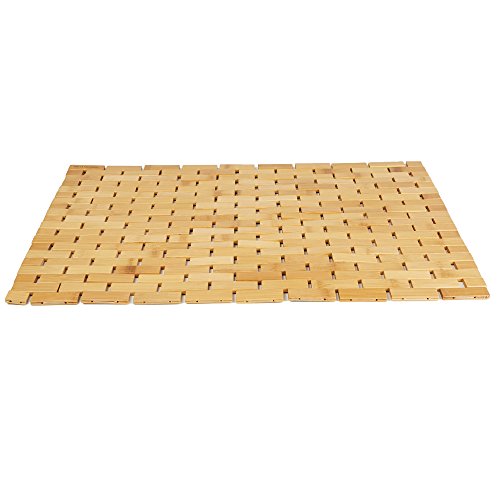
Ultimate bath mat: Enhance your bathroom with this versatile mat that can be used inside or outside the shower or bathtub, adding a spa-like touch Stays in place: Say goodbye...
1. Bamboo Flooring
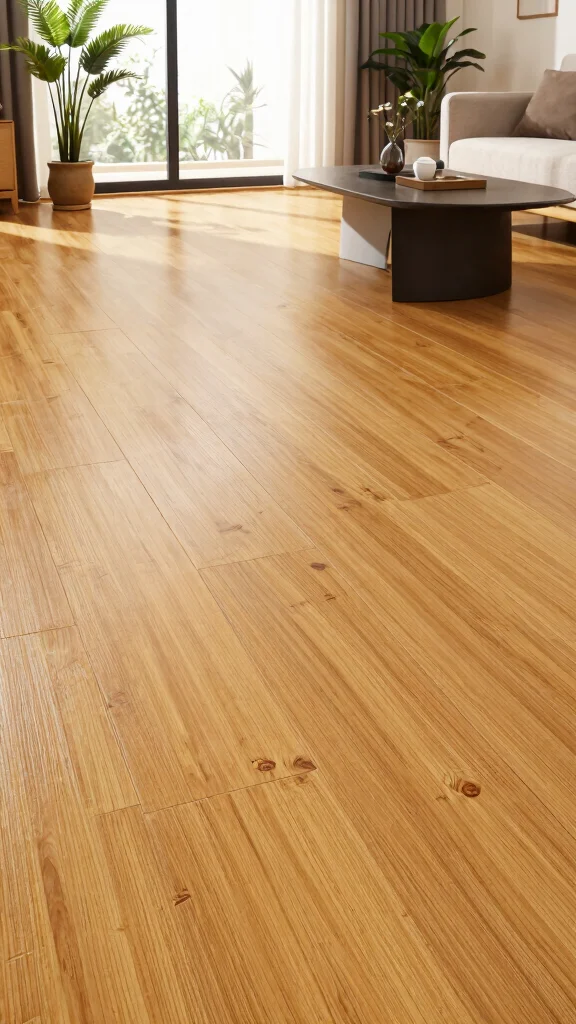
Bamboo flooring shines as a sustainable choice in home design. Its rapid growth allows for harvesting in just 3-5 years, making it an eco-friendly option that doesn’t compromise on style. The natural hues of bamboo, ranging from soft beige to rich brown, blend seamlessly with various decor themes, enhancing the overall aesthetic of your space.
Its impressive durability, surpassing that of traditional hardwood, makes it a practical choice for high-traffic areas. Bamboo’s moisture resistance also means it can thrive in kitchens and bathrooms without worry. This combination of beauty and function creates a warm and inviting atmosphere in your home.
Consider these tips to make the most of bamboo flooring:
– Pair light bamboo with dark furniture for a stunning contrast
– Install wide planks to emphasize spaciousness in small rooms
– Use eco-friendly finishes to maintain its natural integrity
By incorporating bamboo, you not only enhance your home’s style but also embrace sustainable living. The unique textures and natural tones add depth, making any room feel more grounded and warm.
Recommended Products

💰UNMATCHED CUSTOMER SUPPORT -- We Follow Up With Every Order to be Certain That You Are Loving "Corksidol" Product. We Want Our Customers Completely Happy. We Offer a 100% If you don't love the cork board, just let us know and we'll either refund or replace your purchase. Click "Add to Cart" Above and Start

PREMIUM NATURAL CORK MATERIAL: The cork sheets for crafts are made of natural cork, which is flexible and not easy to break. Odorless and eco-friendly, ideal for daily home, school and office use.
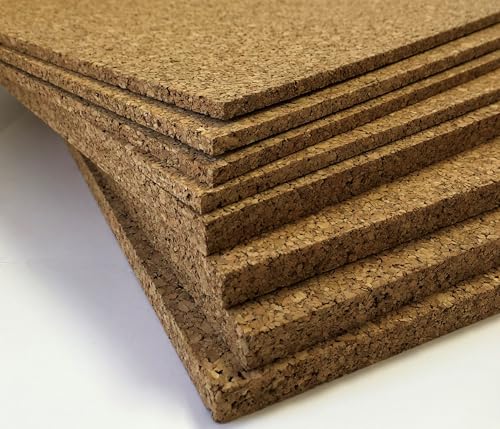
6SQFT PER PIECE/ SOLD BY PIECES MADE IN PORTUGAL
2. Cork Flooring
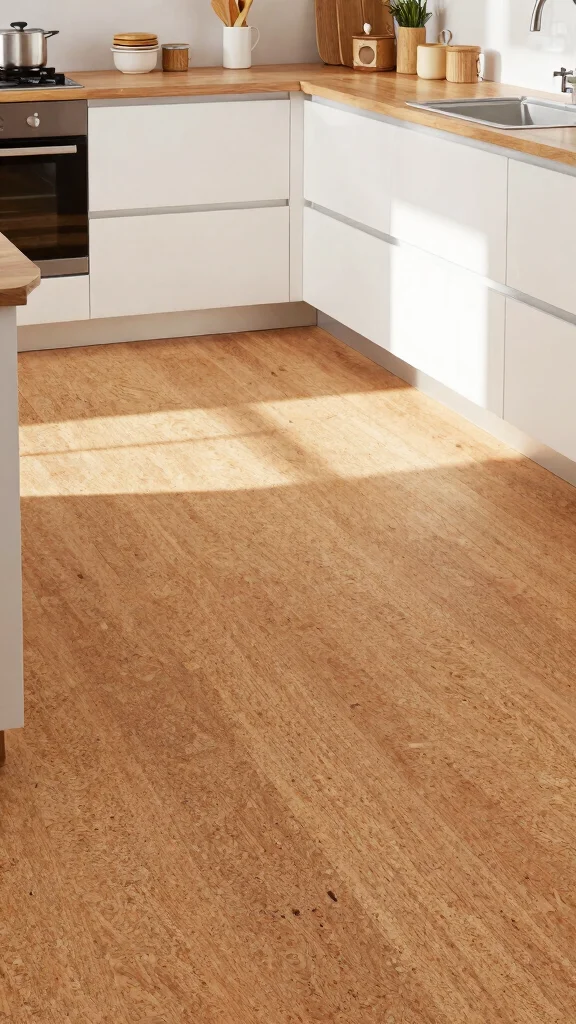
Cork flooring is a wonderful eco-friendly option that brings both comfort and sustainability to your home. Sourced from the bark of cork oak trees, it regenerates naturally, making it a renewable resource. Its soft surface is perfect for areas where you spend a lot of time, such as kitchens and playrooms, offering a cozy feel underfoot.
This flooring stands out for its natural insulation, keeping your home warm while dampening sound. Plus, its hypoallergenic properties make it a great choice for those sensitive to allergens. Cork comes in various colors and patterns, allowing you to find the perfect fit for your style.
Here are some ideas to enhance your space with cork:
– Install large tiles in open areas for a seamless look
– Use light-colored cork in smaller rooms to brighten the space
– Pair with natural wood accents for warmth and texture
Cork flooring not only adds beauty to your home but also contributes to a healthier living environment. Its unique texture and natural hues create a welcoming ambiance that is hard to resist.
“Cork flooring proves sustainable flooring materials can feel luxurious underfoot. It’s soft, quiet, and renews from bark without harming the tree — a truly practical upgrade for kitchens and playrooms.”
Recommended Products

🛠️SUPERIOR DESIGN: EcoDecors shower benches' design features a comfortable seat and a storage shelf. Non-slip rubber foot pads at the bottom of the teak wood stool protect your floor from scratches. The handles on the sides of the seat provide safe ergonomic support for transitioning from sitting to standing. Our teak bench can hold 250 pounds.
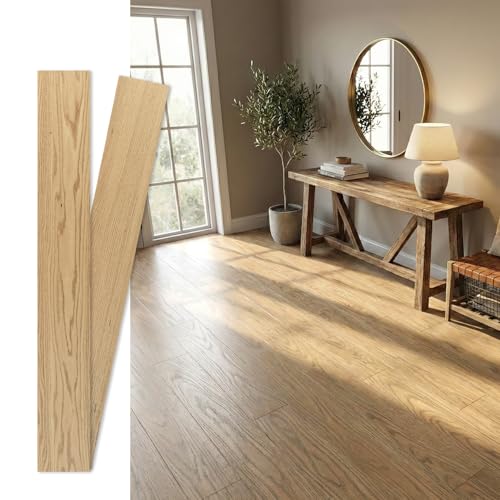
Tongue and Groove Design: Jeedeson engineered hardwood flooring features a classic tongue and groove construction.

Genuine solid Teak wood (Tectona Grandis) in oil finish
3. Reclaimed Wood Flooring
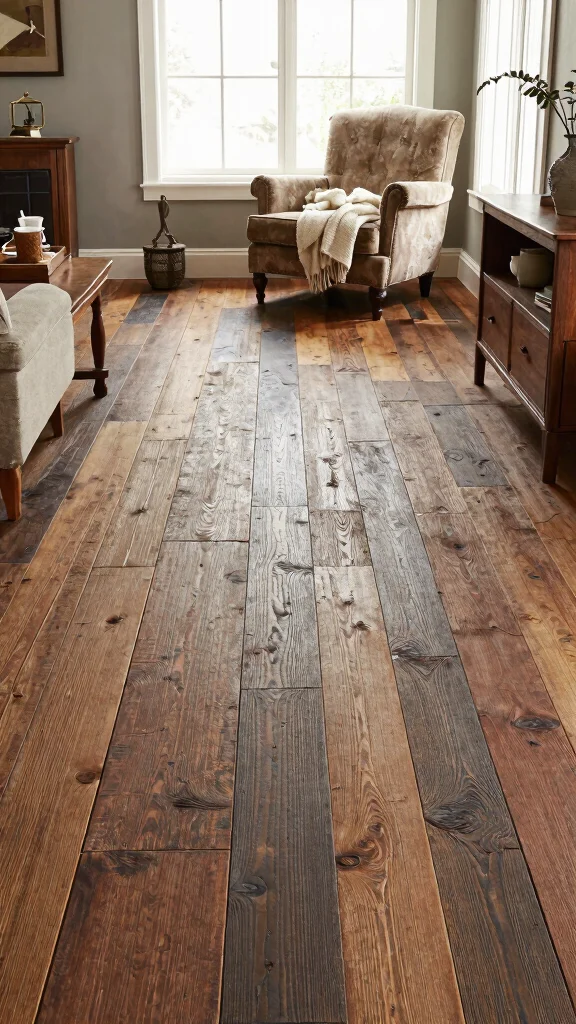
Reclaimed wood flooring offers a beautiful way to incorporate history and character into your home while being eco-conscious. Sourced from old structures, each plank tells a story, providing a unique charm that new wood simply cannot match. The rich textures and varied tones create a warm and inviting atmosphere in any space.
This flooring not only brings aesthetic appeal but also reduces waste, making it a sustainable choice. Plus, aged wood tends to be more durable, having withstood the test of time, which adds to its value. It’s perfect for adding a rustic touch to modern homes or enhancing traditional designs.
To successfully integrate reclaimed wood:
– Pair with neutral decor to let the wood shine
– Install wide planks to create a modern feel
– Use natural finishes to highlight its character
Choosing reclaimed wood helps preserve the environment while enhancing your home’s beauty. The warmth and depth of its textures create a rich backdrop for any design, ensuring your space feels both lived-in and stylish.
Fun fact: Reclaimed wood flooring can cut construction waste by up to 60%. Each plank carries a story, adds warmth, and tends to outlast new wood—supporting sustainable flooring materials by reducing demand for virgin resources.
Recommended Products

100% Waterproof Rigid Core Vinyl: Engineered ISOCORE construction ensures full water resistance for kitchens, bathrooms, basements, and laundry areas, with no acclimation required before installation

Premium Design-Led Aesthetic: Authentic wood visuals in extra-wide 9” planks and 72” lengths deliver a high-end, modern finish that elevates any space. Enhanced-Beveled edges for a clean, seamless look.

100 sq. ft. Coverage – Ideal for single-room installations and small renovation projects.
4. Luxury Vinyl Plank (LVP) Flooring
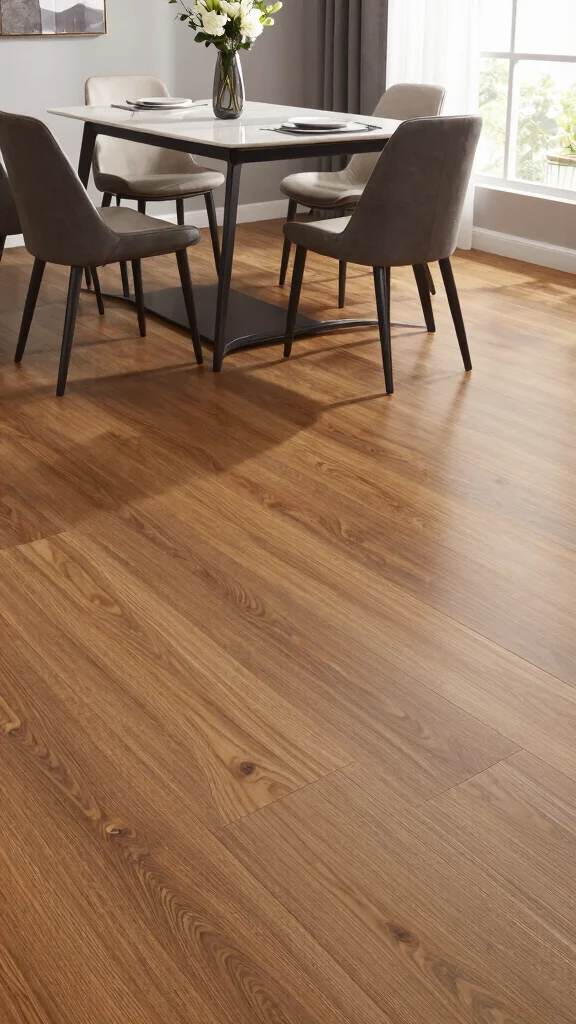
Luxury vinyl plank flooring combines elegance with practicality, making it an increasingly popular choice for homeowners. With its ability to mimic the look of natural materials like wood and stone, LVP provides a sophisticated appearance without the hefty price tag. Its durability means it can handle heavy foot traffic, making it a smart investment for busy households.
LVP is especially favored for its water resistance, making it suitable for kitchens and bathrooms. Many options also feature eco-friendly manufacturing processes, allowing you to choose a sustainable floor without sacrificing style. Its versatility means it can complement various design themes, from modern to traditional.
To maximize the benefits of LVP:
– Pair with matching baseboards for a seamless look
– Use large format tiles for a spacious feel
– Incorporate area rugs to add warmth and color
With luxury vinyl plank flooring, you achieve a stunning aesthetic while enjoying the benefits of durability and easy maintenance. Its beautiful finishes and practical features enhance your home, making every room feel inviting.
Recommended Products


✔【PREMIUM QUALITY】 Our Peel and Stick Floor Tiles are crafted with high-quality vinyl, ensuring durability and longevity. Each pack contains 20 tiles, each measuring 7.87 x 7.87 inches and providing a coverage of 8.6 sq.ft - The ideal choice for revitalizing your space.
5. Linoleum Flooring
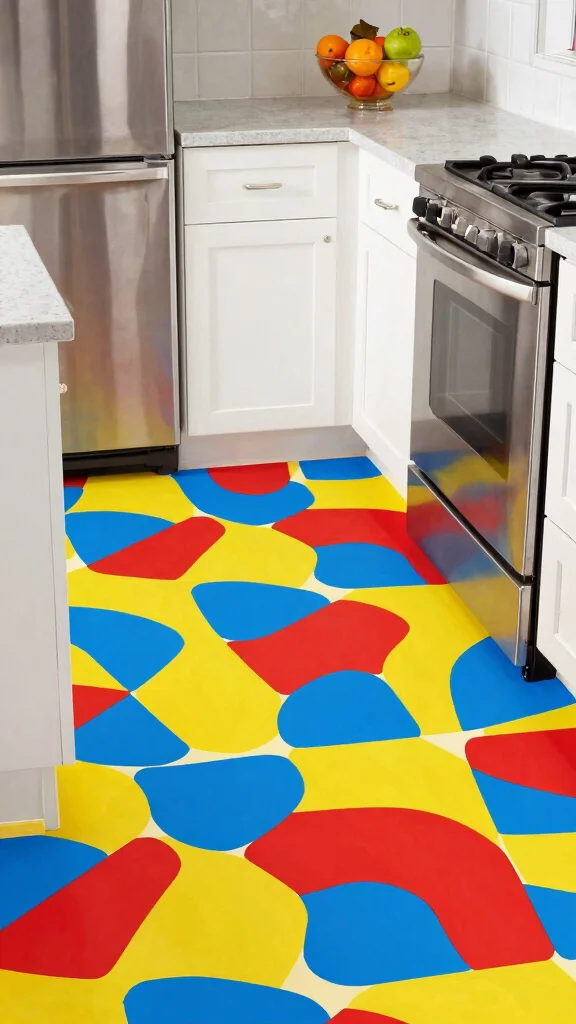
Linoleum flooring stands out as a vibrant, eco-friendly option that adds personality to your home. Made from natural materials like linseed oil and cork dust, it’s biodegradable, making it a responsible choice for environmentally-conscious homeowners. Available in a wide array of colors and patterns, linoleum allows you to express your unique style.
This flooring is not only durable, lasting up to 40 years with proper care, but also easy to maintain with simple cleaning routines. Its natural ingredients ensure a safe environment for your family, making it suitable for kitchens and children’s play areas.
Consider these tips for incorporating linoleum:
– Use bright colors in playrooms to spark creativity
– Install patterned tiles for an eye-catching design
– Pair with natural wood accents for a balanced look
By choosing linoleum, you enhance your home’s aesthetic while supporting sustainability. The rich textures and vibrant colors create a joyous atmosphere, transforming any space into a welcoming haven.
Fun fact: Linoleum isn’t just retro—it’s built from natural materials like linseed oil and cork dust, and it can last up to 40 years with proper care. That makes it a surprisingly durable, biodegradable choice for sustainable flooring.
Recommended Products

DON'T WASTE BATHROOM CORNER SPACE - Compact and slim design, making full use of the vertical space, this bathroom cabinet can be placed in narrow corners and small areas to save more floor space for other furniture. Dimension: 14.37"W x 13"D x 33.66"H

Bamboo Freestanding Floor Cabinet – Perfect for Small Spaces - Perfect for small bathroom, kitchen, or living room. This bamboo storage cabinet stands firmly on the floor with a door and an internal shelf, giving you enclosed storage that keeps items dust-free and organized. The natural bamboo material offers a clean, warm look that matches any decor.

DON'T WASTE BATHROOM CORNER SPACE - Compact and slim design, making full use of the vertical space, this bathroom cabinet can be placed in narrow corners and small areas to save more floor space for other furniture. Dimension: 14.37"W x 13"D x 33.66"H
6. Concrete Flooring
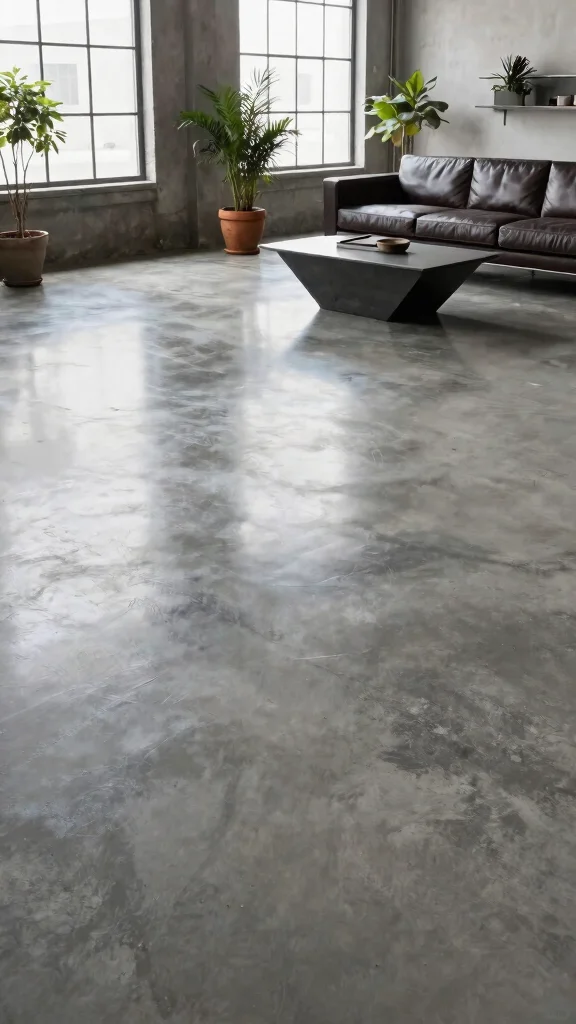
Concrete flooring is often overlooked, yet it offers a sleek and modern aesthetic that can elevate any space. When polished or stained, concrete showcases a contemporary look that’s both chic and durable. Its strength makes it suitable for both indoor and outdoor applications, providing a versatile flooring solution.
This material’s longevity means it can last a lifetime with proper care, making it a cost-effective choice. Additionally, its thermal mass helps regulate indoor temperatures, contributing to energy efficiency in your home. Available in various finishes, concrete can be tailored to fit any design preference.
To effectively use concrete flooring:
– Pair with colorful rugs to soften the look
– Use stained finishes to add depth and character
– Incorporate recycled materials for an eco-friendly approach
Concrete flooring not only enhances your design but also supports sustainable practices. Its unique textures and customizable finishes create a sophisticated environment, ensuring your home stands out.
Recommended Products

Amazing Value Pack: You will get a roll of 2500 premium Self Adhesive Cork Pads,0.55inch diameter and 0.06inch thickness.Ample Quantity,you can also share with friends

Waterproof Flooring Underlayment: Features a built-in 6 mil vapor barrier, ideal for underlayment for vinyl plank flooring, laminate giving you a long-lasting floor.

NO MESS, NO STAINS - These quality cork drink coasters will keep your beverage in place and rings off of the table. Heat resistant and moisture-absorbent, each cork square is 3mm in thickness. They come in a beautiful natural brown color.
7. Terrazzo Flooring
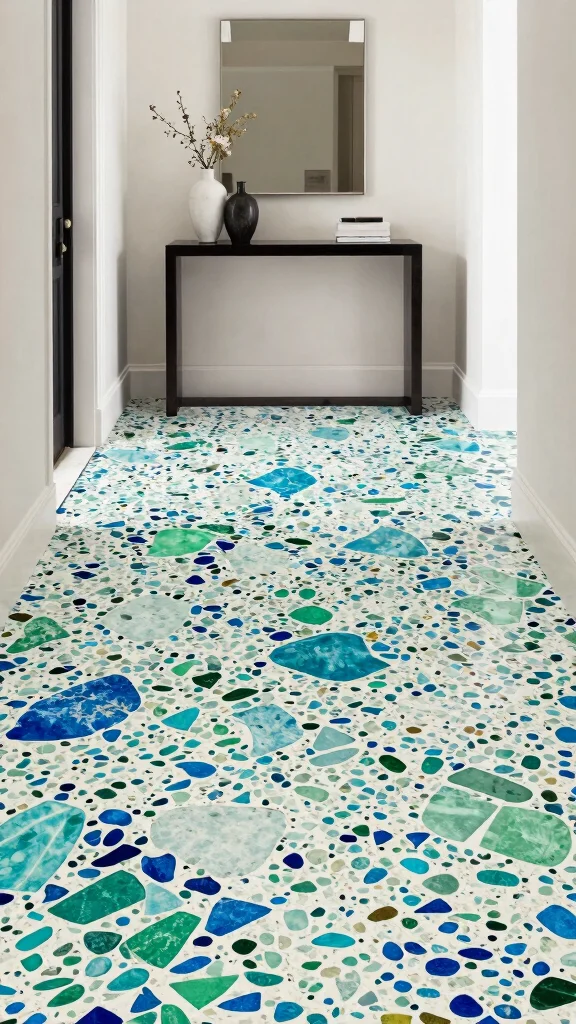
Terrazzo flooring is a stunning composite material that combines chips of marble, glass, or granite in a cement base, offering both beauty and sustainability. This flooring type is known for its unique designs and vibrant colors, allowing for endless customization that reflects your personal style. Its durability makes it suitable for both residential and commercial spaces.
Terrazzo is not only visually appealing but also eco-friendly, often made from recycled materials. Its resistance to stains and scratches ensures that it maintains its beauty for years, making it a smart choice for high-traffic areas.
Enhance your space with terrazzo by:
– Using bold colors for a statement floor
– Incorporating custom patterns to reflect your style
– Pairing with minimalist furniture for balance
By choosing terrazzo, you embrace both elegance and sustainability in your home. Its unique aesthetics and resilience contribute to a chic environment, making every space feel special.
Recommended Products

This listing is for 2 pieces of wood floor samples 8"
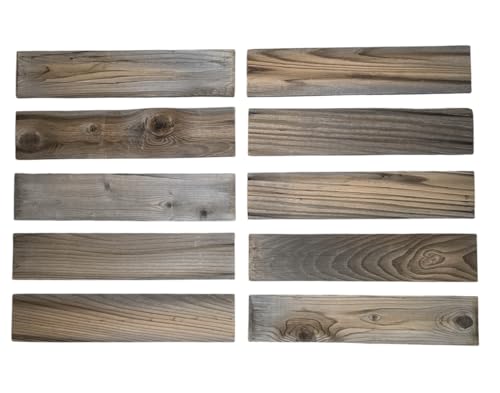
REAL RECLAIMED WOOD – Authentic weathered barnwood boards with natural patina, knots, and character.
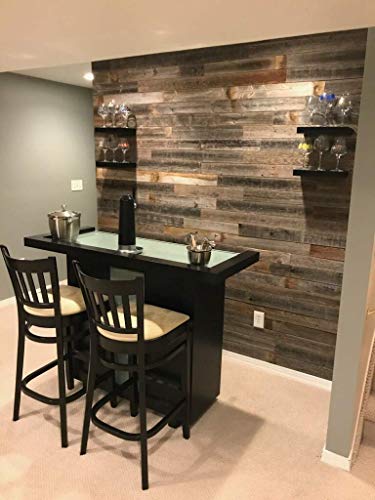
RECLAIMED WOOD ACCENT: Real reclaimed and recycled wood, naturally-weathered wood paneling adds a beautiful, rustic accent to your walls
8. Wool Carpeting
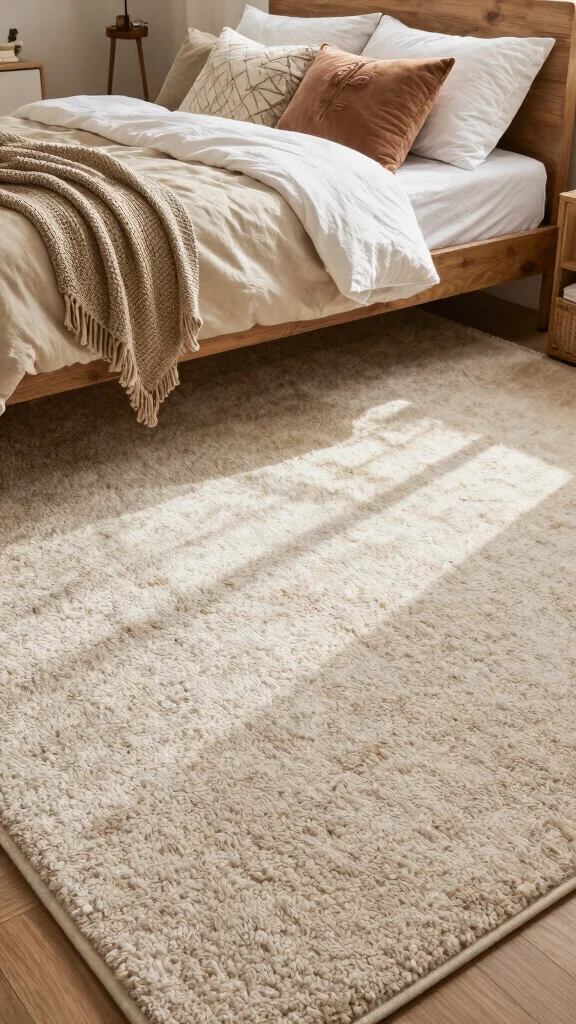
Wool carpeting provides a natural and sustainable choice that adds warmth and comfort to your home. As a renewable resource, wool is biodegradable and offers excellent insulation, making it ideal for energy-efficient designs. Its soft texture makes it perfect for living rooms and bedrooms, creating a cozy atmosphere.
This carpeting also boasts natural resistance to stains and moisture, making it easier to maintain compared to synthetic options. With proper care, wool carpets can last for 10-20 years, ensuring long-lasting beauty and functionality.
To incorporate wool carpeting effectively:
– Choose light shades for a spacious feel
– Layer with colorful throws for added warmth
– Use area rugs to define spaces
Wool carpeting enhances your home’s comfort while supporting eco-friendly practices. The luxurious feel and natural tones contribute to a serene ambiance, making your living spaces inviting and stylish.
Recommended Products

100% Waterproof Rigid Core Vinyl: Engineered ISOCORE construction ensures full water resistance for kitchens, bathrooms, basements, and laundry areas, with no acclimation required before installation
360 sq. ft. Coverage – Provides generous coverage for full rooms or multiple smaller flooring projects.

40 Mil Wear Layer - Twice the commercial standard thickness
9. Linseed Oil Flooring
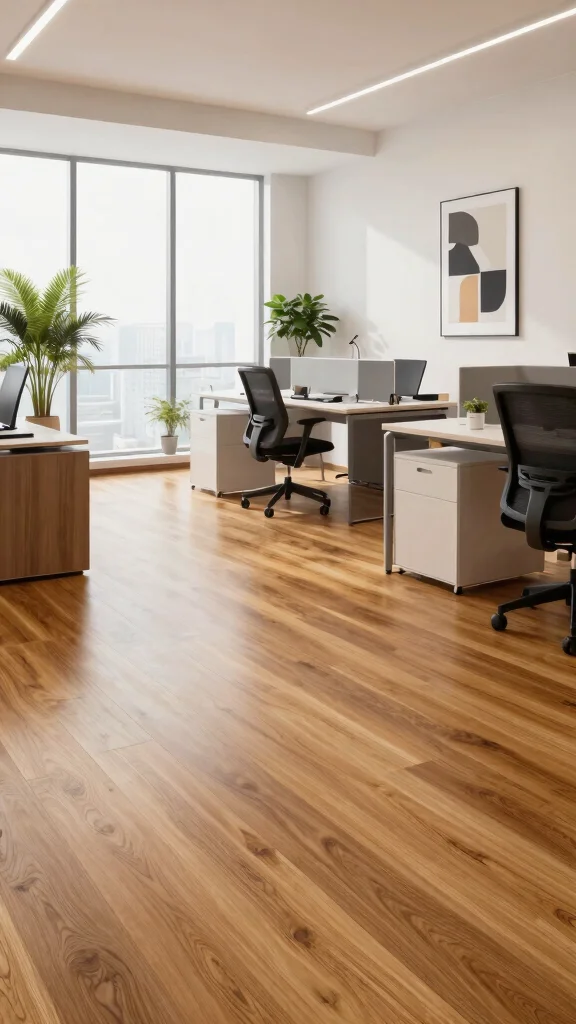
Linseed oil flooring, derived from natural flax seeds, offers an eco-friendly alternative to traditional flooring options. This material combines linseed oil with resins to create a flexible and durable surface that adds warmth and character to any room. Its natural finish provides a silky sheen, enhancing the aesthetic appeal of your home.
Being biodegradable, linseed oil flooring is a responsible choice for environmentally-conscious homeowners. Its resistance to scratches makes it suitable for high-traffic areas, ensuring it remains beautiful over time.
To make the most of linseed oil flooring:
– Incorporate natural colors for a calming ambiance
– Use area rugs to add texture and warmth
– Pair with light wood furniture for a cohesive look
By choosing linseed oil flooring, you promote sustainability while enjoying a beautiful, functional space. Its unique qualities and natural beauty enhance your home, creating a welcoming environment for all.
Recommended Products


EVERYDAY DURABILITY: Designed to withstand everyday wear, the 100% polyester fiber offers advanced soil and stain protection, fade-resistant color clarity, plus all-weather resilience.

Sample Size Information: 1 piece vinyl flooring sample, 10cm×15cm, 1.5mm thickness. Please be aware this sample displays partial pattern only, used for checking color and texture of the full-size floor planks
Key Trade-offs & Our Top Pick
1. Bamboo Flooring
– Pros:
– Fast-growing and renewable material. 🌱
– Naturally resistant to mold and pests.
– Cons:
– Can dent or scratch easily.
– May fade with direct sunlight exposure.
– Best for: Homeowners who want a stylish and eco-friendly choice for living spaces.
2. Cork Flooring
– Pros:
– Excellent sound absorption, making it quiet. 🎧
– Soft underfoot, providing comfort.
– Cons:
– Can be damaged by water if not sealed properly.
– May fade in sunlight over time.
– Best for: Families with kids or those who want a cozy feel in their home.
3. Luxury Vinyl Plank (LVP) Flooring
– Pros:
– Water-resistant, making it perfect for kitchens and bathrooms. 🚿
– Easy to install and maintain.
– Cons:
– Not as environmentally friendly as other options.
– Can be less durable than natural materials.
– Best for: Homeowners looking for an affordable, stylish, and practical flooring option.
4. Reclaimed Wood Flooring
– Pros:
– Unique and character-rich appearance. 🌳
– Eco-friendly, as it uses recycled materials.
– Cons:
– Higher cost due to sourcing and processing.
– Can require more maintenance to keep it looking good.
– Best for: Those seeking a rustic, one-of-a-kind look in their home.
5. Linoleum Flooring
– Pros:
– Made from natural materials, making it eco-friendly. 🌍
– Durable and easy to clean.
– Cons:
– Can be damaged by standing water.
– Limited color and design options compared to other materials.
– Best for: Budget-conscious homeowners who want a sustainable flooring choice.
Expert Recommendation:
Best Overall: Luxury Vinyl Plank (LVP) Flooring
Luxury Vinyl Plank (LVP) flooring stands out as the best overall option for its balance of durability, style, and affordability. You can find various styles that mimic natural wood or stone, giving you flexibility in design. With its water-resistant features, it’s ideal for high-moisture areas like kitchens and bathrooms. It’s easy to install, making it a favorite for DIYers and professionals alike. 🚀
Why We Picked This:
While LVP flooring is our top pick, some may lean towards bamboo for its aesthetic appeal or cork for its comfort. Reclaimed wood offers a unique charm for those willing to invest more. Ultimately, your choice will depend on your specific needs, budget, and design vision. Consider the pros and cons of each option to find the perfect match for your sustainable flooring goals.
10. Recycled Rubber Flooring
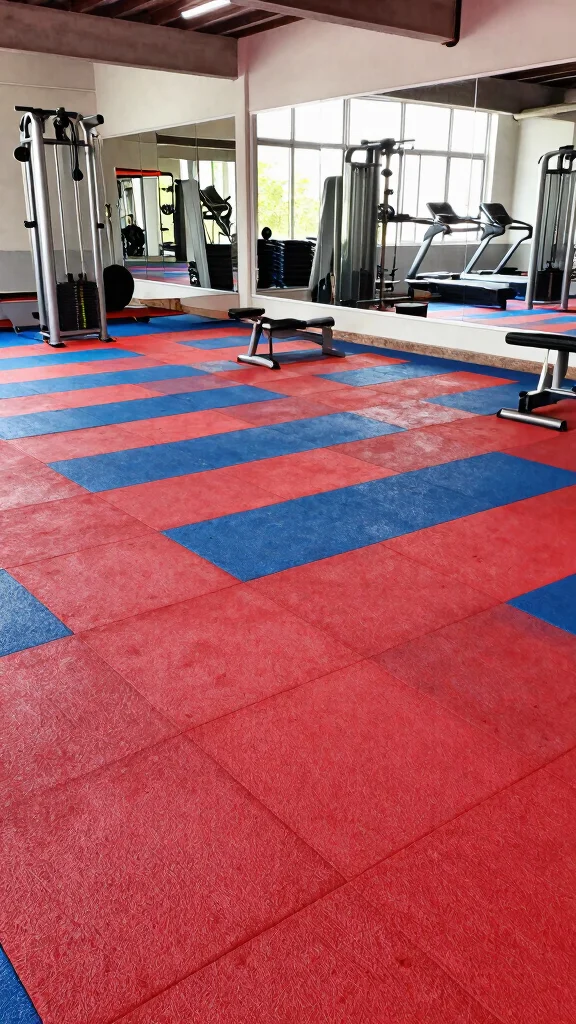
Recycled rubber flooring offers a unique and innovative solution that contributes to waste reduction while providing a durable surface. Often crafted from discarded tires, this flooring is versatile and suitable for both indoor and outdoor spaces. Its cushioned surface offers excellent shock absorption, making it perfect for playrooms and gyms.
This flooring is also water-resistant, making it ideal for areas prone to moisture, such as laundry rooms and basements. With minimal maintenance required, a simple wipe-down keeps it looking fresh and clean.
To effectively use recycled rubber flooring:
– Install in high-traffic areas for durability
– Pair with bright colors for a fun atmosphere
– Use non-toxic adhesives for a healthier home
Choosing recycled rubber flooring not only enhances your design but also supports eco-friendly practices. Its practical features and stylish options make it an excellent choice for a sustainable home.
11. Sustainable Tile Flooring
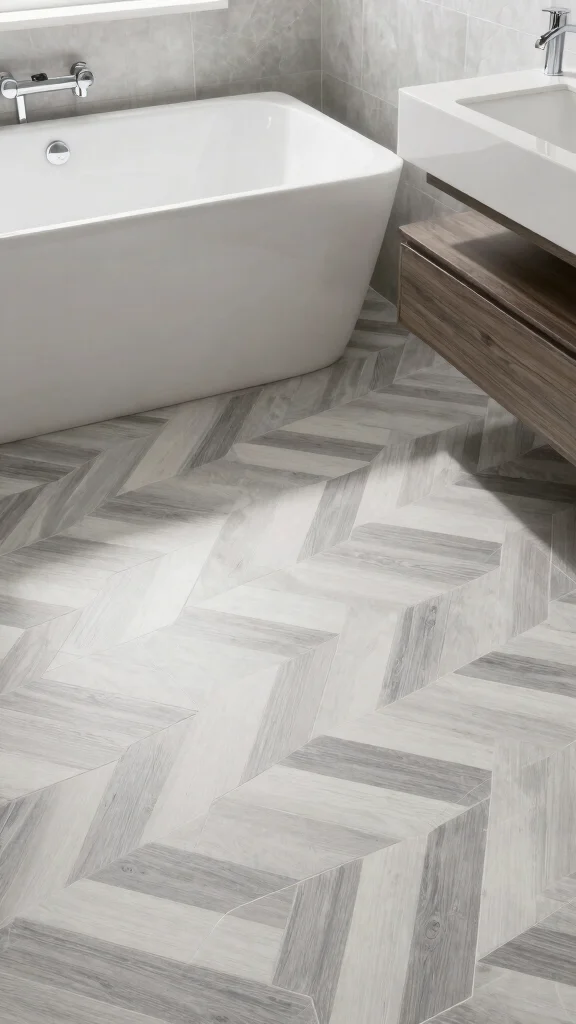
Tile flooring can be both beautiful and sustainable when sourced responsibly. Opting for tiles made from recycled materials or sustainably harvested resources can significantly reduce your environmental impact. Ceramic and porcelain tiles, for example, are known for their durability and come in a vast array of styles, colors, and patterns.
Tiles are easy to clean and maintain, making them a practical choice for any room in your home. Their energy efficiency helps keep your home comfortable year-round, reducing energy costs.
Consider these tips for selecting tile flooring:
– Choose light-colored tiles to enhance brightness
– Use textured surfaces for added interest
– Pair with eco-friendly adhesives for installation
By selecting sustainable tile flooring, you not only elevate your home’s aesthetic but also promote environmental responsibility. The variety and durability of tiles ensure your space remains stylish and functional for years to come.
12. Sustainable Carpet Tiles
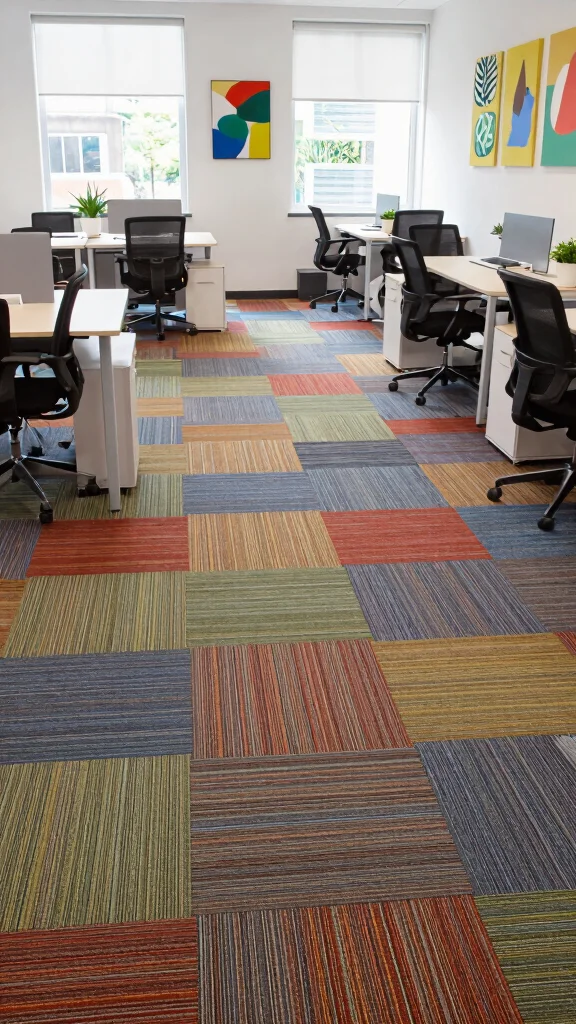
Carpet tiles are becoming increasingly popular due to their flexibility and ease of installation. Often made from recycled materials, they come in a range of styles and colors, allowing you to create a custom look in any room. Their modular design means that damaged tiles can be easily replaced, reducing waste and making maintenance a breeze.
These tiles are designed to withstand heavy foot traffic, making them ideal for both residential and commercial spaces. Their sustainable qualities also ensure that you’re making a responsible choice for the environment.
To maximize the benefits of carpet tiles:
– Select bold patterns to add character
– Use neutral colors for a calming effect
– Incorporate varying textures for visual interest
By choosing sustainable carpet tiles, you enhance your home’s versatility while supporting eco-friendly practices. Their unique designs and practical features create a modern and inviting atmosphere, perfect for any living space.
Conclusion
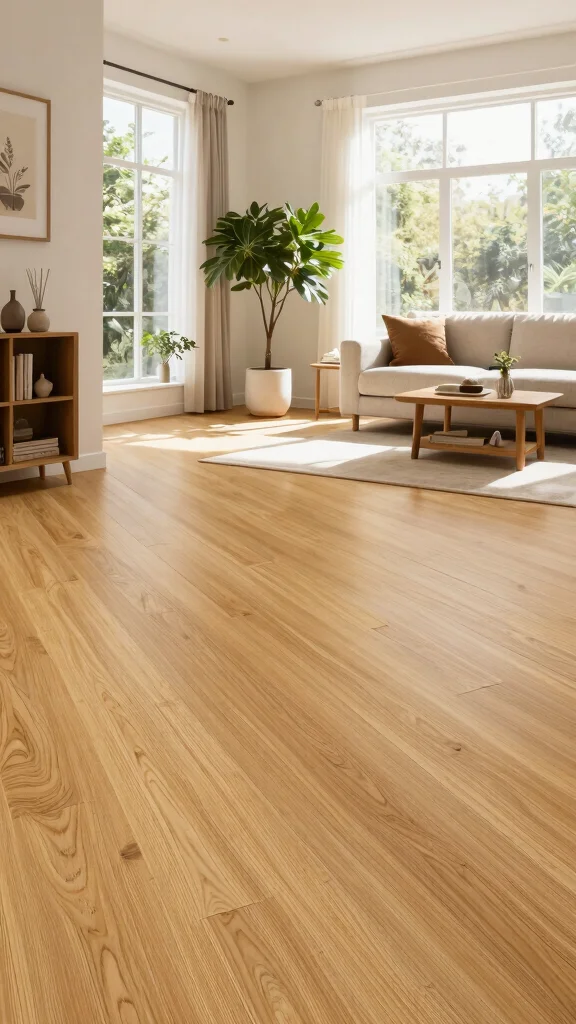
Investing in sustainable flooring materials is a step toward a more eco-friendly home. With so many durable flooring options available, you can easily find the perfect fit for your lifestyle while minimizing your environmental impact. Each of the materials discussed not only adds visual appeal to your spaces but also promotes sustainability.
By choosing wisely, you can create a beautiful and responsible living environment that aligns with your values.
Note: We aim to provide accurate product links, but some may occasionally expire or become unavailable. If this happens, please search directly on Amazon for the product or a suitable alternative.
This post contains Amazon affiliate links, meaning we may earn a small commission if you purchase through our links, at no extra cost to you.
Frequently Asked Questions
What makes a flooring material sustainable and worth the cost?
Sustainable flooring materials are designed for longevity, use renewable or recycled resources, and minimize environmental impact from production to disposal. When you weigh long-term durability and maintenance against upfront price, the total cost of ownership often favors eco-friendly options. For example, premium eco-friendly Luxury Vinyl Plank with a thick wear layer can resist scratches and moisture, reducing replacement needs. Look for low-VOC adhesives, recycled content, and third-party certifications. A simple lifecycle cost analysis — upfront installation plus annual maintenance and eventual replacement — helps reveal the real value of sustainable flooring materials compared with cheaper options. This approach fits well with sustainable home design goals and green building materials principles.
Which eco-friendly flooring options offer the best balance of durability and style in a luxury home?
For a luxury vibe with eco-friendly roots, consider eco-friendly flooring options like high-quality Luxury Vinyl Plank (LVP) with a long wear layer, water resistance, and recycled content. Pair with a thick protective finish to achieve durable flooring options that still look premium. Look for certifications such as FloorScore or GREENGUARD Gold, formaldehyde-free adhesives, and renewable materials content. Other contenders include cork or bamboo with engineered construction, but watch wear layer thickness and maintenance. With the right product, you get style, performance, and a smaller ecological footprint—perfect for sustainable flooring materials choices in green building materials.
Are renewable materials like bamboo or cork durable enough for high-traffic areas?
Yes, but it depends on construction. Bamboo and cork can be highly durable when you choose engineered or layered options with a thick wear layer (or solid core) and proper sealing. For busy spaces, pick a finish that resists scratches and moisture, and maintain with mats and regular cleaning. Compare to vinyl—the advantage of renewable materials is renewability and a natural aesthetic, but you must select products with strong wear layers and warranties. This aligns with durable flooring options and eco-friendly flooring choices in sustainable home design.
How can I calculate the long-term cost savings of sustainable flooring materials?
Start with up-front cost vs expected life. Include maintenance costs (refinishing, sealing, cleaning), energy-related savings (if compatible with radiant heat or insulation properties), and potential higher resale value from eco-friendly homes. Use a simple lifecycle cost analysis: total cost of ownership over 15-20 years, dividing by years; compare to cheaper options. Check warranties and replacement intervals. This helps you see the value of sustainable flooring materials and green building materials over time, not just the initial price tag.
What steps can I take to ensure my flooring choice aligns with sustainable home design and green building materials guidelines?
Choose products with verified certifications (FSC, FloorScore, GREENGUARD Gold), prioritize renewable materials or recycled content, and select low-VOC adhesives and finishes. Buy from manufacturers with transparent supply chains to support eco-friendly flooring. Plan for waste reduction in installation, and consider take-back or recycling programs. Keep your decisions aligned with green building materials and sustainable home design goals when selecting sustainable flooring materials to maximize both performance and environmental benefits.
Related Topics
sustainable flooring
eco-friendly flooring
luxury vinyl plank
renewable materials
durable options
green building
sustainable home design
flooring trends
home renovation
environmentally friendly
interior design
long-lasting materials