
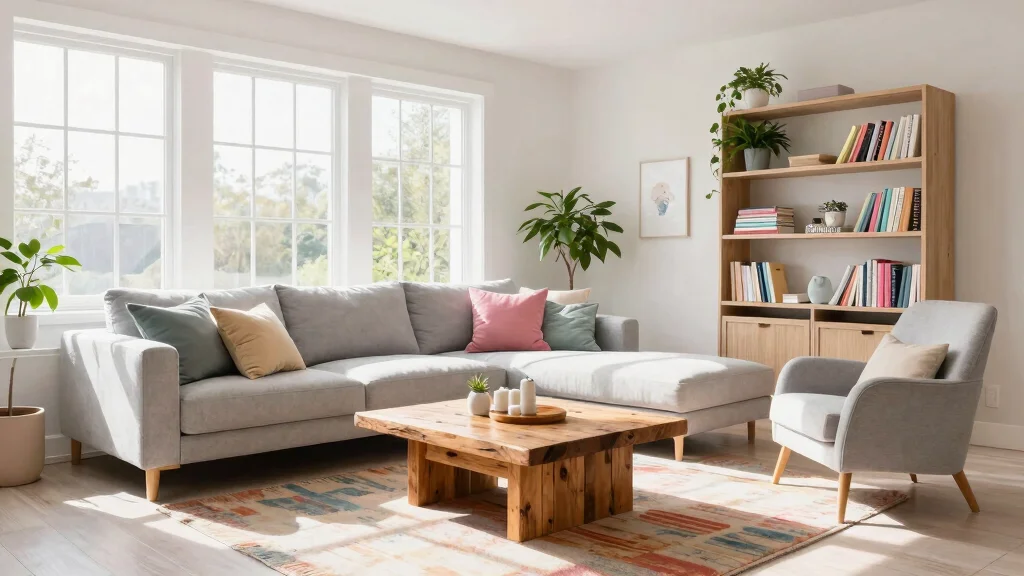


Planning your living room furniture layout can feel overwhelming, especially when you’re working with a small space. You want your living area to be both stylish and functional, but where do you start? I created this post to help you navigate these challenges and make the most of your home.
If you’re someone who loves home decor and wants to optimize your small living room, you’re in the right place. This guide is perfect for those looking to enhance their living room design with creative furniture arrangements and smart styling tips that make a real difference.
In this article, you’ll discover 12 practical ideas that improve the flow and function of your living space. From embracing multi-functional furniture to optimizing corners, these tips are designed to help you create a welcoming environment that feels open and organized. You’ll walk away with actionable insights that turn your living room into a cozy haven you can enjoy every day.
Key Takeaways
– Multi-functional furniture can save space while adding utility. Look for pieces that serve more than one purpose, such as ottomans that double as storage.
– Zoning your space helps define areas for different activities. Use rugs or furniture placement to create specific zones for lounging, working, or entertaining.
– Light colors can make a small room feel more airy and open. Opt for light shades on walls and furniture to visually expand the space.
– Traffic flow is key in any living room layout. Ensure pathways are clear to allow easy movement throughout the space without obstruction.
– Personal touches can enhance the overall vibe of your living room. Incorporate decor that reflects your personality and makes the space feel uniquely yours.
Recommended Products

3-IN-1 ROUND OTTOMAN WITH STORAGE: Works as a storage ottoman, a comfortable footrest for couch, or flip the reversible lid to reveal a walnut-finish tray top that functions as a small round coffee table. One piece, three uses — no extra furniture needed.

【Sturdy & Durable】Storage ottoman is made of high quality fine linen-look fabric with fine stitching and beautiful atmosphere. Built with durable MDF, this folding ottoman supports up to 300 lbs. Its solid structure makes it ideal for sitting, standing, or even using as a step stool, ensuring long-lasting stability and utility.

【QUICK ASSEMBLY, EASY FOLDAWAY】This storage ottoman from the SONGMICS MAZIE Collection has a foldable design that allows quick setup in seconds by simply inserting the bottom panel. Easily fold and store it under the bed or in a closet when not in use.
1. Embrace Multi-functional Furniture
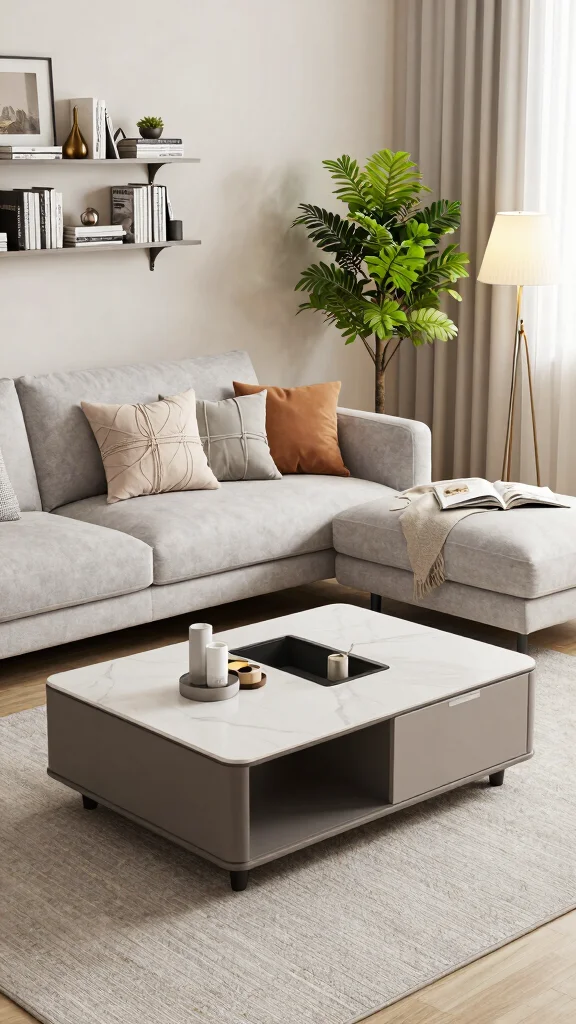
In a small living room, every piece of furniture should be versatile and serve more than one purpose. This approach not only maximizes your space but also introduces a sleek, modern aesthetic. Think of an ottoman that offers hidden storage or a coffee table that can easily convert into a dining table for gatherings. These cleverly designed pieces bring a stylish touch while maintaining functionality, making them essential for small spaces.
Consider investing in items that serve dual roles to enhance your living area without clutter. Look for budget-friendly options at local thrift stores or online marketplaces. Multi-functional furniture aligns perfectly with the trend of minimalism, promoting simplicity and emotional comfort in your home.
Here are some practical ideas:
– Pair an ottoman with hidden storage to keep essentials tucked away.
– Install a convertible coffee table for extra dining space when needed.
– Use modular furniture that can be rearranged as your needs change.
Choosing multi-functional furniture creates a chic and efficient living room that adapts to your lifestyle.
Small spaces reward multi-functional furniture. Choose pieces that serve dual roles, like an ottoman with hidden storage or a coffee table that doubles as a dining surface, keeping your living room furniture layout clean and flexible. Practical, stylish, and ready for gatherings.
Recommended Products

4-in-1 Convertible Coffee Table: One Table, Endless Possibilities. Featuring a unique split-tabletop design that lifts in different directions, creating two independent surfaces for simultaneous use. Enjoy your own space without disturbing others. The large folding top flips 180° to fully expand, transforming into a dining or game table for 4–8 people. (Note: Raise the lower table first before flipping.)

Multi-functional Table: UNIQUITE 4 in 1 Multi-Function coffee table is a great choice for small apartments,dorms,and dens. Its two-tone distressed vintage finish delivers a naturally aged feel and creates a cozy and retro vibe. Closed size:19.7"D x 39.4"W x 21.8"H, fully expanded size:39.4" x 39.4"W x 25.98"H (TIPS: LOWER TABLE MUST BE RAISED FIRST TO AVOID DAMAGE. )
2. Zone Your Space
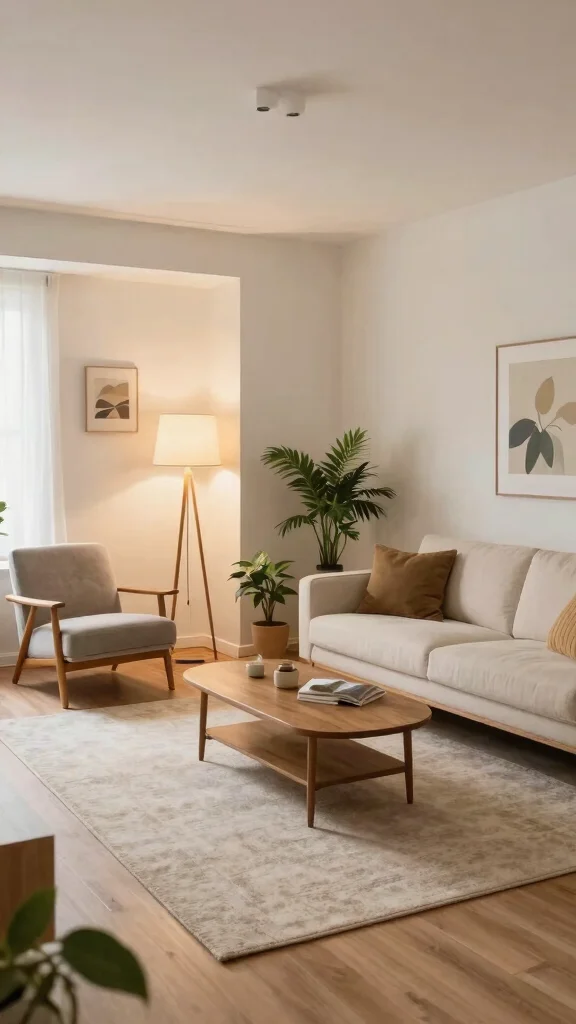
Zoning your small living room can create distinct areas for various activities, enhancing both style and function. By using rugs, furniture arrangements, or partitions, you can define spaces for lounging, reading, or even working. For example, a plush area rug can establish a cozy conversation zone, while a smaller one near a reading chair can create an inviting nook for relaxation.
Consider incorporating flexible furniture arrangements to easily adapt to different needs. Adding elements like bookcases as room dividers or introducing varied lighting can also enhance your space without breaking the bank. Thoughtful zoning can reflect current design trends focused on creating cozy, multifunctional environments.
Implement these zoning techniques:
– Use bookcases to separate areas without closing them off.
– Introduce varied lighting to highlight different spaces.
– Arrange seating to encourage conversation and flow.
Taking the time to zone your living room boosts both aesthetics and functionality, making the space feel more inviting.
“Fun fact: Defining zones in your living room furniture layout with rugs and partitions can boost perceived space by up to 30%. You’ll get distinct areas for lounging, reading, and working—yet the room still feels open and practical.”
Recommended Products

Versatile Modular Design: The CozyMine sectional couch features an innovative and flexible modular design, allowing easy reconfiguration into a loveseat, three-seater, L-shaped couch, or guest bed. This DIY setup is ideal for adapting to different room layouts and functions, making it a fantastic choice for any living room

【Ready to Use Right Out of the Box】 This 80" cloud sofa comes in vacuum-compressed packaging. Simply open the package, remove the three individual modules, and gently pat them to allow the high-density foam to expand naturally within 48-72 hours before use. No tools, screws, or complicated instructions are required, eliminating the hassle of traditional furniture assembly and allowing you to instantly enjoy the comfort of a sofa in your busy daily life

Multiple Package: Multiple packages may arrive separately. If you have any questions about your cloud couch sectional or need assistance, please reach out to us as soon as possible
3. Choose Light Colors for Airiness
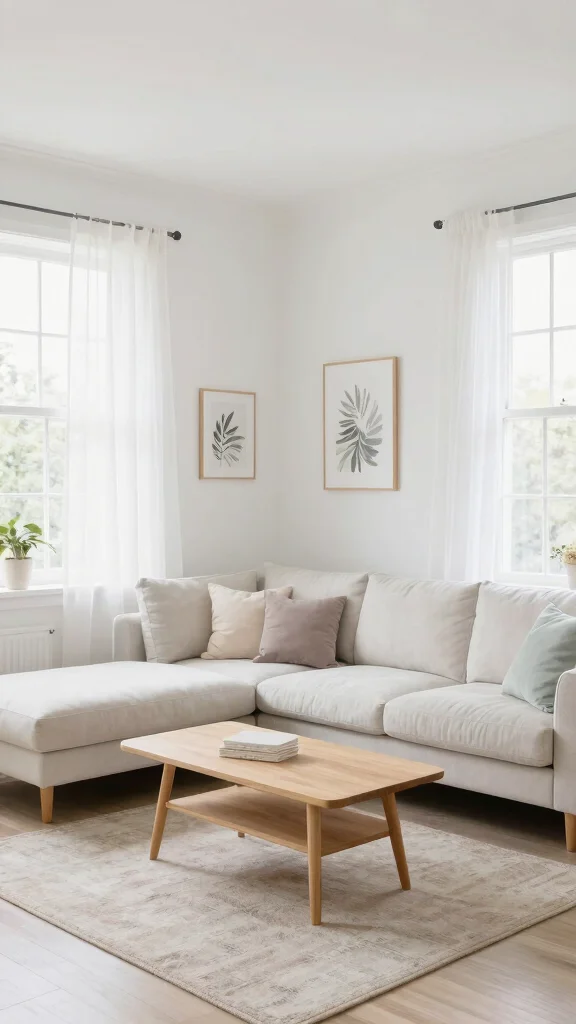
Opting for a lighter color palette is a simple yet powerful way to open up a small living room, making it feel more spacious and inviting. Soft neutrals like white, beige, and pale gray not only reflect light but also create an airy atmosphere. Incorporating vibrant accents through decorative items, such as cushions or artwork, keeps the space lively while maintaining a serene backdrop.
Utilize these colors strategically to enhance your design. Accent walls in soft hues can add depth, while cohesive furniture in matching shades creates a unified look. Mirrors placed thoughtfully can amplify light and visually expand your space, making it feel larger than it is.
Here are some color strategies:
– Create an accent wall with a pale hue for added depth.
– Choose furniture in a matching color scheme for a cohesive design.
– Use mirrors to enhance light and create the illusion of space.
Choosing the right colors can dramatically elevate your living room’s design, creating a soothing and expansive environment.
Recommended Products

Ultra-Soft Low Pile Rug: Gent drizz living room rugs 8x10 made of Upgraded durable low pile faux wool fibers, 0.25'' thick, featuring a soft fuzzy density surface, soft and pliable to the touch, providing great comfort for your bare feet. The low pile makes it easy for your Large area rug to clean and is perfect for homes with kids and pets

Neutral Abstract Rug: This 8'×10' rug features a distressed abstract design in subtle tones, adding a modern, artistic touch to your space. It blends effortlessly with any home style, instantly enhancing your living room, bedroom, dining area, or office
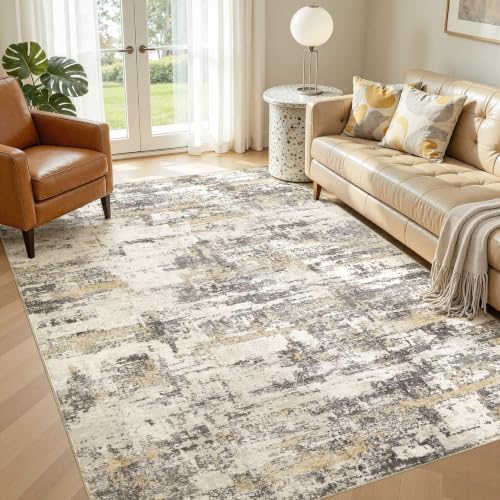
CLOUD LIKE SOFTNESS AND SUPREMELY COZY: Treat bare feet to absolute comfort. Crafted from premium faux wool, this living room rug delivers a luxuriously velvety soft texture that shields toes from cold floors. The tightly woven fibers to be non-shedding and durable, provides a relaxing environment.
4. Optimize the Corners
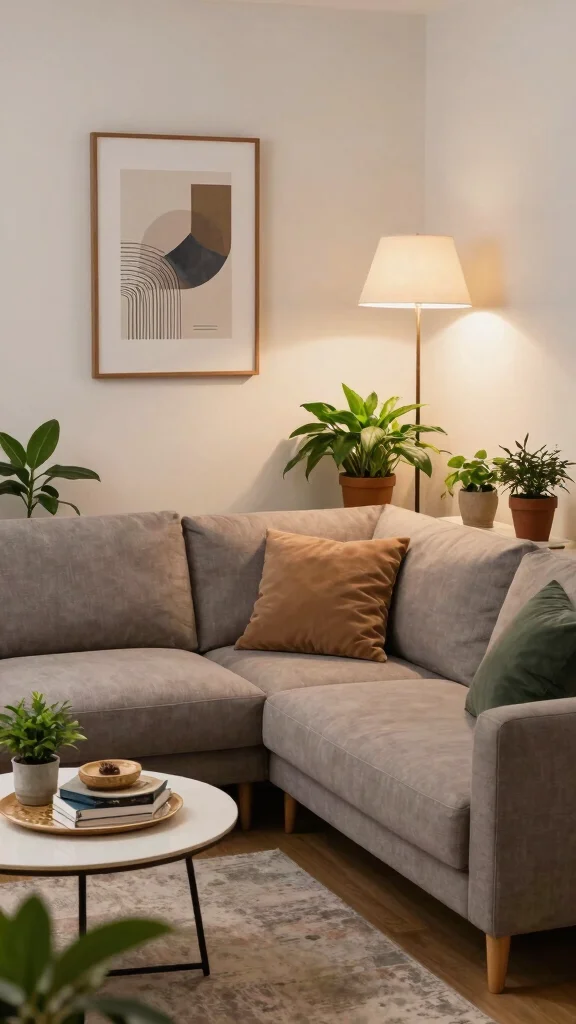
Making the most of corners in your small living room can significantly increase functionality. Often overlooked, corners can be transformed into useful spaces by strategically placing furniture and decor. Consider using corner sofas to create cozy seating areas, or installing corner shelves to display books and decor.
Explore options that maximize corner space without cluttering the room. Accent chairs can be positioned in corners to free up central space while adding to the overall aesthetic. Utilizing plants or artwork can also brighten up these areas, bringing life and character to your space.
Here’s how to make the most of corners:
– Choose corner sofas to maximize seating in snug spaces.
– Position accent chairs in corners to open up the room.
– Brighten corners with plants or art for added charm.
Optimizing corners can enhance both the functionality and visual appeal of your living room, making it feel more inviting.
Recommended Products

【Space-saving】The design of circular nested coffee tables is simple and beautiful, while also practical, allowing for the use of different sizes of tables as needed. Due to the nesting design, multiple coffee tables can be stacked together, saving space, especially in small spaces.
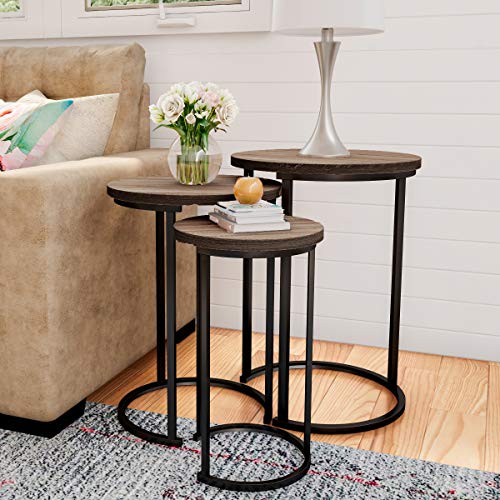
LIVING ROOM TABLE SET OF 3 - The nesting tables set of 3 features an updated design with a sleek metal base and a woodgrain-look top that brings contemporary style to any room. They are sure to complement a variety of decor, from farmhouse to industrial.

Tables store away inside each other to conserve space when not in use.
5. Create Flow with Furniture Arrangement
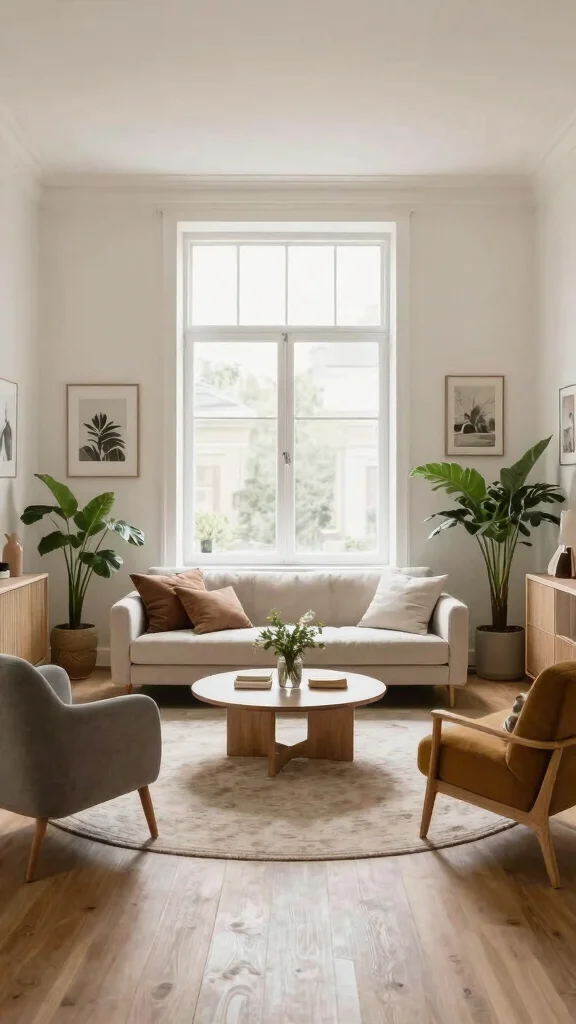
A well-thought-out furniture arrangement promotes smooth flow and movement throughout your small living room. Focus on layouts that facilitate easy navigation and conversation, as an open space encourages interaction while avoiding crowding. Consider circular seating arrangements or direct pathways that lead to key areas for enhanced engagement.
Explore different layout strategies to find what works best for your space. Aligning furniture with focal points, like windows or a fireplace, can create visual interest and draw the eye. This method also supports current design trends that emphasize open, inviting environments.
Here are some layout tips:
– Create circular arrangements to foster conversation and connection.
– Ensure clear pathways for easy movement between areas.
– Align furniture with focal points like windows or a fireplace.
Creating flow in your furniture arrangement enhances both the appearance and functionality of your living room, making it a comfortable gathering spot.
Recommended Products

【Perfect Footstool】Comfortable foot stool is length 17 x width 13 x height 13 inches (43x33x33 cm), the perfect size and new thickened foam cushion can make it a good footstool, sitting on the sofa and putting your feet on the ottoman can be a good way to relax your legs, relax your whole body, reduce stress, and enjoy a pleasant time!

STURDY & SPACIOUS DESIGN:Large 30-inch round ottoman features a solid wood frame, ensuring stability while protecting floors. Its generous size offers ample seating and hidden storage, seamlessly blending durability with functional elegance.

【ottoman】Our ottoman has the better size and Relaxed color,Length 17 x width 13 x height 13 inches and Grey,It is also a comfortable footstool,Proper size and thickened sponge pad can make him a good footrest,Sitting on the sofa and putting your feet on the ottoman can relax your legs, relax your whole body and enjoy the pleasant time
Dimensions & Size Guide
Standard Sizes & Measurements:
Understanding the dimensions of your living room furniture layout is crucial for creating a functional space. Common sizes for living room furniture vary, but here are some standard dimensions to keep in mind:
– Sofas: Typically, a standard sofa measures around 72 to 86 inches long and 30 to 40 inches deep. For smaller spaces, consider loveseats that range from 48 to 72 inches.
– Coffee Tables: A coffee table usually has a height of 16 to 20 inches and a width of 36 to 48 inches. Leave a space of about 18 inches between the coffee table and the sofa for easy movement.
– Accent Chairs: Expect accent chairs to be around 30 inches wide and 32 inches deep. Ensure there’s enough space between the seating options to promote conversation.
– Entertainment Centers: Most entertainment centers are about 60 to 80 inches wide and 20 to 24 inches deep. Allow at least 30 inches of clearance in front for viewing comfort.
– Rugs: A living room rug should extend at least 18 inches beyond the seating area for a cohesive look. In smaller areas, consider a rug that fits just under the front legs of your furniture.
When planning your furniture arrangement, aim for a minimum of 36 inches of clearance for walkways between furniture pieces to ensure a comfortable flow.
Quick Reference Table:
Here’s a quick table to help you visualize the best uses for various dimensions:
Size/Dimension – Best for: [use case], Minimum space needed: [measurement]
– Sofa (72-86 inches) – Ideal for 3-4 people, Minimum space needed: 12×10 feet
– Loveseat (48-72 inches) – Perfect for small families, Minimum space needed: 8×10 feet
– Coffee Table (36-48 inches) – Central piece for lounging, Minimum space needed: 18 inches from seating
– Accent Chair (30 inches) – Adds extra seating, Minimum space needed: 7×7 feet per chair
– Entertainment Center (60-80 inches) – Holds your TV and media, Minimum space needed: 6×4 feet
Space Planning Tips:
Measuring your space accurately can save you time and frustration. Here are some practical tips to help you:
1. Use a Measuring Tape: Always have a measuring tape handy. Double-check the dimensions of the furniture and your living room to avoid surprises.
2. Create a Floor Plan: Sketch a basic layout on graph paper or use an app. This helps you visualize how the furniture fits together before moving it.
3. Take Note of Doorways and Windows: Measure the height and width of doorframes and any windows. You don’t want to struggle fitting a large sofa through a tight doorway!
4. Account for Traffic Flow: When arranging furniture, make sure to leave clear pathways. People should be able to walk freely without bumping into things.
5. Avoid Overcrowding: A common mistake is cramming too much into a small space. Aim for balance by leaving some areas open.
Pro Tip: The most important measurement you should consider is the distance between seating arrangements. Aim for at least 18 inches between tables and sofas to ensure easy access and comfort. This small detail can greatly improve your living room’s functionality and style!
Recommended Products

Modern Lift-Top Coffee Table: Featuring a split lift tabletop design, this square coffee table easily transforms from a standard coffee table into a height-adjustable work table or a flip-top dining table that comfortably seats 4-8 people. The multi-functional coffee table adapts to your diverse needs, whether for relaxation, work, or entertainment

4-in-1 Lift Top Design: This coffee table works in 4 setups for daily use. Keep it flat as a regular coffee table, lift one side for laptop or movie night snacks, raise both sides for shared use, or extend to full dining height for 4-8 guests. One piece does it all, ideal for small spaces
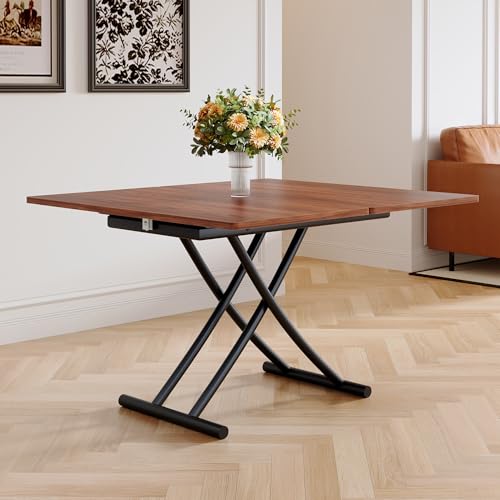
MULTIFUNCTIONAL 4 IN 1 DESIGN – This folding dining table transforms effortlessly into a dining table, coffee table, work desk, or console table, making it a versatile solution for small apartments, kitchens, or living rooms
6. Use Vertical Space
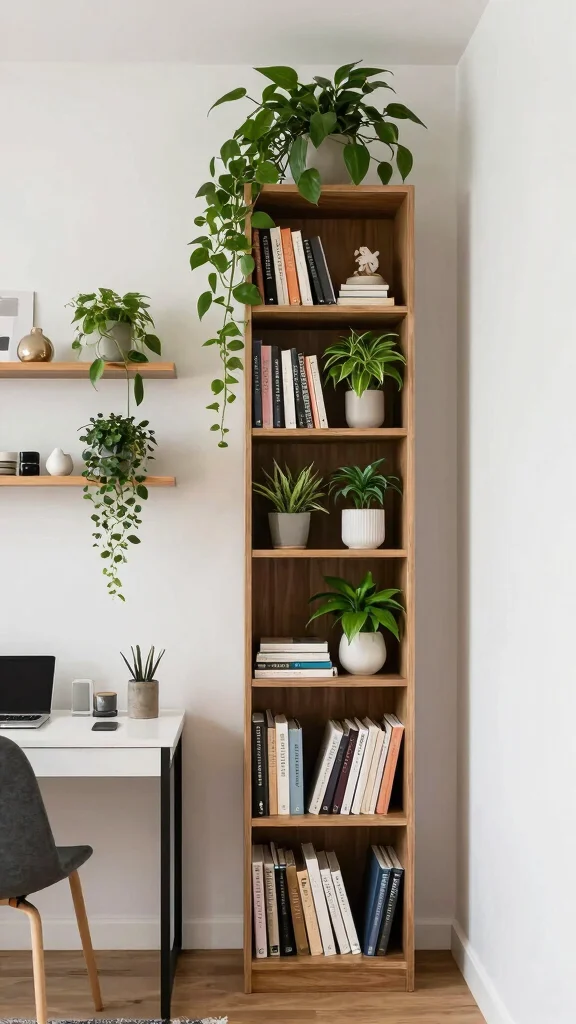
In smaller living rooms, utilizing vertical space can be a game-changer. By maximizing storage and functionality upwards, you free up valuable floor space while maintaining an open feel. Install tall shelving units or floating shelves to showcase decor and store books effectively.
Consider budget-friendly solutions like DIY shelves or thrifted furniture to make the most of your vertical areas. This approach aligns with the trend of minimalism, where simplicity and efficiency reign supreme, allowing for a more serene living environment.
Here are some vertical space solutions:
– Use tall bookshelves as room dividers while providing storage.
– Opt for wall-mounted storage for small items to save floor space.
– Hang plants to add greenery without cluttering surfaces.
Utilizing vertical space not only offers practical solutions but also enhances your living room’s overall design.
Recommended Products
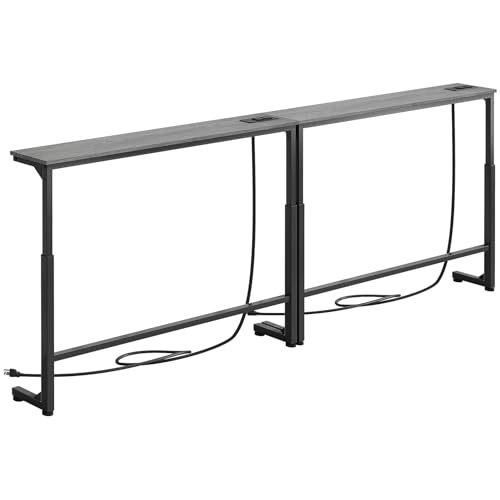
Adjustable Height for Versatility: Easily adjust between 8 height levels from 24.4" to 32.7" to better suit different sofas, desks, or storage scenarios—designed to adapt to your needs.

[Comfortable Experience]: Convertible sectional couch made of materials in high quality, which provide customers with perfect experiences for living room.

Versatile and Flexible Modular Sofa: Our sectional sofa couch consists of 2 L-shaped oversized chaises, each L- shape sofa is lightweight. This modular sectional couch have 4 using modes, you can convert the modular sectional sofa according to your needs. add flexibility and personalized style to your living space
7. Add Mirrors for Depth
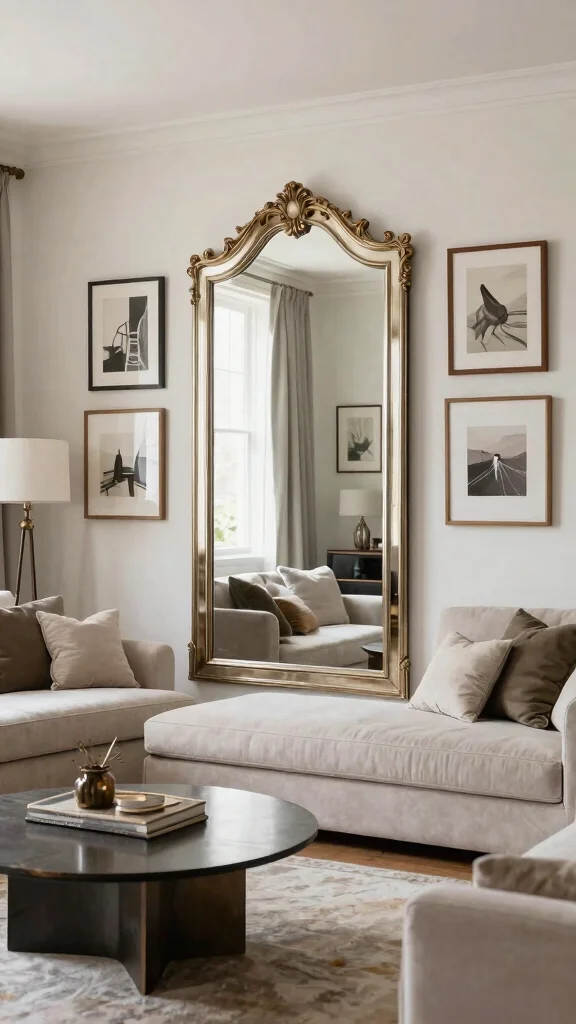
Mirrors can work wonders in small spaces, enhancing light and depth while serving a practical purpose. A strategically placed mirror can create an illusion of more space and reflect natural light, brightening up your living room significantly. Positioning a large mirror across from a window is an excellent way to capture and amplify light.
Experiment with different mirror placements to find what enhances your room best. Combining mirrors with artwork can create visual interest, while layering with mirrored furniture can add elegance and sophistication to the design. This technique is popular in modern decor, focusing on openness and style.
Here’s how to effectively use mirrors:
– Place a large mirror opposite a window to maximize natural light.
– Create a gallery wall combining mirrors and art for visual interest.
– Layer mirrored furniture to enhance elegance and style.
Thoughtfully incorporating mirrors can elevate your space, keeping it feeling airy and open.
❝ Fun fact: a large mirror opposite a window can boost perceived space by up to 30% and double daylight in a small living room. Try different placements to find what enhances depth—pair mirrors with artwork for extra visual interest and flow! ❞
Recommended Products
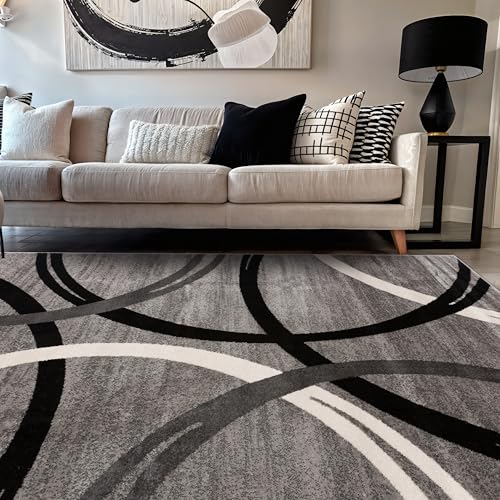
Made from 100% polypropylene with a sturdy jute backing, this machine-made rug delivers a soft and comfortable texture underfoot while offering excellent resilience and long-term performance, making it a dependable choice for high-traffic areas in your home.

Modern Abstract Style Decor Rugs: Find your favorite decorative rugs here to make your home space full of vitality. Designers give our rugs neutral and simple color matching to better meet your different decorative needs

Machine Washable Area Rug: Our living room rugs are washable for easy care—simply toss in the washing machine in cold water. For minor dirt, it is robot vacuum friendly or easily shaken off outdoors. For liquid spills, wipe promptly with a dry towel.
8. Keep Traffic Flow in Mind
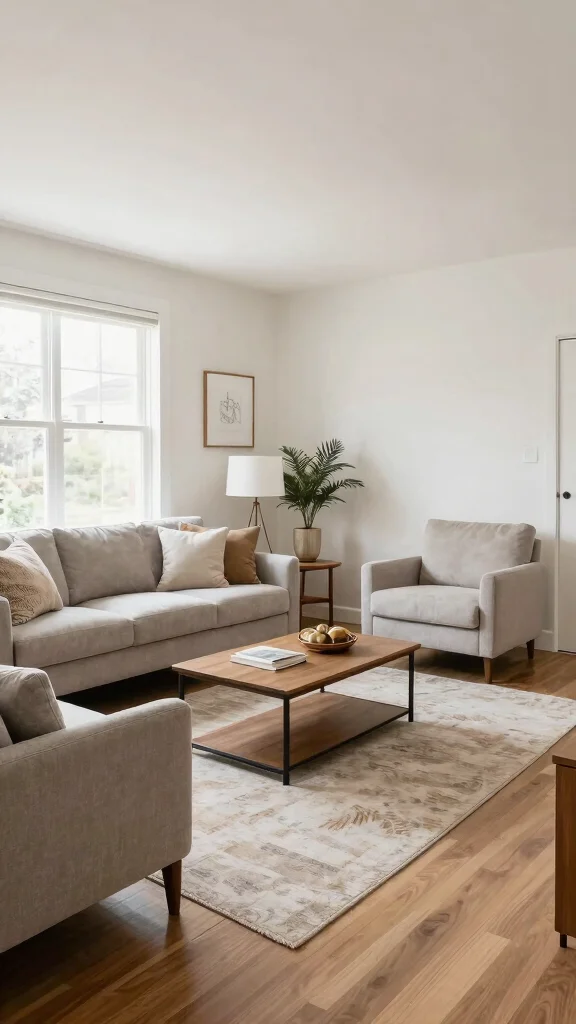
When planning your living room layout, consider the pathways to optimize traffic flow. Ensuring smooth movement not only enhances comfort but also accessibility for everyone using the space. Avoid overcrowding areas with furniture, and ensure there’s ample space for easy navigation.
Pay attention to furniture arrangements to promote conversation and connection. Keeping seating at least 18 inches apart allows for easy communication, while maintaining clear paths to exits or frequently used spots is crucial for functionality. Angling furniture can also encourage better flow in your living area.
Here are some key traffic flow tips:
– Keep seating arrangements at least 18 inches apart for comfort.
– Ensure clear paths to exits and high-use areas.
– Angle furniture to create a more inviting flow.
Prioritizing traffic flow makes your living space more functional and welcoming for everyone.
Recommended Products
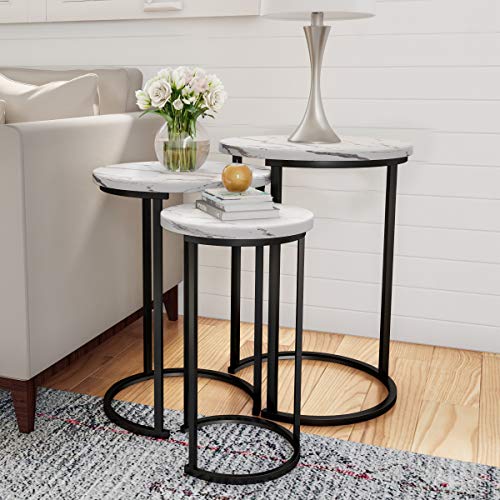
LIVING ROOM TABLE SET - The set of 3 nesting side tables features an updated design with a sleek metal base and a faux marble top that brings contemporary style to any room. They are sure to complement a variety of decor, from farmhouse to industrial.

【Endless Layouts & 2-in-1 Versatility】 Maximize your space with this Nesting Coffee Table Set of 2. Featuring an organic triangular guitar pick shape, these nesting tables can be freely rotated, overlapped, or nested to fit L-shaped/U-shaped sofas perfectly. Use them stacked as a tiered center coffee table for small spaces, or split them up as a bedside nightstand, couch side table, or balcony plant stand.

Fun Monstera Leaf Design: Unique leaf-shaped design inspired by real monstera plants! Realistic leaf veins and open-edge details make these tables stand out—no more boring square or triangle shapes. These nesting coffee tables adds a fresh and artistic touch to living rooms, balconies. Perfect for plant lovers and modern decor!
9. Go for Built-in Solutions
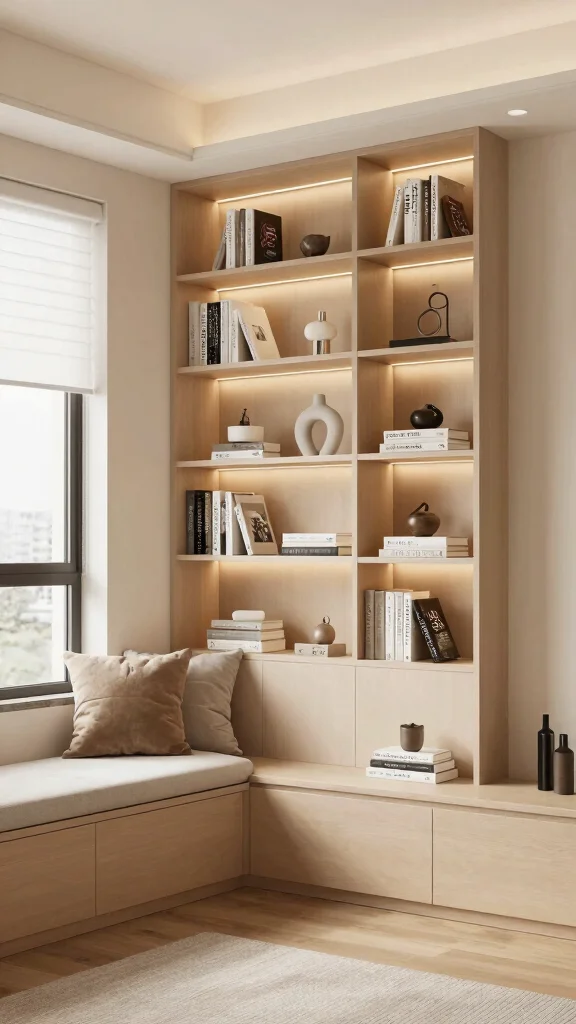
Built-in furniture is a fantastic way to maximize space and achieve a seamless look in a small living room. Custom built-ins can serve as storage, seating, or display areas, providing tailored solutions that enhance both style and efficiency. They can help keep your space organized while adding a polished finish.
Explore options like window seats for charm or wall units that integrate storage and decor harmoniously. Built-in lighting can also enhance the ambiance without taking up space, reflecting a trend towards multi-functional designs that blend utility with style.
Consider these built-in options:
– Create window seats to utilize space creatively and add charm.
– Use wall units for cohesive design and integrated storage.
– Add embedded lighting for functionality and ambiance enhancement.
Built-in solutions can significantly elevate your small living room’s style and efficiency, creating a unified and sophisticated environment.
10. Balance with Accessories
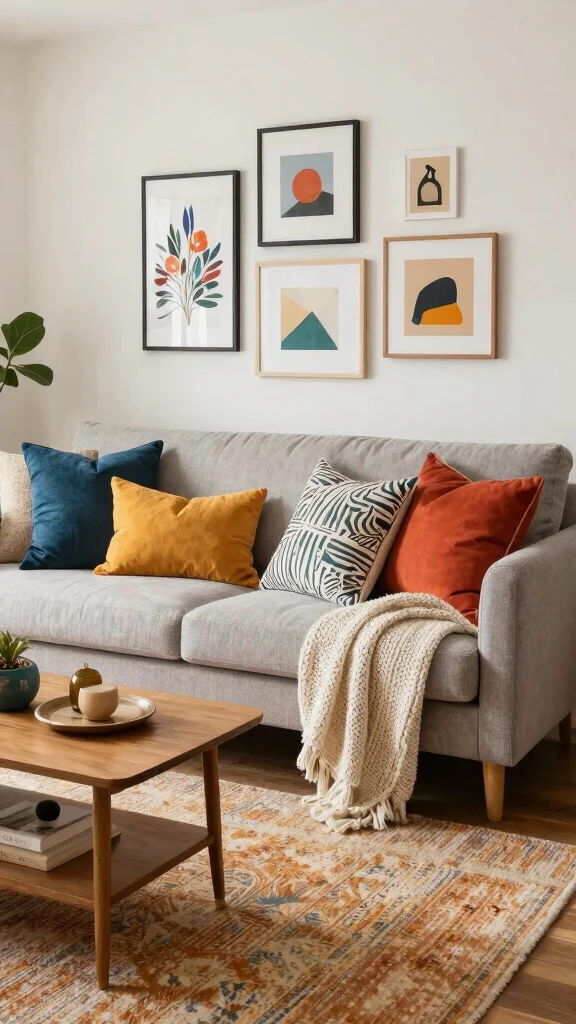
Accessorizing is essential in any living room design, particularly in small spaces where each piece plays a vital role. Thoughtfully chosen accessories can add personality without overwhelming the room. Mixing textures and colors in cushions, throws, and artwork helps create a balanced and inviting atmosphere.
Consider varying textures for added depth, and use layering techniques with throws and cushions to achieve a cozy feel. Choosing artwork that resonates with your style while complementing the room’s color scheme can also enhance the overall aesthetic.
Here are some accessorizing tips:
– Mix textures like wood, fabric, and metal for visual interest.
– Layer throws and cushions in different sizes for comfort.
– Select artwork that reflects your personality and matches the decor.
Balancing accessories creates a curated, personalized space that feels both stylish and welcoming.
11. Introduce Natural Elements
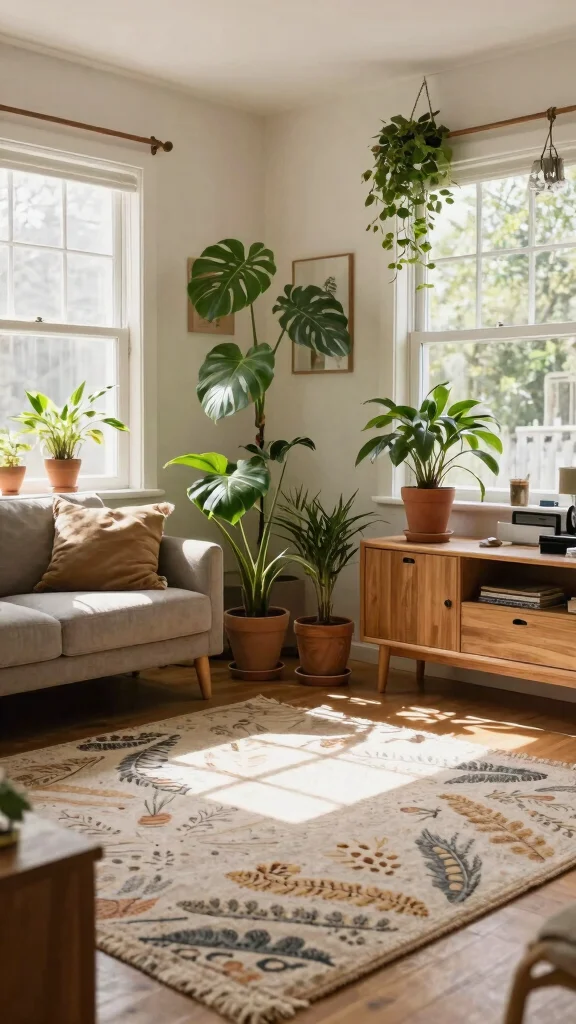
Incorporating natural elements can greatly enhance the sense of space and tranquility in a small living room. Elements like plants, wooden furniture, and natural textiles add warmth and vitality, creating a cozy atmosphere. This connection to nature is a growing trend in home design, promoting well-being and relaxation.
Utilize a mix of large and small plants to create layers without cluttering the space. Opt for wooden furniture to add an organic feel, and maximize natural light to help both plants thrive and brighten your environment. This approach not only beautifies your room but also brings a refreshing vibe.
Here are ways to incorporate nature:
– Use a variety of plants for layered greenery without clutter.
– Choose wooden furniture to introduce an organic touch.
– Maximize natural light through windows to uplift the space.
Introducing natural elements not only beautifies your living room but also fosters a sense of well-being and calm.
12. Personalize Your Space
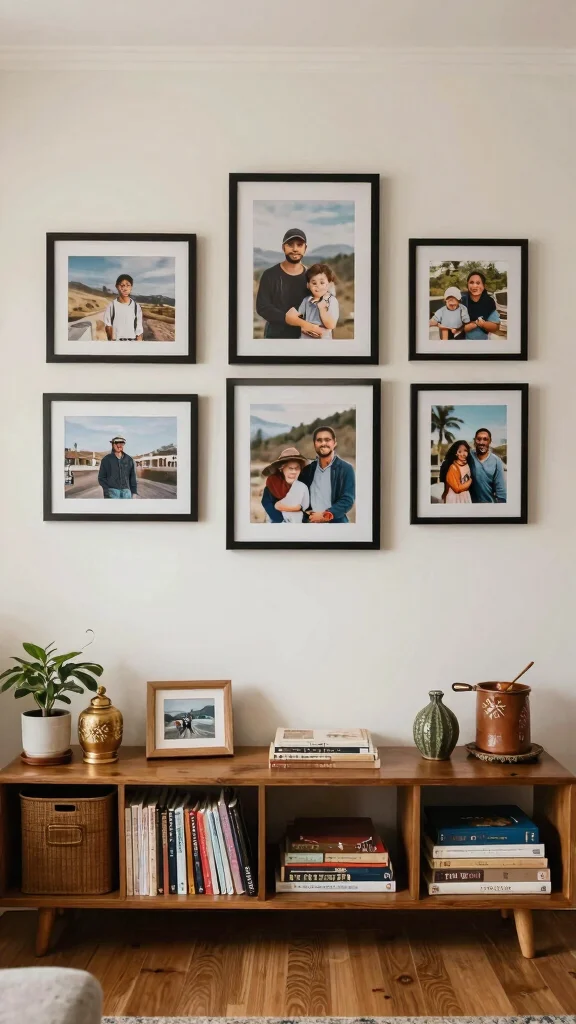
Personal touches transform your small living room into a space that reflects your unique style and personality. Incorporate elements that tell your story, from family photos to cherished travel mementos. Each piece adds character and warmth, making your living area feel truly like home.
Create a gallery wall to visually narrate your experiences with framed artworks and personal photos. Use decor items from your travels or pieces that hold sentimental value to enhance the space’s character. Seek out unique furniture that resonates with your personal style, whether vintage or contemporary.
Here are some ideas for personalizing:
– Create a gallery wall to showcase your favorite artworks and photos.
– Incorporate meaningful decor items from your travels.
– Look for unique furniture pieces that resonate with your style.
Personalizing your space not only makes it unique but also creates a warm atmosphere that invites you in.
Conclusion
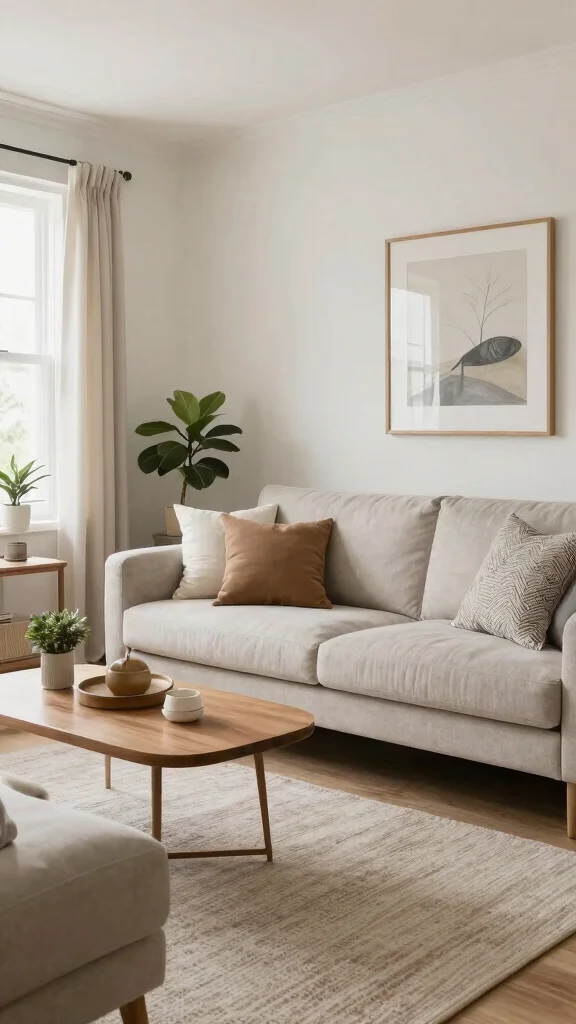
Planning your living room furniture layout doesn’t have to be daunting or tedious.
With these 12 practical ideas, your small space can become a beautifully functional oasis.
Remember, the key is to balance aesthetics with practicality while reflecting your unique style. What’s stopping you from creating the living room of your dreams?
Note: We aim to provide accurate product links, but some may occasionally expire or become unavailable. If this happens, please search directly on Amazon for the product or a suitable alternative.
This post contains Amazon affiliate links, meaning we may earn a small commission if you purchase through our links, at no extra cost to you.
Frequently Asked Questions
How do I start planning a living room furniture layout to improve flow in a small space?
Start by measuring your room, doors, and windows, then map out a rough floor plan. Aim to keep at least 3 feet of clear traffic space and create a clear focal point, like a fireplace or TV, to guide your living room design decisions. Place a sofa against a main wall to anchor the living room furniture layout, then add a coffee table and a couple of lightweight chairs that can be moved as needed. Use space optimization by choosing compact or multi-functional pieces and keeping pathways unobstructed. Finally, test a few interior layout ideas on paper or with painter’s tape and adjust based on how you actually move through the room.
What furniture arrangements maximize space and function without making the room feel crowded?
Focus on furniture arrangement and space optimization. In a small living room, avoid oversized sofas; opt for a compact sofa or a loveseat, plus a pair of armless chairs. Use a coffee table with shelves or nesting tables that tuck away when not in use. Mount the TV or use a slim media console to free floor space. A well-placed rug helps define the seating area and unifies living room design while keeping the flow open.
How can I create a natural flow between the living room and adjacent rooms or hallways?
Map your traffic patterns first and keep pathways clear. Position seating to face the focal point while avoiding blocking doorways or sightlines into other rooms. Use consistent color palette and materials to tie the spaces together, creating a cohesive interior layout ideas across the home. With careful planning, the living room becomes a natural hub rather than a bottleneck in your floor plan.
What are common mistakes in living room design and how can I fix them quickly?
Common mistakes include using a rug that is too small, crowding a space with too many chairs, or letting surfaces collect clutter. Fixes: choose a rug large enough for all main furniture to sit on, ensure front legs are on the rug, and keep traffic paths unobstructed. Avoid seating that faces away from the room’s focal point. Add smart storage like floating shelves or an ottoman with hidden storage to reduce clutter. Finally, plan lighting for both daily tasks and entertaining to support a balanced home styling tips approach.
Can I adapt a living room layout for entertaining and a work from home setup?
Absolutely. Design a flexible seating area for gatherings and a compact work zone that can be tucked away when not in use. Use lightweight, movable furniture and a slim desk or console that blends with your living room design. Choose a coffee table with storage or nesting tables to swap configurations quickly. Add task lighting near the workspace and ambient lighting for events. This approach combines furniture arrangement and practical home styling tips for adaptable spaces and better flow.
Related Topics
living room furniture layout
furniture arrangement
small space living
space optimization
home styling tips
interior layout ideas
modern design
minimalist decor
beginner friendly
functional spaces
cozy atmosphere
open concept