
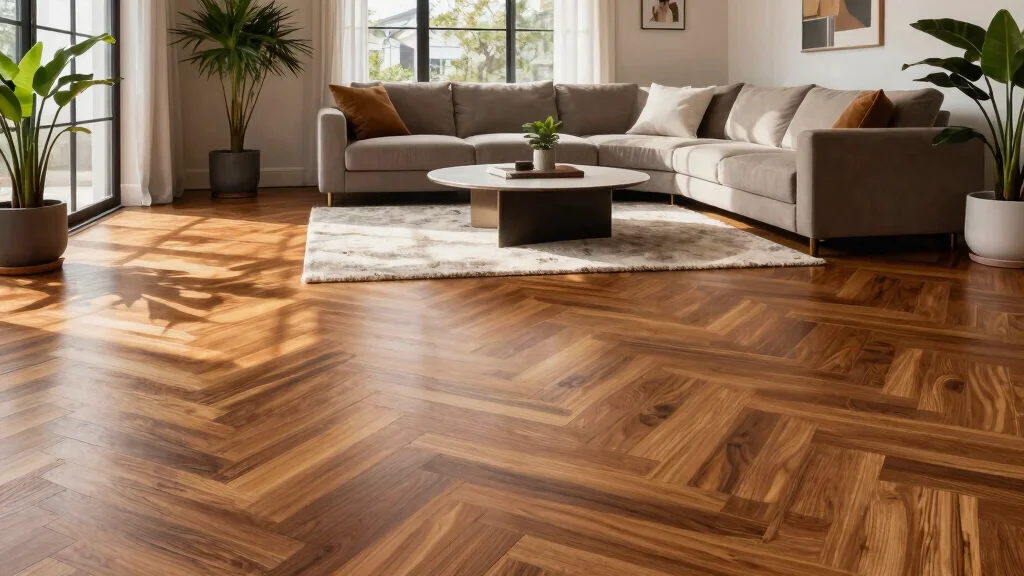


Herringbone floors have a unique charm that can transform any space into a timeless masterpiece. If you’ve been admiring the beauty of herringbone floor patterns, you’re not alone. Many homeowners and interior enthusiasts are turning to this classic design to elevate their living spaces. My motivation for creating this guide came from a deep appreciation for the aesthetic and sustainable aspects of herringbone flooring. With so many options available, I wanted to curate a selection that not only looks fantastic but also aligns with eco-friendly values.
This post is for anyone who loves home decor and desires a functional yet stylish flooring solution. Whether you are redecorating a single room or planning a complete overhaul, you’ll find inspiration here. If you care about sustainability as much as style, this guide will provide you with ideas that resonate with your values. You will discover 12 herringbone flooring ideas that feel fresh yet timeless, ensuring your home remains stylish for years to come.
Throughout this guide, you will explore various materials such as reclaimed wood and bamboo, alongside modern designs that push the boundaries of traditional layouts. Each layout idea I’ve outlined brings its own unique flair, making it easy to find one that suits your taste and lifestyle. Get ready to immerse yourself in the world of herringbone flooring and find your perfect match.
Key Takeaways
– Discover a range of sustainable materials for herringbone flooring, including reclaimed wood and eco-friendly bamboo, to suit your style and values.
– Explore luxurious options like marble and modern designs featuring concrete that cater to both classic and contemporary tastes.
– Find inspiration in bold color choices and minimalist black-and-white designs that can make a statement or blend seamlessly into your home.
– Learn about mixing materials for an eclectic look that adds character and depth to your flooring without compromising sustainability.
– Get practical tips on maintaining your herringbone floor, ensuring it remains a timeless feature in your home for years to come.
Recommended Products

Chic Design & Wood Texture - Classic herringbone pattern with realistic wood grain texture, combining classic charm with the rustic beauty of natural wood, add a touch of earthy warmth to your interiors.

REAL WOOD – Made of 100% dried fir wood imitating vintage reclaimed barnwood appearance for interior finish. The colors will vary from browns to grays depending on the batch.
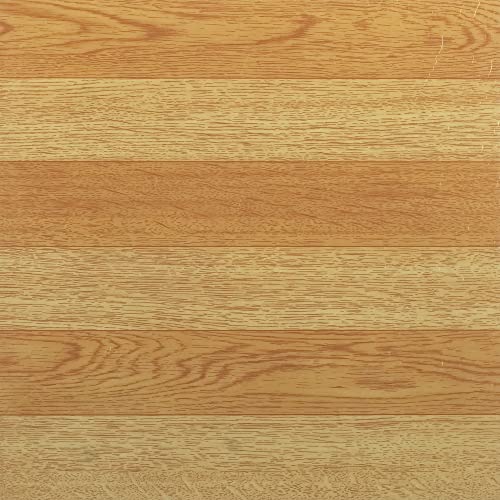
Nexus Vinyl Tiles: Refresh your home for a low cost and no hassle with the Nexus Vinyl Floor Tiles. Our tiles can be used in any room in your home including the kitchen, dining room, bedrooms, bathrooms, foyers, and basements. No messy glue or adhesives needed. Includes 20 vinyl tiles.
1. Reclaimed Wood for a Rustic Charm
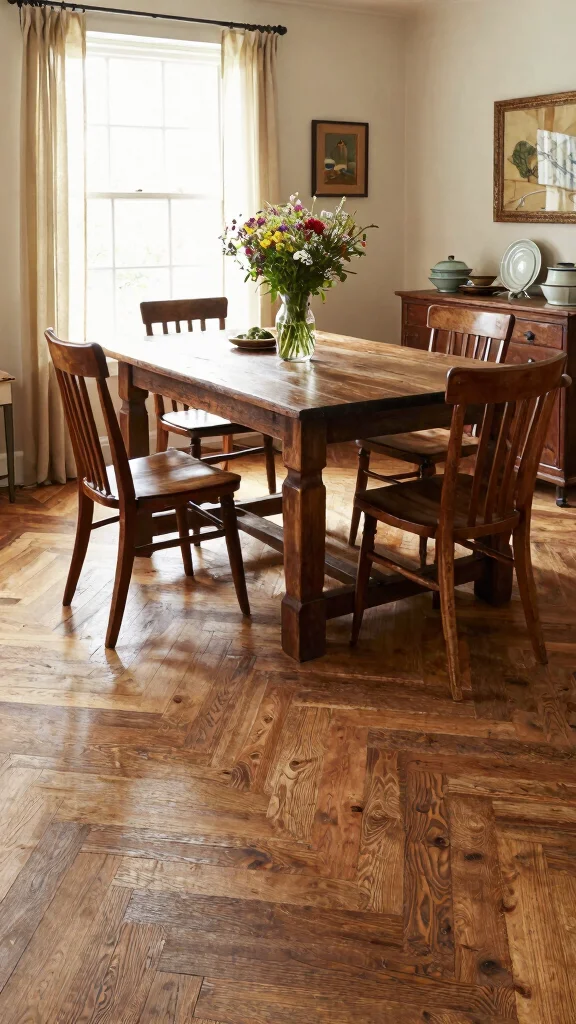
Reclaimed wood herringbone flooring is a breathtaking option for those who cherish rustic charm and sustainability. Each plank carries its own story, with distinct knots and weathered textures that infuse your space with character. Sourced from old barns or factories, this material not only breathes new life into wood but also promotes eco-friendliness by reducing waste.
Imagine this flooring gracing a dining room or an open-concept living area, inviting warmth and coziness. Pair it with vintage furniture or rustic decor elements to achieve a harmonious aesthetic.
Consider these elements to maximize this palette’s potential:
– Pair reclaimed wood with vintage furniture for a cohesive look.
– Install it in high-traffic areas like living rooms.
– Use matte finishes to highlight the wood’s natural beauty.
This approach enhances the inviting atmosphere while ensuring durability. The unique textures and materials create a cohesive, warm look throughout your home.
Recommended Products

Jeedeson Natural Carbonized Bamboo Flooring Jeedeson bamboo flooring is crafted from 100% natural bamboo,Each plank features slight variations in texture and color, a testament to its natural origin, ensuring your flooring is one-of-a-kind. Additionally, our solid bamboo construction allows for multiple sand-and-refinish cycles, ensuring durability and longevity for years to come.

🏠 Wood flooring tiles: Thickness is 0.06inch (1.5mm). Size 12x12 inch included 4 Tiles, made of vinyl. Light wood peel and stick floor tile, waterproof, removable, groutable, non slip, no special tools needed.

Genuine solid Teak wood (Tectona Grandis) in oil finish
2. Eco-Friendly Bamboo Options
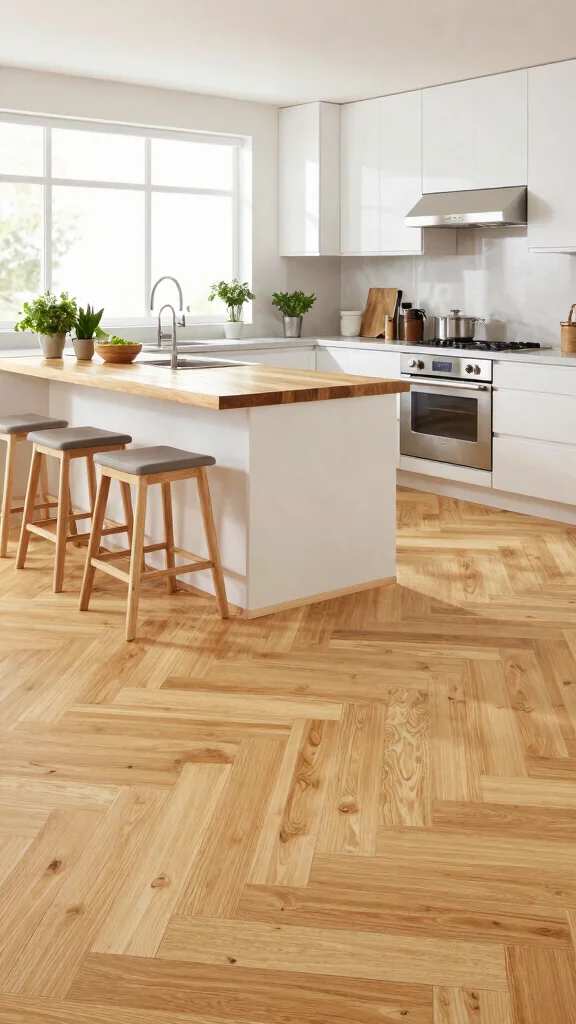
Bamboo stands out as a sustainable flooring option, especially when crafted into herringbone patterns. As a rapidly renewable resource, bamboo regrows quickly after harvesting while offering a natural hardness similar to hardwood. Its light tones and linear grains create a modern and elegant touch in interiors.
Utilizing bamboo in a herringbone design elevates the aesthetic, perfect for contemporary spaces. Pair it with light-colored furniture to maintain an airy, spacious vibe that’s ideal for smaller rooms.
Consider these design tips:
– Pair bamboo herringbone with minimalistic decor for a streamlined look.
– Install in kitchens or bathrooms for moisture resistance.
– Use light colors to enhance the feeling of space.
This flooring choice not only looks stunning but also supports eco-friendly design. Its natural beauty and durability add a fresh, modern touch to your home.
Recommended Products

Premium Grade 1x2 Herringbone White Carrara Marble Mosaic Tile. Italian Bianco Carrera White Venato Carrara Polished 1 x 2 Herringbone Mosaic Wall and Floor Tiles are perfect for any residential / commercial projects. The 1x2 Carrara White Marble Herringbone Mosaic Tile can be used for kitchen backsplash, bathroom flooring, shower surround, dining room, entryway, corridor, kitchen backsplash, spa, etc.

SPECIFICATION: Chip Size: 1"X3"; Sheet Size: 12.9" x9.0" x0.3"; 5 sheets/box, 4.0 SQFT.
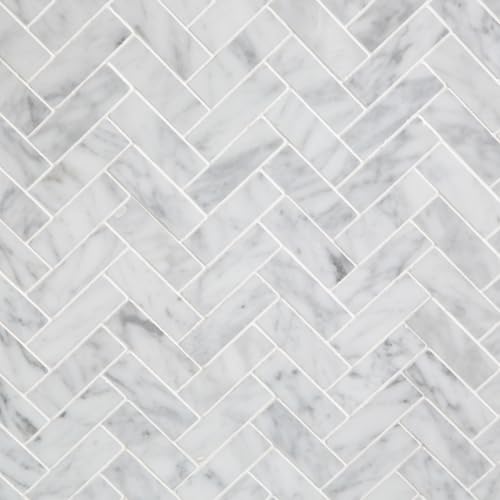
【Premium Quality】Natural italian carrara white marble, carefully selected, consistent in size and color.
3. Luxurious Marble Elegance
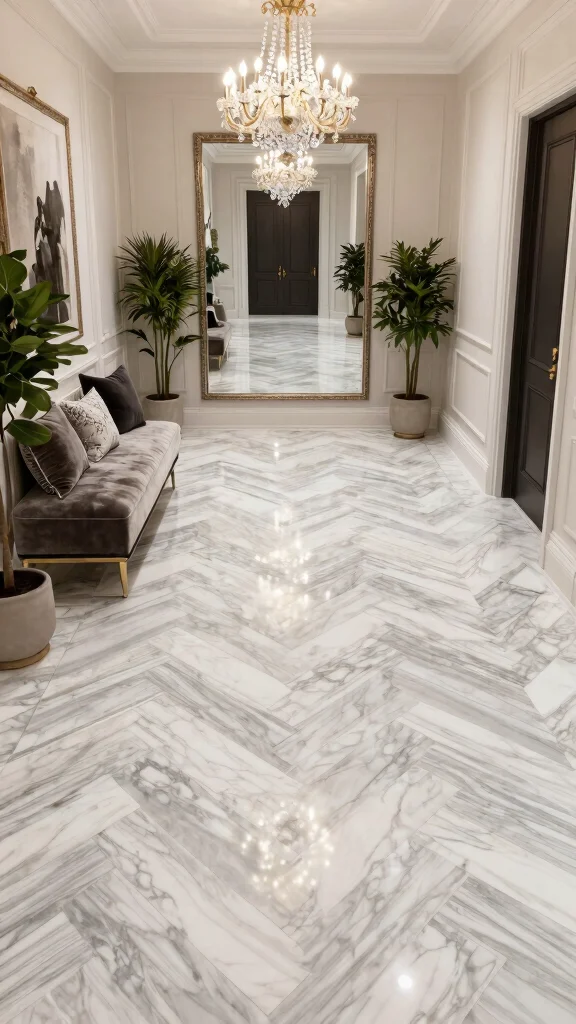
For those desiring an upscale touch, marble herringbone flooring offers a luxurious and sophisticated aesthetic. The natural veining and smooth finish of marble create a timeless look that enhances foyers, bathrooms, and upscale living areas. The herringbone design adds a sense of depth and structure, making it a statement piece in any room.
Complement marble with rich fabrics and metallic accents to amplify the elegance. Consider a statement chandelier to elevate the ambiance further.
Explore these key design elements:
– Pair lighter marble tones in smaller rooms for spaciousness.
– Use darker shades to create dramatic flair in larger spaces.
– Incorporate plush rugs to soften the look and add comfort.
This flooring radiates sophistication while ensuring a cool surface underfoot. Regular maintenance and sealing will keep its beauty intact for years to come.
Recommended Products

Chic Design & Wood Texture - Classic herringbone pattern with realistic wood grain texture, combining classic charm with the rustic beauty of natural wood, add a touch of earthy warmth to your interiors.

Chic Design & Wood Texture - Classic herringbone pattern with realistic wood grain texture, combining classic charm with the rustic beauty of natural wood, add a touch of earthy warmth to your interiors.
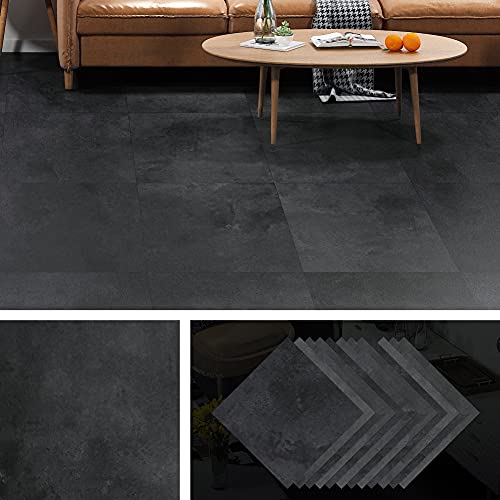
🏠Upgrade thickness: Size 12x12 inch included 16 tiles,thickness is 0.06in/tile, made of vinyl, concrete peel and stick floor tile waterproof, removable, groutable, not special tools needed. ⚠️Attention: Floor tile color may vary because under different lighting, pictures for reference only!⚠️
4. Modern Concrete Approach
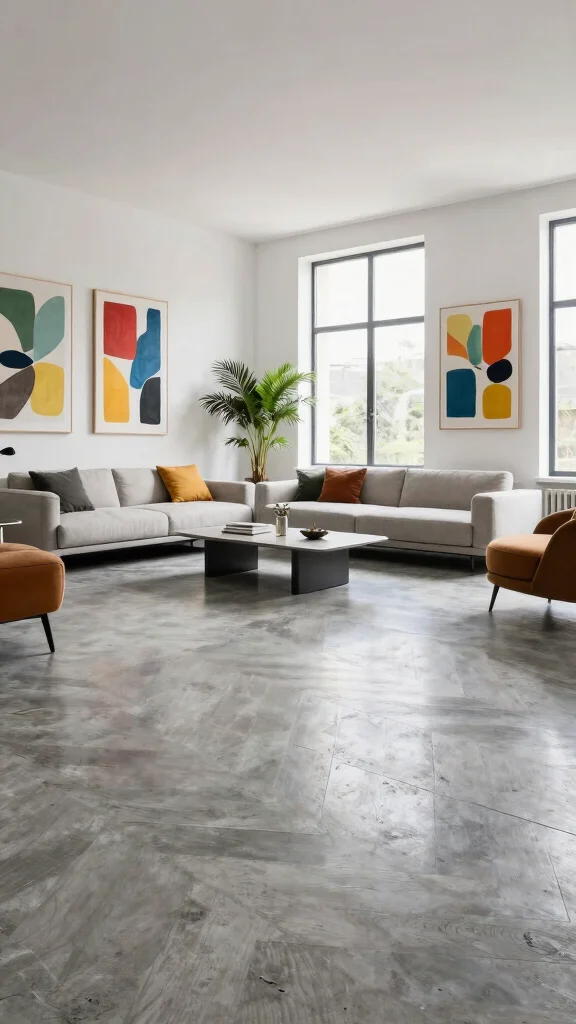
Concrete flooring is not just functional; it can also be extraordinarily stylish. A polished herringbone layout in concrete brings an industrial-chic vibe, perfect for modern lofts and urban homes. With options ranging from matte to glossy finishes, you can tailor the look to suit your style.
This minimalist flooring pairs beautifully with modern furniture and bold artwork, creating a sophisticated yet relaxed ambiance.
Consider these practical tips:
– Use color stains to personalize your concrete flooring.
– Incorporate geometric inlays for added visual interest.
– Blend with textiles to soften the overall look.
This approach brings a unique flair while maintaining durability. With proper installation, your concrete herringbone floor will stand the test of time.
Who knew concrete could feel so timeless? A herringbone floor pattern brings eco-friendly, industrial-chic character to modern spaces, while staying practical—easy to clean, hard-wearing, and endlessly adaptable with matte or glossy finishes.
Recommended Products

Nexus Vinyl Tiles: Refresh your home for a low cost and no hassle with the Nexus Vinyl Floor Tiles. Our tiles can be used in any room in your home including the kitchen, dining room, bedrooms, bathrooms, foyers, and basements. No messy glue or adhesives needed. Includes 20 vinyl tiles.

Nexus Vinyl Tiles: Refresh your home for a low cost and no hassle with the Nexus Vinyl Floor Tiles. Our tiles can be used in any room in your home including the kitchen, dining room, bedrooms, bathrooms, foyers, and basements. No messy glue or adhesives needed. Includes 20 vinyl tiles.
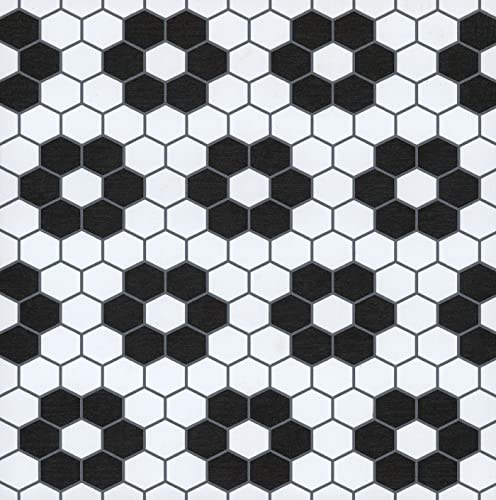
Black and white geometric floral peel and stick floor tiles
5. Timeless White Oak Elegance
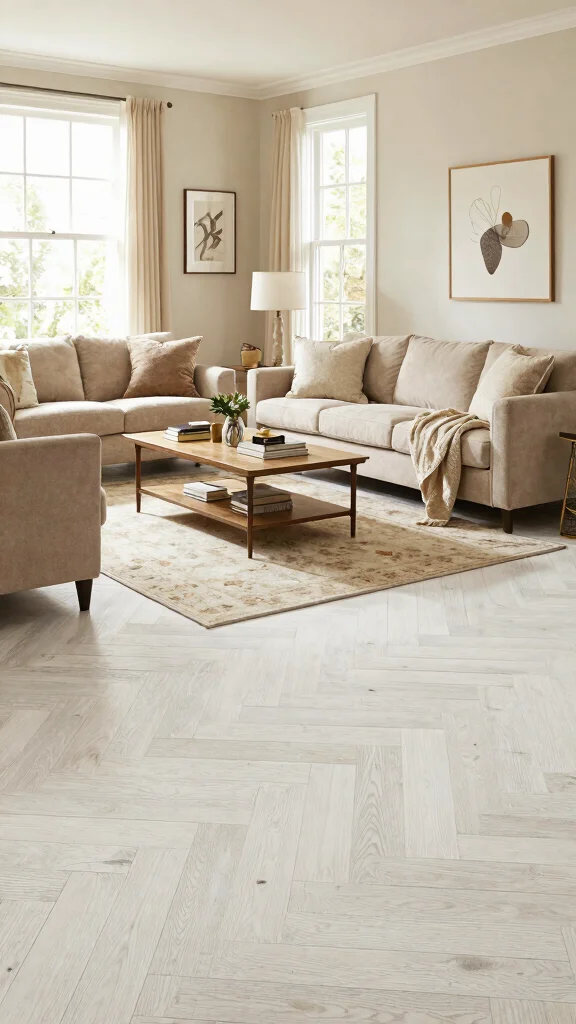
White oak is an enduring choice for herringbone flooring, celebrated for its resilience and stunning grain patterns. This hardwood radiates classic elegance, making it perfect for cozy yet refined spaces. Its light hues work harmoniously with various decor styles, from traditional to contemporary.
Choosing white oak herringbone flooring makes a notable statement while ensuring durability in high-traffic areas like living rooms and hallways.
Keep these points in mind:
– Stain to customize the finish to your preference.
– Use area rugs strategically to protect against wear.
– Incorporate warm tones to brighten spaces.
With proper care and refinishing, white oak maintains its timeless beauty. This flooring choice adds warmth and character to any room, ensuring a welcoming environment.
Recommended Products

WOOD GRAIN FLOOR MAT (16 Tiles,16 Sq ft, Pine) — Provides comfort and cushion to hard floor surfaces with classic faux wood finish — Includes 16 floor mat wood grain tiles to enhance the comfort and appearance of your space

Stylish - Authentic wood looking and grain texture, adding timeless feature for your home.

1 case of 36 Packs, 36 Count Total
Key Trade-offs & Our Top Pick
Option 1: Reclaimed Wood
– Pros:
– Offers a rustic charm that adds character to any space.
– Eco-friendly choice since it repurposes old wood and reduces waste.
– Each plank has a unique look, making your floor one-of-a-kind.
– Cons:
– Can be more expensive due to sourcing and labor.
– Requires regular maintenance to keep it looking its best.
– Not suitable for areas with high moisture, like bathrooms.
– Best for: Homes looking for a warm, inviting atmosphere with a touch of history.
Option 2: Bamboo Flooring
– Pros:
– Made from a fast-growing, renewable resource, making it very sustainable.
– Naturally resistant to moisture and insects, great for humid climates.
– Offers a sleek, modern look that fits well in contemporary homes.
– Cons:
– Can be susceptible to scratches and dents if not cared for properly.
– Some lower-quality options may not be as durable in the long run.
– Limited color choices compared to hardwood alternatives.
– Best for: Eco-conscious homeowners wanting a stylish and durable option.
Option 3: Marble Herringbone
– Pros:
– Provides a luxurious, elegant look that elevates any space.
– Extremely durable; can last a lifetime with proper care.
– Easy to clean and maintain, making it practical for busy homes.
– Cons:
– Can be very costly, especially for high-quality marble.
– Cold underfoot, which may not be ideal in colder climates.
– Slippery when wet, posing a safety risk in kitchens or bathrooms.
– Best for: Homeowners wanting a high-end feel and who are prepared for a higher price tag.
Option 4: Engineered Wood
– Pros:
– Offers the look of hardwood but is more stable in changing temperatures and humidity.
– Easier to install than solid wood, often with click-lock systems.
– More affordable than solid hardwood while still providing durability.
– Cons:
– Can’t be sanded and refinished as much as solid wood.
– Less authentic feel compared to traditional hardwood.
– May emit VOCs (volatile organic compounds) if not properly certified.
– Best for: Families needing a practical yet stylish flooring solution.
Expert Recommendation:
Best Overall: Reclaimed Wood
Reclaimed wood is our top choice for most people because it combines sustainability with character. Its unique appearance can suit various interior design trends, from rustic to modern. While it may require a bit more upkeep, the charm and eco-friendliness it offers are hard to beat. Plus, it tends to keep its value over time, making it a smart investment for your home.
Why We Picked This:
We chose reclaimed wood as the best overall option since it appeals to those who value both style and sustainability. However, if you’re looking for a more affordable or low-maintenance option, bamboo flooring might be your best bet. If luxury is your goal, consider marble. Finally, engineered wood is excellent for families who want a practical and beautiful solution. Each option has its strengths and weaknesses, so consider your specific needs and lifestyle when making a choice.
Recommended Products

Stylized Flooring Solution - Forest Floor Premium Wood Grain Foam Floor Tiles come in interlocking EVA foam tiles, available in 24" x 24" x 3/8" thickness, with a wood grain appearance for a stylized look in any room.

Enhanced Safety Features: Designed with an anti-skid backing, our bamboo floor mat firmly grips the ground, providing a secure and stable surface that prevents any slipping or sliding. The 1.6" wide protective border not only adds a decorative touch but also ensures your feet are protected from any discomfort. You can confidently walk or stand on this mat without any worries.
6. Bold Colored Herringbone
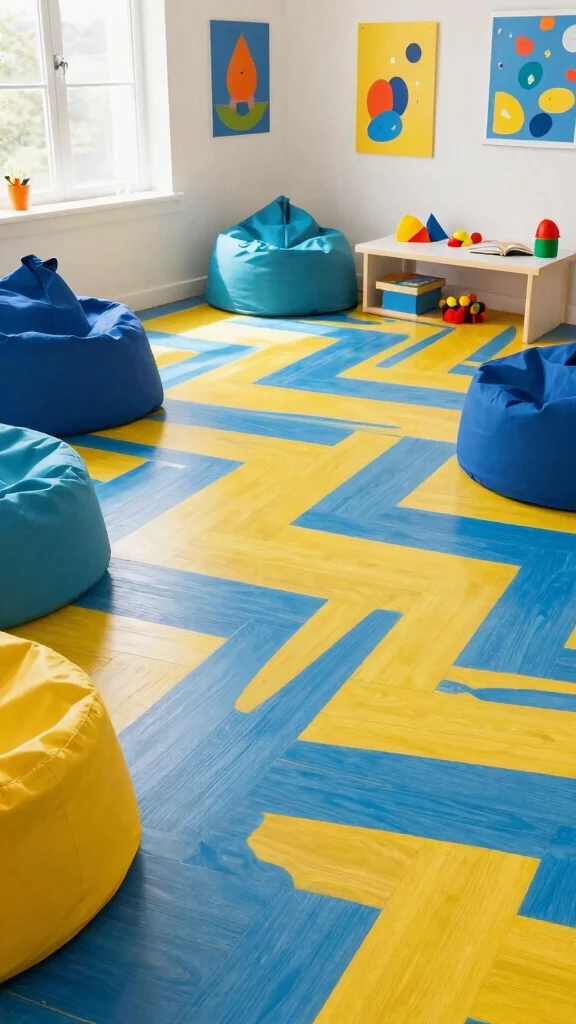
For those eager to make a statement, bold colors in herringbone flooring can truly transform a room. Deep navy, rich emerald, or vibrant reds can infuse spaces with dramatic flair, perfect for moving beyond traditional neutrals.
In creative areas like playrooms or studios, colorful herringbone flooring sparks inspiration and joy. Pair it with lighter walls to let the flooring shine.
Consider these vibrant options:
– Use deep hues in playful spaces for added cheer.
– Pair bold colors with minimalistic decor for balance.
– Incorporate bright accents to enhance the overall theme.
While bold colors invigorate, it’s essential to maintain harmony in the room’s decor. A colorful herringbone floor can truly elevate the ambiance, making any space feel dynamic and inviting.
Bold, colorful herringbone floor pattern can instantly transform a room—start with deep navy or emerald, then balance with light walls. In playrooms and studios, a vibrant hue sparks joy and inspires creativity, while simple furniture keeps the focus on the floor.
Recommended Products

Marble inspired peel and stick floor tiles with a checkerboard styling

Premium Grade White Carrara Marble Hexagon Mosaic Tile. Italian Bianco Carrera White Venato Carrara Honed 2 inch Hex Mosaic Wall and Floor Tiles are perfect for any residential / commercial projects. The 2 inch Carrara White Marble Hexagonal Mosaic Tile can be used for kitchen backsplash, bathroom flooring, shower surround, dining room, entryway, corridor, kitchen backsplash, spa, etc.

11.8 in. width x 10.8 in.length x 6mm thickness, 5 sheet per box, coverage 3.5 sq.ft. Please note that purchasing a minimum of 10% overage to account for design cuts and patterns.
7. Minimalist Black and White
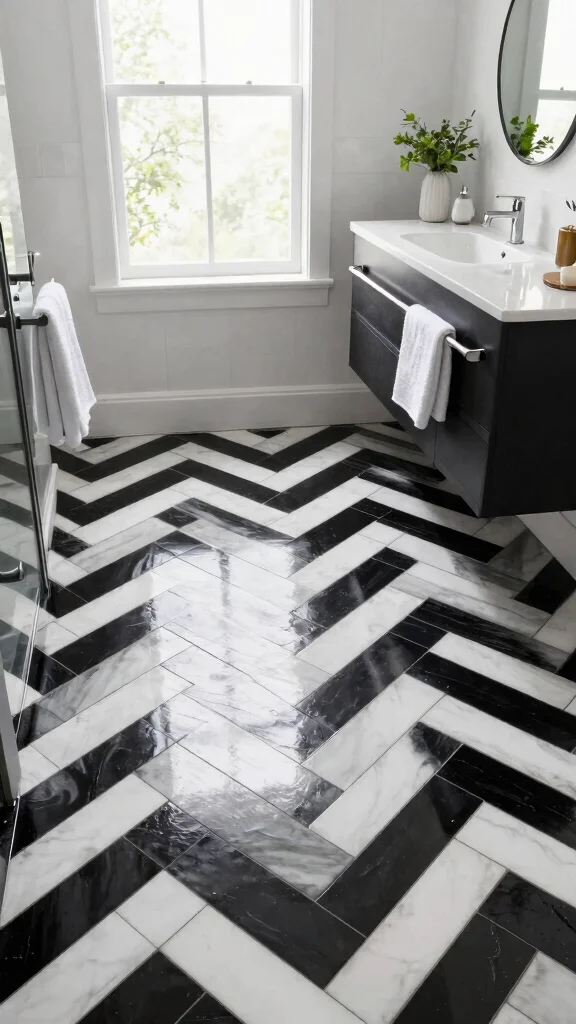
For a chic and modern aesthetic, black and white herringbone flooring is an excellent choice. This classic color combination creates a striking contrast that suits contemporary interiors looking for a bold statement. Whether using sleek black tiles with pristine white or exploring various textures, the outcome is effortlessly stylish.
This flooring looks stunning in kitchens and bathrooms, offering a clean, refreshed aesthetic. Pair it with modern fixtures to achieve a cohesive look.
Explore these styling tips:
– Use contrasting decor to enhance the black and white theme.
– Incorporate textures for added depth.
– Create a seamless flow with minimalist furnishings.
By focusing on contrast, you can elevate the elegance of any space. A black and white herringbone floor adds a touch of sophistication without overwhelming the room.
Recommended Products

𝗨𝗽𝗴𝗿𝗮𝗱𝗲𝗱 𝗠𝗮𝘁𝗲𝗿𝗶𝗮𝗹 - Crafted from durable stone composite, these floor tiles feature a 4mm rigid core and a 0.3mm wear layer. Each tile measures 10.8" x 9.3", with 12 tiles per box covering 8.4 sq. ft. Experience the authentic feel and stability of real ceramic tile, without the hassle—truly a step up from standard peel-and-stick vinyl flooring.

Realistic Visual Effects: SULSUMIC flooring faithfully replicates authentic wood grain and natural hues, offering a look and feel that rivals solid wood. It instantly elevates your home’s aesthetics, creating a warm and comfortable living space

Straight from a popular Chicago neighborhood, this redefined classic is tough to beat. Well-worn, textured masonry in herringbone layout. Slight brick undulations for authentic surface presentation.
8. Eclectic Mixed Materials
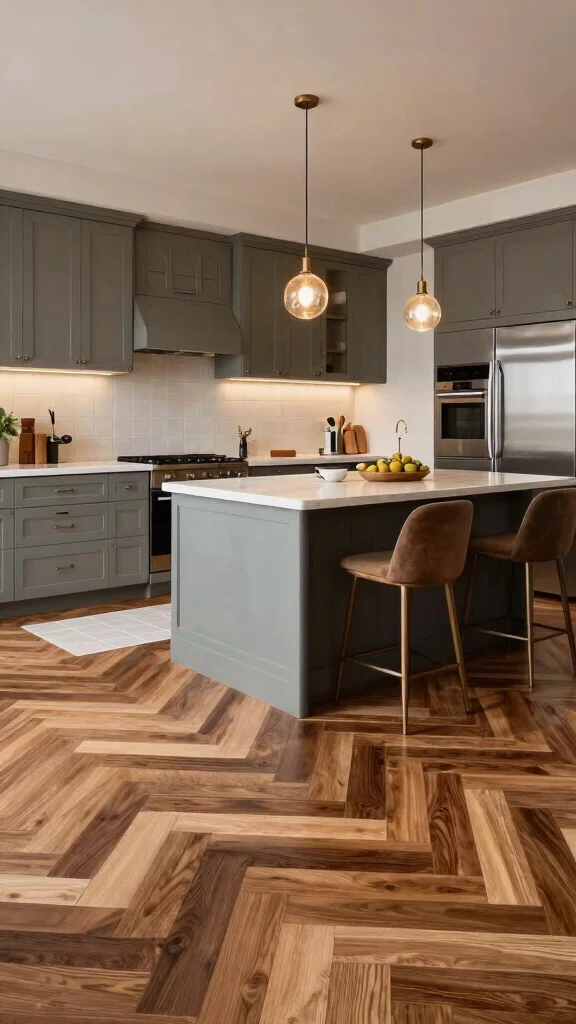
For a truly distinctive herringbone flooring design, consider mixing materials. Combining wood with tiles or metal accents can create a standout floor that captures attention and blends styles seamlessly. This approach allows for creative expression while maintaining the timeless herringbone pattern.
Imagine a kitchen featuring hardwood herringbone flooring with interspersed ceramic tiles, providing warmth and durability. This eclectic mix enables personalization that resonates with your style and home theme.
Here are some ideas to consider:
– Mix textures to enhance visual interest.
– Use durable materials in high-traffic areas.
– Incorporate colors that complement your overall decor.
By blending materials, you can create a unique flooring design that reflects your personality. This approach works beautifully in transitional spaces, making a stylish statement while ensuring practicality.
Fun fact: Mixing wood and ceramic tiles in a herringbone floor pattern boosts durability in busy kitchens by up to 20%. It stays timeless, cuts waste, and lets you tailor textures—without losing the classic, eco-friendly charm.
Recommended Products

Premium Grade Wildflower Rain Flower Nero Marquina Black Marble Waterjet Mosaic Tile. Nero Marquina Black Marble & Carrara White Marble & Bardiglio Gray Marble Honed 12 x 12 Wildflower Rain Flower Mosaic Wall and Floor Tiles are perfect for any residential / commercial projects. The Nero Marquina Black Marble Wildflower Rain Flower Mosaic Tile can be used for bathroom flooring, shower surround, kitchen backsplash, corridor, spa, etc.

Farmhouse inspired black and white peel and stick floor tile
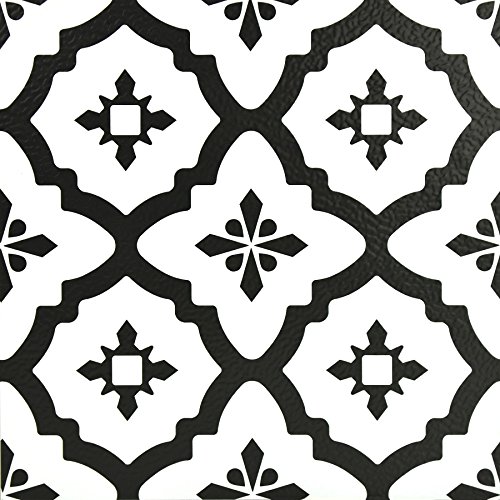
Black and white peel and stick floor tile
9. Outdoor Herringbone Flooring
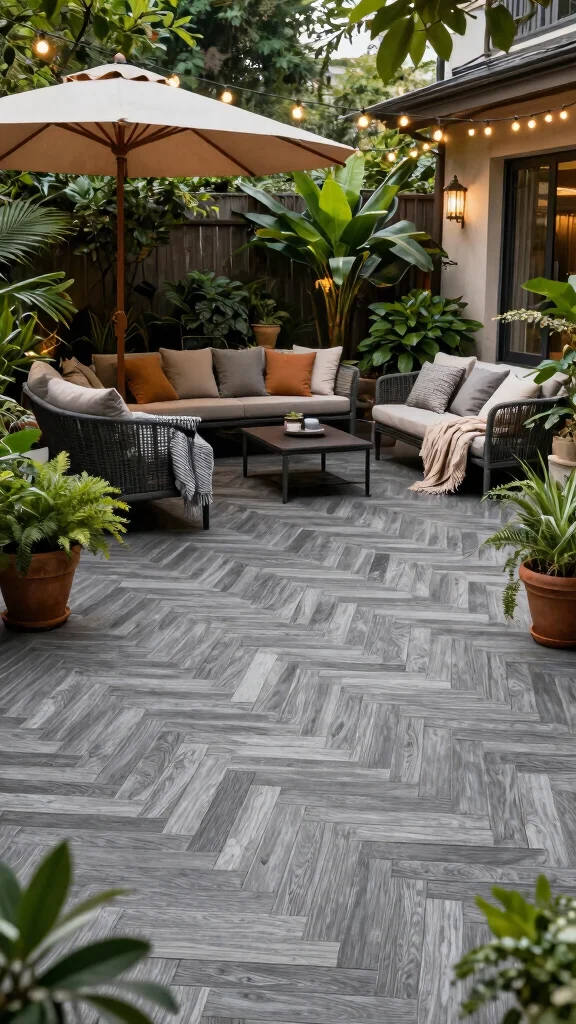
Herringbone designs can enhance your outdoor areas just as much as indoors! Using weather-resistant materials like composite decking or stone allows for a stunning outdoor herringbone floor that blends seamlessly with the natural surroundings.
The herringbone pattern adds visual interest outdoors, making patios, decks, or walkways feel more intentional and inviting. Whether hosting gatherings or enjoying quiet evenings, a well-designed outdoor floor enhances your experience.
Consider these benefits:
– Expand your living space into the outdoors.
– Choose durable materials for long-lasting use.
– Enhance aesthetics to encourage outdoor exploration.
When designing outdoor herringbone flooring, think about how it interacts with landscaping. Well-placed greenery or outdoor furniture can create an inviting atmosphere for enjoying fresh air.
10. Vintage Charm with Distressed Finishes
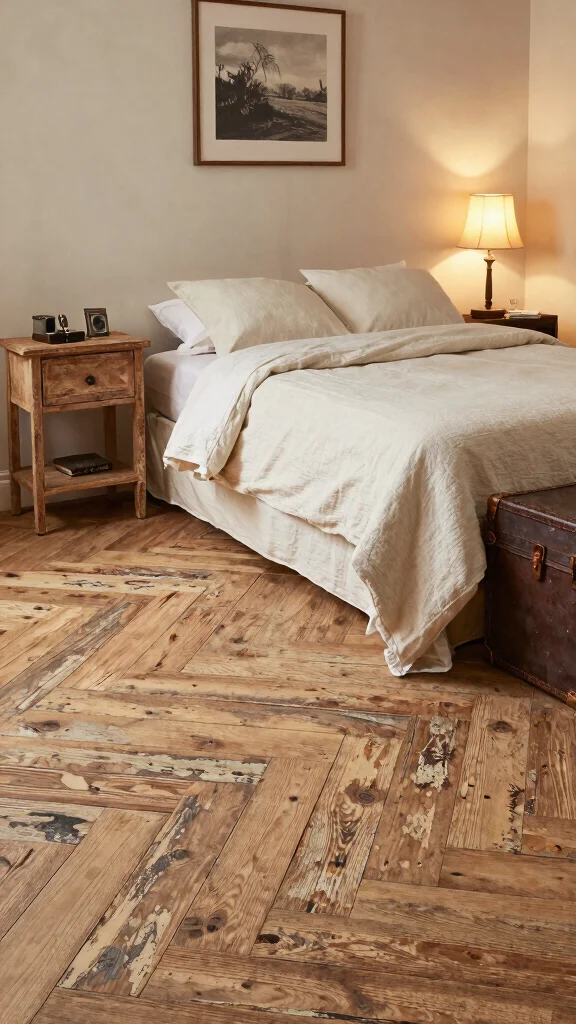
If you desire a herringbone floor that feels lived-in and full of stories, distressed finishes are the way to go. This technique creates an aged, vintage look that brings warmth and character to your space. It suits traditional or rustic-themed interiors beautifully, fostering an inviting atmosphere.
Consider distressed herringbone flooring in living rooms or bedrooms to establish a cozy environment. The unique textures and imperfections breathe life into your home, making it feel authentic.
Here are key considerations:
– Emphasize a cozy, lived-in charm.
– Pair with antique furnishings for a harmonious look.
– Ensure each floor has its unique character.
To enhance the vintage feel, combine distressed herringbone with vintage decor pieces, creating a narrative that makes your space one of a kind.
11. Geometric Play with Herringbone
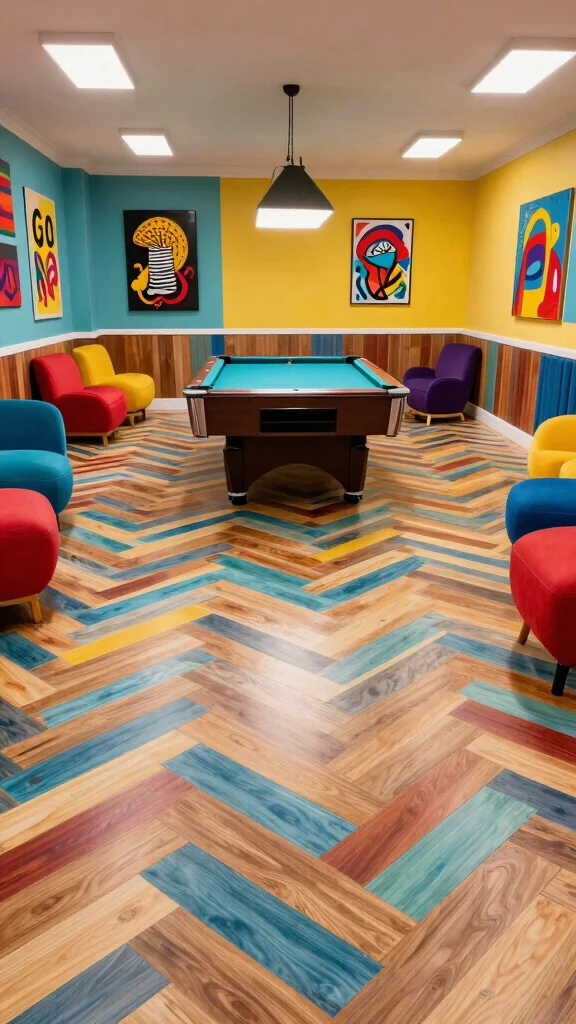
For those looking to elevate herringbone flooring, incorporating geometric shapes adds a playful twist. This design approach introduces visual excitement while maintaining the classic herringbone motif, perfect for modern homes.
Using different colors or materials, you can create captivating geometric patterns that enhance your space’s creativity and flair.
Consider these playful ideas:
– Experiment with various colors to add visual interest.
– Use geometric designs in fun, creative spaces.
– Create patterns that reflect your personality and style.
Implement geometric herringbone in game rooms or studios to spark creativity and playfulness. The possibilities are endless, allowing you to craft a floor that truly represents your unique vision.
12. Photographic Herringbone Prints
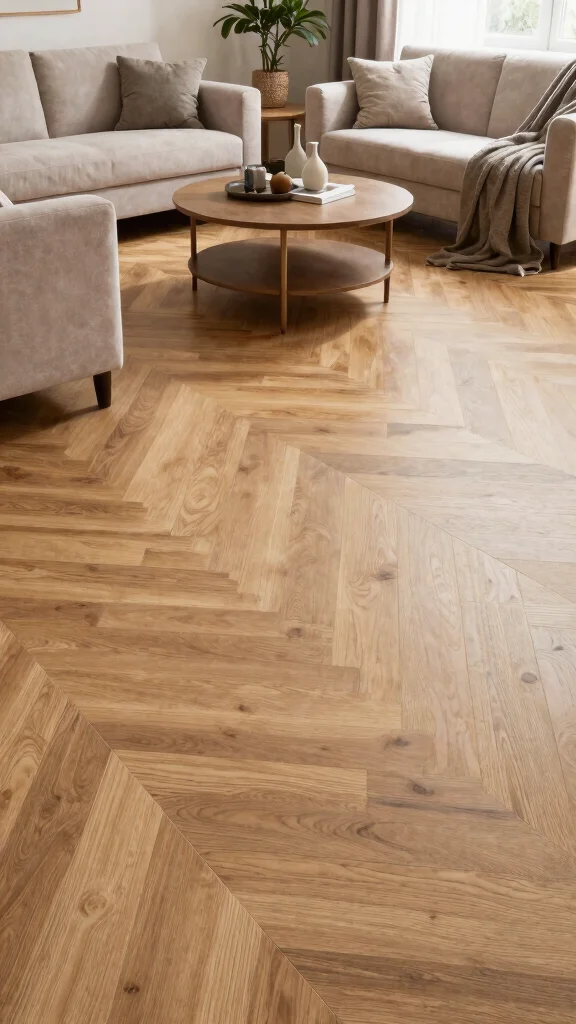
For an innovative twist, consider herringbone prints that mimic natural materials. High-quality photographic images can be printed onto tiles or flooring, offering the look of wood or stone without compromising sustainability.
This approach allows you to maintain the beloved herringbone pattern while easily achieving your desired aesthetic. It’s particularly effective in high-traffic areas like kitchens, where durability is essential.
Explore these eco-friendly benefits:
– Choose prints that reflect your style and preferences.
– Create unique, visually striking designs.
– Opt for low-maintenance options for busy areas.
Photographic herringbone prints can transform your home, ensuring your flooring choice remains timeless and functional while adding a unique touch.
Conclusion
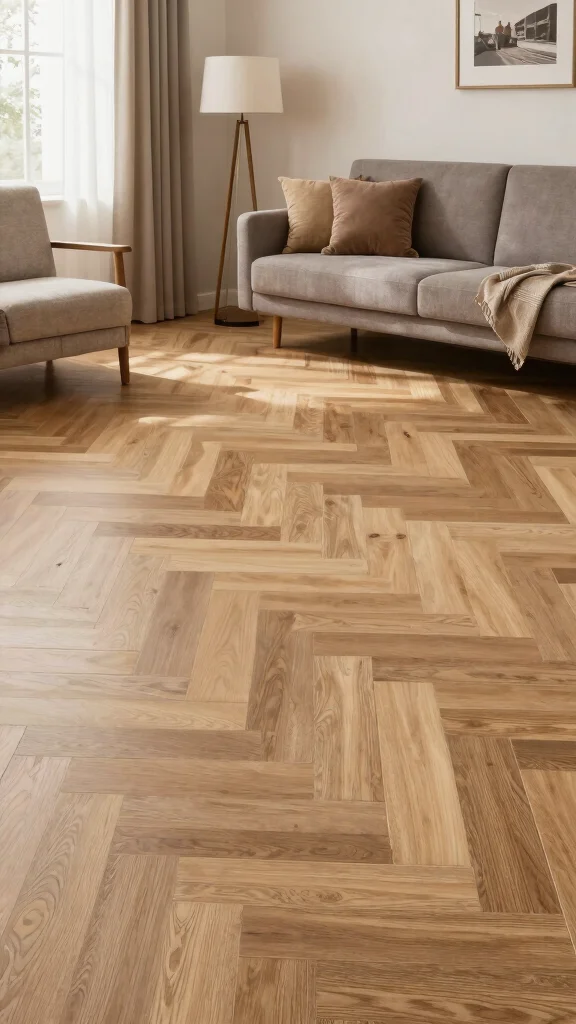
As you wrap your head around these herringbone flooring ideas, remember that the options are vast and customizable. Each layout reflects not only timeless style but also sustainable choices that honor our planet. Embracing eco-friendly materials lets you create a space that’s both beautiful and responsible.
From reclaimed wood to bold colors and innovative designs, there’s a herringbone pattern out there to suit your unique taste and lifestyle. Don’t hesitate to explore these ideas and transform your home into a timeless masterpiece.
Note: We aim to provide accurate product links, but some may occasionally expire or become unavailable. If this happens, please search directly on Amazon for the product or a suitable alternative.
This post contains Amazon affiliate links, meaning we may earn a small commission if you purchase through our links, at no extra cost to you.
Frequently Asked Questions
What are the best eco-friendly materials for a herringbone floor pattern to keep it timeless?
Choosing eco-friendly materials for a herringbone floor pattern keeps your space timeless and kind to the planet.
Look for FSC-certified hardwood or sustainably sourced engineered options, like bamboo or cork.
Reclaimed wood can add warm character while reducing new resource use.
For a more modern eco-friendly approach, consider recycled-content engineered hardwood with a low-VOC finish.
Always verify certifications (FSC/PEFC), prefer water-based or UV-cured finishes, and check formaldehyde emissions ratings.
With the right materials, your herringbone floor pattern stays timeless and greener.
How can I design a space with a herringbone floor pattern that feels timeless and modern?
To design a space with a herringbone floor pattern that feels timeless and modern, start with a calm, neutral palette and let the pattern be the hero.
Choose herringbone floor design elements like classic oak with a light stain for modern herringbone patterns that still feel timeless, or go darker for drama.
Consider plank width and room size: narrower boards in small rooms and wider boards in large rooms create different scales while staying cohesive.
Plan the layout to align with architectural features and natural light, and pair with minimalist furniture to keep the look timeless and in line with current interior design trends.
What installation tips ensure a flawless herringbone floor pattern look in both small and large rooms?
Proper installation is key to a flawless herringbone floor pattern look, whether in small spaces or expansive rooms.
Start with a flat, dry subfloor and let the boards acclimate to the room’s humidity for several days.
Plan a center starting line and use a chalk grid to keep every piece aligned in the herringbone floor pattern layout. Choose the right method (glue-down, nail-down engineered, or click-lock) per your product, and follow the manufacturer’s expansion gaps to preserve timeless floor layouts.
Pre-cut corner pieces, steady clamps, and professional help if needed will ensure precise angles and a seamless finish.
How do I maintain a sustainable herringbone floor so it stays radiant and eco-friendly?
Keep your sustainable herringbone floor looking radiant with a simple routine: dry dust or vacuum with a floor-safe attachment, then clean with a damp mop and a mild, wood-friendly cleaner.
Avoid excess water and harsh chemicals to protect the finish and the eco-friendly materials. Use felt pads on furniture, and place doormats at entryways to cut down on grit.
Maintain humidity around 35–50% to prevent gaps and warping, and choose low-VOC refinishing products when needed to keep interiors aligned with interior design trends while staying sustainable.
How does a herringbone floor pattern fit with interior design trends and timeless floor layouts?
Whether you call it a herringbone floor pattern or a herringbone flooring ideas, this layout anchors a room with classic motion while staying in step with interior design trends.
It pairs beautifully with natural materials and a mix of textures, from stone countertops to matte metals, and it adapts to both timeless floor layouts and contemporary spaces.
For a timeless look, keep a neutral palette and let the pattern lead; for a modern twist, choose a deeper stain or higher-contrast boards while balancing with simple furniture and clean lines.
With thoughtful scale, lighting, and furniture, the herringbone floor design remains versatile across different interior design trends.
Related Topics
herringbone flooring
eco-friendly design
sustainable materials
timeless layouts
modern herringbone
interior design trends
beginner friendly
flooring ideas
home decor styles
vintage herringbone
creative patterns
luxury interiors