Expert Home Style – For the Price of a Coffee ($3.90)
Master high-end design secrets (Tuscan, Modern) without the expensive consultants.
🛒 Buy NowCreating a small minimalist living room can often feel like a daunting task, especially in today’s world where we crave simplicity but often find ourselves surrounded by clutter. This post is inspired by the universal desire for a cozy, stylish space that maximizes every square inch. I wanted to gather practical ideas that not only look great but can also help you reclaim your living area from chaos.
If you’re someone who lives in a cozy apartment or simply enjoys a minimalist lifestyle, these tips are for you. Whether you’re downsizing, decluttering, or just dreaming of a more organized space, you’ll find something here to inspire your next decor project. This list includes 19 small minimalist living room ideas that are practical, appealing, and perfect for making the most of limited space.
You’ll discover how to choose space-saving furniture, embrace natural light, and incorporate smart storage solutions. With these ideas, you can create a living room that feels airy and inviting while reflecting your personal style. So, let’s dive in and explore how to transform your space into a minimalist haven!
Key Takeaways
– Multi-Functional Furniture: Invest in furniture that serves more than one purpose, like a sofa bed or an ottoman with storage, to save valuable space.
– Natural Light: Maximize natural light by using sheer curtains and mirrors, making your small space feel larger and more open.
– Light Color Palettes: Opt for light and neutral colors to create a soothing environment that visually expands your living room.
– Vertical Storage Solutions: Utilize wall space for shelves and cabinets to keep your floor clear and organized while showcasing decor.
– Clutter-Free Living: Commit to a minimalist lifestyle by regularly decluttering and choosing accessories that add value without overwhelming the space.


Contents
- 1. Use Multi-Functional Furniture
- 2. Embrace Natural Light
- 3. Opt for Light Color Palettes
- 4. Incorporate Vertical Storage
- 5. Choose Minimalist Accessories
- 6. Go for a Statement Rug
- 7. Keep It Open
- 8. Incorporate Built-In Seating
- 9. Utilize Compact Coffee Tables
- 10. Create a Cozy Corner
- 11. Incorporate Wall Art Strategically
- 12. Use Floating Shelves
- 13. Limit Patterns
- 14. Create Defined Zones
- 15. Minimalist Lighting Fixtures
- 16. Use Rugs to Define Spaces
- 17. Personal Touches with a Minimalist Approach
- 18. Use Plants for Natural Decoration
- 19. Keep It Clutter-Free


1. Use Multi-Functional Furniture
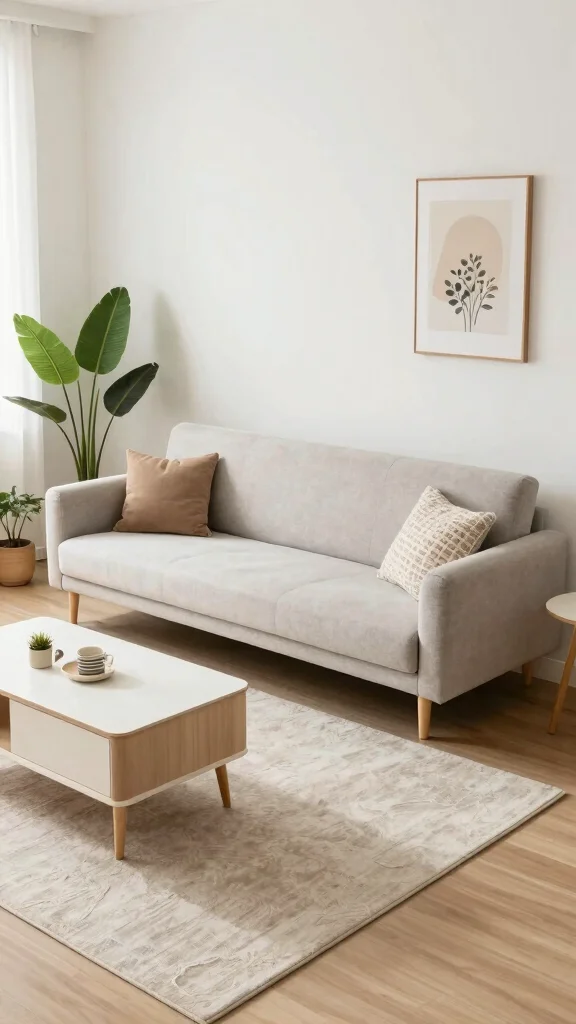
In small minimalist living rooms, multi-functional furniture is a true lifesaver. This design principle emphasizes the importance of furniture pieces that serve dual purposes, such as a sofa bed that transforms into a guest bed or an ottoman that provides hidden storage. These clever selections enhance visual harmony while effectively maximizing your available space.
To implement this concept, consider investing in pieces that combine style and utility. For example, a sleek coffee table with built-in shelving can keep your essentials organized and accessible. This approach aligns with current trends in minimalism, offering both practicality and aesthetic appeal.
Key Benefits:
– Choose a sofa bed for extra sleeping space.
– Opt for an ottoman that doubles as storage.
– Use a coffee table with hidden shelves.
This strategy allows your living room to look chic while functioning effectively, creating a space that feels both stylish and spacious.


2. Embrace Natural Light
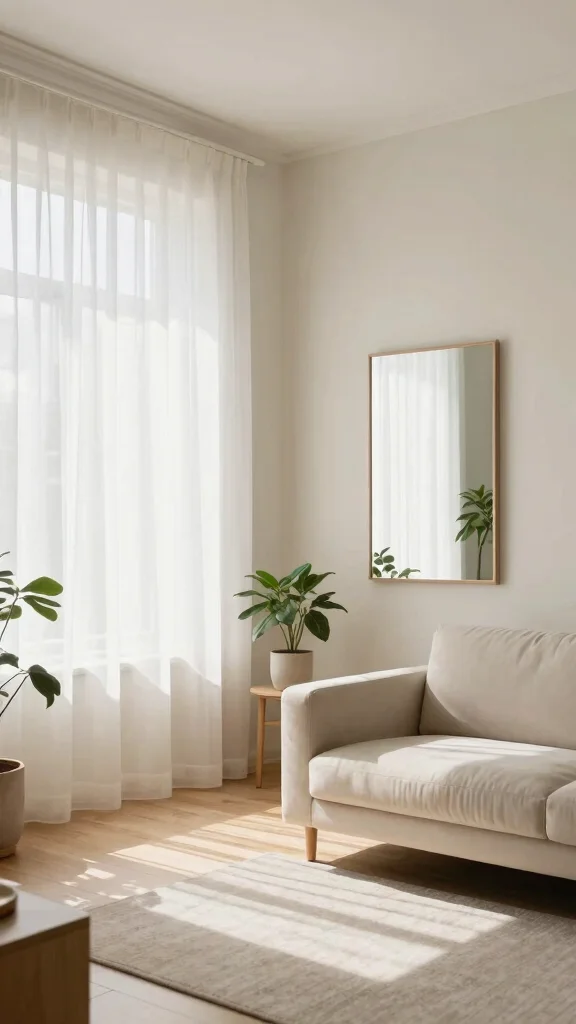
Harnessing natural light is vital for making a small living room feel airy and expansive. Maximizing large windows with minimal window treatments, like sheer curtains, allows light to flood in while maintaining your privacy. This simple approach not only enhances the space but also creates a warm and inviting atmosphere.
Additionally, strategically placing mirrors opposite windows can reflect light, further enlarging the room’s appearance. This technique adds a touch of elegance while brightening up darker corners, connecting the interior with the outdoors.
Benefits of Natural Light:
– Boost your mood with natural brightness.
– Create a visually expansive environment.
– Save energy by reducing daytime lighting needs.
Allowing natural light to pour into your living space can significantly enhance its openness, making it feel fresh and welcoming.




3. Opt for Light Color Palettes
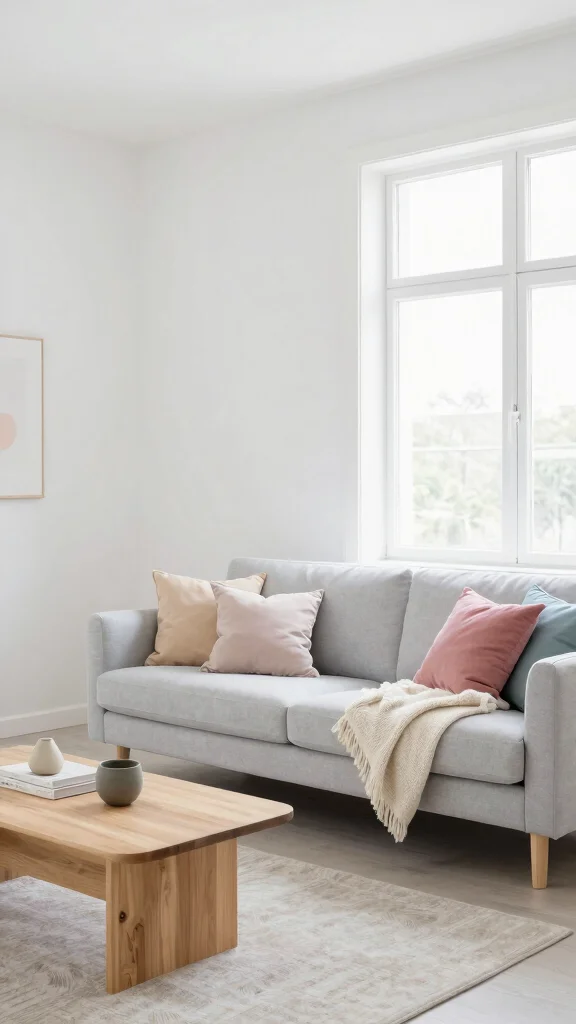
A light color palette is essential in a small minimalist living room, as it fosters an open and airy ambiance. Soft whites, light grays, and gentle pastels create a serene atmosphere while visually expanding the space. You can enhance this effect by using light-colored furniture, which helps maintain a cohesive and inviting look.
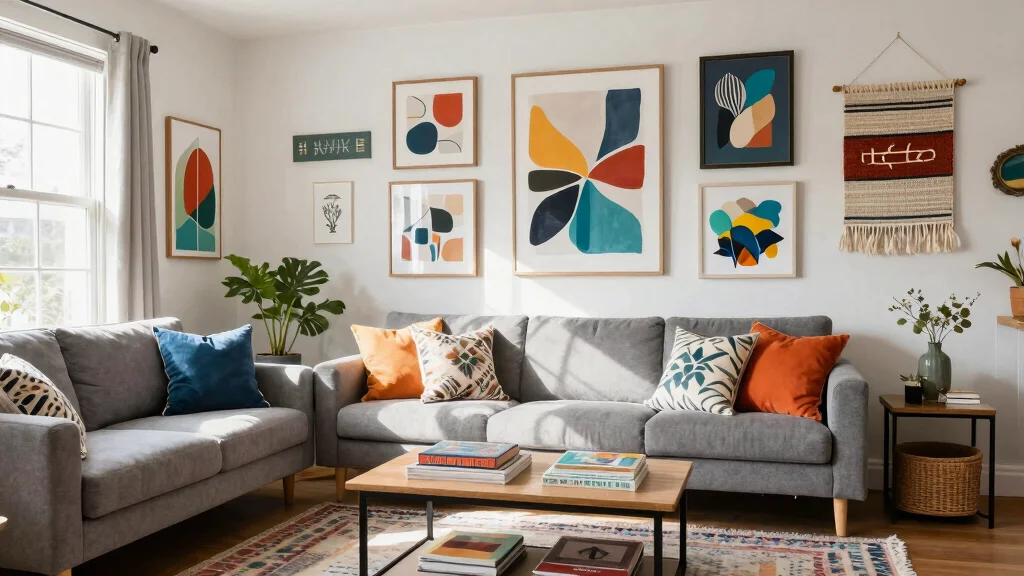
Accent your room with vibrant accessories like cushions or artwork to introduce playful color without overwhelming the design. This contrast makes the space feel lively while keeping the overall aesthetic calm and balanced.
Benefits of Light Colors:
– Reflect more light for a spacious feel.
– Enjoy a timeless, modern aesthetic.
– Easily complement colorful accents.
Choosing a light color palette can lead to a harmonious living area that feels both chic and spacious.
Fun fact: In a small minimalist living room, light whites and pale grays can make the space feel up to 20% larger. Keep furniture light-colored for cohesion, then add vibrant cushions or artwork for a pop without clutter.
4. Incorporate Vertical Storage
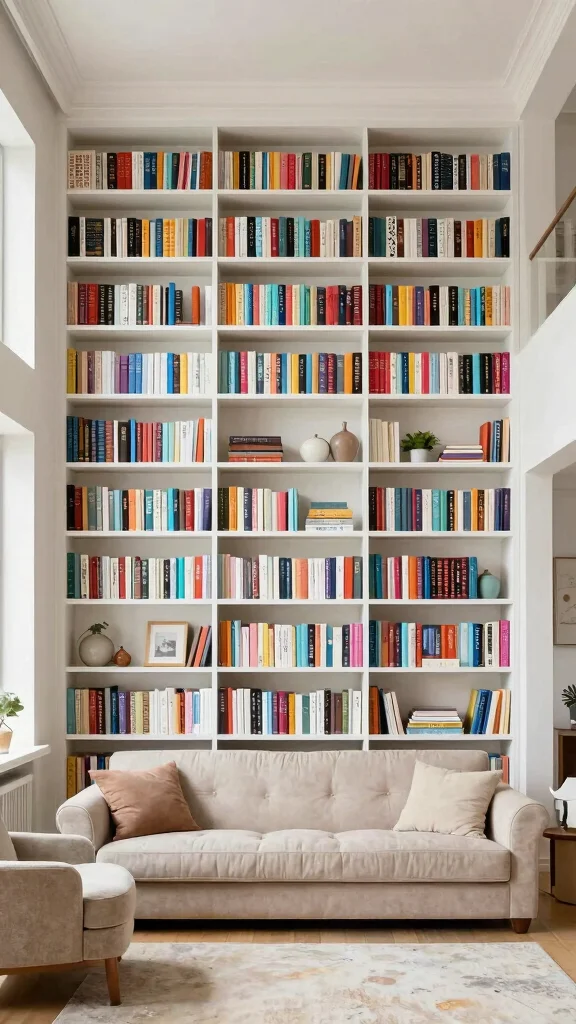
In compact living spaces, vertical storage is a brilliant strategy for maximizing every square inch. Tall bookshelves or wall-mounted cabinets can effectively utilize vertical space, keeping the floor clear and organized. This not only provides ample storage but also draws the eye upwards, creating the illusion of a taller ceiling.
Use bookshelves to display a blend of books, plants, and decorative items, making them both functional and visually appealing. This approach aligns with minimalism’s principles by emphasizing efficient use of space while adding character to your home.
Benefits of Vertical Storage:
– Free up floor space for a clutter-free look.
– Act as a stylish focal point in the room.
– Keep essentials organized and within reach.
By integrating vertical storage solutions, you can maintain an open living area while keeping all your essentials elegantly at hand.
Vertical storage is your best friend in a small minimalist living room. Stack tall bookshelves or wall cabinets to keep floors clear, then mix books, plants, and decor for a calm, functional focal point. Pro Tip: Use varying heights to draw the eye upward and feel taller.
How To Choose Space-Saving Furniture for Your Small Minimalist Living Room
Choosing the right space-saving furniture is essential for creating a small minimalist living room that feels open and inviting. Below are key criteria to consider to maximize your space while keeping the minimalist aesthetic intact.
1. Size Matters
When selecting furniture, consider the dimensions of your space. Measure your living room to ensure that the furniture fits comfortably without overcrowding. Look for pieces that are appropriately scaled for your area. For instance, a slim sofa or a loveseat can work wonders in tight spaces compared to bulky, oversized couches.
2. Multi-Functional Features
Opt for furniture that serves more than one purpose. A coffee table with storage can help keep your living room clutter-free. Consider a sofa bed that can transform into a guest bed or an ottoman that doubles as seating and storage. These versatile pieces maximize functionality without compromising style.
3. Material Choices
Select lightweight materials for ease of movement. Wooden or metal frames are sturdy yet often lighter than solid wood. Fabrics like linen or cotton are easy to clean and maintain, making them ideal for small spaces. Additionally, consider materials that reflect light, such as glass or polished surfaces, which can create an illusion of a larger space.
4. Minimalist Design
Stick to clean lines and simple shapes that embody minimalist interior design principles. Avoid intricate patterns and excessive detailing. Instead, choose pieces with a sleek, modern aesthetic that contribute to the open feel of your living room. Neutral colors like whites, grays, and beiges can help maintain a calm and airy atmosphere.
5. Storage Solutions
Incorporate furniture that offers hidden storage options. Look for beds with drawers underneath, or side tables with compartments. Shelving units that reach up to the ceiling can draw the eye upward, creating a sense of spaciousness while providing ample storage for books and decor.
6. Budget Considerations
Establish a budget before shopping for furniture. Consider investing in a few high-quality pieces rather than filling your space with cheaper items that may not last. Look for sales, second-hand options, or even DIY projects to create your own space-saving furniture solutions while keeping costs down.
Pro Tip: Always visualize the layout before making a purchase. Use painter’s tape to outline where furniture will go, ensuring it fits well and maintains an open flow in your small minimalist living room. This step helps you avoid clutter and keeps the serene atmosphere intact.
By using these guidelines, you can select furniture that enhances your small minimalist living room while maximizing space and maintaining a chic, modern look. Remember to focus on functionality and simplicity to create a harmonious environment that feels both spacious and inviting.


5. Choose Minimalist Accessories
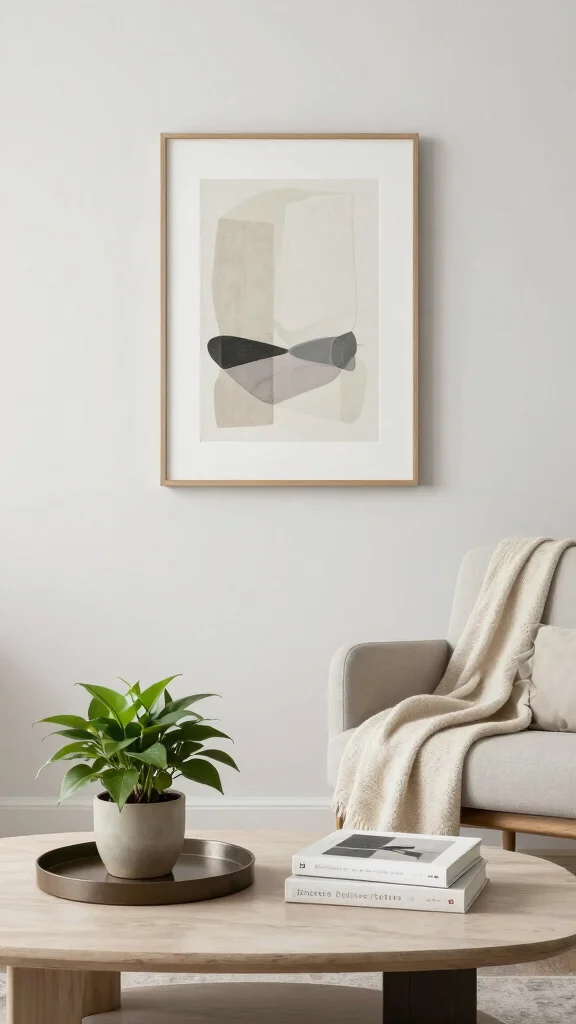
Minimalist accessories can enhance a small living room’s charm without contributing to clutter. Thoughtful decorations, like a few carefully placed plants or a standout piece of art, add character while maintaining simplicity. This approach invites personal expression without overwhelming the space’s clean aesthetic.
Focus on accessories that serve dual purposes, such as decorative trays to organize smaller items. By curating your decor, you can reflect your style while keeping surfaces tidy and easy to maintain.
Benefits of Minimalist Accessories:
– Control clutter for easier cleaning.
– Showcase your unique style without excess.
– Versatile options to refresh with changing seasons.
Minimalist accessories can help create a functional yet stylish living space that truly feels like home.


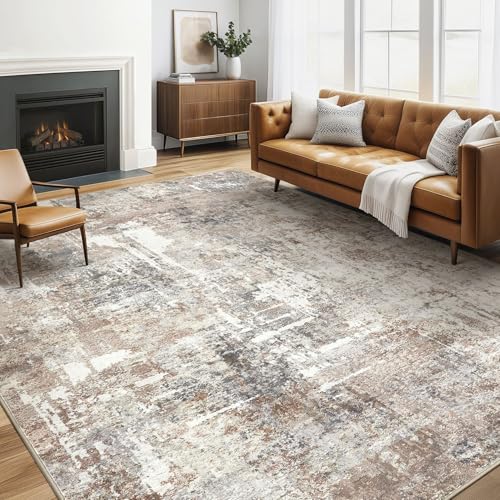
6. Go for a Statement Rug
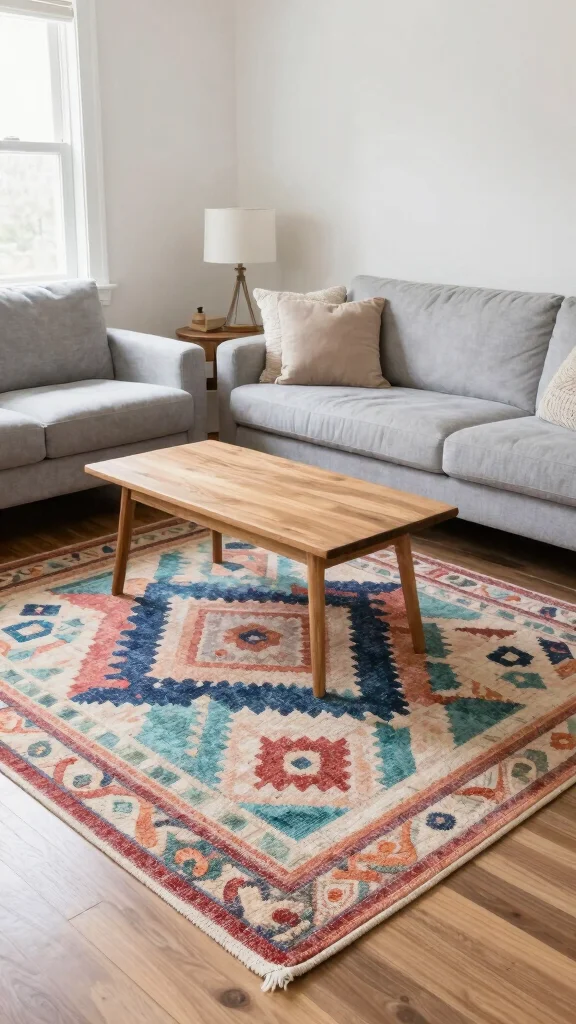
A statement rug can serve as the centerpiece of a small minimalist living room, adding warmth and texture while tying your color scheme together. Whether you choose a bold geometric design or a simple solid color, a well-chosen rug can define the seating area and enhance the room’s overall coziness.
While selecting a rug, ensure it complements your existing decor and maintains a sense of balance. Avoid overly dark colors or busy patterns to keep the space feeling open and inviting.
Benefits of a Statement Rug:
– Define different areas in an open layout.
– Add warmth and comfort underfoot.
– Serve as a conversation starter with unique designs.
Incorporating a statement rug can infuse personality into your small living room while anchoring the overall design.


7. Keep It Open
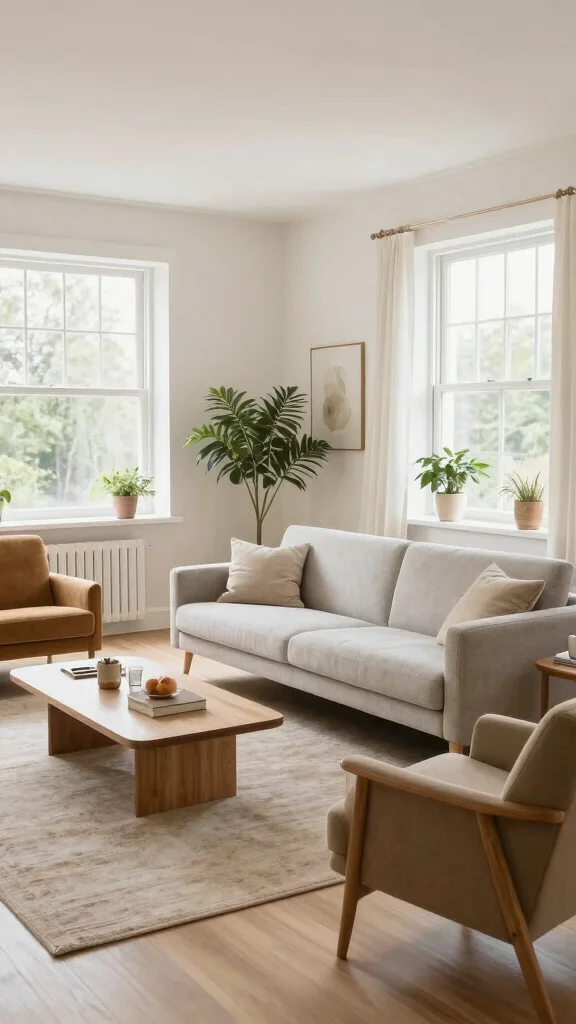
An open layout is essential for creating a sense of space in a small living room. By keeping sight lines clear and avoiding bulky furniture, you promote a feeling of airiness and flow. Opt for pieces that facilitate movement and conversation, such as angling your sofa to create a more dynamic arrangement.
This thoughtful approach not only enhances the room’s inviting atmosphere but also encourages social interaction among guests. An open space is visually appealing and functional, making it ideal for small gatherings.
Benefits of an Open Layout:
– Promote easy movement throughout the room.
– Enhance social interaction with clear sightlines.
– Create a breezy, spacious feeling.
A well-planned open living area can feel warm and welcoming while maximizing your small space.


8. Incorporate Built-In Seating
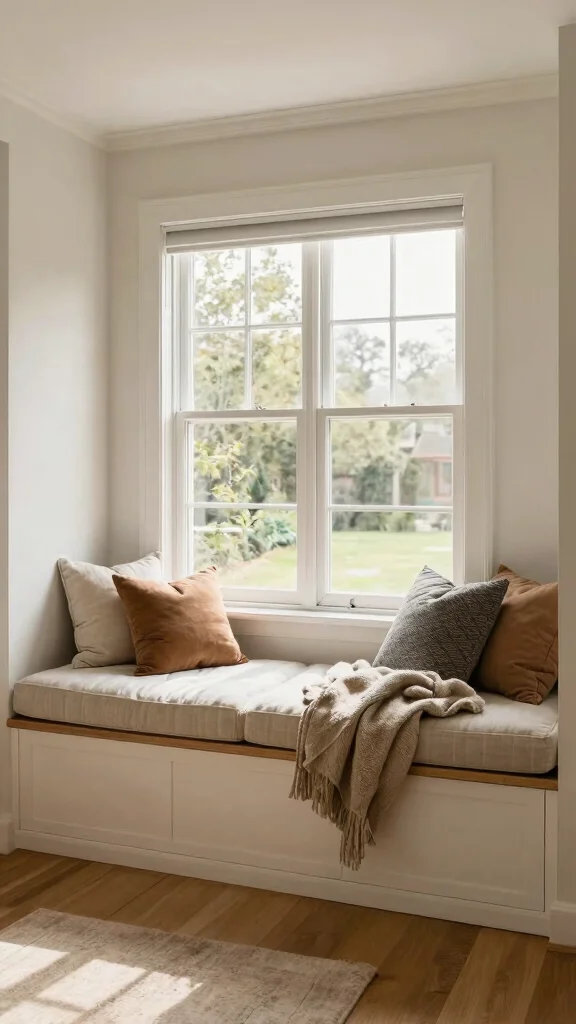
Built-in seating is a fantastic solution for maximizing space in a small minimalist living room. Whether a cozy nook or a window bench, these designs save valuable floor area while adding style and functionality. Incorporating storage into your seating, such as a bench that opens for blankets, enhances practicality.
This unique seating option can seamlessly blend with your decor, creating a snug area that invites relaxation. Adding cushions can elevate comfort and encourage use.
Benefits of Built-In Seating:
– Utilize often-overlooked spaces efficiently.
– Customize to fit your decor and storage needs.
– Create a cozy, inviting spot to unwind.
Built-in seating can transform your small living room into a charming and functional haven.
You might also like
9. Utilize Compact Coffee Tables
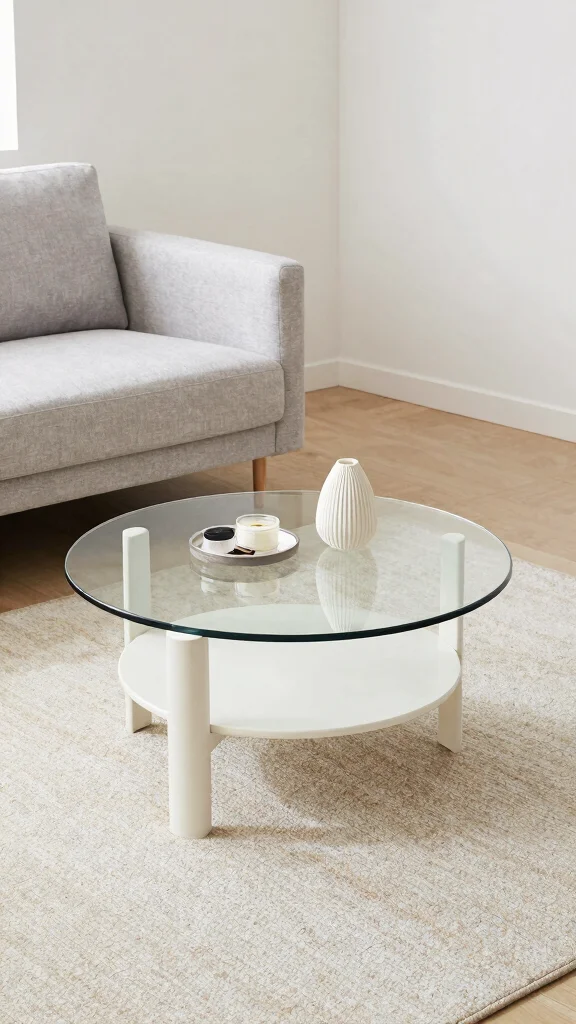
Opting for a compact coffee table can significantly enhance a small minimalist living room. A smaller table provides essential surface area while maintaining a light and airy feel. Look for designs that are lightweight or incorporate glass tops to minimize visual clutter.
Consider nesting tables or those with hidden storage for added functionality. These versatile options allow you to adjust your setup without compromising style or comfort.
Benefits of Compact Coffee Tables:
– Space-saving design fits snugly in smaller areas.
– Adds a modern touch to your decor.
– Provides flexibility with nested tables for varying needs.
A carefully chosen compact coffee table can boost your living room’s functionality without crowding the space.


10. Create a Cozy Corner
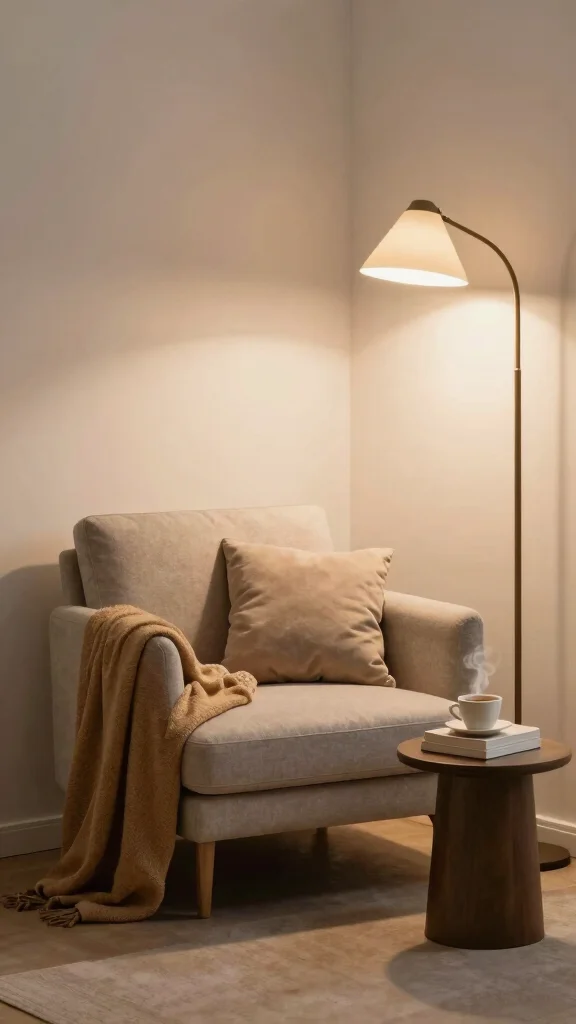
Designing a cozy corner can turn your small living room into a welcoming retreat. Select a comfy armchair or small loveseat to create a perfect spot for reading or relaxing. Accentuate this area with cushions, a throw, and a small bookshelf for added charm.
Including a floor lamp or side table enhances the coziness, making it an inviting nook for unwinding. This corner can also serve as a unique focal point, bringing warmth to the overall design.
Benefits of Cozy Corners:
– Creates a comfortable and inviting atmosphere.
– Offers a designated area for personal downtime.
– Enhances the room’s aesthetic appeal.
Adding a cozy corner can transform your small living room into a personalized retreat, inviting relaxation and enjoyment.


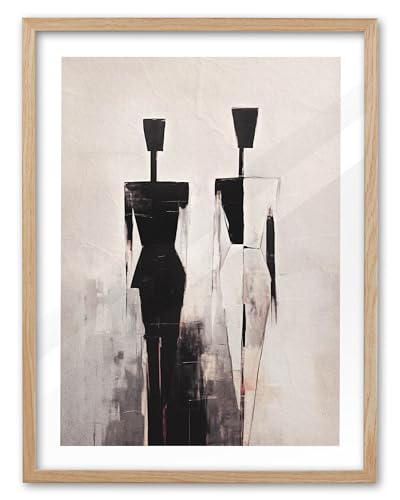
11. Incorporate Wall Art Strategically
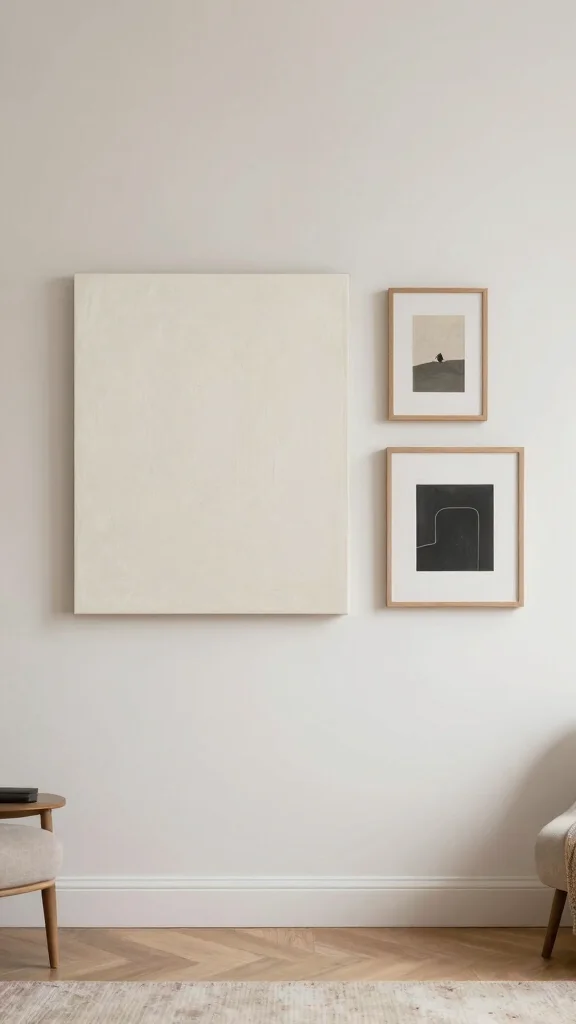
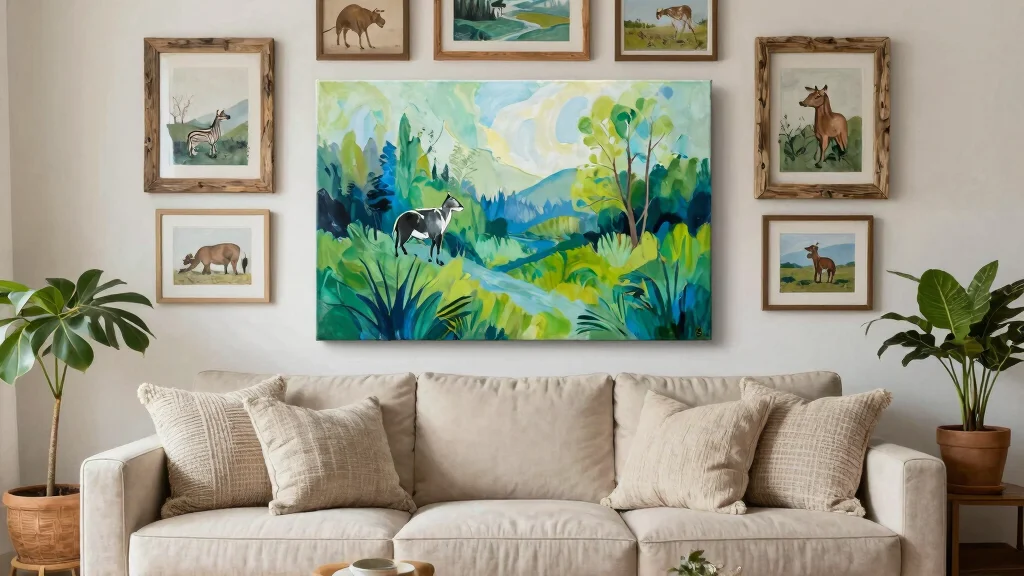
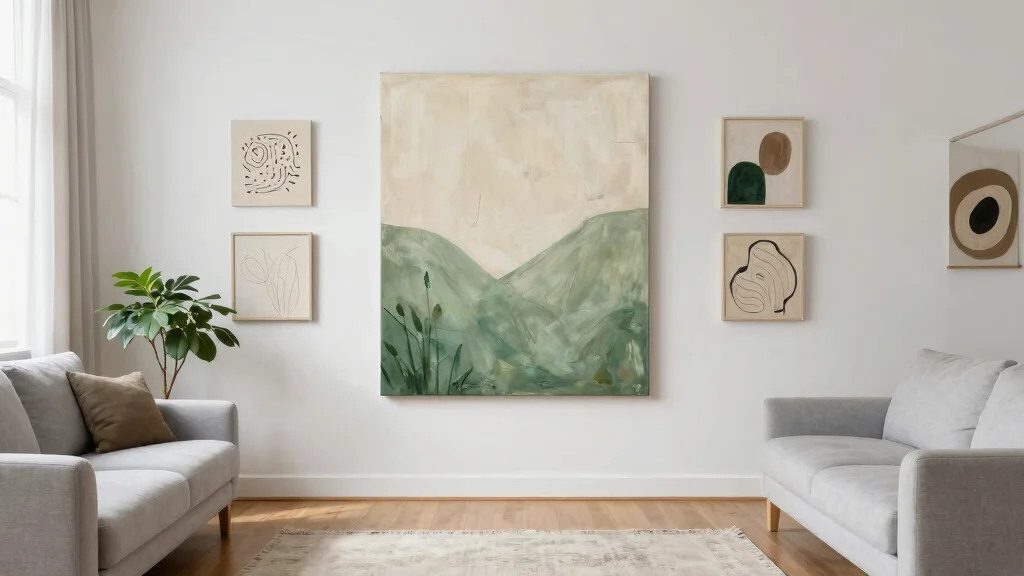
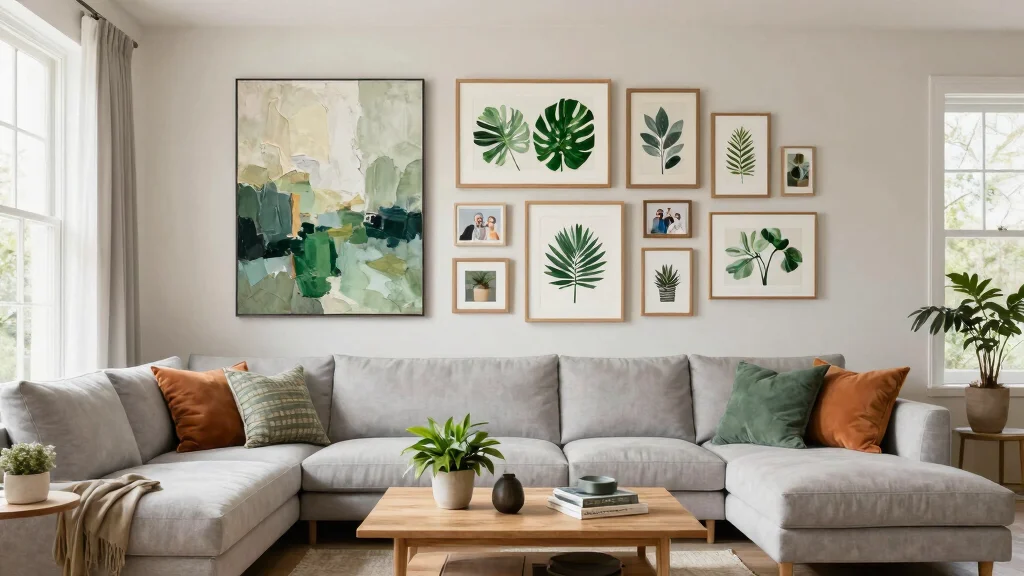
Strategically placing wall art can dramatically enhance the mood of a small minimalist living room. Instead of overcrowding surfaces, select a few impactful pieces that resonate with your style. Large artwork can serve as a focal point, while smaller pieces can be arranged in a gallery-style display.
In a compact space, quality trumps quantity, so focus on pieces that enhance the decor rather than create visual chaos. This thoughtful arrangement can deepen the room’s aesthetic without overwhelming it.
Benefits of Wall Art:
– Personalizes your living area with your unique taste.
– Breaks up blank walls, adding visual interest.
– Creates a focal point that draws attention.
Carefully placed wall art can infuse your small minimalist living room with personality and depth.



12. Use Floating Shelves
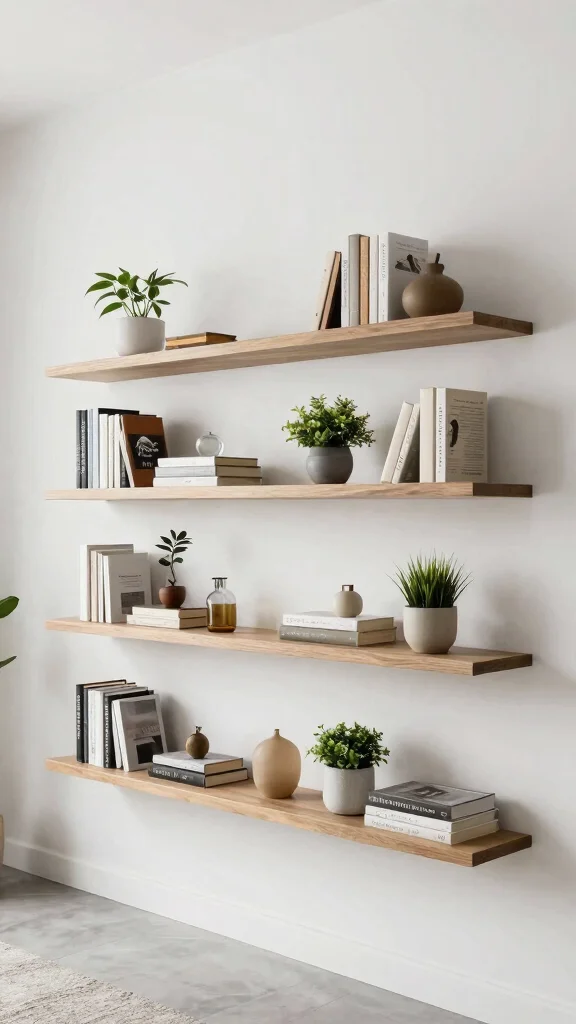
Floating shelves offer a stylish solution for displaying decor while keeping floor space open. They are perfect for showcasing books, plants, or unique decor items without cluttering your limited area. Additionally, floating shelves add a modern touch that complements a minimalist design.
Installing these shelves allows you to elevate visual interest, but remember to avoid overcrowding. Embrace negative space, which can be just as impactful as the items displayed.
Benefits of Floating Shelves:
– Space-saving design keeps the floor organized.
– Enhances your decor with a contemporary style.
– Customizable height to suit your space needs.
Floating shelves can introduce organization and character to your small minimalist living room while maintaining an airy feel.
13. Limit Patterns
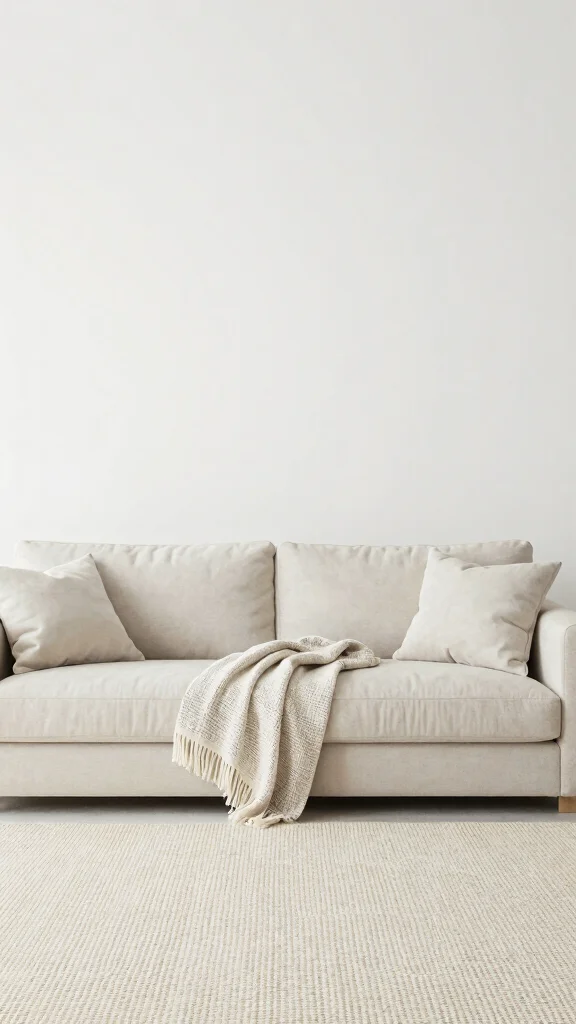
While patterns can add character, they may also make a small living room feel chaotic. In minimalist design, it’s best to limit patterns and focus on solid colors or subtle textures. This approach fosters a sense of cohesiveness and openness in your space.
Choose one or two key accents, like a patterned throw or a single piece of art, while keeping the majority of your decor solid. This strategy creates a serene atmosphere, essential for minimalist living.
Benefits of Limiting Patterns:
– Promotes a calm and peaceful environment.
– Reduces visual clutter for tranquility.
– Simplifies the process of accessorizing.
By limiting patterns, you can ensure your small living room remains open and inviting.
Fun fact: In a small minimalist living room, limiting patterns to one or two accents can make the space feel up to 30% larger. Stick to solid colors and a single art piece to keep everything cohesive. Practical, calm, and easy to maintain.
14. Create Defined Zones
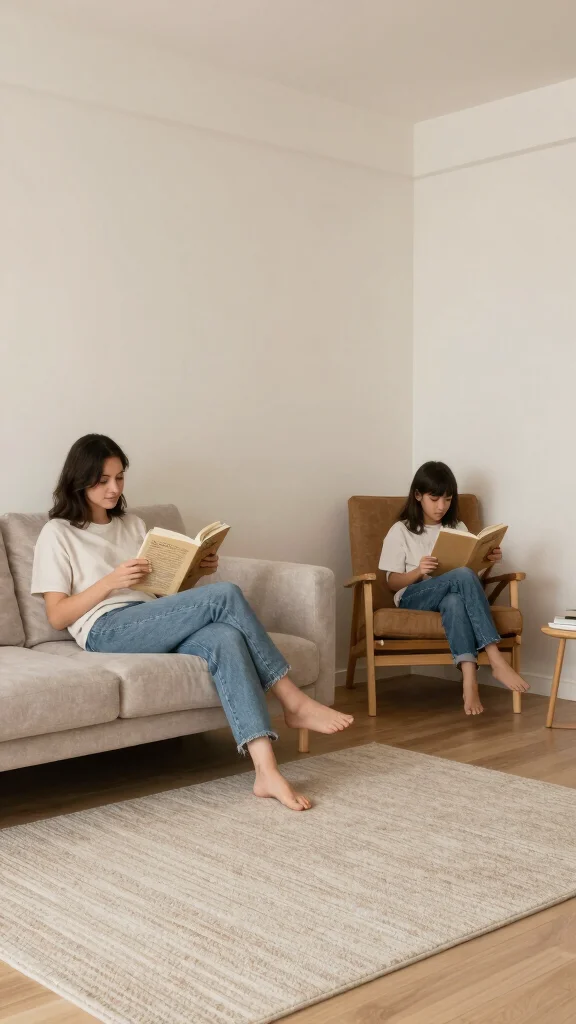
Creating defined zones in a small living room enhances its functionality and organization. Utilize furniture placement, rugs, or lighting to designate areas for lounging, reading, or entertaining. For example, a small rug can mark a cozy reading nook, while a strategically placed chair can signal a conversation area.
This technique not only improves organization but also adds visual interest, making the space feel more dynamic. Defined zones facilitate movement and create a structured layout.
Benefits of Defined Zones:
– Enhance functionality for multiple activities.
– Create visual clarity in the layout.
– Improve flow between different areas.
Creating defined zones can transform your small living room into a more functional and organized space.
You Might Also Like
15. Minimalist Lighting Fixtures
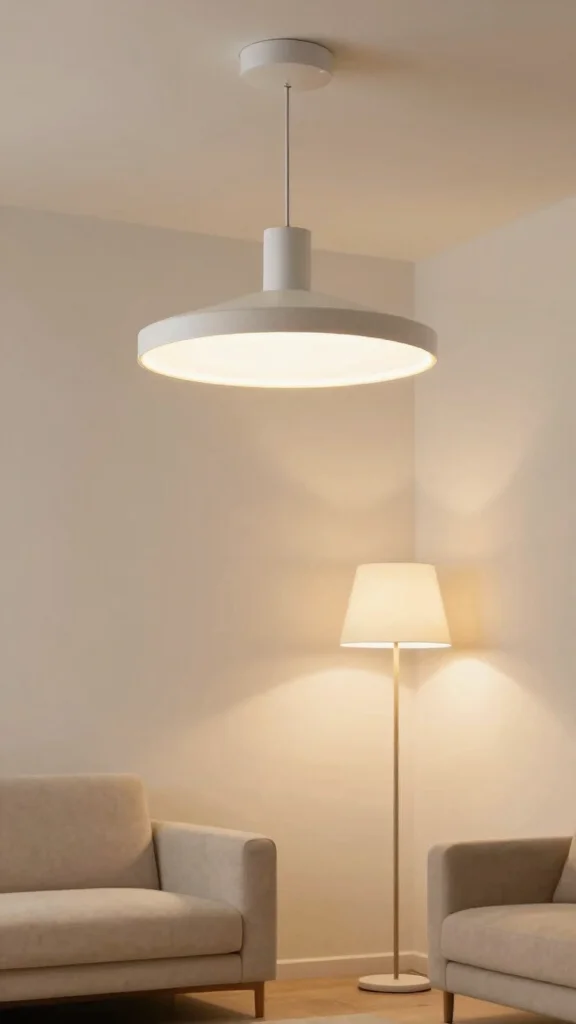
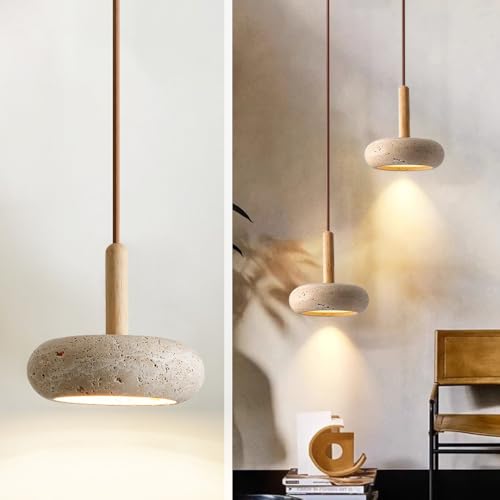
Effective lighting is crucial in any living room and can impact how spacious it feels. In a small minimalist living room, opt for sleek, simple lighting fixtures that complement the decor without overwhelming it. Pendant lights, slim floor lamps, or wall sconces add elegance while conserving floor space.
Soft, warm lighting creates an inviting atmosphere, making your living area cozy without feeling cramped. Layering your lighting with multiple sources enhances brightness and openness, enriching the overall ambiance.
Benefits of Minimalist Lighting:
– Keeps the design open and light.
– Elevates the style without overpowering.
– Offers customizable brightness levels for ambiance.
Choosing minimalist lighting fixtures can elevate your small living room design while ensuring it remains bright and inviting.


16. Use Rugs to Define Spaces
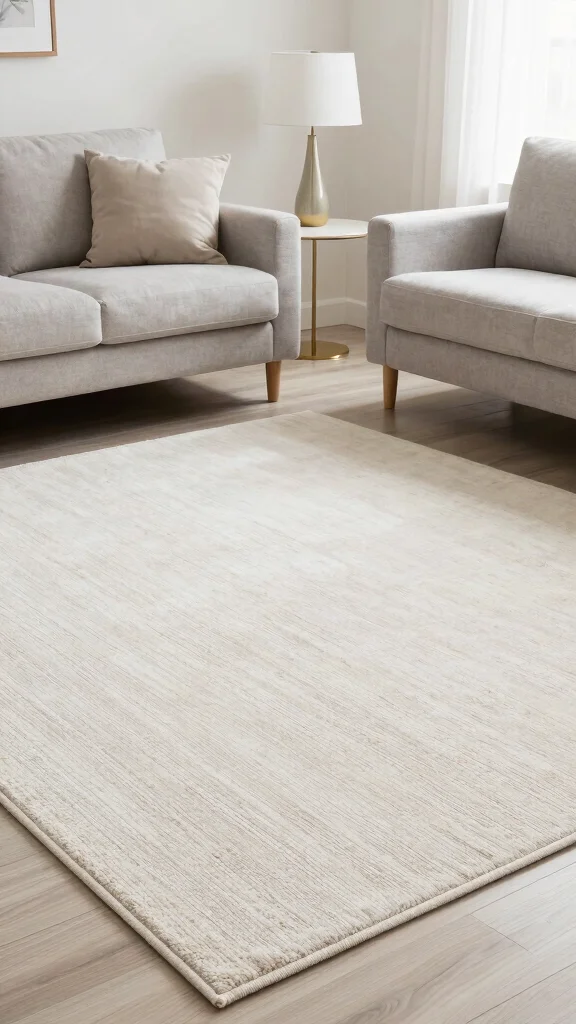
Rugs play a vital role in defining spaces within a small living room. They can visually separate areas, such as a seating zone from an entertainment area, to create a more organized feel. In minimalist design, a single statement rug can enhance the aesthetic while maintaining coherence.
Ensure the rug is proportionate to your furniture for the best effect. A simple pattern or solid color will help maintain the minimalist vibe, while layering rugs can add texture without cluttering.
Benefits of Using Rugs:
– Visually separates areas without walls.
– Adds warmth and comfort underfoot.
– Ties the color scheme together beautifully.
Using rugs effectively can help maintain a sense of openness while providing functional definition to your small living room.


17. Personal Touches with a Minimalist Approach
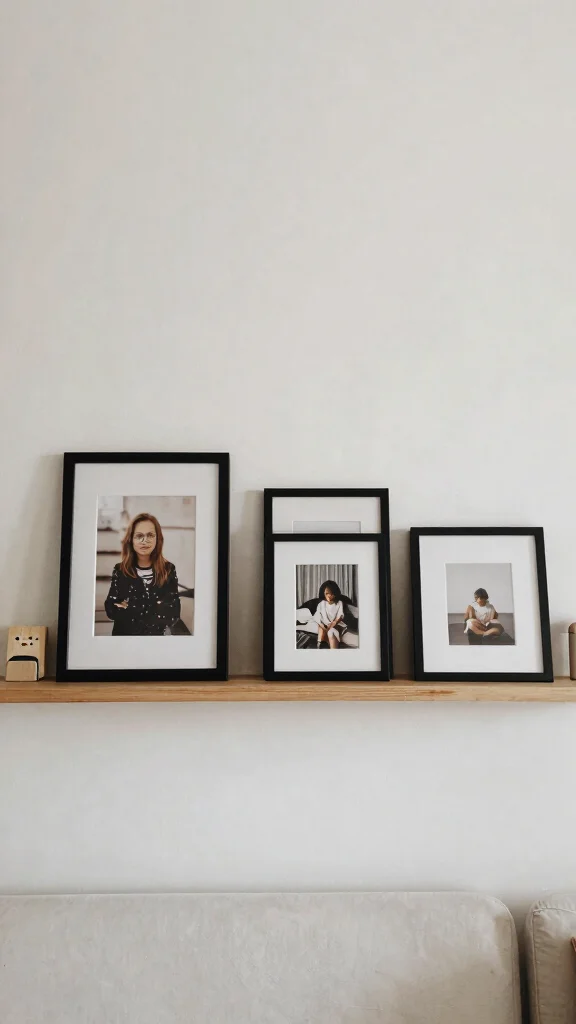
In a small minimalist living room, incorporating personal touches is essential for making the space feel like home. Keep these accents simple and thoughtful to align with the overall aesthetic. For instance, display a few family photos in sleek frames or a handmade piece of art that showcases your personality.
Limiting personal items to a select few allows you to express your style without overwhelming the space. This balance creates a warm and inviting atmosphere that feels uniquely yours.
Benefits of Personal Touches:
– Reflects your unique character and taste.
– Creates warmth and a lived-in feel.
– Sparks conversation with meaningful items.
Incorporating personal touches while maintaining a minimalist approach can create an inviting atmosphere that truly feels like home.
18. Use Plants for Natural Decoration
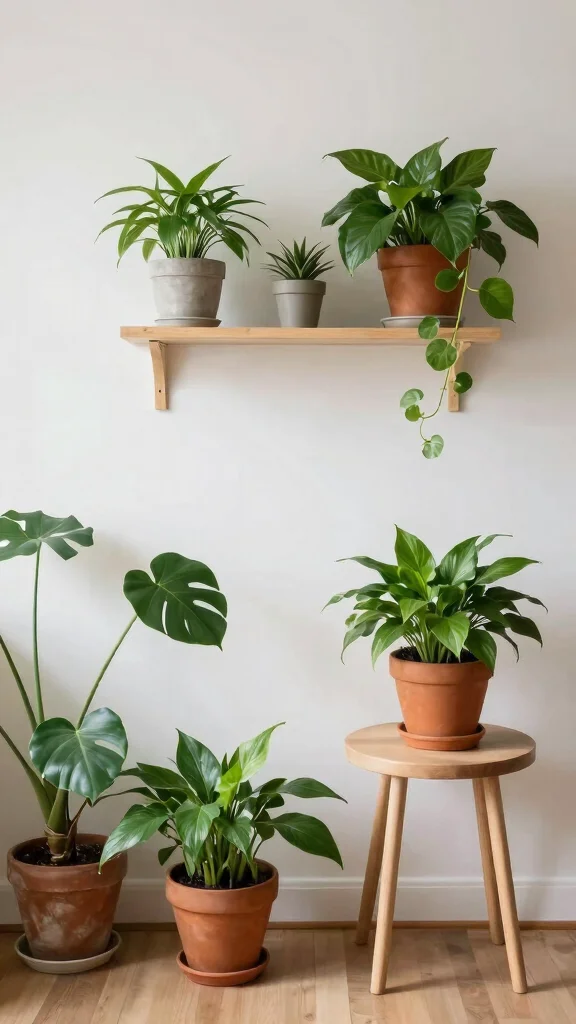
Adding plants to your small minimalist living room brings life and vibrancy to the space. Select easy-to-care-for indoor plants that enhance your decor while introducing a touch of nature. Besides their aesthetic appeal, plants can improve air quality and create a calming environment.
Display plants on shelves, hang them in macramé hangers, or place them in decorative pots to add visual interest. Mixing different heights and types can maintain a cohesive look while enriching your decor.
Benefits of Using Plants:
– Purifies indoor air for a healthier environment.
– Adds color and life to the living space.
– Enhances mood with natural elements.
Incorporating plants into your living room can elevate the overall atmosphere, making it feel fresh and inviting.



19. Keep It Clutter-Free
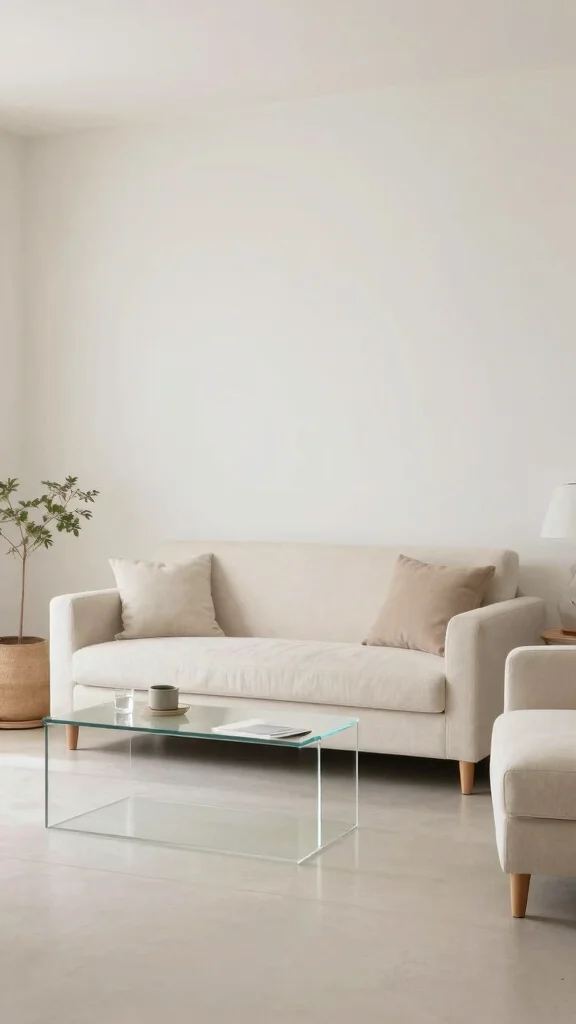
Maintaining a clutter-free living room is crucial for preserving a minimalist aesthetic in small spaces. Regularly decluttering surfaces and storage areas promotes a peaceful and organized environment. Establish designated spaces for all items, ensuring everything has a home to return to.
When adding new items, consider whether they complement your existing decor without contributing to clutter. This mindfulness keeps your space serene and functional.
Benefits of a Clutter-Free Space:
– Promotes focus and tranquility.
– Simplifies cleaning routines.
– Enhances the inviting appeal of your home.
Keeping your small living room clutter-free is essential for creating an open, minimalist feel where every piece holds meaning.
Conclusion
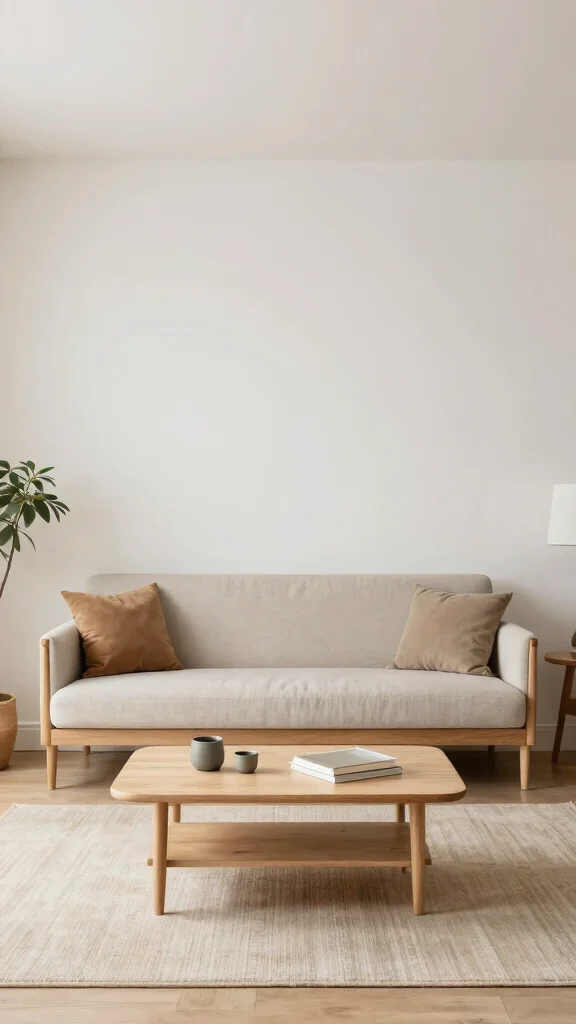
Transforming a small living room into a minimalist sanctuary is all about making smart choices. By incorporating these 19 ideas, you can create a space that feels open, organized, and uniquely yours.
Minimalism doesn’t mean sacrificing style; rather, it’s about embracing simplicity and functionality. Consider how each idea can fit into your living space to enhance both its beauty and utility.
Frequently Asked Questions
What exactly is a small minimalist living room, and how can I maximize space in an apartment?
In a small minimalist living room, clean lines, neutral colors, and intentional decluttering maximize every square inch. Start by defining zones and choosing space-saving furniture that fits your layout, like a sofa with a slim profile and wall-mounted shelves. Apply minimalist interior design principles—consistent colors, simple textures, and purposeful decor—to keep the room calm and open. Use mirrors and reflective surfaces to bounce light and create the illusion of more space.
Tip: keep only what you use daily to preserve the minimalist vibe and ease of maintenance.
What space-saving furniture should I choose for a small minimalist living room?
Opt for multi-functional, apartment-friendly pieces that serve more than one purpose. Look for space-saving furniture such as a sofa bed, nesting coffee tables, or a fold-down desk that can tuck away when not in use. Choose modern living room decor with clean hardware and a cohesive material palette to maintain a spacious feel while staying comfortable and usable.
Pro tip: measure doorways and hallways first to ensure every piece fits without crowding the room.
How can lighting and color make a small minimalist living room feel bigger without sacrificing style?
Light colors and layered lighting are your best friends for a small space in a minimalist interior design approach. Use pale walls, reflective surfaces, and vertical lighting to draw the eye upward and brighten corners. Add a well-placed mirror or two to enhance depth, and keep furniture light in feel while using space-saving furniture that doesn’t crowd the room. Finish with modern living room decor textures for subtle personality without clutter.
What are practical storage ideas to keep a small minimalist living room tidy?
Prioritize hidden and vertical storage. Install space-saving furniture with built-in storage, floating shelves, and wall cabinets to keep surfaces clear. Use baskets and streamlined containers that blend with your minimalist home accessories and color palette. Cable management and under-sofa storage can dramatically reduce visual clutter, which is essential for minimalist interior design in a compact space.
How can I add personality to a small minimalist living room without creating clutter?
Introduce 1–2 statement pieces and a few carefully chosen minimalist home accessories that reflect your style—think a sculptural light, a textured rug, or a distinctive plant stand. Repeat materials and colors to create cohesion, keeping most surfaces uncluttered so the space feels calm and intentional. This balance gives your small minimalist living room character while staying true to a clean, modern vibe.
Related Topics
small minimalist living room
minimalist interior design
space-saving furniture
modern living room decor
small space solutions
minimalist home accessories
apartment living
functional decor
budget friendly
easy updates
decluttering tips
stylish organization