Expert Home Style – For the Price of a Coffee ($3.90)
Master high-end design secrets (Tuscan, Modern) without the expensive consultants.
🛒 Buy NowAre you feeling overwhelmed by the chaos in your office drawer? You’re not alone! This clutter has me craving a peaceful workspace where I can think clearly and focus better. The truth is, a disorganized drawer can distract you from your work. It’s hard to stay productive when you can’t find what you need. That’s why I’m excited to share this post on office drawer organization tips to help you reclaim control over your workspace.
If you’re someone who values a tidy environment and craves a minimalistic approach, this guide is for you. Whether you work from home or in a corporate setting, a well-organized drawer can lead to a more focused mindset. You’ll discover practical tips that not only simplify your office storage solutions but also boost your productivity. Say goodbye to the endless search for supplies and hello to an efficient office setup!
In this article, you’ll find 18 actionable organization tips that make decluttering simple and enjoyable. These strategies are straightforward, effective, and perfect for anyone looking to streamline their workspace. From using drawer dividers to embracing a minimalist aesthetic, each tip is designed to help you stay focused and productive. Let’s dive into the world of office drawer organization and transform your workspace!
Key Takeaways
– Start by using drawer dividers to keep items separated, making them easier to find when you need them.
– Embrace a minimalist approach by reducing the number of items in your drawer to only what you use regularly.
– Implement a labeling system to quickly identify supplies, which saves time and keeps your space organized.
– Regularly maintain your drawer by setting aside time to declutter, ensuring it stays organized over time.
– Create a designated ‘To-Do’ section in your drawer to keep your tasks front and center, helping you prioritize your workload effectively.


Contents
- 1. Utilize Drawer Dividers
- 2. Embrace Minimalism
- 3. Use Clear Containers
- 4. Categorize Items by Use
- 5. Implement a ‘One In, One Out’ Rule
- 6. Color Code Your Supplies
- 7. Incorporate a Labeling System
- 8. Keep Frequently Used Items Accessible
- 9. Store Cables and Chargers Neatly
- 10. Repurpose Household Items
- 11. Prioritize Regular Maintenance
- 12. Choose Multi-Functional Items
- 13. Optimize Vertical Space
- 14. Create a ‘To-Do’ Section
- 15. Incorporate Plant Life
- 16. Use Drawer Liners
- 17. Embrace a Workflow System
- 18. Reflect and Adapt


1. Utilize Drawer Dividers
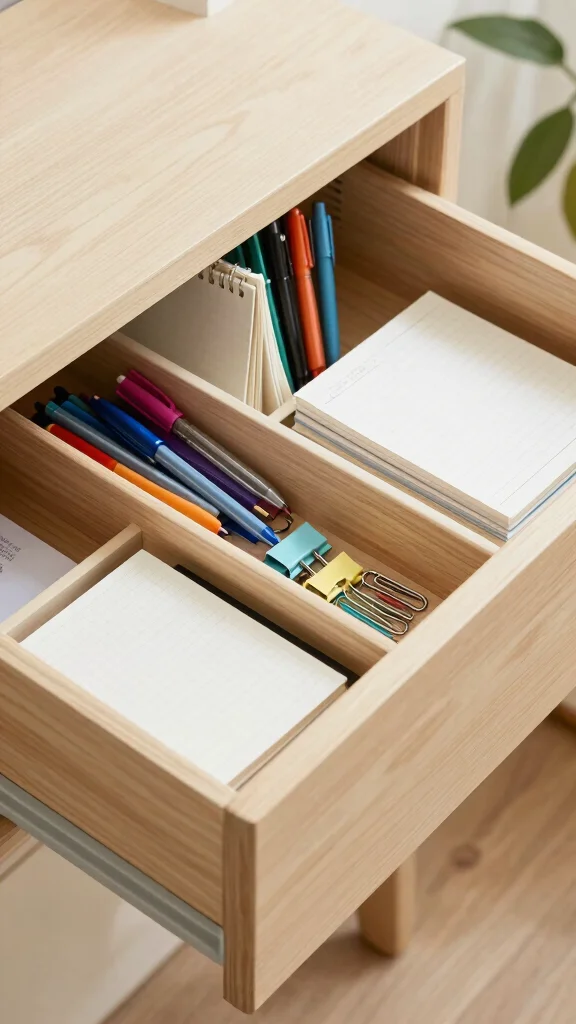
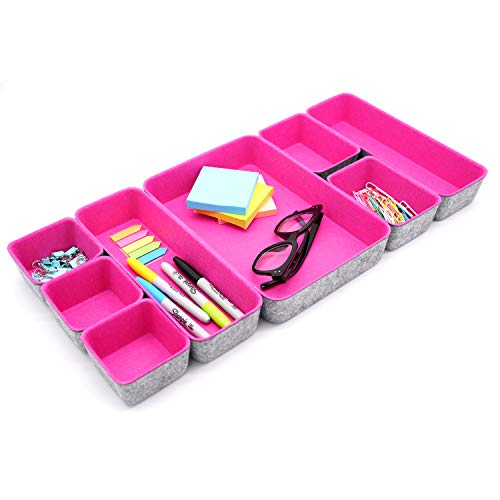
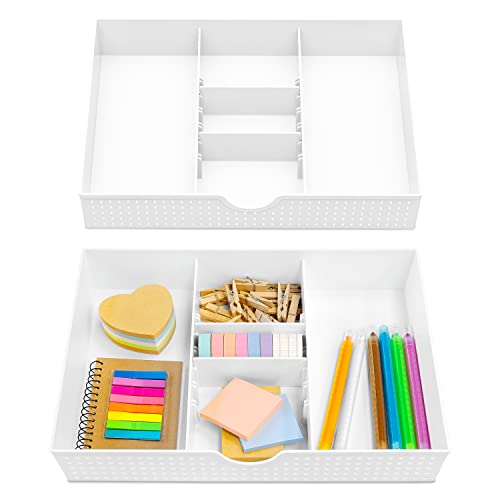
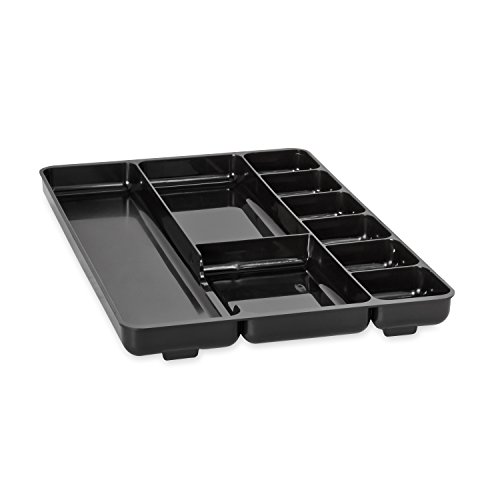
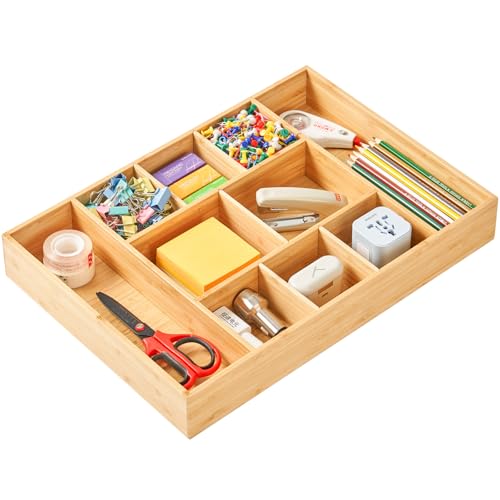
Drawer dividers are essential for achieving an organized office space. They create separate sections that allow you to quickly locate your supplies, such as pens, sticky notes, and paperclips, which can easily blend together without proper organization. This separation not only helps with efficiency but also adds a polished look to your drawers.
To maximize the effectiveness of drawer dividers, consider adjustable options that fit various drawer sizes. Labeling each section can further streamline your search process. Clear dividers can also enhance the visual appeal while keeping everything tidy.
Consider these tips for effective drawer divider use:
– Pair adjustable dividers with your favorite office supplies.
– Label each section for quick identification.
– Choose clear dividers to maintain a cohesive look.
Using dividers will create a sense of order in your workspace, making it easier to focus and work efficiently.


2. Embrace Minimalism
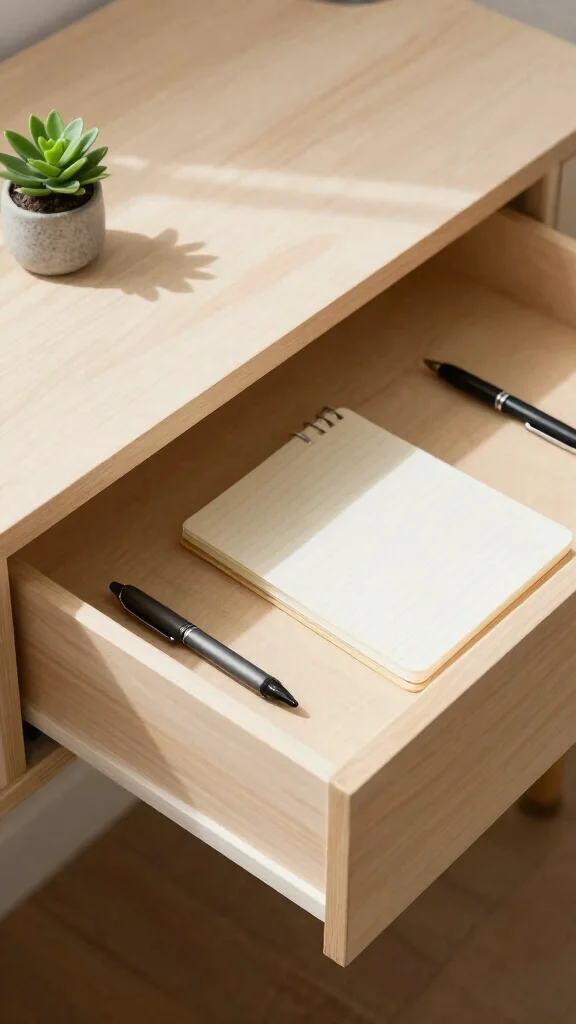
Adopting a minimalist approach to your office drawer can significantly reduce clutter and improve your mental clarity. By keeping only the essentials, you create an environment that fosters focus and productivity. Periodically reviewing your supplies ensures that you remove unnecessary items and maintain an organized space.
Begin by emptying your drawer completely and cleaning it before returning only the items you truly need. This practice not only enhances your workspace but also reflects your commitment to professionalism.
Follow these steps to embrace minimalism:
– Start by completely emptying your drawer.
– Clean the drawer before placing items back in.
– Return only items that are essential for your work.
This minimalist mindset transforms how you work, allowing you to concentrate better and reflect your organized approach in a neat environment.
Honestly, a minimalist drawer is a mental reset: keep only essentials, and your day flows. Empty, clean, and reselect what truly matters, then weekly purges keep the rhythm steady. That simple practice makes office drawer organization feel effortless and focused.
3. Use Clear Containers
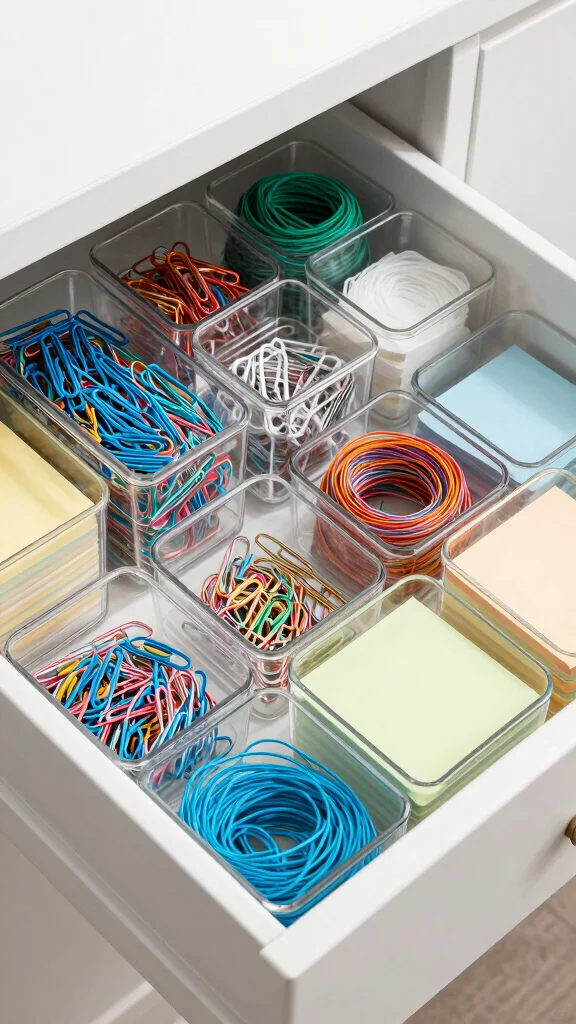
Clear containers are a fantastic solution for organizing small office supplies while keeping them visible. Instead of sifting through piles, transparent containers let you see exactly what you have at a glance, making it easier to find what you need.
Utilizing clear containers not only enhances visibility but also allows for stacking, which can save valuable drawer space. Choosing matching containers can create a visually appealing and cohesive look in your drawer.
Explore the benefits of clear containers:
– Use clear containers for easy visibility of supplies.
– Stack containers to maximize drawer space.
– Create a unified look with matching containers.
Incorporating clear containers improves efficiency and brings a fresh, organized aesthetic to your workspace.


4. Categorize Items by Use
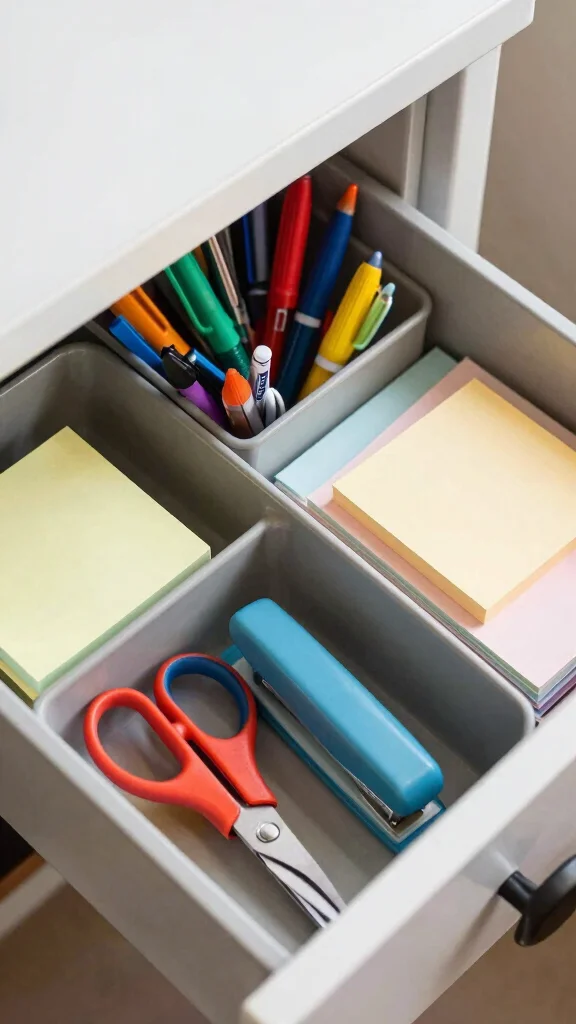
Grouping similar items in your drawer makes it easier to find what you need while also helping you keep track of your supplies. This logical system not only simplifies your workflow but also highlights any items you may have too much of or are lacking.
Create distinct sections for writing instruments, paper products, and tools like scissors and staplers. Consider using small baskets or trays to maintain these categories and regularly assess your supplies to adapt as your work evolves.
Here’s how to categorize your items:
– Create sections for writing tools, papers, and office tools.
– Use small baskets or trays to keep categories organized.
– Regularly evaluate supplies and adjust categories.
This organizational method reduces distractions, allowing you to focus on your tasks while keeping track of what you need.


5. Implement a ‘One In, One Out’ Rule
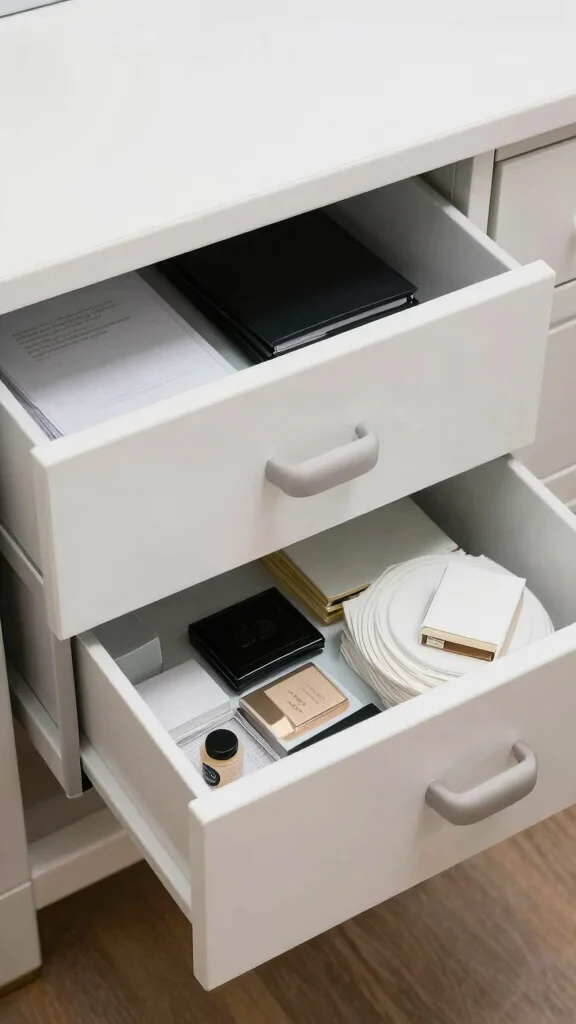
Applying a ‘one in, one out’ rule is an effective way to maintain your drawer’s organization. For every new item you bring in, consider removing an existing one to keep clutter at bay. This technique helps you stay mindful of what you own and prevents unnecessary accumulation.
Before purchasing new supplies, evaluate what can be removed or repurposed. Regularly check for items you no longer use and set reminders to review your drawer monthly.
To apply this rule effectively:
– Assess what can be removed before acquiring new supplies.
– Regularly check for unused items and dispose of them.
– Set monthly reminders to review your drawer’s contents.
This habit fosters a manageable office environment, ensuring your drawer remains a productive and efficient space.
How To Choose the Right Office Drawer Organization Solutions
Organizing your office drawer can significantly impact your productivity and overall workspace efficiency. Choosing the right organization solutions can help you maintain focus and reduce clutter. Here are some key factors to consider when selecting the best office drawer organization solutions for your needs.
1. Size
When selecting drawer organizers, size matters. Measure your drawer dimensions to ensure any dividers or containers fit snugly. Consider the height, width, and depth of the drawer. You want organizers that maximize space without cramming items together, which can lead to chaos.
2. Material
The material of your organizers can affect both durability and aesthetics. Common options include plastic, bamboo, and metal. Plastic is lightweight and easy to clean, while bamboo offers a natural look and is eco-friendly. Metal can provide a sleek, modern finish but may be heavier. Choose a material that aligns with your personal taste and the overall style of your office.
3. Features
Look for features that enhance usability. Some organizers come with adjustable compartments, allowing you to customize the size of each section. Others may have built-in lids or stackable designs, which can save space. Think about your specific needs: do you need something portable, or do you prefer fixed solutions?
4. Functionality
Consider what you plan to store in your drawer. Different items require different organizational approaches. If you have lots of stationery, consider a multi-compartment divider. For cables and chargers, look for specialized cable management solutions. Ensure your organizers cater to the type of items you will store, enhancing both accessibility and efficiency.
5. Budget
Set a budget before shopping for office drawer organization solutions. Prices can vary widely based on material and design. Determine how much you’re willing to spend and stick to that amount. Remember, investing in quality organizers can save you time and stress in the long run.
6. Aesthetic Appeal
Your office should reflect your style. Choose organizers that complement your workspace decor. Whether you prefer a modern, minimalist look or a more vibrant and colorful approach, the right organization solutions can enhance your space’s aesthetics. Consider colors and designs that make you feel comfortable and motivated.
Pro Tip: Always check for reviews or recommendations online before making a purchase. User feedback can provide insight into the product’s performance and durability, ensuring that you choose the best options for your office drawer organization.
By considering these factors—size, material, features, functionality, budget, and aesthetic appeal—you can confidently choose the right office drawer organization solutions that enhance your workspace and boost your productivity. With the right setup, staying focused and decluttering your workspace will become a breeze!
6. Color Code Your Supplies
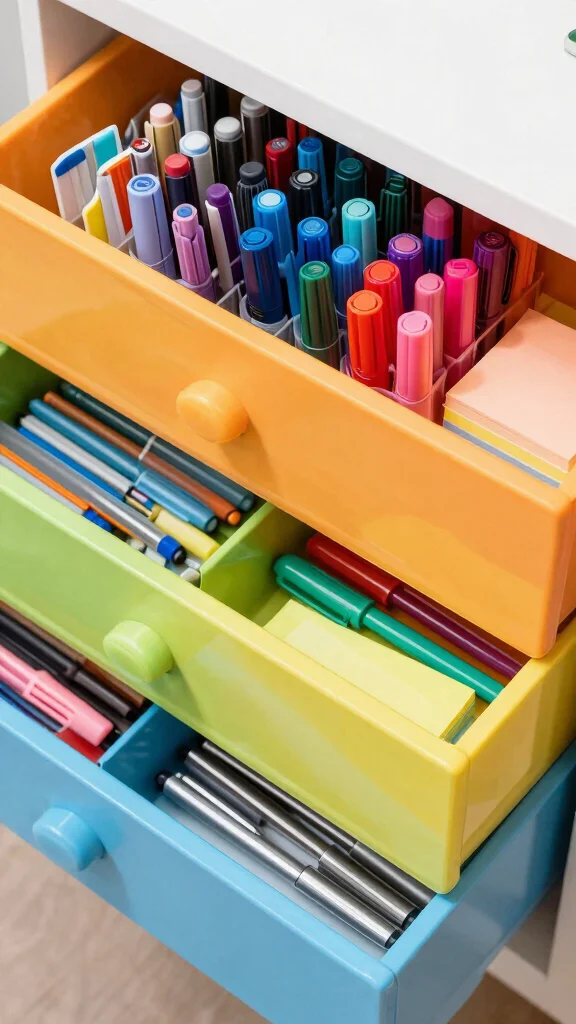
Color coding your office supplies is not just visually appealing; it enhances functionality. By organizing items by color, you can quickly find what you need while adding a cheerful touch to your workspace.
Assign specific colors to different categories, like blue for pens and yellow for sticky notes. You can also use colored dividers to reinforce this system visually while keeping a color chart nearby until you memorize it.
Consider these tips for effective color coding:
– Assign colors to categories for easy identification.
– Use colored dividers to visually enhance organization.
– Keep a color reference chart until familiar.
Color coding not only organizes supplies but also uplifts your workspace, making it a more enjoyable and creative environment.


7. Incorporate a Labeling System
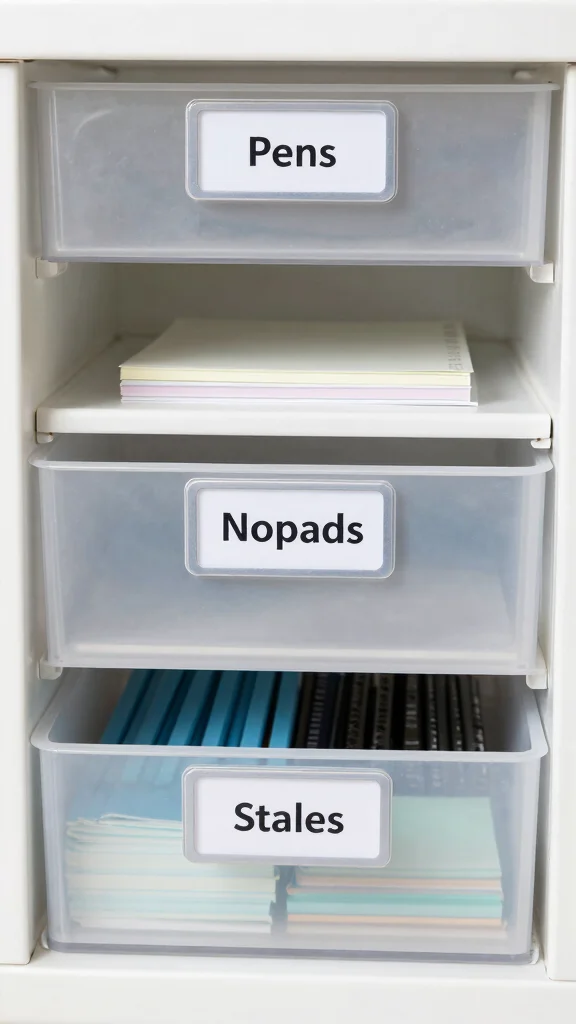
Incorporating a labeling system can elevate your drawer organization from ordinary to exceptional. Clear labels allow for quick identification of categories, making it easier to locate supplies when you need them.
Use a label maker for a clean, professional look or opt for handwritten labels for a personal touch. Make sure your labels are visible but not overwhelming, and update them regularly as your drawer contents change.
Here are effective labeling tips:
– Use a label maker for polished labels or write them by hand.
– Ensure labels are easy to read but not too large.
– Regularly update labels to reflect changes in contents.
By establishing a labeling system, you create a more efficient workspace that everyone can appreciate, enhancing the overall professionalism of your environment.


8. Keep Frequently Used Items Accessible
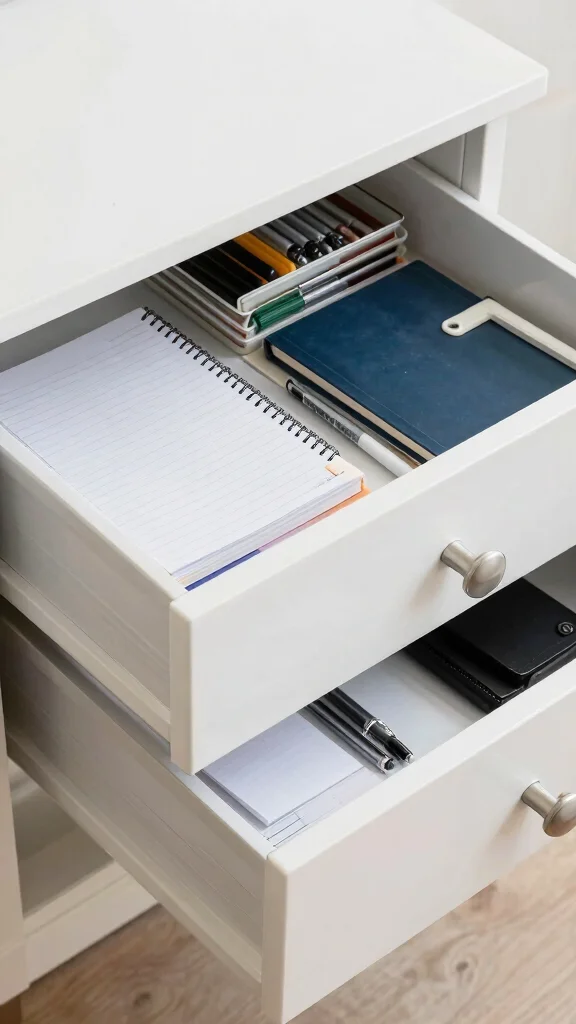
Ensure that frequently used items are within easy reach to save time and maintain a smooth workflow. Storing must-have supplies at the back of the drawer only leads to frustration and wasted time.
Place essential items, like your favorite pens or important documents, at the front. Use shallow trays to elevate smaller items for easier access, and reassess what you use regularly every few months to adapt accordingly.
To prioritize accessibility:
– Place must-have items at the front for easy access.
– Use shallow trays to elevate smaller supplies.
– Regularly reassess frequently used items.
This simple adjustment can significantly boost your productivity, allowing you to stay focused on tasks that matter most.
9. Store Cables and Chargers Neatly
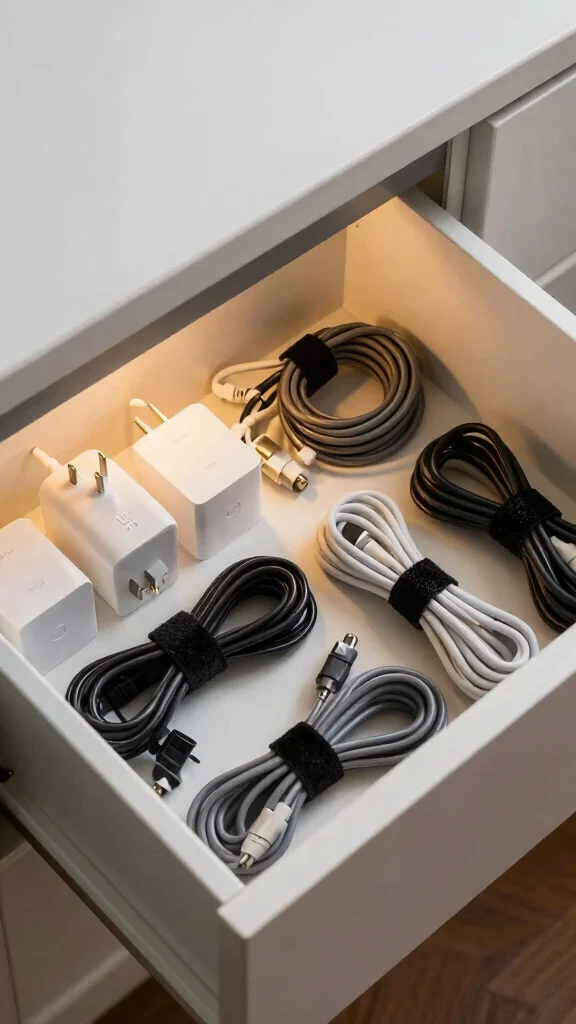
Cables and chargers can quickly become a tangled mess if not organized properly. Keeping them neat is essential for maintaining a clean and functional workspace.
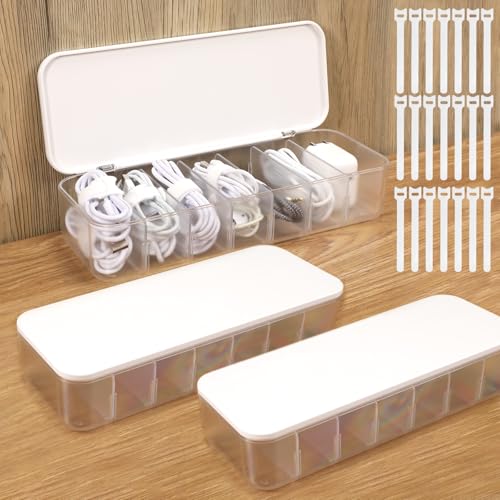
Use cable ties, organizers, or small boxes to manage cords effectively. Labeling each cable can also help you identify them quickly, preventing last-minute chaos when you need a charger.
Implement these cable management strategies:
– Use cable ties or Velcro straps to bundle cords.
– Label each cable for easy identification.
– Designate a section in your drawer for cables.
Organizing cables enhances the professionalism of your workspace while ensuring quick access to your devices, making your office more functional.


10. Repurpose Household Items
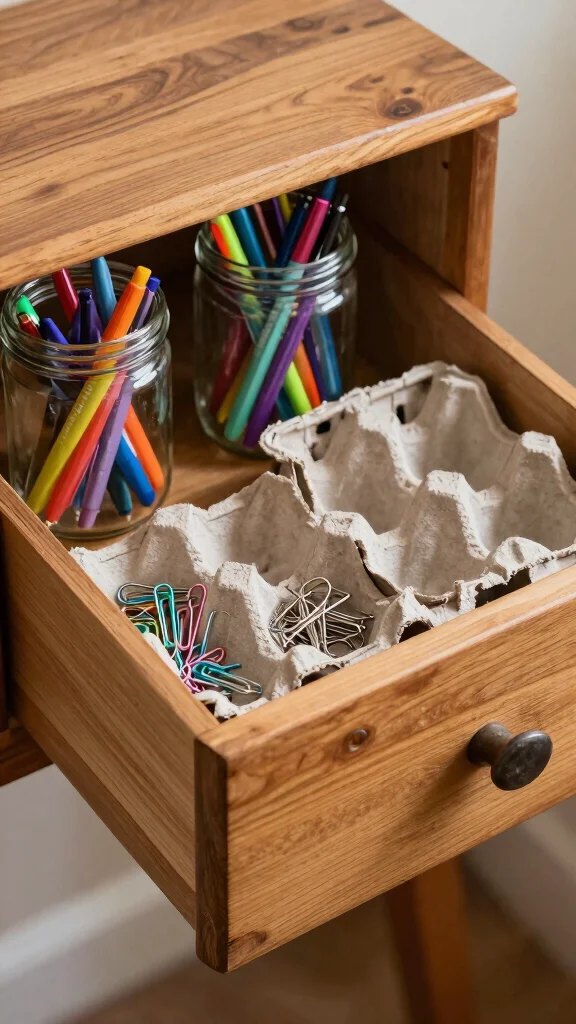
Sometimes, the best organizational tools are already at home. Get creative with repurposing everyday household items to keep your office drawer organized. This not only saves money but also adds a unique, personal touch to your workspace.
Consider using old jars for pens, egg cartons for small supplies, or kitchen containers for miscellaneous items. This approach encourages sustainability while allowing you to create a fun and functional workspace.
Explore these ideas for repurposing:
– Use old jars as holders for pens and pencils.
– Repurpose egg cartons to sort push pins or stickers.
– Utilize kitchen containers for small miscellaneous items.
Repurposing household items not only brings character to your drawer but also enhances its functionality, making organization feel more personal and enjoyable.


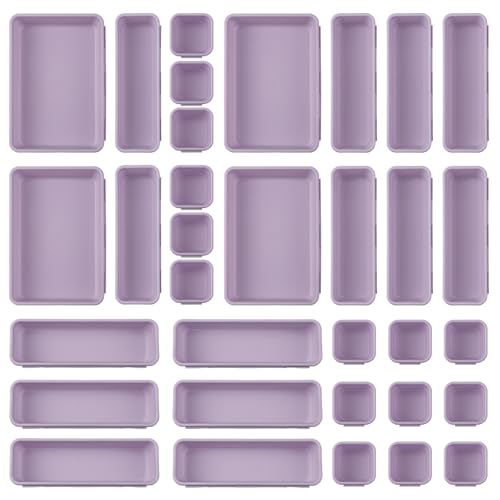

11. Prioritize Regular Maintenance

An organized drawer requires regular maintenance to stay that way. Dedicate a few minutes each week to tidy up and reassess your supplies to keep everything in check.
Creating a checklist can help ensure you cover all areas during your maintenance sessions. Don’t hesitate to adjust sections and categories based on your evolving needs.
Follow these maintenance tips:
– Set aside time each week for drawer organization.
– Use a checklist to cover all areas.
– Adjust sections as needed for efficiency.
By committing to regular maintenance, you’ll keep your workspace organized and productive, saving time and enhancing focus in your daily tasks.
12. Choose Multi-Functional Items
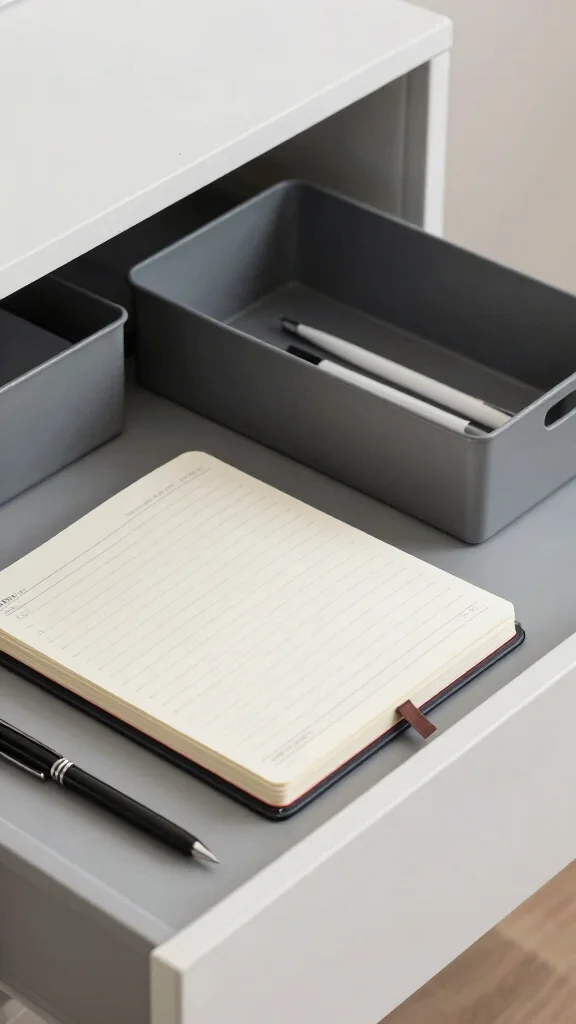
Opting for multi-functional items can significantly reduce clutter while maximizing utility in your drawer. For instance, a stapler with a built-in hole punch can streamline your tools, saving space and keeping your supplies to a minimum.
Examples of multi-functional items include notebooks that double as planners or scissors that also serve as letter openers. Incorporating these items can enhance both the aesthetics and functionality of your workspace.
Consider these multi-functional items:
– Use a notebook that serves as a planner.
– Choose scissors that double as a letter opener.
– Select storage boxes that also function as decor.
By integrating multi-functional items, you can maintain a tidy drawer while enjoying a more efficient workspace that aligns with minimalist principles.
Did you know multi-functional items can cut clutter by up to 40% in 7 days? In office drawer organization, a stapler with a built-in hole punch and notebooks that double as planners streamline your space—and your focus.


13. Optimize Vertical Space
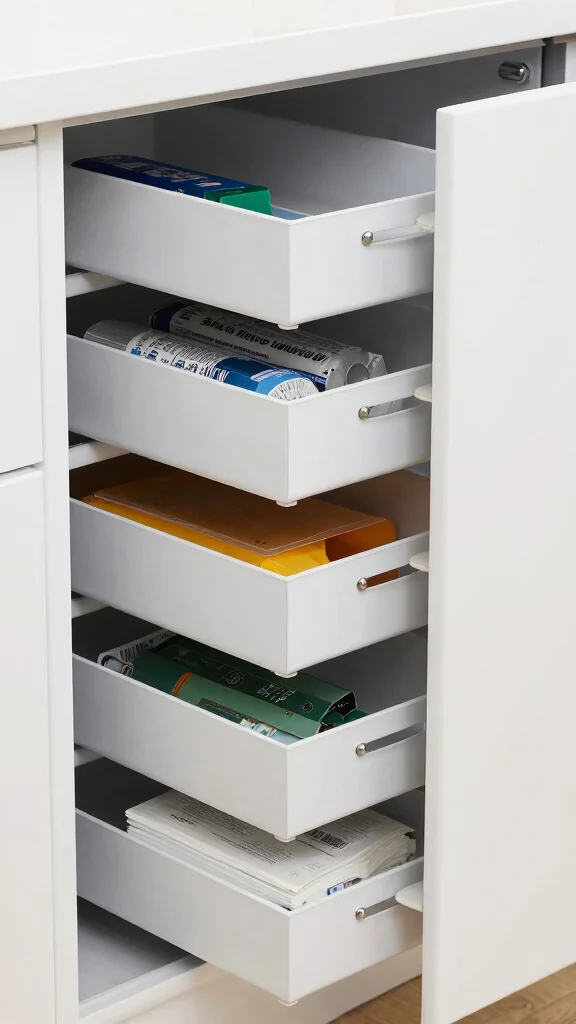
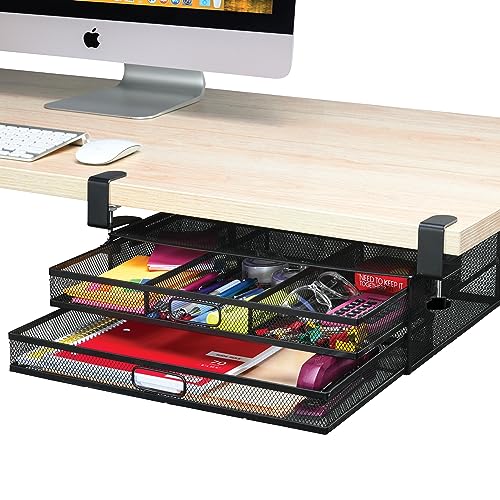
When drawer space is limited, optimizing vertical space can make a big difference. Utilizing risers or tiered organizers creates additional levels for storage, allowing for better organization and access to your supplies.
Consider using tiered trays or stacked containers to maximize drawer height, and vertical dividers can help keep items well-separated.
Implement these vertical organization strategies:
– Use tiered trays to create levels within the drawer.
– Incorporate vertical dividers for better separation.
– Maximize drawer height by utilizing every inch available.
By optimizing vertical space, you not only increase your storage capacity but also create a clean and organized working environment that promotes focus.
Pro tip: when you optimize vertical space, your office drawer organization suddenly grows. Use tiered trays, risers, and vertical dividers to create levels—and keep supplies within reach. A simple elevation can save minutes every day.
14. Create a ‘To-Do’ Section
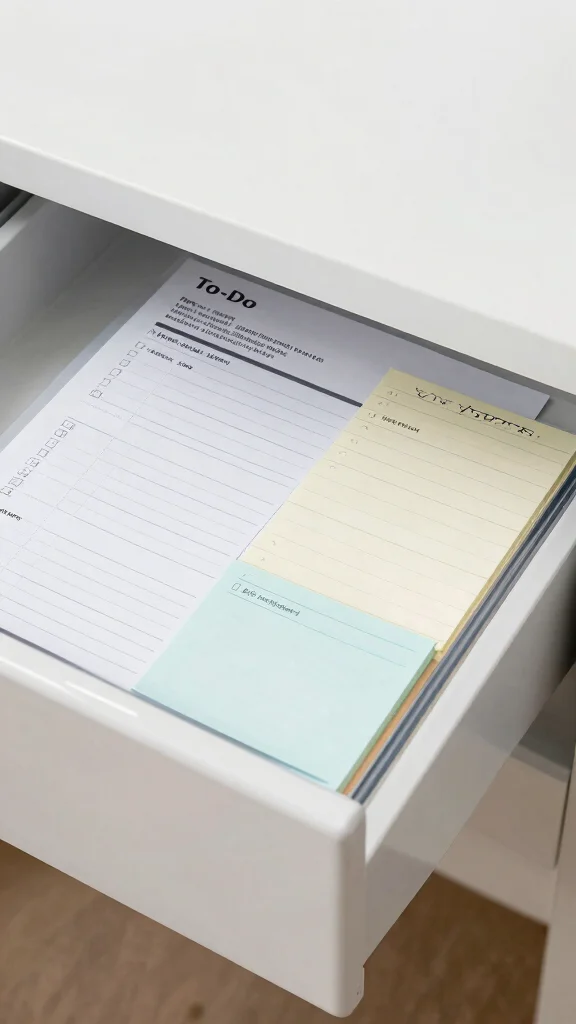
Establishing a designated ‘To-Do’ section in your drawer helps you stay organized and manage tasks effectively. This section allows you to visualize your workload, reducing stress and enhancing productivity.
Use a dedicated folder or clip to hold your ‘To-Do’ items, and regularly update this section to prevent overwhelm. Keeping it at the front ensures quick access when you need it most.
Here’s how to set up your ‘To-Do’ section:
– Use a folder or clip to organize ‘To-Do’ items.
– Regularly review and update tasks for clarity.
– Keep this section at the front for easy access.
A clear ‘To-Do’ section aids in prioritizing tasks, helping you maintain focus and accomplish your goals efficiently.

15. Incorporate Plant Life
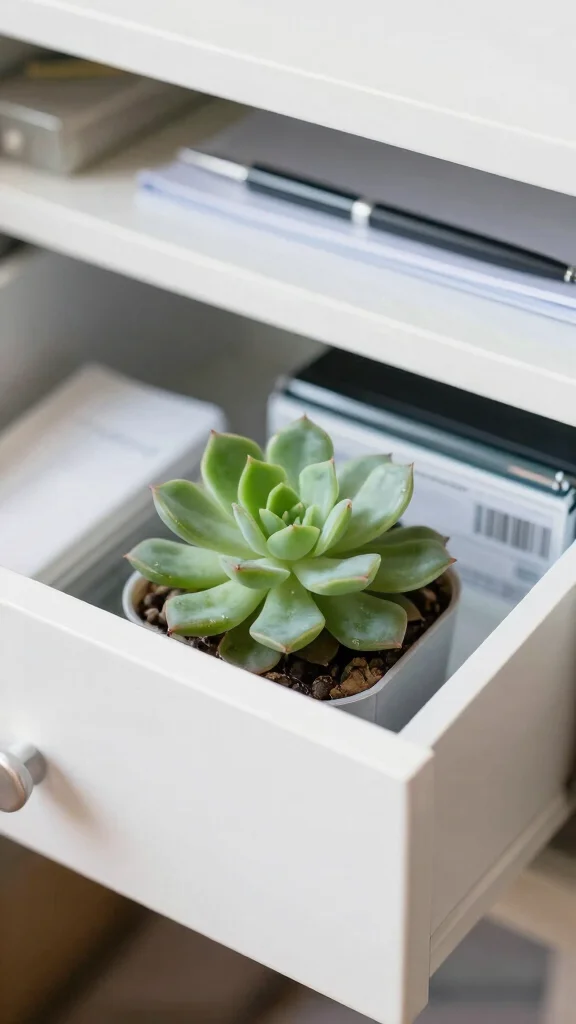
Adding small plants to your drawer not only enhances aesthetics but also improves air quality. Consider low-maintenance plants that can thrive in your office environment.
Plants boost your mood and add a refreshing touch of nature to your workspace. They can be tucked into corners without taking up much room, making them an excellent addition.
Explore the benefits of office plants:
– Improve air quality and boost your mood.
– Small plants fit easily into tight spaces.
– Bring a touch of nature into your workspace.
Incorporating plant life creates a calming atmosphere, positively influencing your productivity and creativity throughout the day.
16. Use Drawer Liners
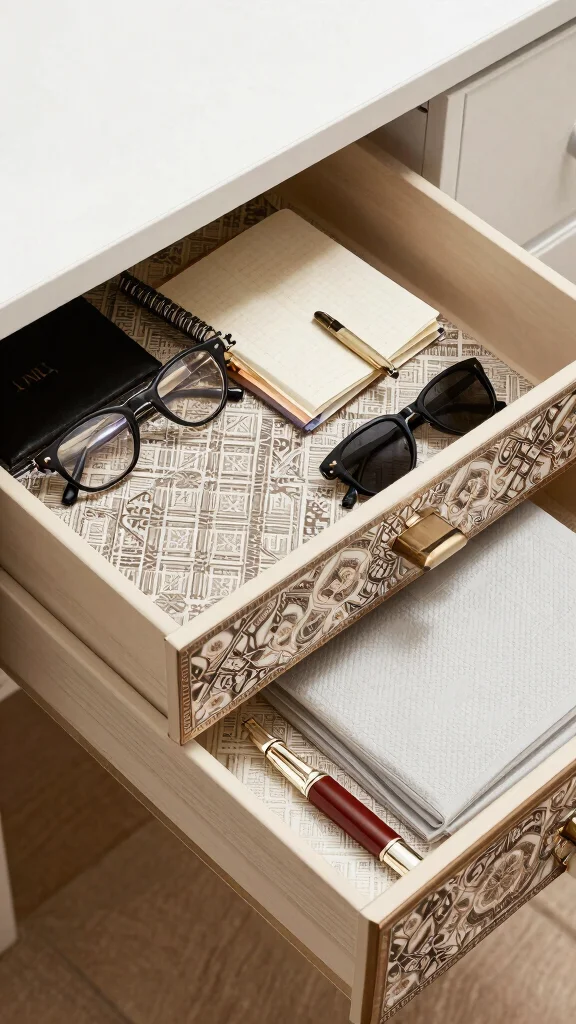
Drawer liners are a simple yet effective way to maintain organization while adding a stylish touch to your drawer. They protect surfaces and keep items from sliding around, enhancing functionality and aesthetics.
Choose washable or easy-to-clean materials for convenience, and consider patterns that complement your office decor. Ensure the liners stay in place while allowing items to slide easily over them.
When selecting drawer liners:
– Opt for washable materials for easy maintenance.
– Choose patterns that match your office style.
– Ensure liners stay put while providing smooth surfaces.
A well-selected liner can significantly improve your drawer’s organization while contributing to a visually appealing workspace.


17. Embrace a Workflow System
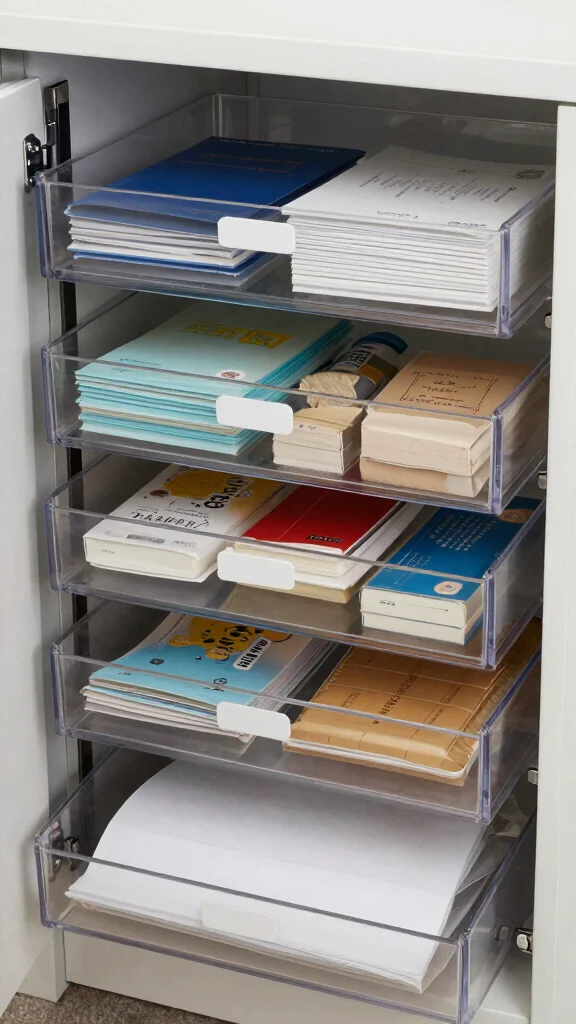
Creating a workflow system can streamline your tasks and enhance focus. By organizing your drawer according to your workflow, you’ll find everything you need to complete tasks efficiently.
Identify the main tasks you perform and arrange your drawer items to align with these tasks. Regularly reassess your organization to adapt to changing needs.
Develop your workflow system by:
– Identifying main tasks and necessary items.
– Arranging items to match your workflow.
– Regularly adjusting based on your evolving needs.
This system minimizes distractions, allowing you to stay in the zone and ensuring your workspace supports your productivity.
18. Reflect and Adapt

Regularly reflecting on your organization strategies is vital for maintaining an effective workspace. What works now may need adjustments in the future as your workload and preferences evolve.
Set monthly or quarterly reviews to assess your drawer’s organization and identify what is working or what needs change. Stay open to new tools and techniques that can further enhance your organization.
Consider these reflection tips:
– Schedule monthly or quarterly reviews of your drawer.
– Evaluate what’s working and what isn’t.
– Embrace new tools and techniques for improvement.
By maintaining a mindset of adaptability, you can ensure your workspace continues to meet your needs and fosters focus and productivity in your daily tasks.
Conclusion
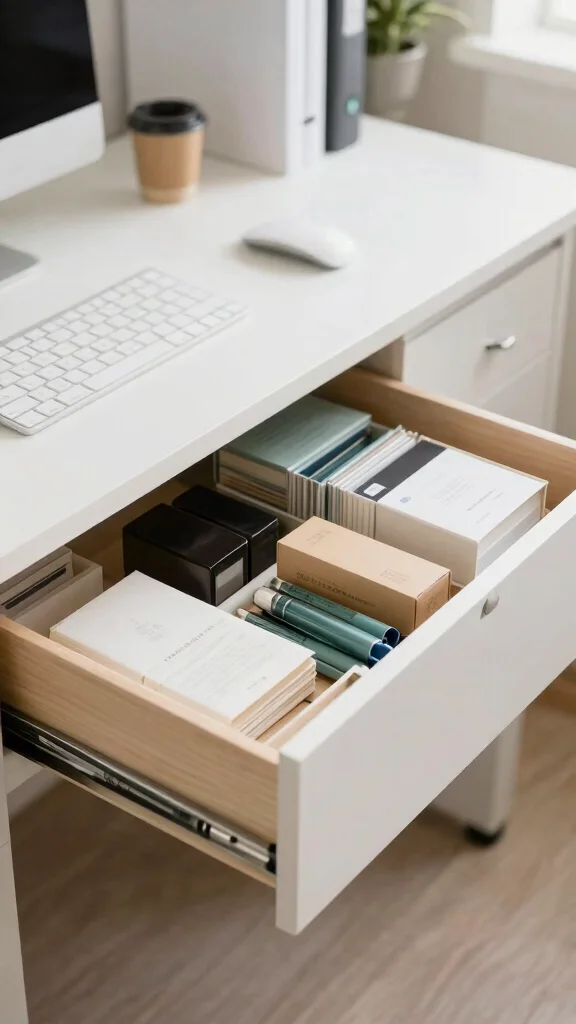
Embracing these 18 office drawer organization tips can significantly enhance your workspace and your productivity. With a focus on minimalist strategies, you can create an environment that not only looks good but also fosters efficiency and clarity. By regularly assessing and adapting your organization methods, you’ll continuously enjoy a clean, functional space that meets your professional needs.
Consider which tips resonate most with you and start implementing them today for a more organized and stress-free workspace.
Frequently Asked Questions
How do I start with office drawer organization for a minimalist desk?
To begin with office drawer organization, pull everything out and sort into keep, donate, and trash. Then assign simple zones (pens, cables, receipts) and choose slim office storage solutions that fit your drawer size. Use shallow dividers, label items, and keep only 1-2 essentials per drawer to stay uncluttered. Schedule a quick daily reset to maintain workspace organization and your efficient office setup.
Pro tip: pick a neutral color palette and stackable trays to maintain a calm, focused look.
What are the best office storage solutions for a small desk to maximize space?
For a small desk, lean into office storage solutions that fit compact drawers. Try shallow drawer organizers, vertical dividers, stackable trays, cable clips, and a small tray for receipts. Label everything so you can find items at a glance, which boosts workspace organization and makes the efficient office setup easier to maintain.
Tip: keep only your daily tools in the top drawer and store rarely used items elsewhere.
How can I declutter my desk drawer quickly without losing productivity?
Use one of these decluttering techniques you can do in minutes: empty the drawer, sort by daily use, and remove anything you haven’t used in the last two weeks. Keep a small reset bin for items to return after use. Create a rule that every new item replaces an old one to stay minimal. This approach keeps office drawer organization simple and supports your workspace organization and productivity tips.
Pro tip: implement a weekly 5-minute tidy to prevent buildup.
Which items are essential for an efficient office setup?
Essentials include a reliable pen and notepad, a compact stapler, scissors, chargers, USB drives, and a small tray for loose items. Add a minimal cable management kit and a label maker to keep drawers clear. Keeping these items neatly stored under a few well-chosen office storage solutions supports an efficient office setup and workspace organization.
Less-is-more mindset helps reduce clutter and free mental bandwidth for focused work.
How does proper workspace organization impact productivity and focus?
When your space is organized, it reduces decision fatigue and boosts focus. A tidy workspace organization supports productivity tips by making it easier to start tasks and find what you need. Try keeping just three core items in the top drawer, color-code categories, and schedule a quick daily tidy. The result: less stress, faster task execution, and more time for deep work.
Healthy organization fuels sustainable focus and better overall performance.
Related Topics
office drawer organization
minimalist office
workspace organization
productivity tips
decluttering techniques
efficient office setup
easy organization
home office decor
storage solutions
beginner friendly
time-saving tips
creative storage