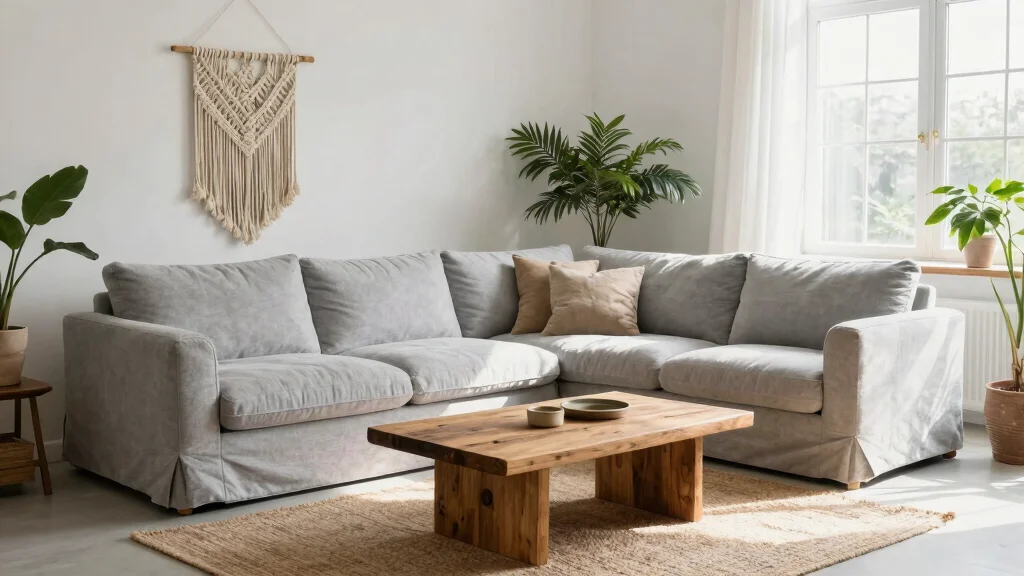
Expert Home Style – For the Price of a Coffee ($3.90)
Master high-end design secrets (Tuscan, Modern) without the expensive consultants.
🛒 Buy NowCreating the perfect living room in a small space can feel daunting. With the rising trend of urban living and compact homes, many people are craving stylish yet functional decor solutions. This post is for you if you find yourself navigating the challenges of limited square footage while wanting to maintain a modern and minimalist aesthetic. We’ve all been there, staring at a blank wall or cluttered corner, wondering how to transform it into a cozy and inviting area.
In this guide, you’ll discover 19 modern minimalist living room ideas designed specifically for small spaces. Each idea aims to maximize your area while keeping it chic and organized. Whether you are a lifelong minimalist or just starting your journey towards sustainable living, these tips will help you create a home that reflects your style without overwhelming your space. Get ready to embrace a lifestyle that emphasizes simplicity and elegance!
Key Takeaways
– Explore the magic of multifunctional furniture that serves more than one purpose, such as a sofa bed or an ottoman with storage.
– Bright, breezy color palettes can open up a small room, making it feel larger and more inviting.
– Use eco-friendly textiles to make your space not only stylish but also sustainable.
– Incorporate minimalist wall art to add character without overwhelming your walls.
– Smart lighting solutions can enhance the ambiance, creating a cozy atmosphere in your modern minimalist living room.


Contents
- 1. Multifunctional Furniture Magic
- 2. Bright and Breezy Color Palettes
- 3. Eco-Friendly Textiles
- 4. Minimalist Wall Art
- 5. Indoor Plants for Freshness
- 6. Smart Lighting Solutions
- 7. Open Shelving
- 8. Neutral Flooring Choices
- 9. Unique Storage Solutions
- 10. Simple Window Treatments
- 11. Personal Touch with Upcycled Decor
- 12. Smart Use of Mirrors
- 13. Layered Textures
- 14. Thoughtful Accessories
- 15. Zen-Inspired Spaces
- 16. Clever Use of Vertical Space
- 17. No-Fuss Layouts
- 18. Sustainable Living Room Essentials
- 19. Embrace Negative Space


1. Multifunctional Furniture Magic
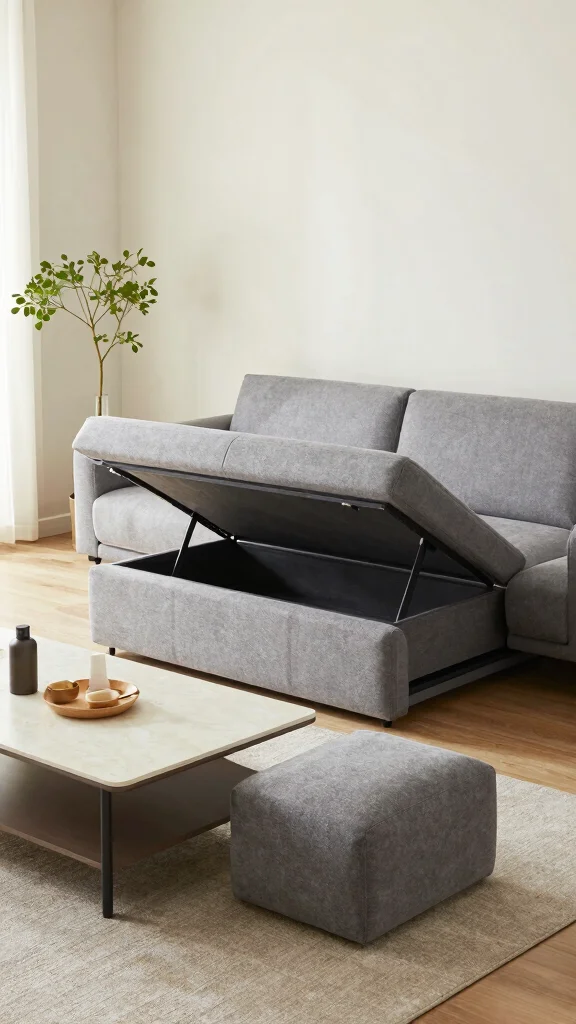
In small spaces, multifunctional furniture is a game changer. A sofa that converts into a bed, an ottoman with hidden storage, or a coffee table that transforms into a dining surface can work wonders. These versatile pieces not only save valuable space but also maintain a clean, minimalist aesthetic by reducing clutter. Opt for stylish options crafted from sustainable materials like strong bamboo or reclaimed wood to elevate your decor.
To make the most of multifunctional furniture, look for pieces that fit seamlessly into your design. Consider budget-friendly alternatives by shopping at second-hand stores or online marketplaces. This approach aligns with broader design trends that emphasize sustainability and functionality.
Consider these practical tips:
– Pair a sofa bed with decorative throw pillows for comfort.
– Use an ottoman that doubles as a coffee table or storage.
– Install a coffee table with adjustable height for dining ease.
By selecting furniture that serves multiple purposes, you can maintain style while keeping your space organized. Incorporating various textures and materials enhances the overall design, making your living area both functional and inviting.


How To Choose Minimalist Furniture for Your Modern Living Room
Choosing the right minimalist furniture for a small living room can transform your space into a stylish, functional retreat. Here’s a guide to help you select the best pieces that align with modern interior design while maximizing the use of your space.
1. Size Matters
When selecting furniture, consider the dimensions of your living room. Small spaces benefit from scaled-down furniture that provides comfort without overwhelming the area. Measure your space before shopping; aim for pieces that leave at least 18 inches of walking room around each item. This ensures ease of movement and a less cramped atmosphere.
2. Material Choice
Opt for lightweight materials like metal, glass, or light wood. These materials not only create an airy feel but also make it easier to rearrange your furniture as needed. For upholstery, look for eco-friendly textiles that are both durable and easy to clean. Fabrics like organic cotton or linen are excellent choices that align with sustainable living principles.
3. Functionality is Key
In a small living room, every piece of furniture should serve multiple purposes. Choose multifunctional items, like a coffee table with storage or a sofa that converts into a bed. This approach not only saves space but also reduces clutter, keeping your room looking tidy and organized.
4. Minimalist Design
Seek out furniture with clean lines and simple shapes. Avoid ornate designs that can make your space feel busy or cluttered. A sleek sofa or an understated armchair can anchor your room while promoting a minimalist aesthetic. Stick to a neutral color palette to maintain a cohesive look that enhances the spacious feel of your living area.
5. Budget Considerations
Establish a budget before you start shopping. Minimalist furniture can vary widely in price, so it’s essential to know what you can spend. Invest in a few quality pieces that will last, rather than filling your room with inexpensive items that may wear out quickly. Consider buying second-hand furniture or visiting local markets for unique finds that fit your budget.
6. Visual Cohesion
Ensure that the furniture you choose complements each other in style and color. A cohesive look can make a small space feel larger and more inviting. Mixing textures can add depth without overwhelming the room. For instance, pair a soft fabric sofa with a sleek glass coffee table for a balanced appearance.
Pro Tip: Before making a purchase, visualize how each piece will work within your space. Use painter’s tape to mark the dimensions on your floor and see how the flow feels. This simple trick can help you make more informed decisions about your furniture choices!
This guide should help you navigate the selection process for minimalist furniture that caters to both style and practicality in your small living room. Enjoy the journey of creating a space that reflects your personality while remaining functional and inviting.


2. Bright and Breezy Color Palettes
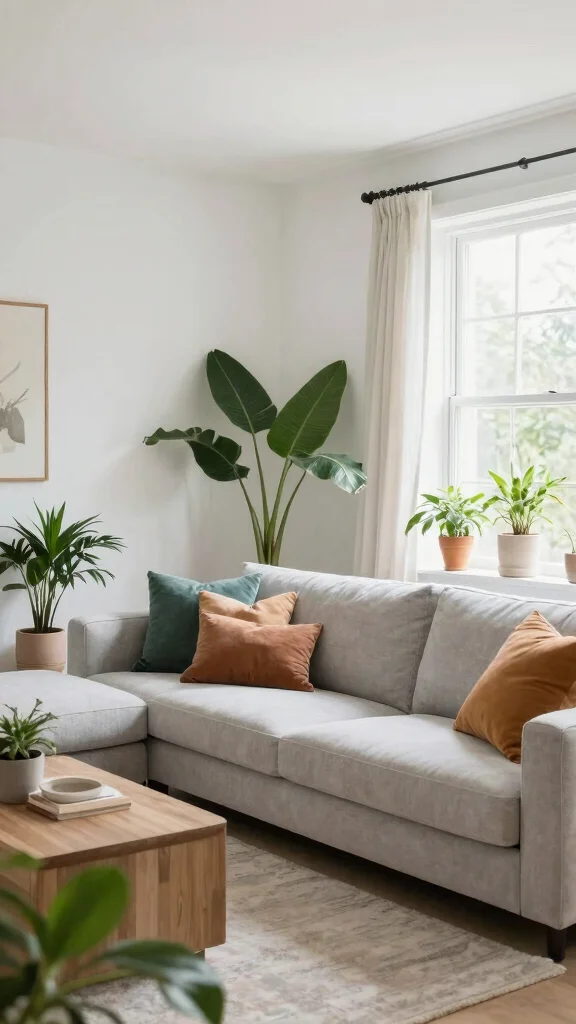
A light and airy color palette is essential for minimalist design, promoting a sense of openness. Soft whites, pale grays, and gentle earth tones create an inviting atmosphere that feels spacious and tranquil. You can add accents of color through decorative elements like cushions or artwork, ensuring they adhere to your sustainable principles with eco-friendly materials.
For a harmonious look, stick to neutral base colors that expand the visual feel of your room. Incorporate colors inspired by nature, such as soft greens or tranquil blues. Choosing low-VOC natural paints helps foster a healthier living environment while aligning with your minimalist goals.
Implement these ideas:
– Stick to neutral base colors for an expansive feel.
– Bring in natural hues like greens and blues for freshness.
– Use natural, low-VOC paints for a healthier atmosphere.
These thoughtful choices not only unify your design but also create a calming retreat, perfect for relaxation after a busy day.
3. Eco-Friendly Textiles
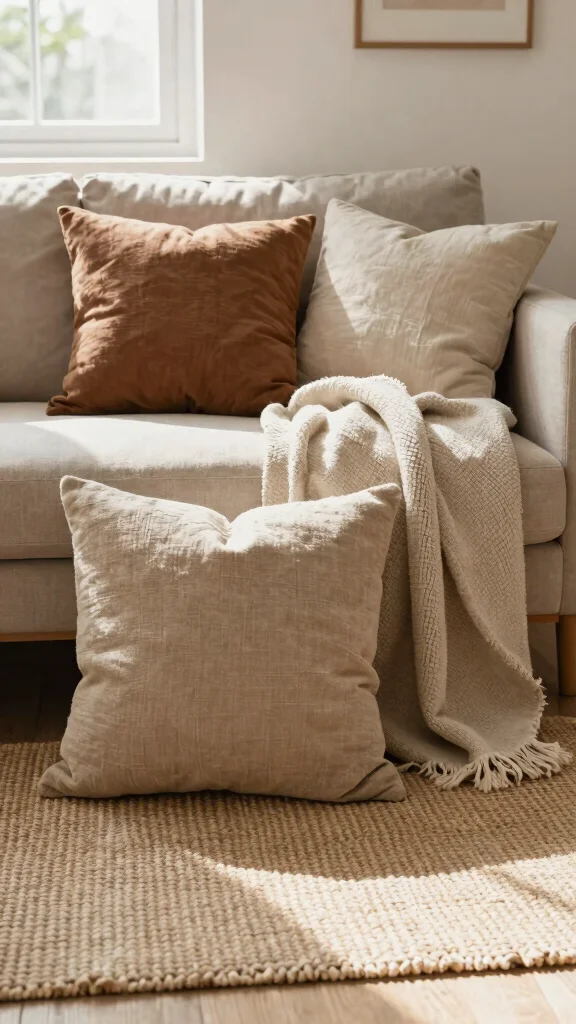
Opting for eco-friendly textiles in your living room is a beautiful way to enhance comfort while supporting the environment. Fabrics made from organic cotton, linen, or recycled materials provide a soft touch while ensuring your space remains sustainable. These choices not only look stunning but also contribute to improved indoor air quality.
Choose textiles that align with your values and enhance your living area. Look for budget-friendly options at local markets or online stores. By selecting fabrics that are both stylish and sustainable, you create a nurturing environment for yourself and your family.
Here are some ideas:
– Opt for cushions made from organic fabrics for softness.
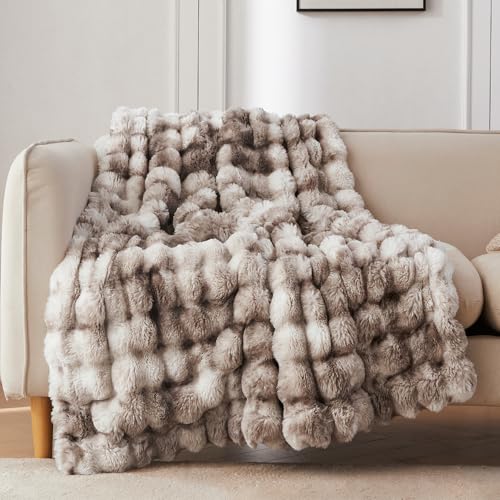
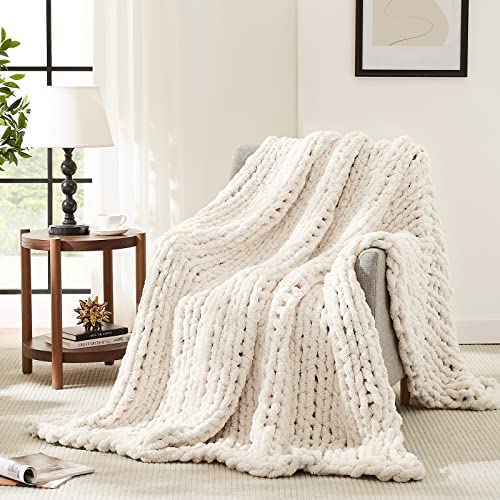
– Consider throw blankets crafted from recycled fibers for warmth.
– Use natural fiber rugs to add texture without excess.
Utilizing these materials elevates your living space while demonstrating a commitment to the planet.




4. Minimalist Wall Art
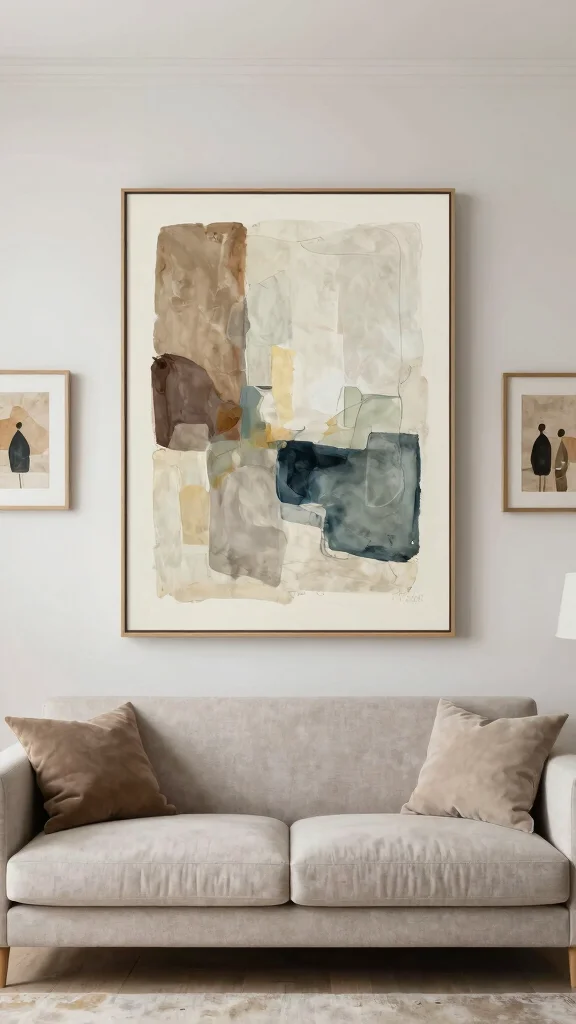
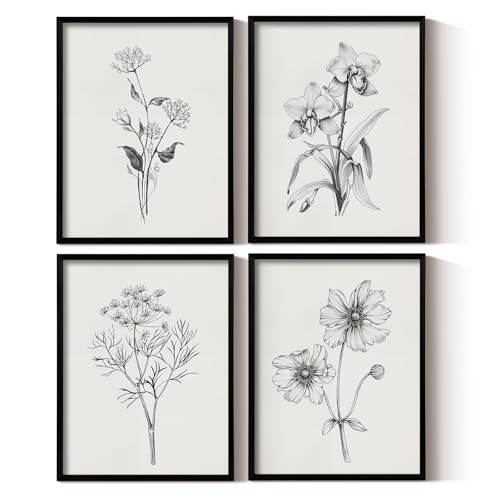
When it comes to wall art in a minimalist living room, simplicity is key. Large-scale pieces or a few thoughtfully selected smaller artworks can create a stunning focal point without overwhelming the space. Seek out artists who prioritize sustainable practices or consider prints on recycled paper to enhance your eco-friendly decor.
Carefully curating your art collection allows you to express your personality while keeping the aesthetic clean. Look for unique finds at local art fairs or online platforms that support sustainable artists. This approach enhances your space’s charm without cluttering it.
Consider these suggestions:
– Choose simple, abstract pieces that complement your color scheme.
– Frame art in reclaimed wood for an eco-friendly touch.
– Create a gallery wall with selected items to maintain focus.
This minimalist approach enriches your decor while supporting local or environmentally-conscious artists.
Fun fact: One large wall art piece can visually expand a small living room by up to 25%. For modern minimalist living room small spaces, choose sustainable artists or prints on recycled paper to keep the eco-friendly vibe. Curate thoughtfully to express personality without clutter.


5. Indoor Plants for Freshness
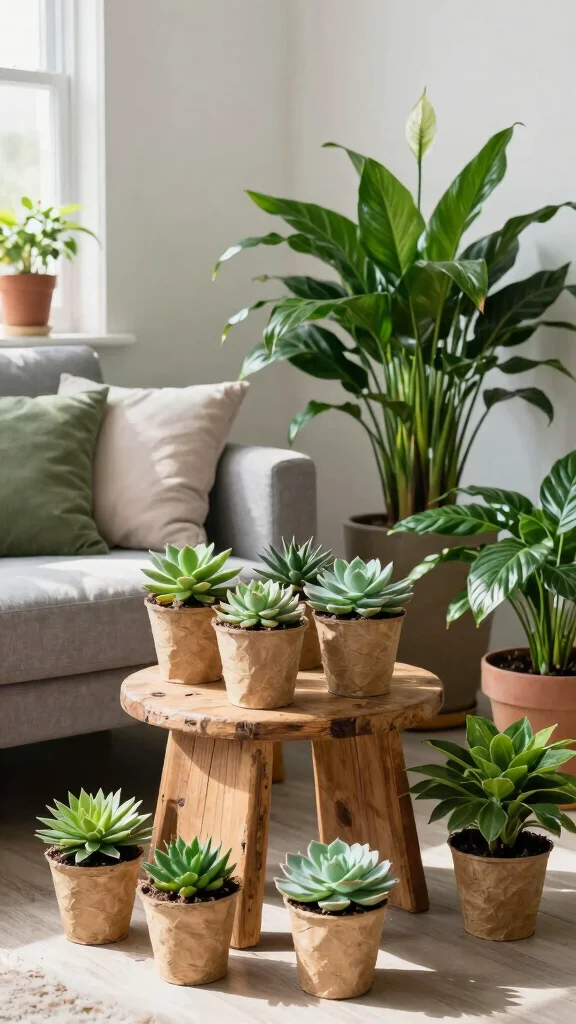
Incorporating indoor plants into your living room is a wonderful way to enhance your space with nature. They improve air quality and bring a calming vibe to your environment. Choose low-maintenance plants like succulents or peace lilies to ensure your greenery thrives indoors.
To maximize your plant decor, source pots made from biodegradable materials or recycled ceramics. Group plants of varying heights to create visual interest, and consider a dedicated plant corner to form a mini indoor garden. This approach merges sustainability with style effortlessly.
Here are some tips:
– Select pots made from biodegradable or recycled materials.
– Group plants of different heights for depth and interest.
– Create a designated plant corner for a mini garden effect.
Integrating greenery is an easy and stylish way to enhance your living space while promoting a sustainable lifestyle.


6. Smart Lighting Solutions
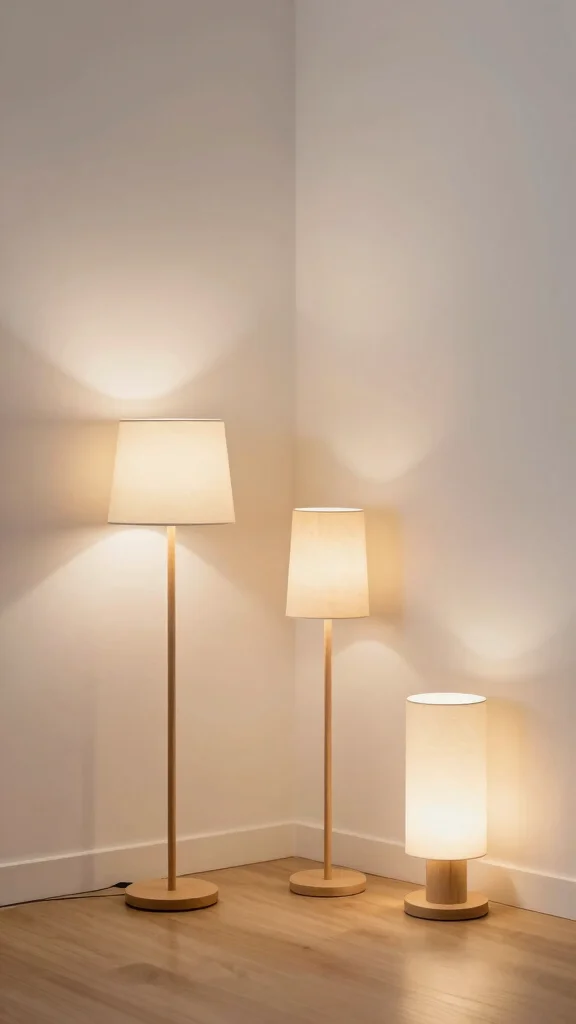
Lighting can significantly influence the ambiance of a small living area. For a minimalist design, layering your lighting with warm ambient, task, and accent lights is essential. Opt for energy-efficient LED bulbs and fixtures made from eco-friendly materials to maintain a sustainable environment.
Consider dimmable lights to control brightness and create the perfect mood. Using floor lamps with simple lines saves space while adding style. These selections not only enhance functionality but also contribute to an inviting atmosphere.
Try these ideas:
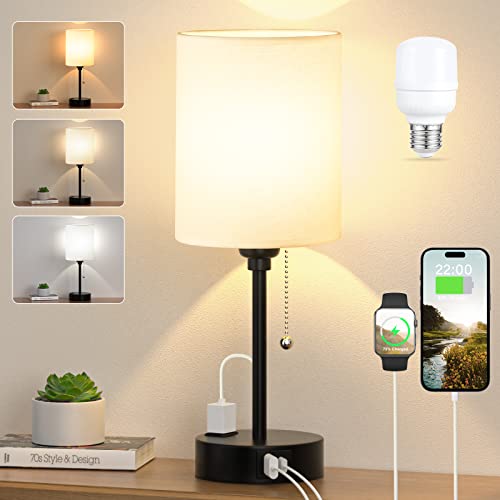
– Install dimmable lights to adjust brightness as needed.
– Use floor lamps with clean lines to save space.
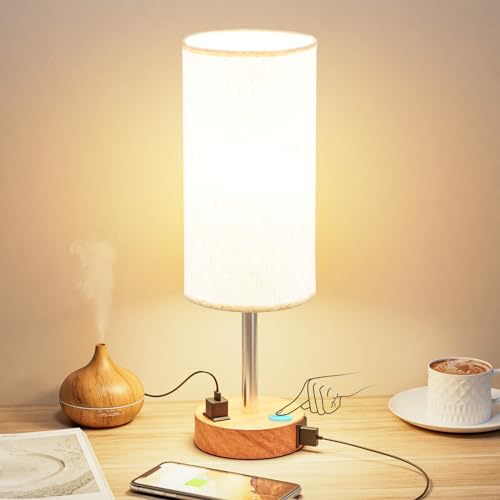
– Incorporate table lamps made from recycled materials for style.
These thoughtful lighting choices foster a cozy ambiance while supporting a sustainable lifestyle.


7. Open Shelving
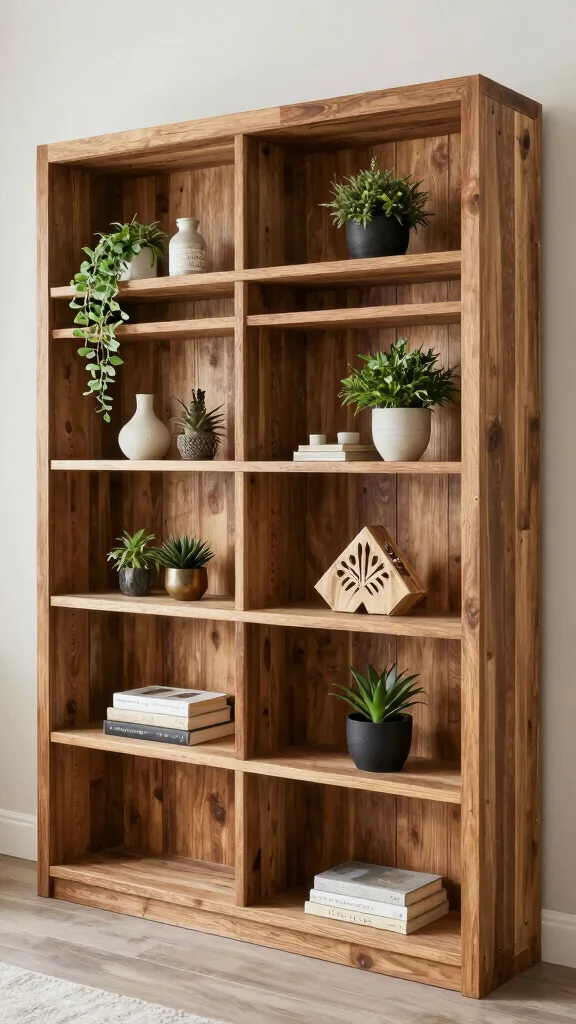
Open shelving is a fantastic way to showcase your belongings while keeping a minimalist vibe. By using shelves crafted from reclaimed wood or bamboo, you not only enhance sustainability but also create an inviting display. Organizing a few decorative pieces neatly can make a stunning impact without cluttering your space.
Limit the number of displayed items to maintain a clean look. Utilize baskets or boxes made from natural fibers to organize smaller items effectively. Curating your collection allows you to reflect your personal style while keeping your living area functional.
Consider these tips:
– Limit the number of items on display to stay minimal.
– Use natural fiber baskets to keep smaller items organized.
– Curate your collection to express your style and needs.
Open shelving not only adds character but also encourages organization, making your space both beautiful and functional.


8. Neutral Flooring Choices
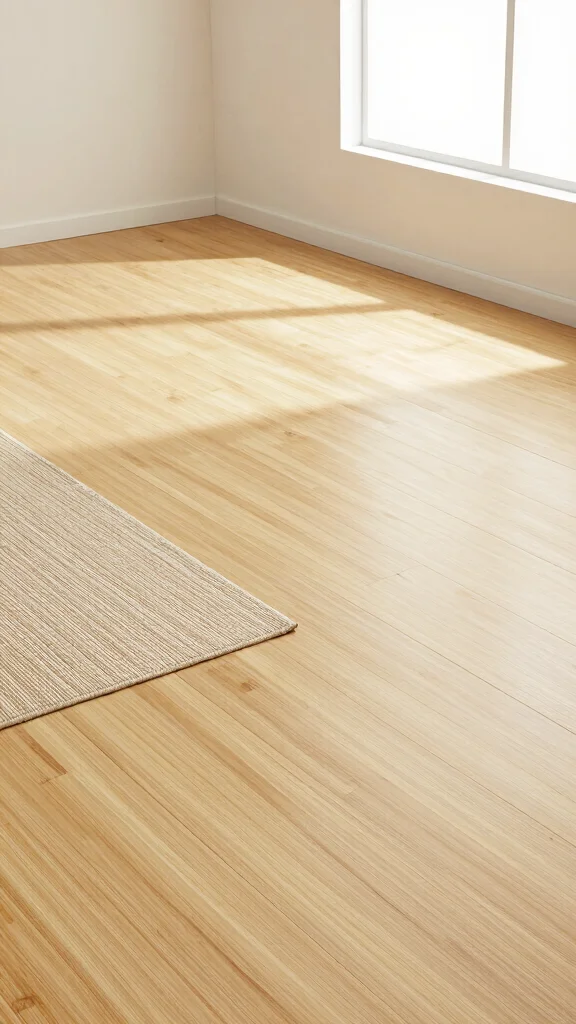
The choice of flooring can greatly influence the feel of a small living space. Light-colored, sustainable materials like bamboo or reclaimed wood enhance the airy vibe associated with minimalism. Natural fibers contribute warmth without overwhelming your decor, ensuring a balanced look.
Select light wood or laminate options for a modern touch. Cork flooring offers eco-friendly benefits while providing comfort underfoot. Layering rugs in natural materials can add texture without cluttering the space.
Implement these ideas:
– Choose light wood or laminate for a fresh, modern feel.
– Consider cork flooring for its eco-friendly comfort.
– Use natural material rugs to add warmth and texture.
These flooring choices help create a cohesive minimalist design while respecting sustainable practices.


9. Unique Storage Solutions
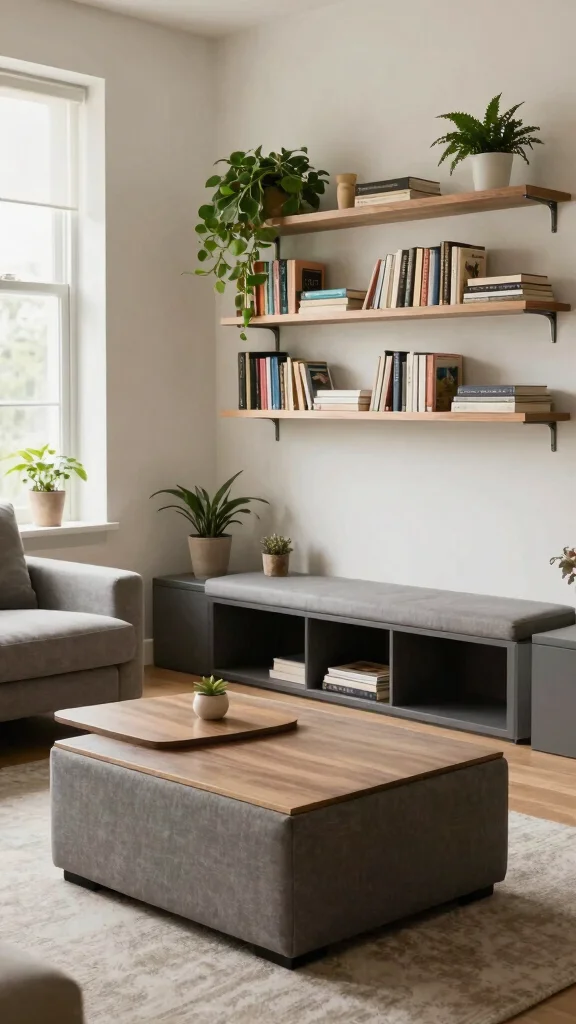
Maximizing storage in small spaces is essential, and unique solutions help keep your living room tidy and stylish. Look for multifunctional storage options, like benches with hidden compartments or bookshelves that serve as room dividers. Choosing eco-friendly materials ensures your storage is aligned with sustainable living.
Utilize wall-mounted shelves to free up valuable floor space. Investing in storage ottomans allows for multiple uses, while furniture that combines seating and storage maximizes functionality. These designs enhance organization while embracing an eco-conscious approach.
Consider these tips:
– Use wall-mounted shelves to make the most of vertical space.
– Invest in storage ottomans that serve multiple purposes.
– Opt for furniture that provides both seating and storage.
Smart storage solutions keep your space organized while supporting a sustainable lifestyle.



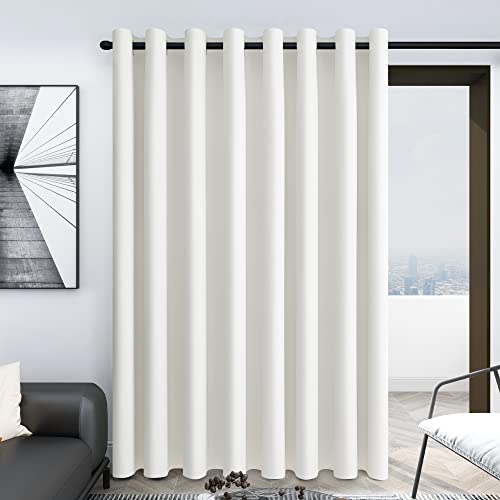
10. Simple Window Treatments
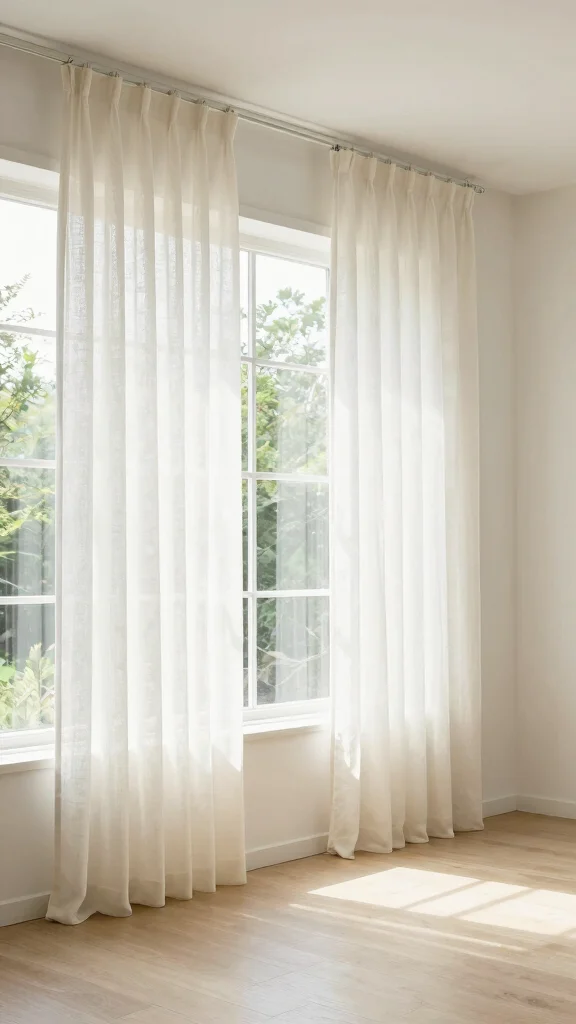
Simplicity is crucial when selecting window treatments for a minimalist space. Opt for sheer or lightly textured fabrics that allow natural light to filter through, enhancing the openness of your room. Sustainable materials like linen or organic cotton contribute to a greener home while maintaining a stylish look.
Using bamboo shades offers an eco-friendly option that complements minimalist aesthetics. Soft neutral curtains provide a timeless appeal, while avoiding heavy drapes keeps your space bright and airy. These selections enhance your room’s brightness while maintaining a clean, uncluttered appearance.
Here are some ideas:
– Use bamboo shades for an eco-friendly window treatment.
– Consider soft neutral curtains for a classic touch.
– Avoid heavy drapes to keep the space light and open.
These choices will elevate the brightness of your room, creating a serene atmosphere that aligns with minimalist principles.




11. Personal Touch with Upcycled Decor
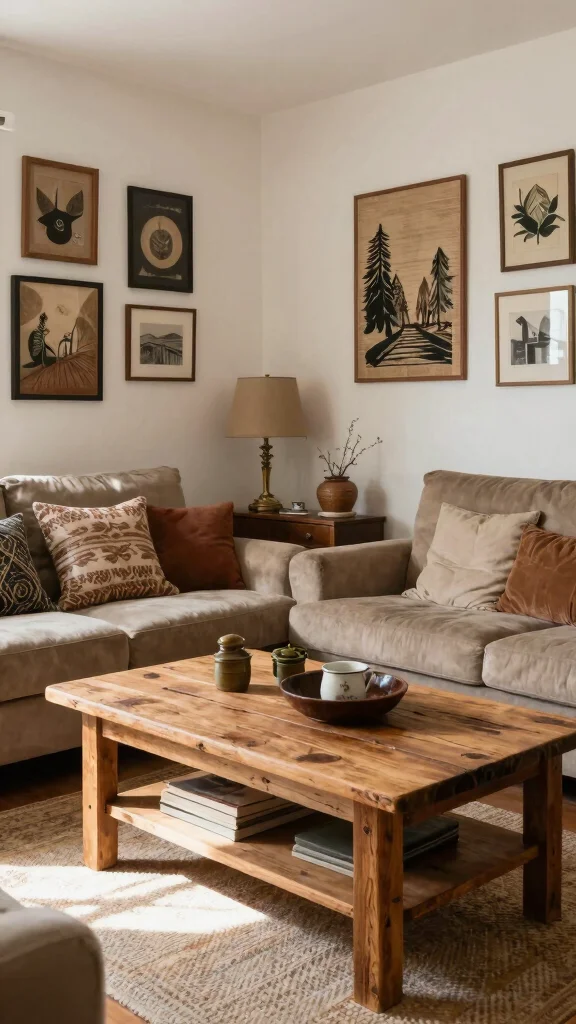
Adding personality to your minimalist living room can be achieved through upcycled decor that tells a unique story. Consider items like reclaimed wood shelves, vintage finds from thrift stores, or handmade pieces that add charm without compromising sustainability. Upcycling not only benefits the environment but also offers budget-friendly decor options.
Search for unique pieces that resonate with your aesthetic. Engage in DIY projects to create custom decor from items you already own. Displaying pieces with personal significance adds warmth and character to your space.
Try these ideas:
– Look for distinctive pieces that reflect your style.
– Consider DIY projects to breathe new life into old items.
– Showcase items with personal meaning for added warmth.
These personal touches will make your living space feel inviting and unique, moving beyond a showroom look.
12. Smart Use of Mirrors
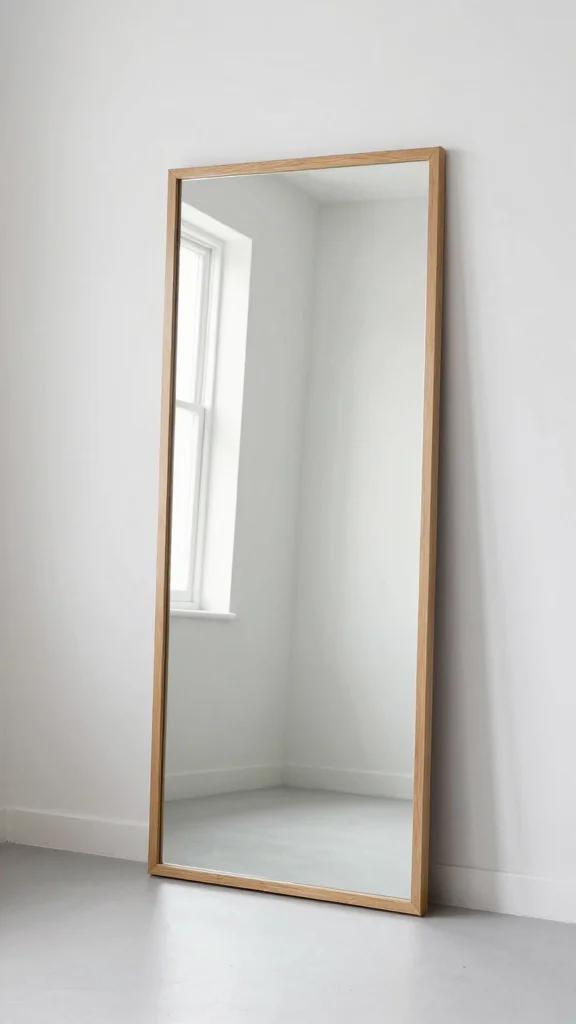
Mirrors serve as a classic technique for enhancing small living spaces by creating the illusion of expanded dimensions. In a minimalist design, large mirrors with simple frames maintain focus on the airy, light-filled atmosphere. Strategically placing mirrors can reflect light and views, making your room feel brighter and more spacious.
Consider a floor-to-ceiling mirror to maximize light and depth. Opt for mirrors with natural wood frames for an eco-friendly touch, while avoiding overly ornate designs to maintain simplicity. These choices enhance elegance without cluttering the aesthetic.
Implement these ideas:
– Use a floor-to-ceiling mirror to amplify light and space.
– Choose mirrors with natural wood frames for a touch of nature.
– Avoid ornate designs that complicate a minimalist look.
Incorporating mirrors effectively enhances the spaciousness and sophistication of your living area.


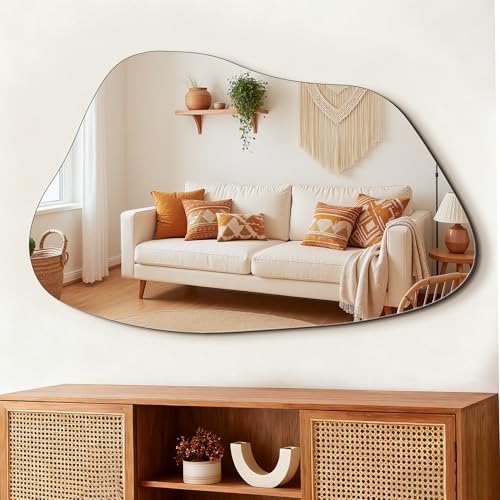

13. Layered Textures
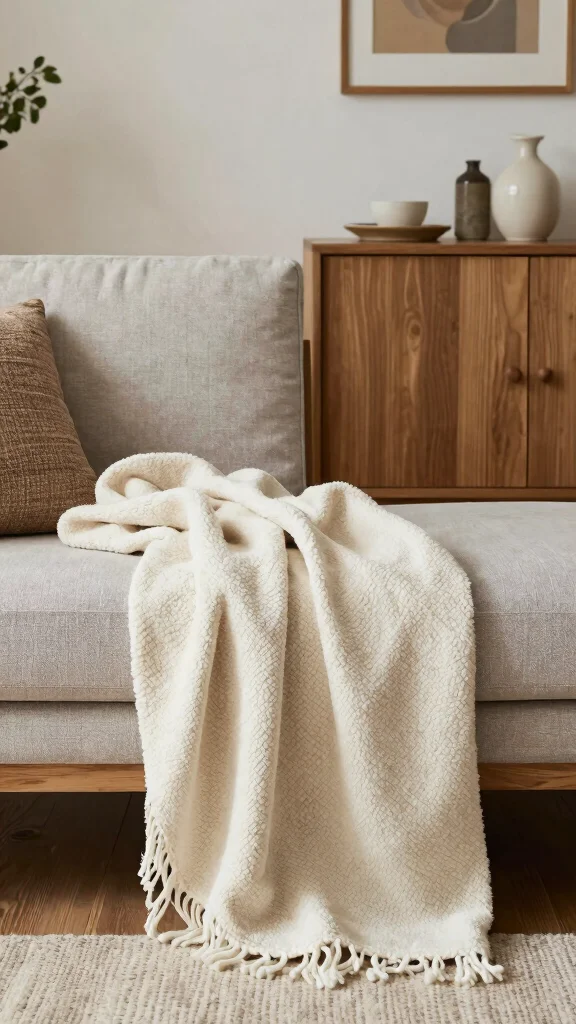
Minimalism doesn’t have to mean sacrificing warmth or comfort. Layering different textures is a wonderful way to enrich the atmosphere of your living room while remaining true to a cohesive color palette. Combine soft fabrics, natural woods, and ceramic elements to create a warm, inviting space that feels curated yet comfortable.
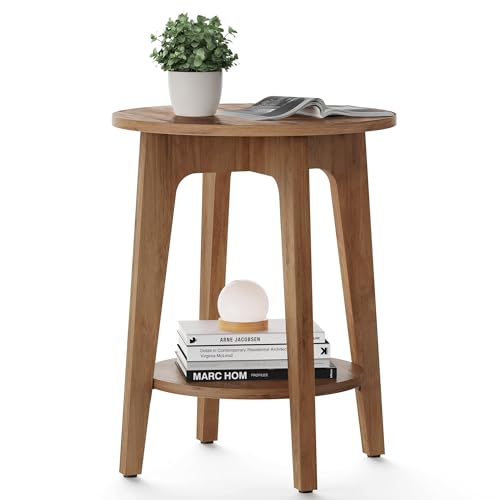
Utilize a variety of textiles, such as cotton, wool, and linen, to add depth. Incorporate wooden elements through bookshelves or side tables, and choose decorative ceramics for an artisanal touch. This thoughtful layering creates a welcoming ambiance while maintaining a modern minimalist vibe.
Consider these ideas:
– Use a variety of textiles to enrich the space.
– Incorporate wooden elements for warmth and texture.
– Choose decorative ceramics to add artisanal flair.
This approach will create a cozy atmosphere, preserving the essence of minimalism while enhancing comfort.




14. Thoughtful Accessories
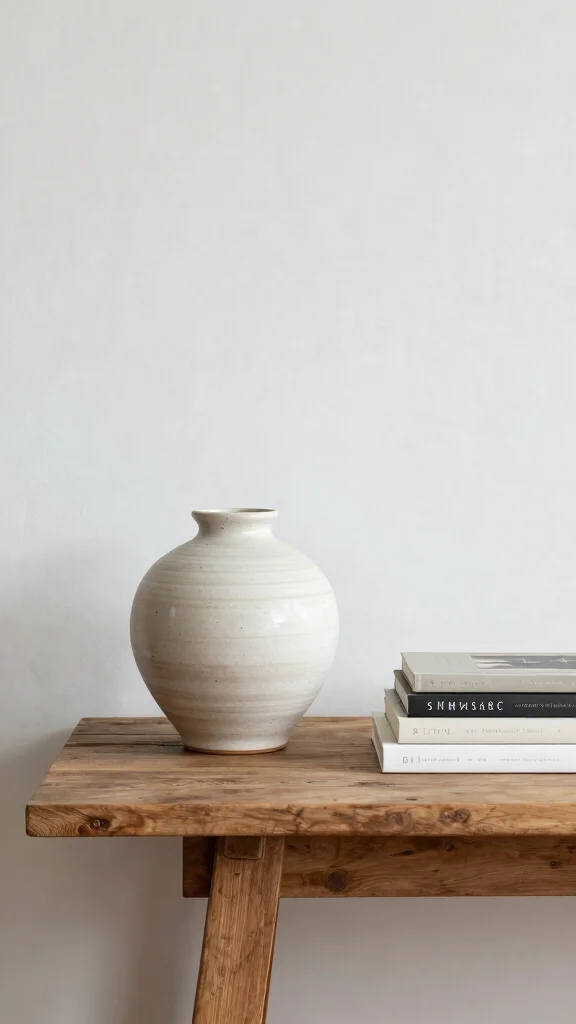
In a minimalist living room, selecting accessories carefully is essential to achieving a refined look. Rather than cluttering surfaces with many items, focus on a few meaningful pieces that resonate with your personal style. Handmade pottery, unique sculptures, or sustainable books can enhance the aesthetic without overwhelming the space.
Limit your accessories to three or four key pieces that make an impact. Opt for items made from organic or recycled materials to stay aligned with your values. Periodically rotating accessories can also keep the look fresh and engaging.
Implement these tips:
– Limit accessories to three or four impactful pieces.
– Choose items made from organic or recycled sources.
– Rotate accessories to maintain a dynamic design.
This curated selection ensures your living room remains stylish while embracing a minimalist philosophy.
Fun fact: In a modern minimalist living room for small spaces, limiting decor to three or four pieces can boost perceived space by up to 40%. Choose handmade pottery, sustainable books, and a sculpture to add meaning without clutter.



15. Zen-Inspired Spaces
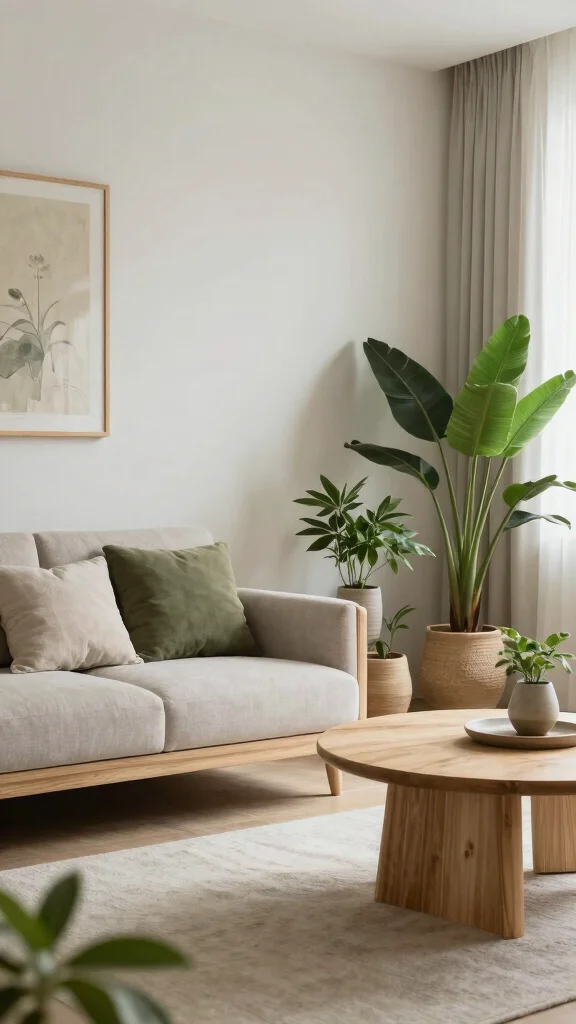
Creating a zen-inspired living room can enhance a minimalist design by focusing on relaxation and tranquility. Utilize elements that promote calmness, such as soft lighting, natural materials, and minimal decor. A zen space encourages unwinding and reconnection, making it ideal for small living areas.
Incorporate natural elements like stones, wood, and plants to cultivate a serene atmosphere. Use calming colors such as soft greens or blues to maintain a peaceful environment. Keeping decorations minimal avoids visual clutter and enhances the overall tranquility.
Consider these ideas:
– Incorporate natural elements for a calming feel.
– Use soft colors to promote relaxation.
– Keep decorations minimal to avoid distractions.
This approach creates a peaceful retreat that supports both relaxation and sustainable living.
16. Clever Use of Vertical Space
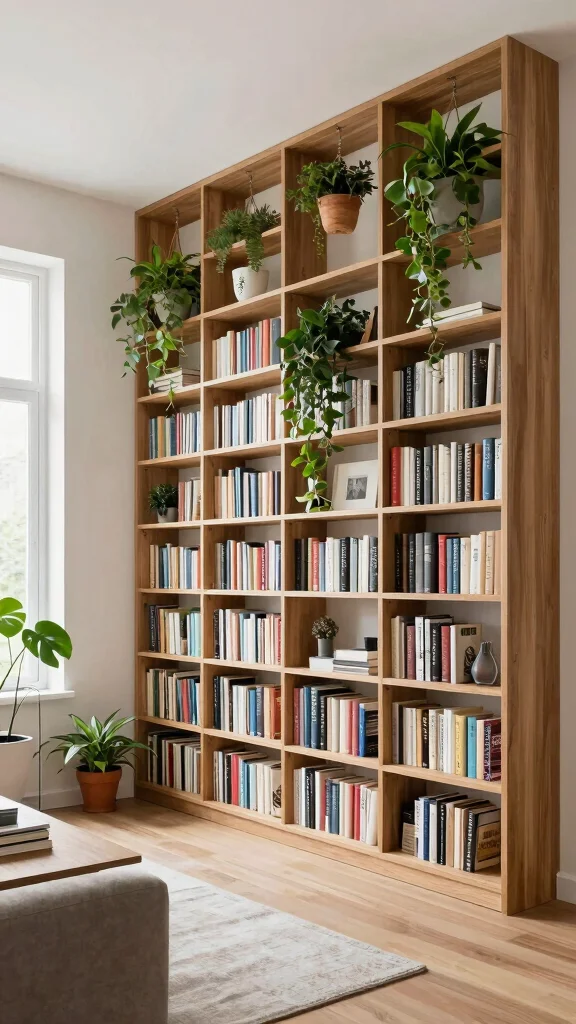
In small living rooms, maximizing vertical space is crucial for creating an open feel. Tall bookshelves, wall-mounted racks, and hanging plants draw the eye upward, enhancing the illusion of more space. Choosing sustainable materials for these vertical elements allows you to keep your decor eco-friendly while increasing functionality.
Install floor-to-ceiling shelves to make the most of your walls. Use hooks to hang plants or decorative items, and opt for tall, narrow furniture pieces to save valuable floor space. This strategic design approach helps maintain a minimalist vibe while elevating functionality.
Implement these tips:
– Install floor-to-ceiling shelves to utilize wall space.
– Use hooks for hanging plants or decor for added interest.
– Choose tall, narrow furniture pieces for efficiency.
This thoughtful use of vertical space enhances functionality while preserving a minimalist aesthetic.
17. No-Fuss Layouts
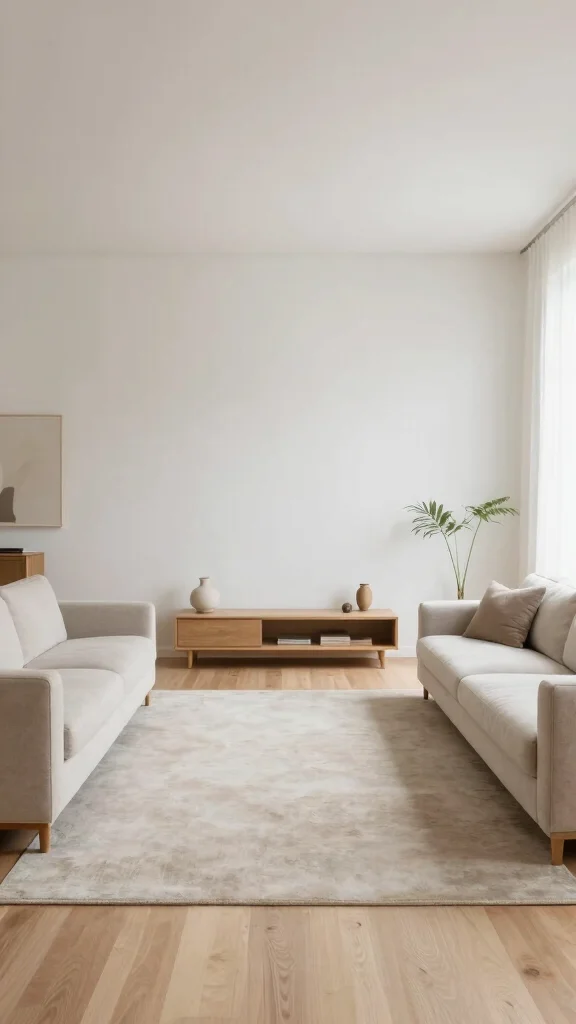
Creating a no-fuss layout is essential for a minimalist living room, especially in small spaces. Arranging furniture to encourage easy movement creates a clear focal point while avoiding overcrowding. Keeping pathways unobstructed mimics a spacious feel and maintains style.
Design your layout to facilitate conversation and movement, creating distinct areas for different activities like reading or relaxing. Use a central rug to anchor the space and define various areas, promoting a harmonious flow. This thoughtful planning can make compact spaces feel more organized and comfortable.
Consider these suggestions:
– Arrange furniture for easy conversation and movement.
– Define separate areas for activities like reading or relaxing.
– Use a central rug to create a cohesive look.
A well-planned layout enhances the organization and comfort of small spaces.
18. Sustainable Living Room Essentials
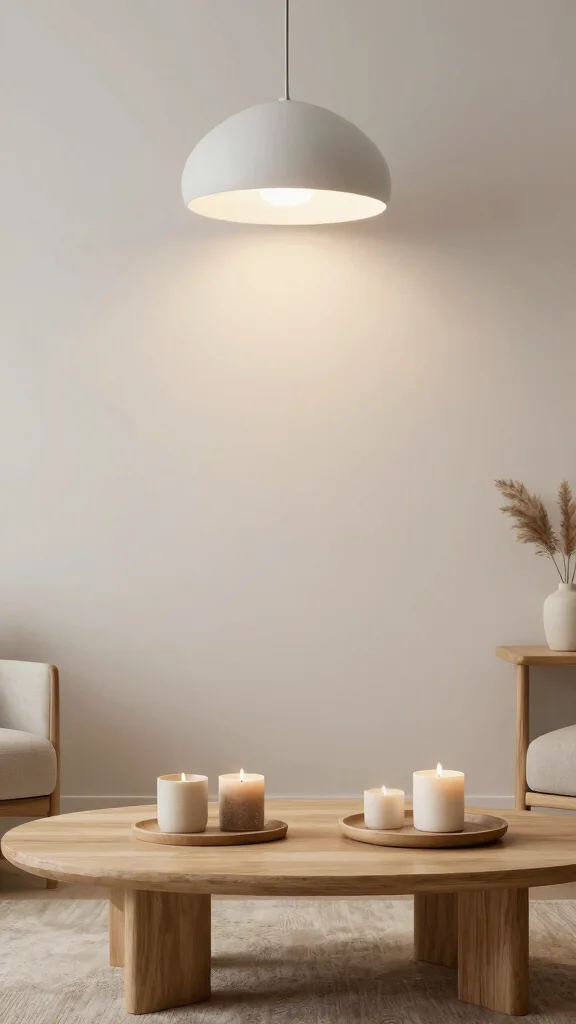
Lastly, consider essential items that are both functional and sustainable for your living room. This includes energy-efficient appliances, eco-friendly candles, and sustainable decorative elements that align with your minimalist vision. The careful selection of materials plays a significant role in creating a truly minimal yet environmentally-friendly space.
Look for energy-efficient lighting options that reduce power consumption. Choose candles made from soy or beeswax instead of paraffin to minimize toxins. Selecting decorative items crafted from natural or recycled materials reinforces your commitment to sustainability.
Implement these ideas:
– Seek energy-efficient lighting fixtures for sustainability.
– Choose soy or beeswax candles for a cleaner burn.
– Select decor made from natural or recycled materials.
These essentials contribute to a sustainable lifestyle while enhancing the beauty of your living space.
Fun fact: LEDs use up to 85% less energy than incandescent bulbs, ideal for small spaces where every watt counts. Swap in energy-efficient lighting and your modern minimalist living room small spaces stay bright without clutter.
19. Embrace Negative Space
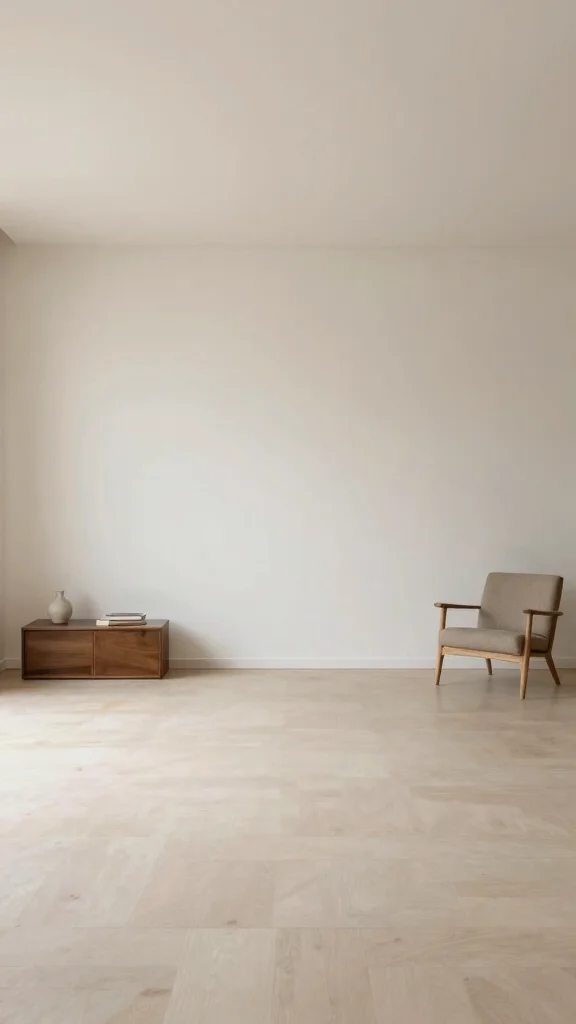
Embracing negative space is a fundamental principle of modern minimalist design. Intentionally leaving areas empty creates balance and visual appeal, allowing the eye to rest while emphasizing the beauty of simplicity. This is particularly important in small spaces, where every inch counts.
Avoid overcrowding your room with furniture and decor pieces. Designate specific areas to remain empty for a balanced look. Opt for fewer decor items to highlight the inherent beauty of your space, making it more serene and spacious.
Consider these strategies:
– Avoid overcrowding furniture and decor pieces.
– Designate empty areas to achieve balance.
– Select fewer decor items to enhance beauty.
By allowing negative space to play a role in your design, you create a more serene, spacious feeling that enhances the overall atmosphere.
Conclusion
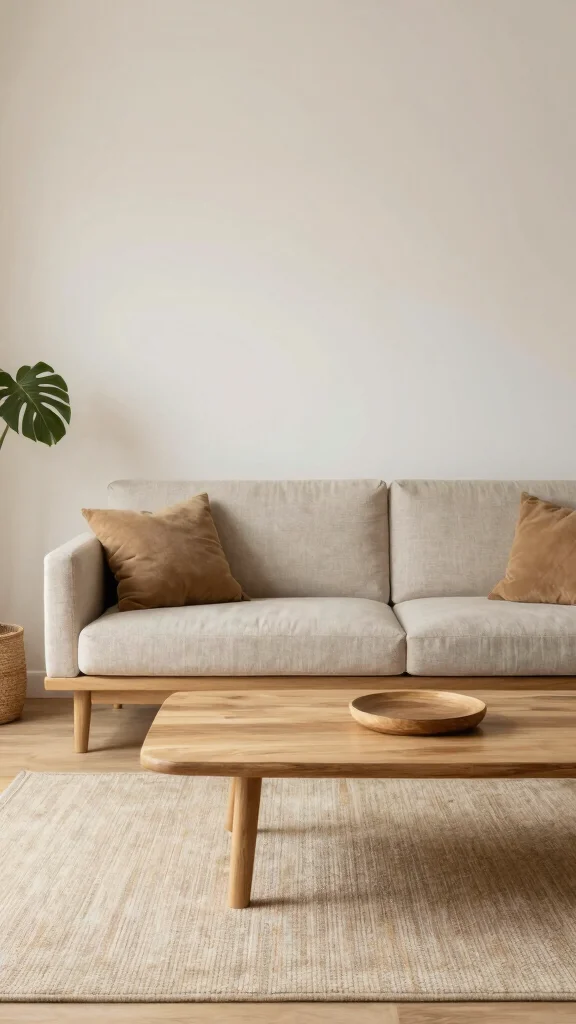
Transforming your small living room into a modern minimalist haven is not only achievable but can also be a sustainable choice. By embracing multifunctional furniture, eco-friendly materials, and thoughtful design, you can create a space that reflects your style and values. Remember, it’s all about making smart choices that merge beauty with sustainability, proving that less truly can be more!
Frequently Asked Questions
What are the essential principles of a modern minimalist living room for small spaces?
Designing a modern minimalist living room for small spaces means prioritizing simplicity, function, and light.
Start with a neutral palette (think whites, beiges, and soft grays) and use a single accent color to keep the space cohesive.
Choose minimalist furniture with a small footprint and clean lines, and leave plenty of negative space to breathe.
Use compact living solutions like a sofa with hidden compartments, a slim console that doubles as a desk, or a coffee table with drawers.
Embrace mindful decluttering and a thoughtful layout to preserve flow and natural light. For stylish organization, opt for built-in or wall-mounted storage to keep surfaces clear while staying true to modern interior design.
How can I maximize stylish organization in a small space without sacrificing aesthetics?
To maximize stylish organization in a small living room, prioritize vertical storage and hidden compartments.
Install wall-mounted shelves and a tall bookcase to draw the eye upward and free floor space.
Choose a coffee table or storage ottoman with built-in drawers to hide remotes, chargers, and magazines.
Use tiered organizers inside drawers and transparent or uniformly colored bins to keep clutter under control while preserving a clean look in the modern minimalist living room small spaces.
Opt for furniture with integrated cable management and choose a slim console behind the sofa as a drop zone for keys and mail. Finally, adopt a simple, repeatable labeling system to keep stylish organization consistent.
What sustainable, space-saving furniture should I prioritize for a modern interior design in a small living room?
From sustainable materials to space-saving design, start with the essentials: choose sustainable materials like FSC-certified wood, recycled metal, and low-VOC finishes.
Favor multifunctional pieces that reduce clutter: a sofa bed, storage ottoman, or a wall bed if possible.
Pick minimalist furniture with clean lines and a timeless look to avoid frequent replacements.
Buy pieces modularly so you can reconfigure as needs change.
Support local or second-hand options to reduce footprint. Before buying, measure doorways and stairwells to ensure you can actually bring items inside. This aligns with compact living solutions and modern interior design principles.
How can lighting and color choices make a small modern minimalist living room feel more spacious?
Lighting and color can transform a small space instantly.
Use a light, cohesive color palette across walls, floors, and furniture to reflect more light in the modern interior design.
Layer lighting with a combination of ambient ceiling lights, task lighting, and decorative accents to avoid dark corners.
Place mirrors strategically to bounce light and create the illusion of depth.
Keep drapery light and sheer to maximize natural light for small space decor.
Add a subtle accent color through textiles and accessories instead of large blocks of color to maintain the modern minimalist living room small spaces vibe while making the room feel bigger.
What are practical tips for choosing compact, minimalist furniture that still fits my needs?
When choosing compact, minimalist furniture, focus on scale, function, and longevity.
Start with a comfortable, appropriately sized sofa and a slim media console—avoid oversized pieces that crowd the room.
Look for modular or stackable options that can reconfigure as your needs change.
Check measurements and door widths to ensure delivery is practical.
Prioritize a few high-quality essentials instead of many low-quality accents; this is compact living solutions and small space decor efficiency.
Finish with easy-care finishes and timeless silhouettes to keep your space feeling fresh in the long term.
Related Topics
modern minimalist
small space decor
compact living
sustainable design
minimalist furniture
stylish organization
interior design
space-saving solutions
modern living room
beginner friendly
aesthetic decor
trending styles