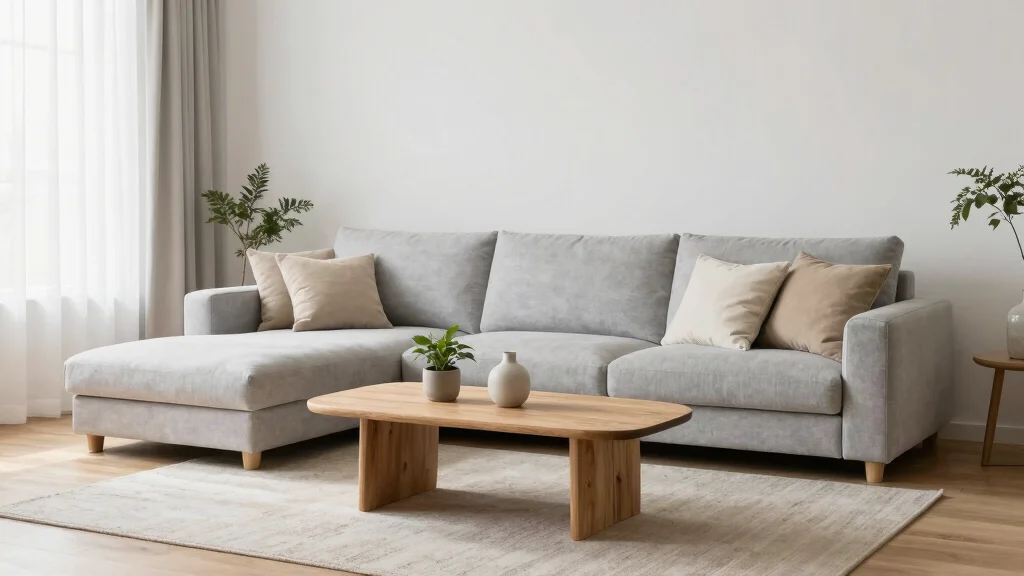
Expert Home Style – For the Price of a Coffee ($3.90)
Master high-end design secrets (Tuscan, Modern) without the expensive consultants.
🛒 Buy NowCreating a modern minimalist living room is more than just a design choice; it’s a lifestyle embrace that reflects simplicity and intentionality. In today’s fast-paced world, many of us find ourselves craving spaces that invite calm and clarity. This blog post is all about helping you achieve that serene environment. If you’ve been searching for ways to elevate your living area through minimalist design, you’re in the right place.
Whether you’re a seasoned home decor enthusiast or just starting your journey toward a simpler, more sustainable lifestyle, this guide offers something for everyone. It’s tailored for those who appreciate contemporary home decor, value functional spaces, and wish to incorporate elements like a neutral color palette or Scandinavian style. What you will discover here are 20 actionable ideas that will transform your living room into a sanctuary of peace and functionality.
Get ready to explore various design tips, such as how to choose minimalist furniture wisely, the importance of utilizing natural light, and layering textures to add depth. Each suggestion is crafted to inspire and motivate you to create a living space that not only looks good but also feels good. Let’s dive into these minimalist principles and see how they can revitalize your home.
Key Takeaways
– Embrace Neutral Tones: Using a neutral color palette creates a soothing atmosphere that enhances the minimalist feel of your living room.
– Choose Furniture Wisely: Select minimalist furniture that is functional and visually appealing to keep your space uncluttered and chic.
– Open Space Design: Focus on open space design to create a sense of freedom and flow, allowing for easy movement and interaction.
– Utilize Natural Light: Maximize natural light to make your room feel larger and more inviting, enhancing your overall mood daily.
– Incorporate Natural Materials: Use natural materials like wood and stone to bring warmth and texture to your minimalist space while remaining eco-friendly.
Contents
- 1. Embrace Neutral Tones
- 2. Choose Furniture Wisely
- 3. Open Space Design
- 4. Utilize Natural Light
- 5. Artistic Simplicity
- 6. Layering Textures
- 7. Green Living
- 8. Meaningful Decor
- 9. Lighting Matters
- 10. Mindful Organization
- 11. Go for Functional Accessories
- 12. Minimalist Textiles
- 13. Smart Color Pops
- 14. Textured Wall Finishes
- 15. The Power of Silence
- 16. Incorporate Natural Materials
- 17. Functional Layouts
- 18. Seasonal Decor Changes
- 19. Multi-Functional Spaces
- 20. Personal Touches




1. Embrace Neutral Tones
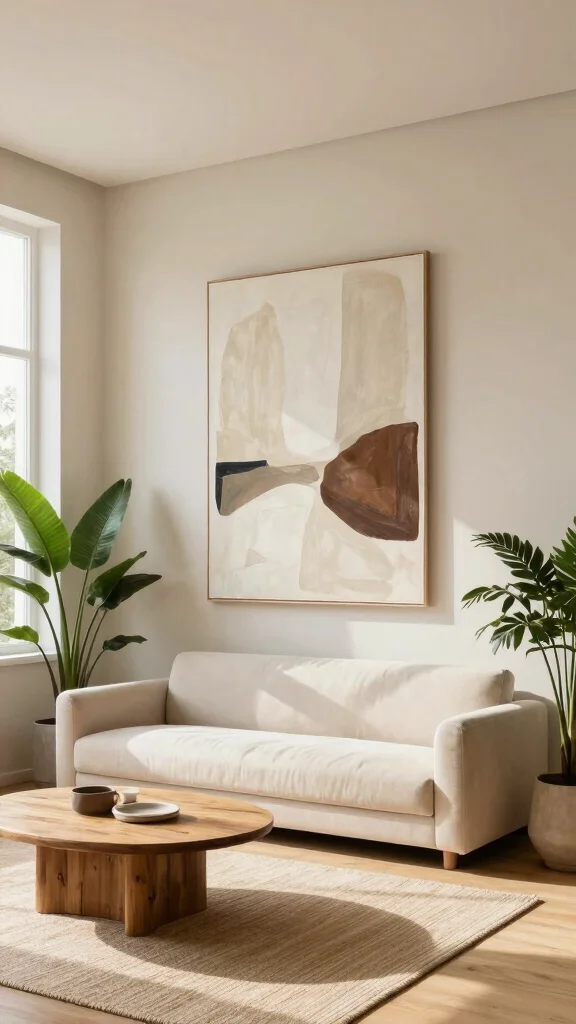
Neutral color palettes form the backbone of a serene minimalist living room. Shades like beige, gray, and white work harmoniously to foster a calm atmosphere while providing a versatile backdrop for your decor. These hues invite layering of textures, which can enhance depth and warmth without overwhelming the senses. Imagine soft cream walls paired with taupe furniture, accented by muted artwork to create a peaceful retreat.
To fully utilize this palette, consider layering different shades within the same color family. For instance, use light beige walls with darker taupe accents in your furniture. You can add personality with cushions or throws in subtle patterns, ensuring the space feels inviting but not cluttered.
Consider these elements to enhance your neutral tones:
– Pair soft beige walls with rich brown furniture pieces.
– Use textured throws and cushions to add warmth.
– Incorporate natural wood elements for added depth.
This approach elevates your space, making it feel cohesive and sophisticated. The interplay of textures and materials enriches the overall aesthetic while maintaining simplicity.
2. Choose Furniture Wisely
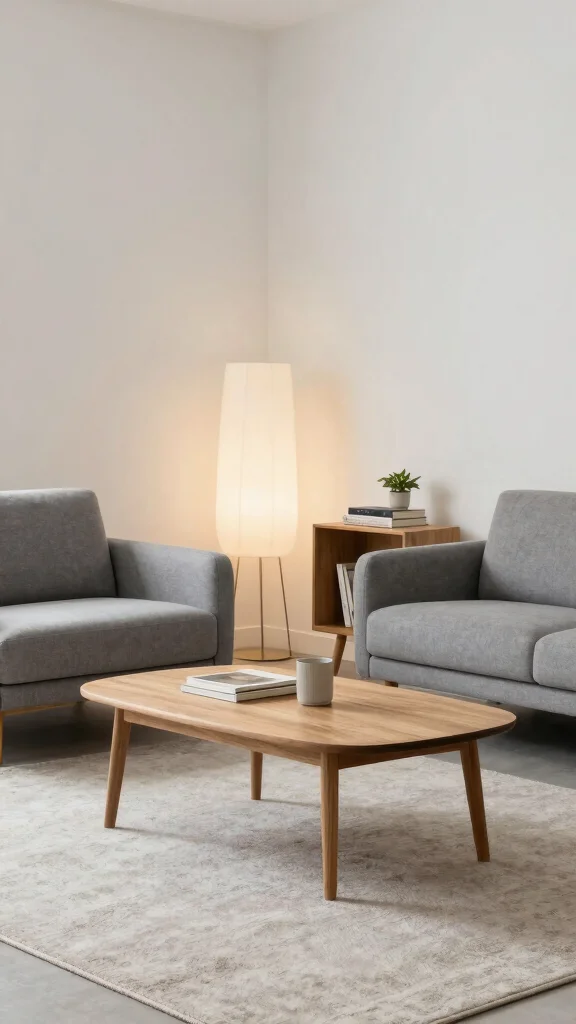
In minimalist design, minimalist furniture truly embodies the principle of ‘less is more.’ Focus on selecting functional pieces that merge beauty with utility. Streamlined shapes and multi-purpose designs, such as a sofa bed or a coffee table with storage, maximize your space without cluttering it. Imagine a sleek wooden table that doubles as a workspace.
Prioritize high-quality materials that enhance the elegance of your living room. Choices like light metal or reclaimed wood can elevate the overall design while keeping the space feeling airy. Stick to a few carefully chosen pieces to maintain that open, inviting atmosphere.
Consider these practical tips when choosing furniture:
– Opt for timeless designs that withstand changing trends.
– Use multi-functional furniture to optimize space.
– Incorporate a few natural wood pieces for warmth.
This thoughtful approach creates a serene environment, where each piece contributes to the overall aesthetic, enhancing both beauty and practicality.


3. Open Space Design
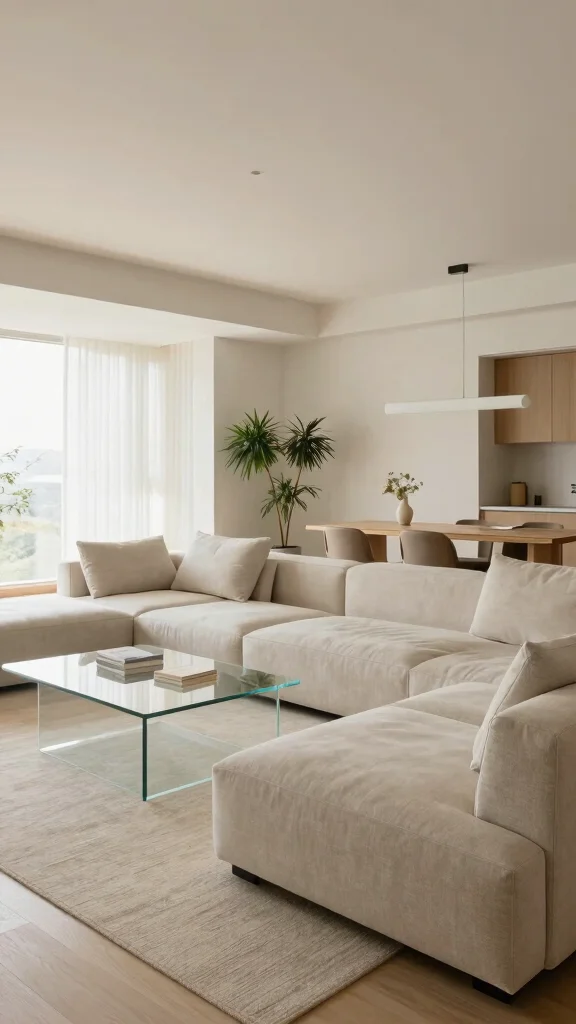
Embracing open space design is essential for fostering a modern minimalist living room. By removing unnecessary walls, you can create a seamless flow that connects different areas of your home. This layout not only maximizes natural light but also gives the illusion of a larger space. Imagine a cozy reading nook adjacent to the main seating area, inviting relaxation.
Use furniture arrangements to define areas without barriers. Low-profile furniture can help maintain an open look while emphasizing simplicity. Think about arranging a comfortable chair near a window to create a reading spot.
Consider these tips for a cohesive open design:
– Use rugs to define different zones in the room.
– Incorporate low furniture to enhance openness.
– Maintain a light color palette to amplify brightness.
This design approach fosters a welcoming atmosphere, encouraging interactions while keeping the space visually balanced and inviting.


4. Utilize Natural Light
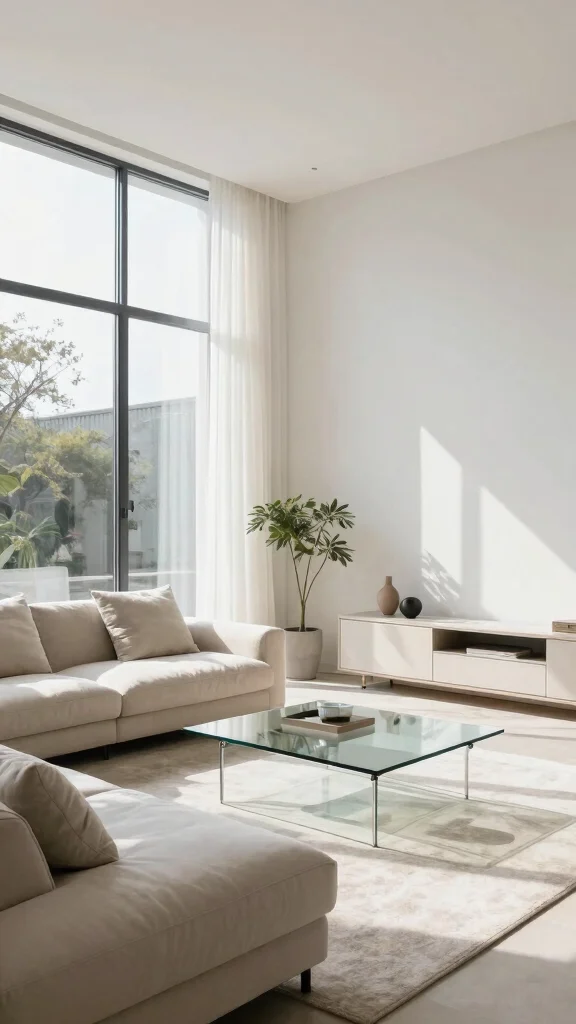
Harnessing natural light is crucial for a vibrant minimalist living room. Sunlight can create an inviting ambiance, making the space feel open and cheerful. Large windows are ideal for flooding your room, but consider other ways to enhance light, such as using sheer curtains.
Reflective surfaces, like mirrors or glass accents, can amplify light throughout the room, creating a light-filled sanctuary. Position furniture strategically to allow sunlight to flow freely.
Keep these tips in mind to make the most of natural light:
– Avoid heavy drapes that block sunlight.
– Use mirrors to reflect and disperse light.
– Incorporate light textiles that allow soft light to filter through.
By embracing natural light, your living room becomes a vibrant haven, fostering a warm and inviting atmosphere that feels spacious and welcoming.
How To Choose Minimalist Furniture for Your Modern Living Room
When it comes to creating a modern minimalist living room, the right furniture can make all the difference. Choosing the right pieces involves careful consideration of several factors. Here’s how to get started:
1. Consider Size
Before you dive into shopping, measure your space. You want your furniture to fit comfortably without overwhelming the room. Aim for pieces that leave enough space to walk around. A good rule of thumb is to allow for at least two feet between larger pieces of furniture, ensuring a smooth flow.
2. Focus on Material
Material plays a vital role in minimalist design. Look for furniture made from natural materials like wood, metal, or glass to maintain that clean look. A light oak coffee table or a sleek metal chair can be great options. Check for sustainable materials to enhance the eco-friendly aspect of your design.
3. Prioritize Functionality
In minimalist design, every piece should serve a purpose. Avoid items that are purely decorative. Instead, opt for multifunctional furniture, like a sofa bed or a storage ottoman. These pieces not only save space but also help reduce clutter, which is key in minimalist design.
4. Embrace a Neutral Color Palette
For a tranquil and cohesive look, stick to a neutral color palette. Whites, grays, and soft beige shades can create a serene atmosphere. Choose furniture in these tones, as they blend seamlessly and allow you to introduce texture and subtle color pops through accessories or artwork later.
5. Evaluate Style
Your furniture should reflect a cohesive style that aligns with modern minimalism. Scandinavian styles, for example, often feature clean lines and organic shapes, making them a perfect fit. Look for pieces that have a simple silhouette without excessive ornamentation to maintain that minimalist aesthetic.
6. Set a Budget
Establishing a budget before you shop can help streamline the selection process. Minimalist furniture often comes in a range of prices, so identifying what you can spend will narrow down options. Remember, investing in quality pieces can save you money in the long run, as they often last longer.
Pro Tip: Always visualize your space with the new furniture before purchasing. You can use online room planners or simply tape out the dimensions on your floor. This will help you understand how the furniture interacts with existing pieces and the overall space.
Choosing minimalist furniture is about finding the balance between functionality, aesthetics, and comfort. By following these guidelines, you can create a modern minimalist living room that feels open and inviting while reflecting your personal style. Happy decorating!


5. Artistic Simplicity
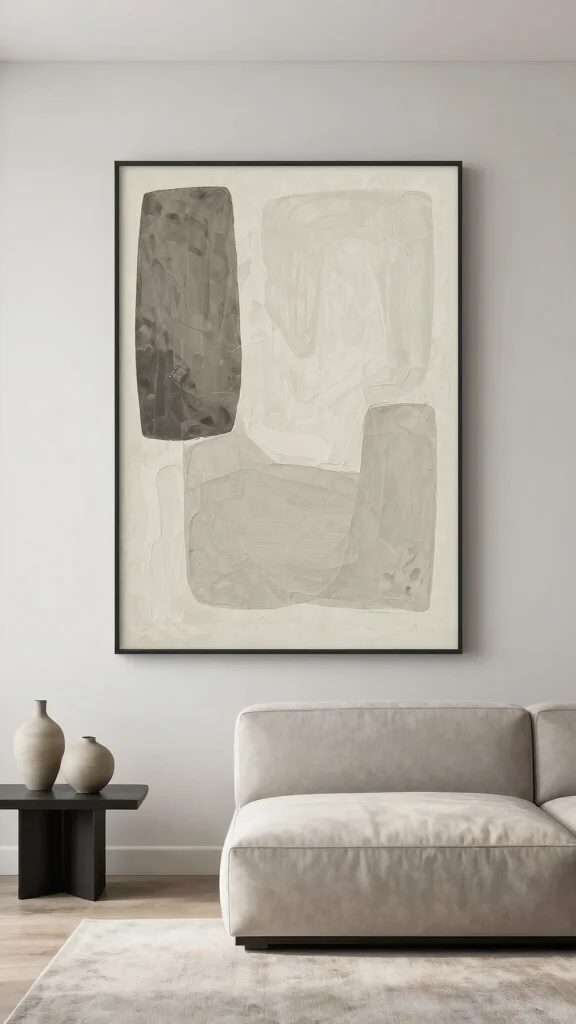
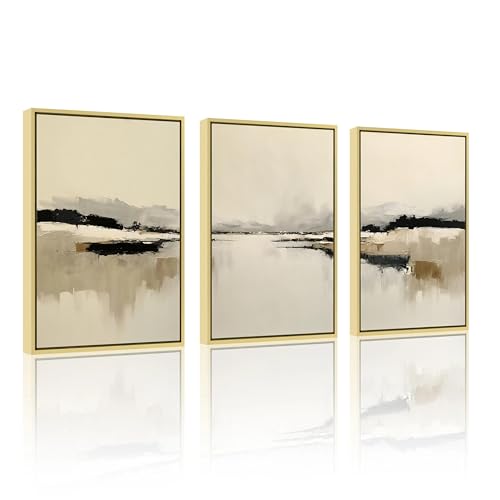
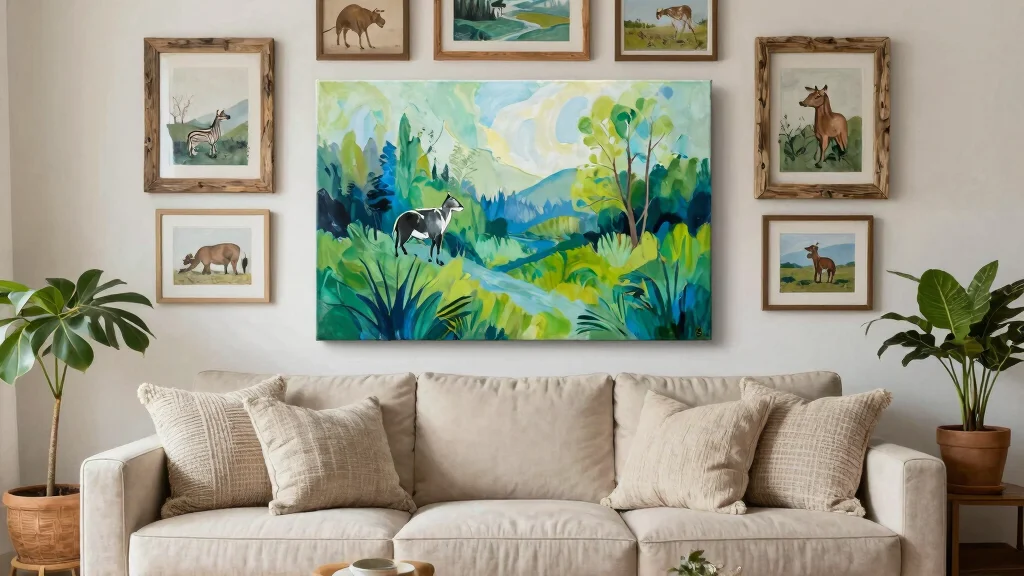
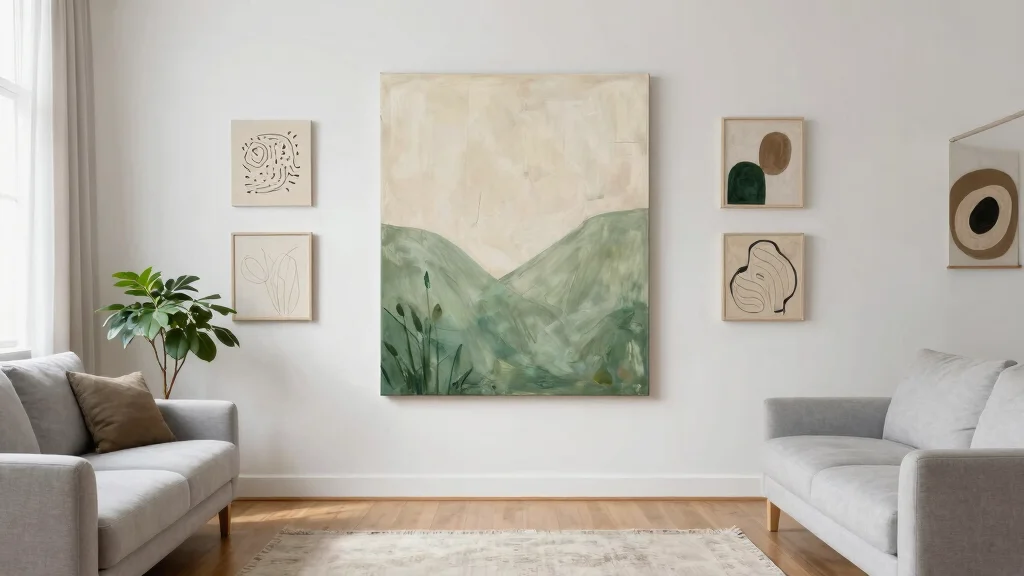
In a minimalist living room, artistic simplicity can make a striking impact. Instead of overwhelming the space with numerous pieces, choose one or two curated artworks that resonate with your style. Large prints or simple monochromatic pieces can serve as focal points, drawing attention without cluttering.
A thoughtfully placed artwork can enhance the serene nature of minimalism while adding character. Consider selecting art that features organic shapes to soften the overall aesthetic.
Here are some ideas for incorporating art:
– Use a single large artwork as a statement piece.
– Create a gallery wall with a few selected items.
– Choose locally sourced art for a personal touch.
This approach allows your living space to reflect your personal taste while maintaining a clean, elegant atmosphere.


6. Layering Textures
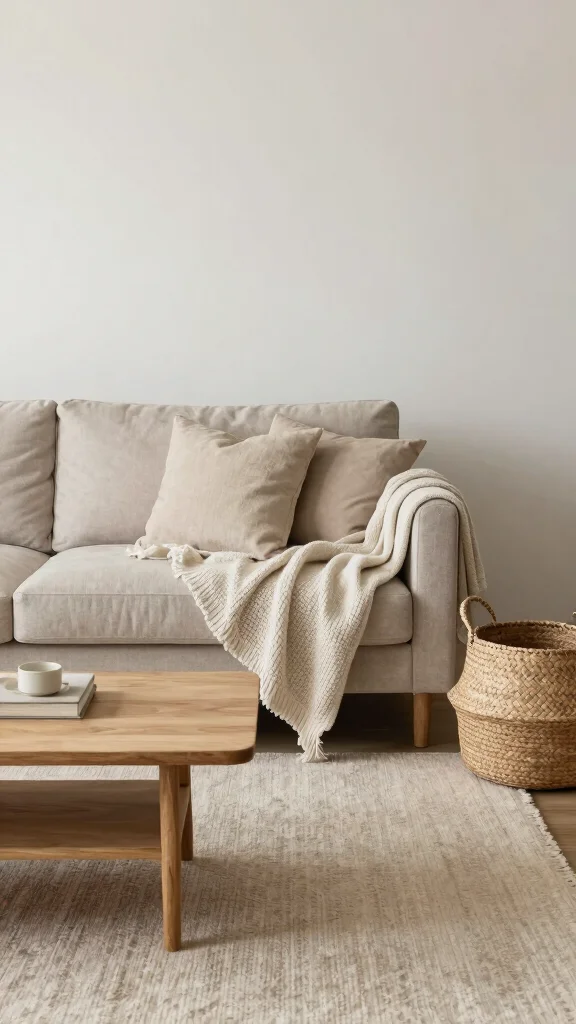
Integrating layered textures in your minimalist living room adds depth and warmth. Mixing materials like wool, linen, and wood creates an inviting atmosphere while keeping the design clean. Think about starting with a plush area rug as a foundation, then layering in soft throws and cushions for comfort.
Utilizing various textures invites touch and interaction, making the space feel lived in. Opt for a mix of textures that harmonize with your color palette to maintain cohesion.
To elevate your space, consider these tips:
– Choose textiles in similar tones for a cohesive look.
– Incorporate sustainable fabrics for an eco-friendly touch.
– Use unique elements like woven baskets for visual interest.
Layering textures enhances the comfort of your living room while keeping the design simple and inviting.


7. Green Living
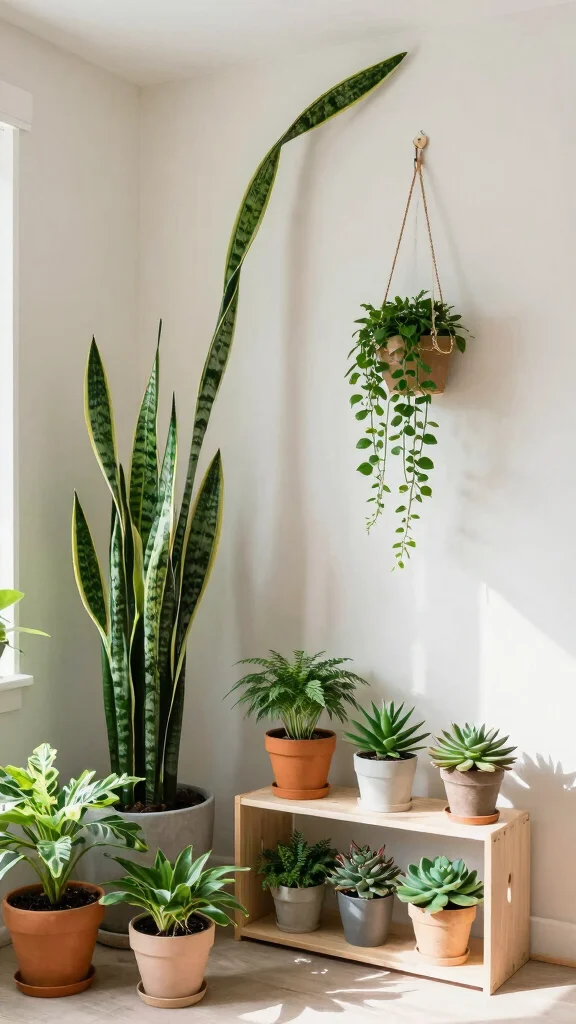
Integrating plants into your living room design not only beautifies the space but also promotes a healthier indoor environment. Green living is essential in modern minimalist design, bringing a touch of nature indoors. Opt for low-maintenance plants like succulents or snake plants that thrive with minimal care.
Strategically position your plants to soften the hard lines of furniture and fill empty corners. Hanging planters can add a unique touch without occupying floor space.
Consider these suggestions for incorporating greenery:
– Group plants in varying heights for visual dynamics.
– Use sustainable planters made from eco-friendly materials.
– Explore vertical gardens for small spaces.
Adding plants not only enhances your decor but also brings life into your living space, creating a fresh and airy atmosphere.


8. Meaningful Decor
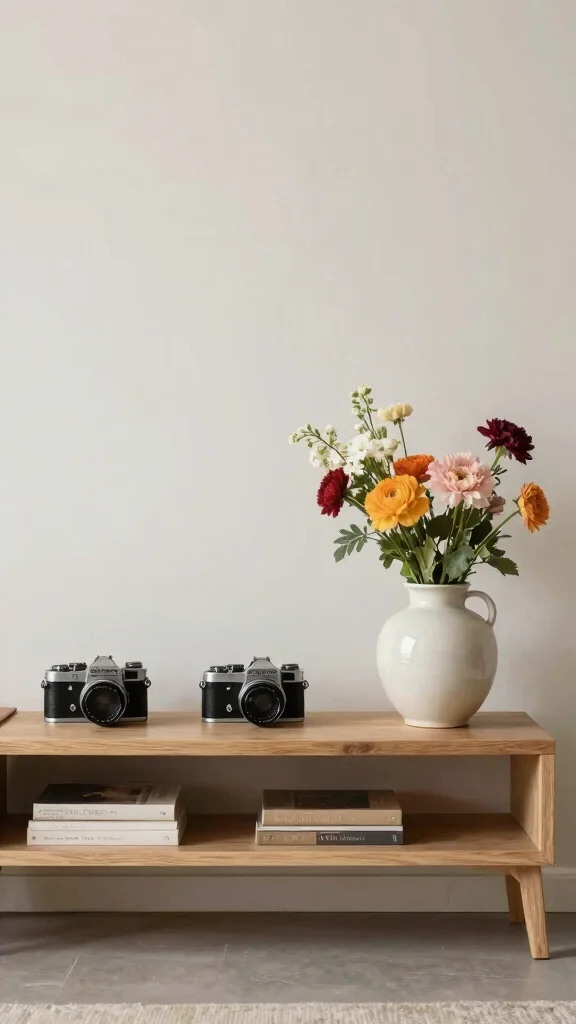
In a minimalist living room, every item should serve a purpose or evoke emotion. Choosing meaningful decor fosters a more intentional living space. Opt for pieces that tell a story, such as family heirlooms or travel souvenirs. These curated items can create deeper connections with your space while avoiding clutter.
Displaying select pieces allows for a personal touch, giving your room character. Rotate your artifacts periodically to keep the decor fresh and relevant.
Consider these tips for meaningful decor:
– Keep surfaces clear to highlight key items.
– Curate a personal collection for emotional resonance.
– Use floating shelves to showcase items without taking up space.
This thoughtful approach turns your living room into a reflection of your identity, enriching your experience within the space.
You might also like
9. Lighting Matters
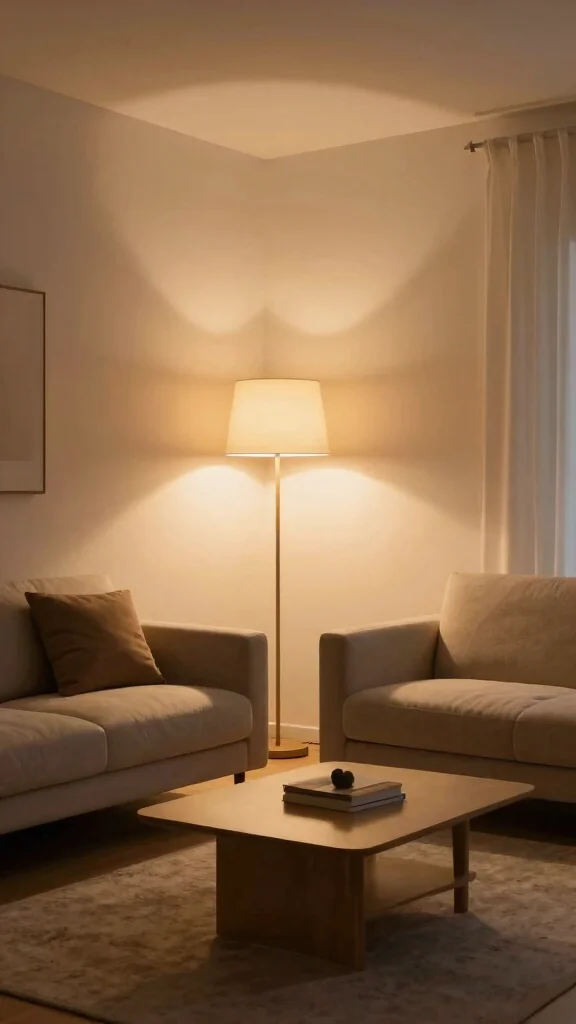
The right lighting can significantly enhance a minimalist living room, adding both functionality and aesthetic appeal. Choose strategic lighting to brighten the space without overwhelming it. Layer your lighting with ambient, task, and accent options for a well-rounded atmosphere.
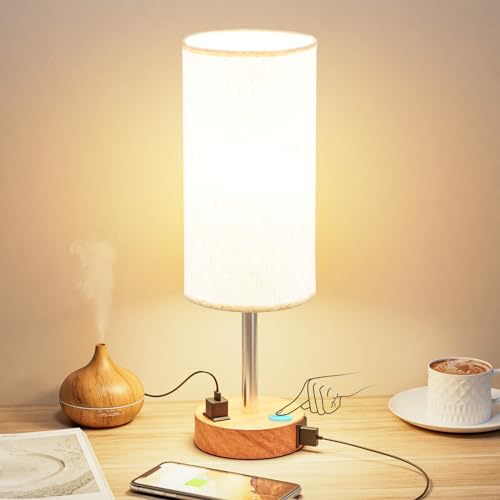
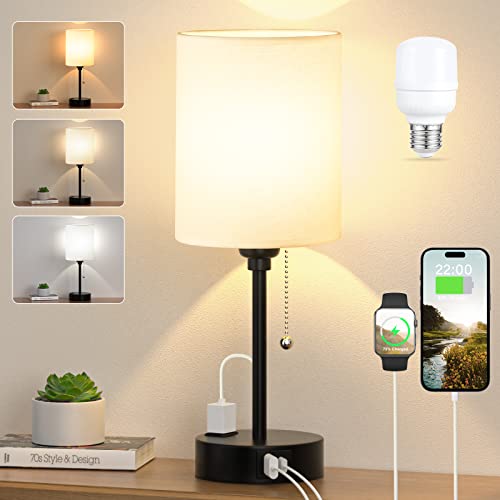
Consider selecting floor lamps or table lamps with clean lines that fit your decor style while providing necessary illumination. Dimmer switches can also help create customizable moods throughout the day.
Here are some lighting tips to consider:
– Use warm-toned bulbs for a cozy ambiance.
– Explore sustainable LED fixtures for energy efficiency.
– Try pendant lights to create focal points in the room.
Thoughtful lighting choices not only brighten your living room but also enhance its overall aesthetic, making it feel inviting and functional.


10. Mindful Organization
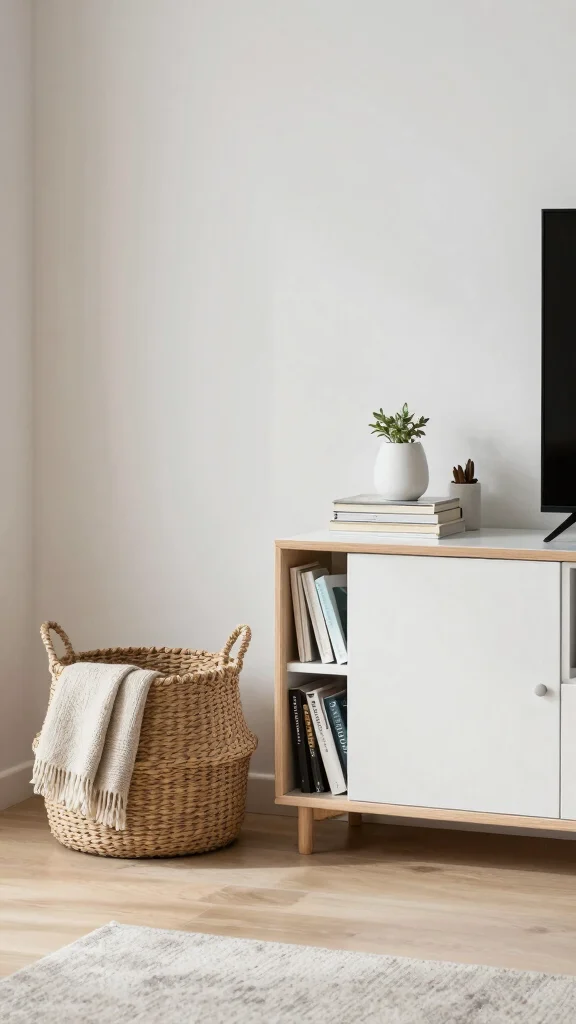
In a minimalist living room, organization plays a crucial role in maintaining a clear and peaceful vibe. Mindful organization involves regularly decluttering and ensuring every item has its designated place. Stylish storage solutions can help keep items tucked away while maintaining an orderly appearance.
Consider using baskets or boxes to store items you want to keep but don’t need on display. Avoid letting small items accumulate on surfaces, as they can disrupt the minimalist aesthetic.
Keep these organization tips in mind:
– Regularly assess your belongings to identify what you truly need.
– Create storage solutions that fit your decor style.
– Develop a routine for tidying up to maintain a serene environment.
Mindful organization enhances mental clarity and overall well-being, allowing your living room to remain a peaceful retreat.
11. Go for Functional Accessories
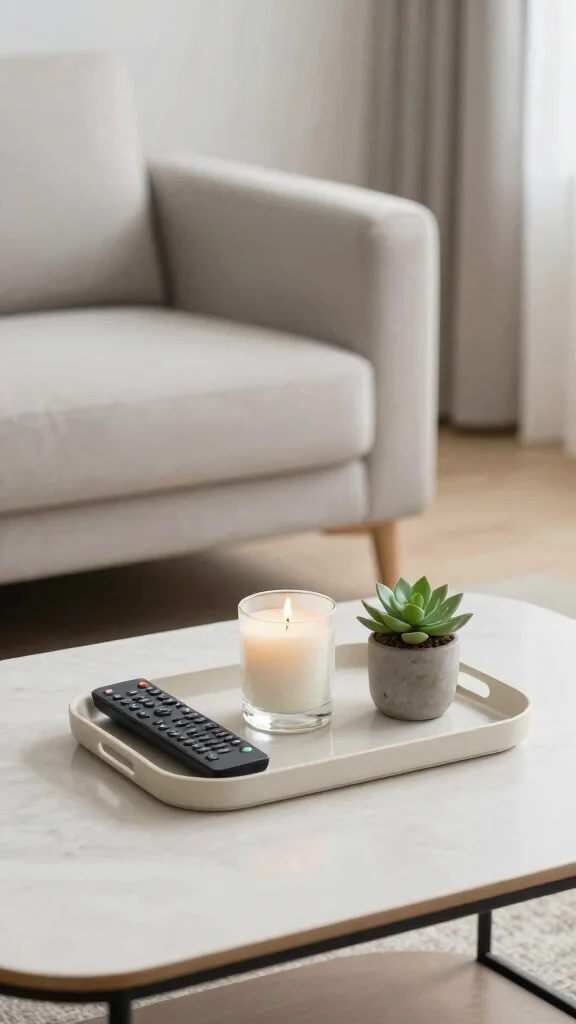
Accessories in a minimalist living room should be both practical and visually appealing. Functional accessories enhance your space without contributing to clutter. Items like stylish trays, chic coasters, or decorative bowls serve a purpose while elevating the decor.
Choose accessories that complement your color palette and design style, focusing on simplicity. Limit yourself to a few quality pieces that bring joy and functionality to the space.
Here are some tips to consider:
– Opt for versatile items that serve multiple functions.
– Select accessories that align with your minimalist aesthetic.
– Use decorative trays to group small items neatly.
Thoughtfully chosen accessories maintain a minimalist vibe while adding personal touches to your living room.


12. Minimalist Textiles
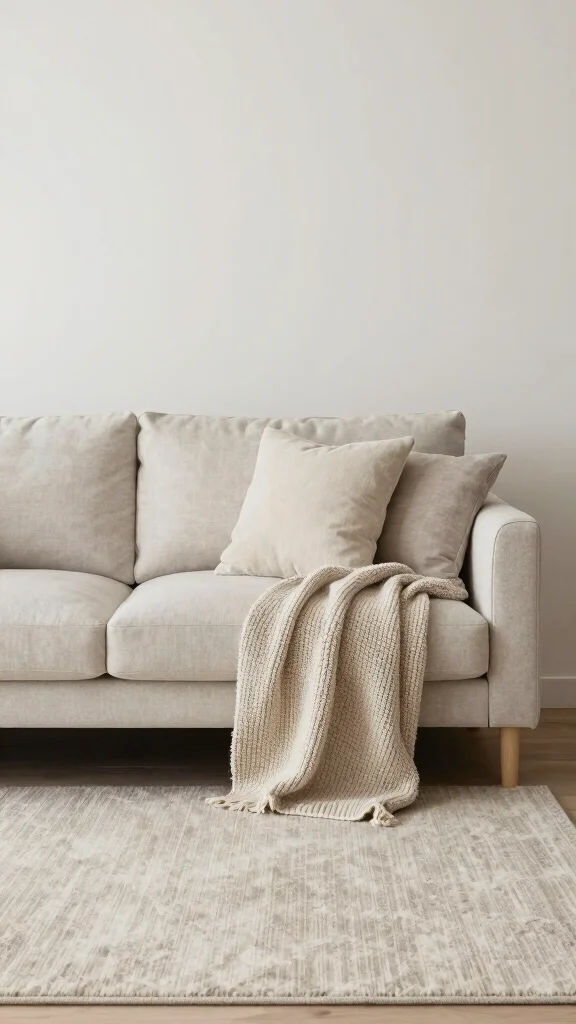
Textiles can greatly influence the comfort and warmth of a minimalist living room. Minimalist textiles should be simple yet effective in enhancing the overall design. Opt for soft fabrics like cotton, linen, or wool that are easy to maintain and inviting to the touch.
Strategically place textiles, such as plush cushions or cozy throws, to enhance comfort without overwhelming the decor. Keep patterns subtle to align with the minimalist approach, allowing colors and textures to shine.
Consider these textile tips:
– Layer textiles to create depth without complexity.
– Choose sustainable fabric options for eco-friendly decor.
– Rotate textiles with the seasons for a fresh feel.
Thoughtful textile choices elevate the comfort of your living room while maintaining a clean and inviting atmosphere.
Textiles boost comfort in a modern minimalist living room minimalism interior design—keep fabrics soft, simple, and easy to maintain. Choose cotton, linen, or wool, then layer plush cushions or cozy throws in subtle patterns. This adds warmth and texture without clutter.
13. Smart Color Pops
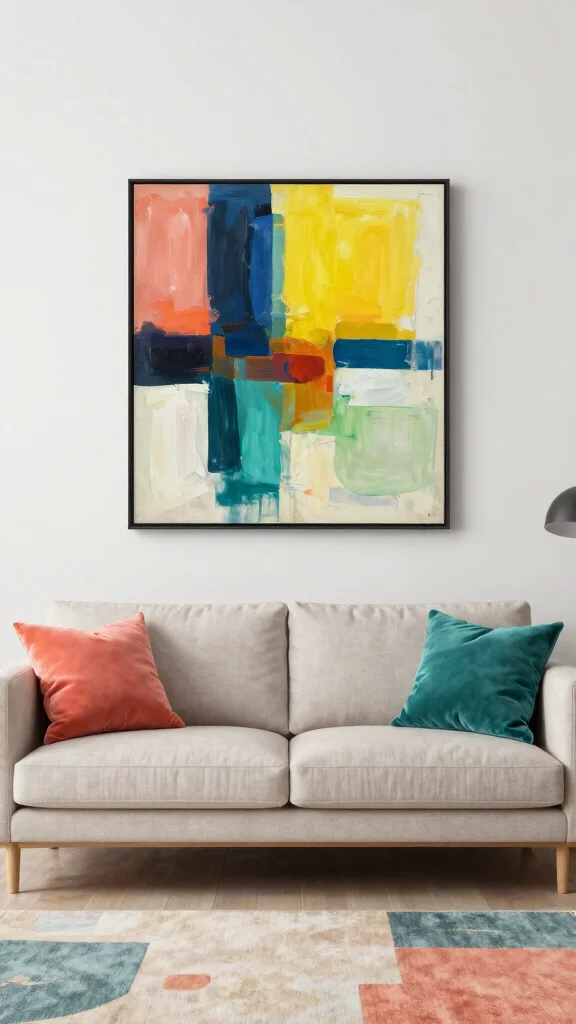
While a neutral palette serves as the foundation of minimalist design, incorporating smart color pops can invigorate your living room. Choose vibrant accents in small doses, such as a bold piece of art or decorative pillows. These intentional bursts of color serve as focal points without overwhelming the minimalist aesthetic.
Ensure that any color pops harmonize with your overall theme to maintain unity. By limiting vivid hues, you can appreciate the benefits of minimalism while infusing your personal style.
Here are some tips for incorporating color pops:
– Use one or two bold accents to create impact.
– Select sustainable decor items in vibrant colors.
– Change color accents seasonally for a refreshing update.
Smartly placed color pops bring life to your living room, enhancing its appeal while preserving a minimalist essence.
14. Textured Wall Finishes
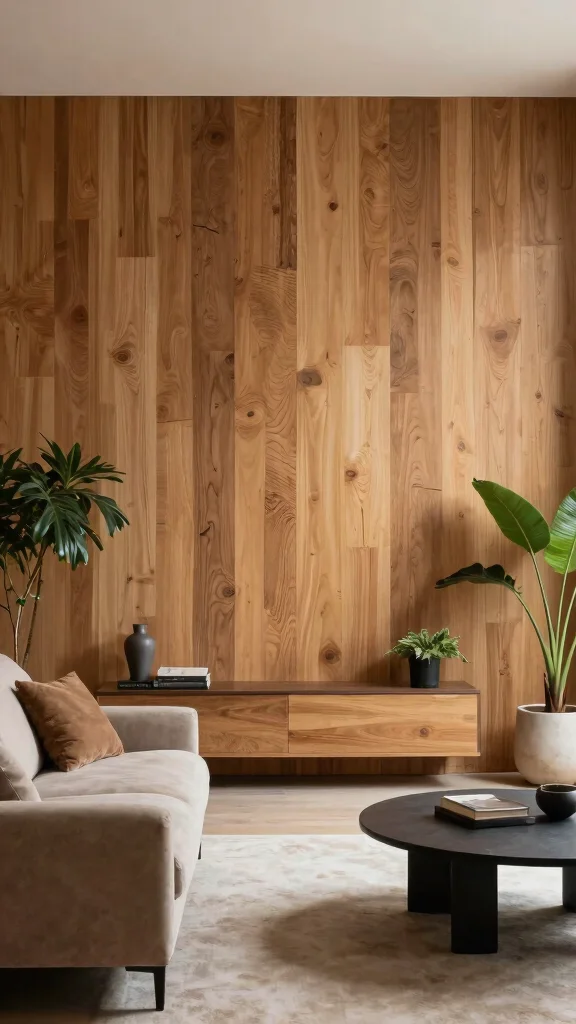
Walls in your living room can be a canvas for creativity, and opting for textured wall finishes adds depth to the minimalist design. Materials like reclaimed wood, stone, or textured paint can create stunning backdrops that draw the eye.
These elements serve as subtle focal points, keeping the overall design clean and uncluttered. Textured walls can bring warmth and interest without excessive decor.
Consider these tips for textured finishes:
– Use texture sparingly to avoid overwhelming the space.
– Choose sustainable materials for an eco-friendly touch.
– Pair textured walls with minimalist shelving for effective decor display.
Thoughtful wall finishes enhance the character of your living room, creating a visually appealing environment that remains true to minimalist principles.


15. The Power of Silence
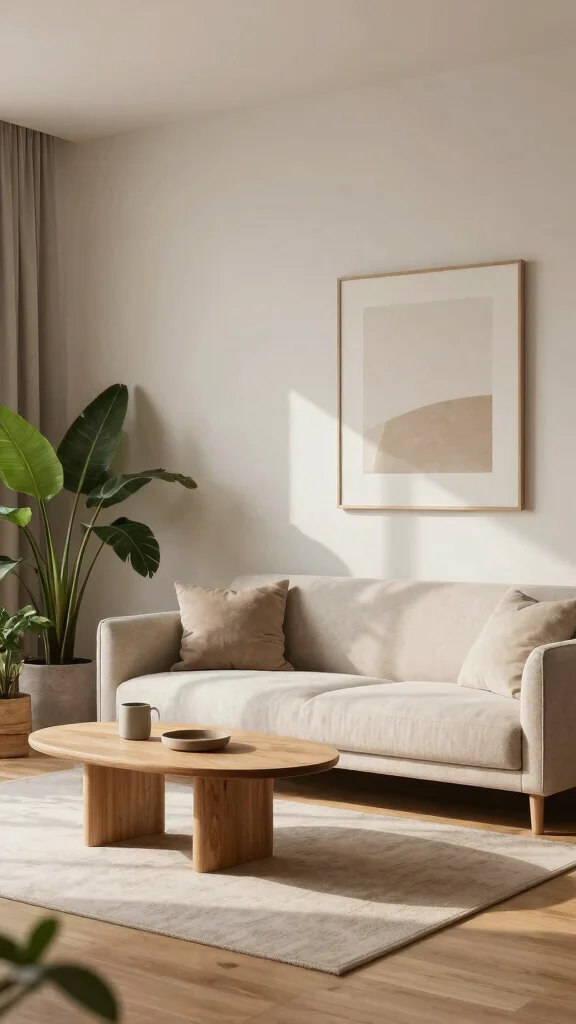
Incorporating the power of silence in a minimalist living room focuses on creating spaces conducive to peaceful reflection. Prioritize sound reduction through design choices like soft flooring materials that absorb noise, and textiles that dampen sound.
Consider layouts that promote tranquility, allowing for intimate seating arrangements that encourage quiet conversations.
Here are some tips to enhance the peaceful vibe:
– Use soundproofing methods like acoustic panels or thick rugs.
– Choose calming colors and natural materials for a serene atmosphere.
– Incorporate soft furnishings that encourage relaxation.
Embracing the power of silence fosters mindfulness and relaxation, making your living room a serene retreat.
16. Incorporate Natural Materials
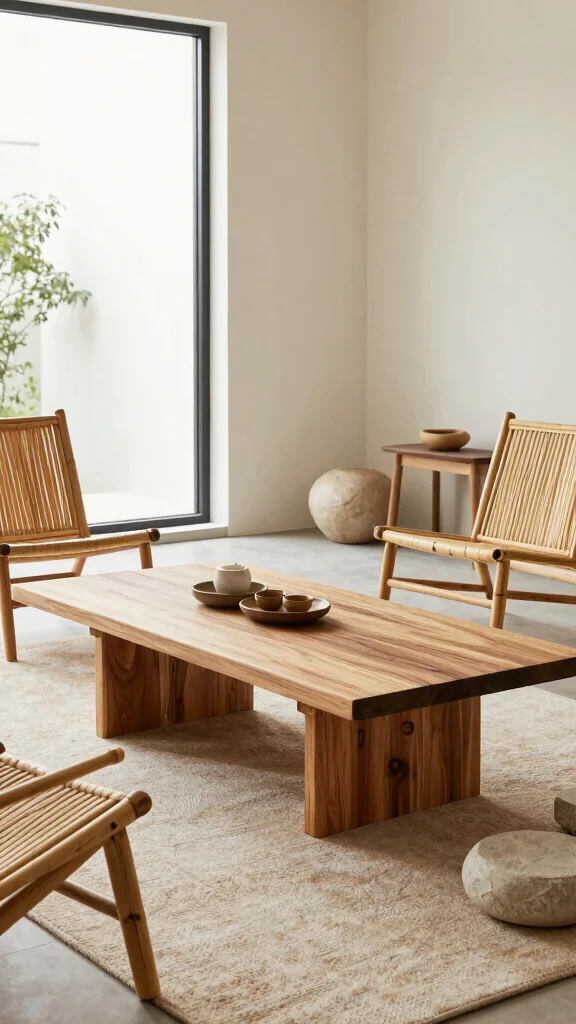
Using natural materials in your minimalist living room enhances sustainability and creates a warm atmosphere. Materials like stone, wood, and bamboo add texture while connecting your space to the natural world. Incorporate these elements through furniture, decor, or wall finishes to cultivate a harmonious environment.
Natural materials can also improve air quality, contributing to a healthier living space.
Consider these tips for using natural materials:
– Prioritize sustainably sourced options for eco-friendly design.
– Mix textures to soften hard lines in minimalist design.
– Combine wooden furniture with natural fiber textiles for a cohesive look.
Embracing natural materials enriches your living room, creating a soothing and inviting atmosphere.
17. Functional Layouts
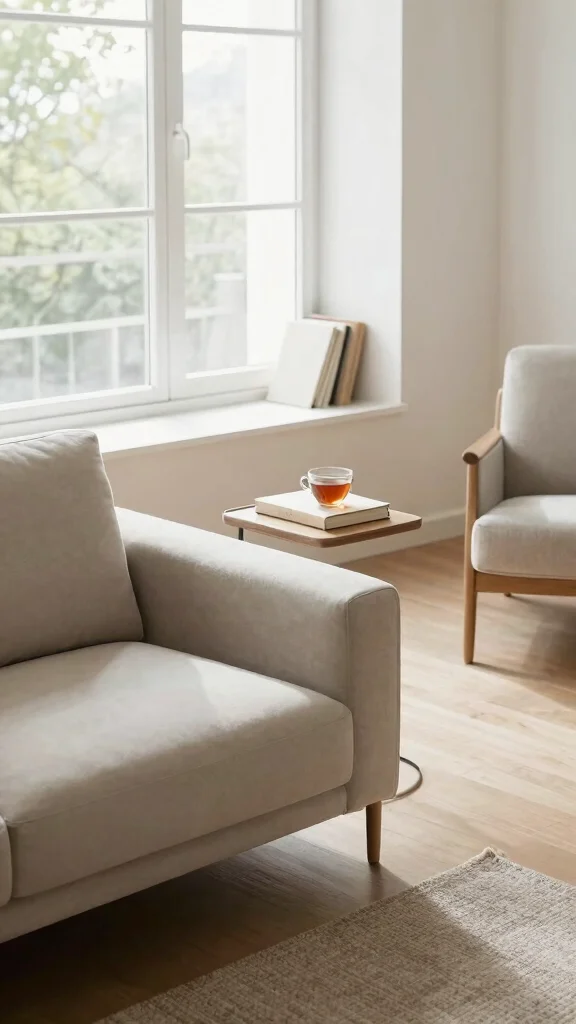
Designing a minimalist living room requires a focus on functional layouts that facilitate movement and interaction. Arrange furniture to encourage conversation and create a welcoming atmosphere without unnecessary barriers. Consider how your space will be used and set up zones accordingly.
For example, position a comfortable chair near a window to create a cozy reading nook while keeping the main seating area open. This promotes fluidity and versatility within the room.
Keep these layout tips in mind:
– Avoid overcrowding with furniture to maintain openness.
– Invest in adaptable pieces for multifunctionality.
– Regularly reassess your layout to accommodate changing needs.
Thoughtful layouts enhance your living room’s functionality, making it both inviting and practical.
18. Seasonal Decor Changes
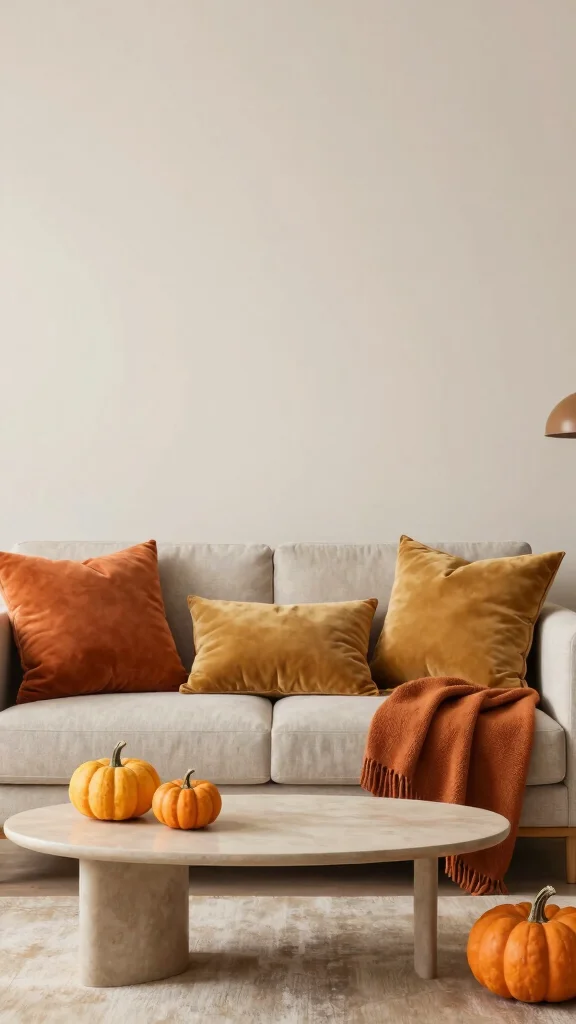
Refreshing your space with seasonal decor changes keeps the minimalist aesthetic engaging and dynamic. This approach allows you to transition your living room’s vibe throughout the year without cluttering the space. Opt for a few key decor pieces that can be swapped out seasonally, like cushions or throws.
Choosing items in seasonal colors can maintain a cohesive look while offering new inspirations.
Here are some tips for seasonal decor:
– Limit decor to a few select items to uphold minimalism.
– Schedule regular changes to keep the environment fresh.
– Consider seasonal themes to inspire creativity.
Seasonal decor changes invigorate your living space, enhancing its energy while staying true to minimalist principles.
19. Multi-Functional Spaces
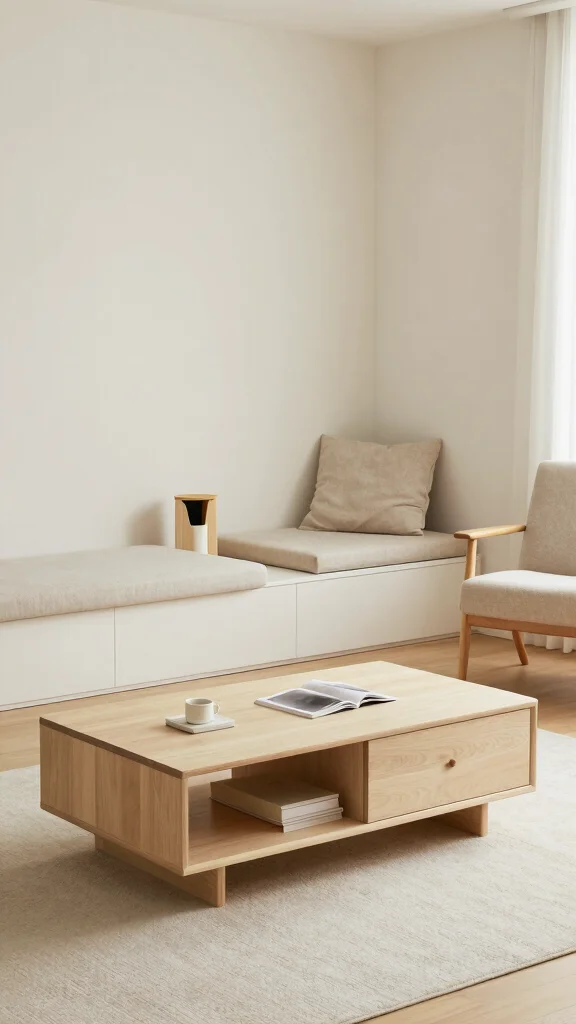
Incorporating multi-functional spaces is vital in modern minimalist living rooms, especially in smaller homes. Consider how your room can serve various purposes without sacrificing style. For instance, a corner can be transformed into a reading nook, or a coffee table can offer hidden storage.
This approach maximizes usability while keeping the area open and airy.
Here are some tips for creating multi-functional spaces:
– Invest in versatile furniture that adapts to different uses.
– Clearly define zones within the room for distinct functions.
– Regularly reassess your layout for changing needs.
Multi-functional spaces enhance the versatility of your living room, allowing it to evolve alongside your lifestyle.
Tiny spaces shine when every piece does double duty. In modern minimalist living rooms, a reading nook, hidden storage, and versatile furniture turn one room into multi-functional spaces—proving that less really can do more in modern minimalist living room minimalism interior design.
20. Personal Touches
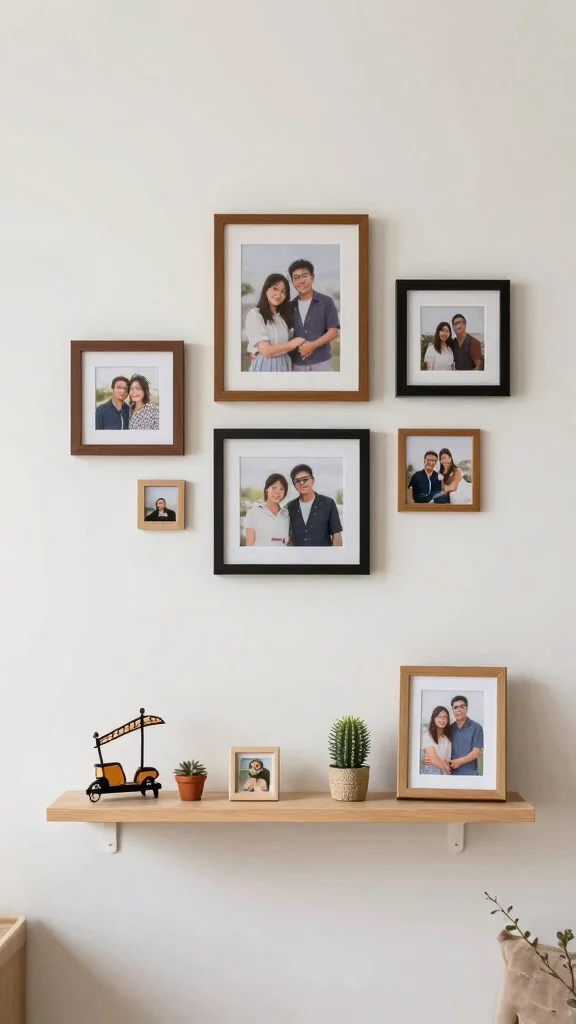
Personalizing your minimalist living room with personal touches creates a home that feels uniquely yours. This might include showcasing favorite photographs, travel souvenirs, or meaningful artwork. Vintage or handcrafted decor can add warmth and character while adhering to minimalist principles.
Be mindful to display only a few select items that truly resonate with you, maintaining harmony in the space.
Consider these tips for adding personal touches:
– Rotate personal items regularly for a fresh arrangement.
– Curate a collection that reflects your experiences and values.
– Use tasteful frames or display methods to elevate personal items.
Thoughtfully curated personal touches enhance the emotional connection to your living space, making it a true reflection of who you are.
Fun fact: In a modern minimalist living room, 3 carefully chosen personal items can boost warmth by up to 40% without cluttering the space. Keep photos, travel mementos, or meaningful art, and rotate them seasonally for a fresh, lived-in feel in minimalist interior design.
Conclusion
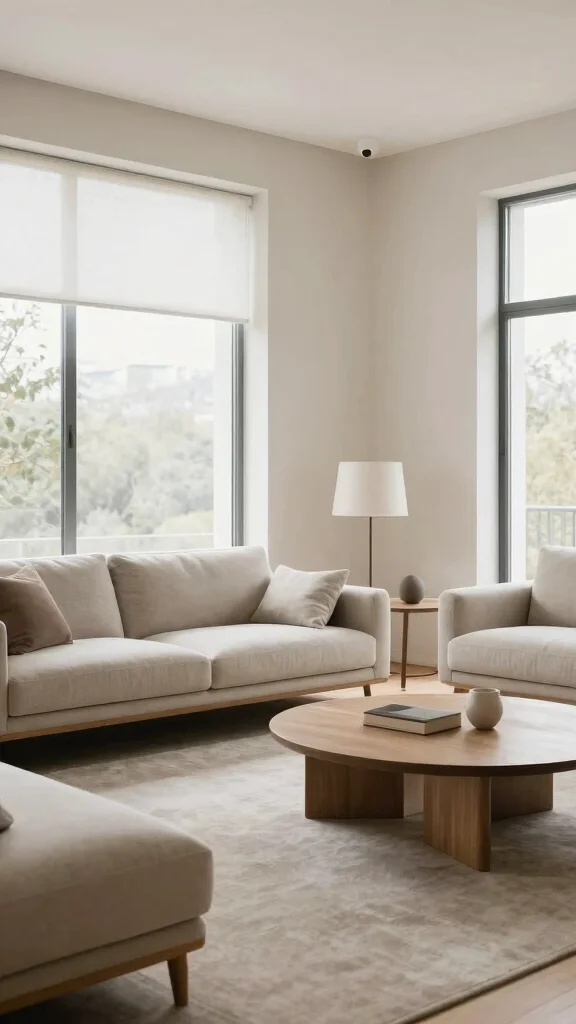
Embracing the beauty of modern minimalist living room minimalism interior design can transform your space into a serene oasis. By focusing on functionality, sustainability, and personal expression, you’ll create an environment that feels both inviting and authentic. As you explore these 20 ideas, remember that minimalism is not just a design choice; it’s a lifestyle that promotes mindfulness and simplicity.
So go ahead, infuse your living space with these insights and watch as your home transforms into a haven of style and tranquility.
Frequently Asked Questions
Question: How can I create a sustainable modern minimalist living room that still feels warm and inviting?
Start with a plan that prioritizes sustainability and Scandinavian style. Choose materials with low environmental impact, like FSC-certified wood, recycled metal, and natural textiles with low VOCs.
Light colors and plenty of natural light support the open space design, while minimalist furniture keeps the look calm and uncluttered.
Invest in high-quality pieces that last, and use multi-functional furniture to reduce quantity without sacrificing comfort. For energy efficiency, opt for LED lighting and smart controls to cut waste. The result is a sustainable modern minimalist living room that embraces contemporary home decor without compromising warmth. This approach aligns with modern minimalist living room minimalism interior design principles.
Question: What exactly is modern minimalist living room minimalism interior design?
Think clean lines, open space, and purposeful simplicity. The goal is function-first decor, where every piece earns its place. In modern minimalist living room minimalism interior design, you balance neutral color palette, open space design, and minimalist furniture to create calm, versatile spaces that adapt to daily life. For sustainable decor, choose durable materials and timeless silhouettes.
Question: How can I incorporate Scandinavian style into a minimalist living room without clutter?
Embrace Scandinavian style with light woods, white walls, and soft textiles. Keep clutter to a minimum and layer natural textures like wool, linen, and cotton. Introduce warm accents (think leather cushion, beige rug) and neutral color palette with gentle contrasts. Use open space design principles to keep rooms breathable, and add a few well-chosen plants for life. This approach blends Scandinavian style with contemporary home decor in a calm, practical way.
Question: What are the essential pieces of minimalist furniture for an open space design?
Start with a sofa with a slender silhouette and low profile, a simple coffee table in wood or stone, and a streamlined media console. Add discreet storage that hides clutter, and choose lighting that creates zones—floor lamps or wall-mounted fixtures work well in open spaces. Stick to minimalist furniture with clean lines, and keep colors within your neutral color palette to maintain calm.
Question: How can I keep a neutral color palette interesting in a modern minimalist living room?
Layer textures like linen, wool, jute, and boucle to add depth. Mix matte finishes with subtle sheen in materials such as wood, metal, and ceramic. Introduce color only via accents—think one or two throws or a single artwork—so you stay within a neutral color palette. Add living greenery to bring life and warmth, and rely on open space design and thoughtful composition to keep the space engaging. This aligns with modern minimalist living room minimalism interior design goals.
Related Topics
modern minimalist living room
minimalist furniture
sustainable decor
neutral color palette
open space design
Scandinavian style
contemporary home decor
easy decor tips
small space solutions
minimalist design
budget friendly
minimalism lifestyle