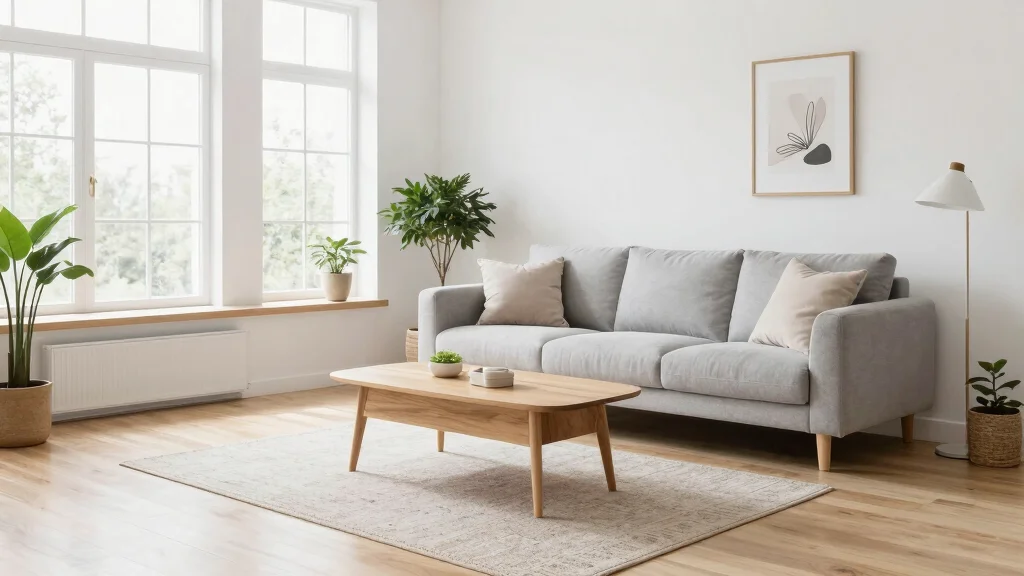
Expert Home Style – For the Price of a Coffee ($3.90)
Master high-end design secrets (Tuscan, Modern) without the expensive consultants.
🛒 Buy NowCreating a small living room can be a challenge, especially when you want it to feel open and airy. This post is born from a desire to help you transform those tight spaces into cozy havens. If you find yourself yearning for a serene, uncluttered environment, you’re not alone. Many people are drawn to minimalist designs that promote calmness and simplicity while maximizing functionality.
If you’re someone who loves the beauty of Scandinavian minimalist decor, this post is tailored just for you. We know you care about creating a space that not only looks great but also feels inviting and spacious. You’ll discover 20 fantastic minimalist small living room ideas that will help you achieve that airy ambiance you crave. From clever furniture choices to smart design tricks, you’ll learn how to make the most of your limited space without sacrificing style.
Get ready to delve into a selection of stylish and practical ideas that fit perfectly into smaller areas. These tips are designed to inspire you to create a living room that feels open, bright, and, most importantly, uniquely yours. Let’s explore how to invite spaciousness into your small living room design!
Key Takeaways
– Explore the use of neutral color palettes to create a larger, calming effect in your living space while enhancing natural light.
– Discover multi-functional furniture that serves more than one purpose, like a sofa bed or an ottoman with storage, to optimize your limited space.
– Learn how to incorporate mirrors strategically to visually expand your room, reflecting both light and space for an open feel.
– Find out how to use lightweight fabrics in your decor, which can create a breezy, uncluttered look while allowing for easy movement.
– Keep your living room clutter-free with smart storage solutions, ensuring that your space remains open and inviting without excess items.


Contents
- 1. Embrace Neutral Color Palettes
- 2. Utilize Multi-Functional Furniture
- 3. Create Visual Continuity
- 4. Use Mirrors to Expand Space
- 5. Choose Lightweight Fabrics
- 6. Prioritize Open Shelving
- 7. Incorporate Natural Elements
- 8. Implement Smart Lighting Solutions
- 9. Opt for Minimalistic Artwork
- 10. Implement a Cozy Nook
- 11. Use Area Rugs Wisely
- 12. Opt for Built-In Furniture
- 13. Maintain an Open Floor Plan
- 14. Select Simple Window Treatments
- 15. Focus on Essential Accessories
- 16. Consider Sliding Doors
- 17. Design with Balance in Mind
- 18. Add a Touch of Personalization
- 19. Make Use of Vertical Space
- 20. Keep It Clutter-Free


1. Embrace Neutral Color Palettes
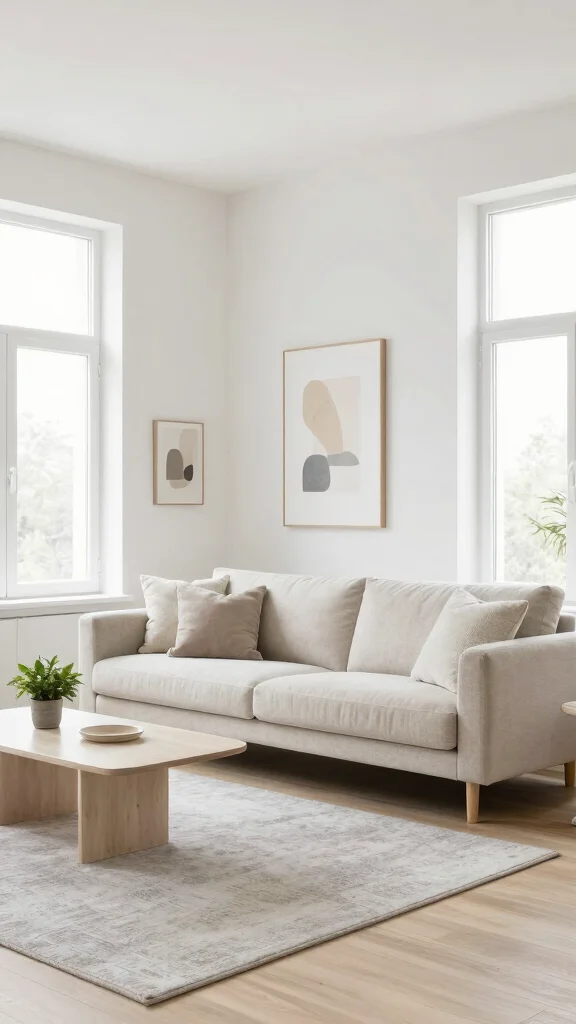
Neutral color palettes are a cornerstone of Scandinavian aesthetics, creating an atmosphere that feels effortlessly spacious and serene. By incorporating shades of white, cream, and soft gray, you foster a seamless flow that enhances natural light, illuminating your space beautifully. Imagine walls painted in a delicate hue, paired with light-hued furniture that amplifies this sense of openness.
To make the most of this palette, consider these practical tips: select soft textiles that add warmth without overwhelming your space, and integrate darker accents through thoughtfully chosen throw pillows or art pieces that invite comfort. This approach aligns with the growing trend toward calm and inviting interiors, making your living room a perfect sanctuary.
– Pair soft gray walls with a cream-colored sofa for a cohesive look.
– Use light wood furniture to enhance the airy vibe.
– Incorporate textured rugs to add warmth without clutter.
This thoughtful design choice not only promotes a tranquil atmosphere but also embraces materials and textures that elevate your living space’s overall aesthetic.


2. Utilize Multi-Functional Furniture
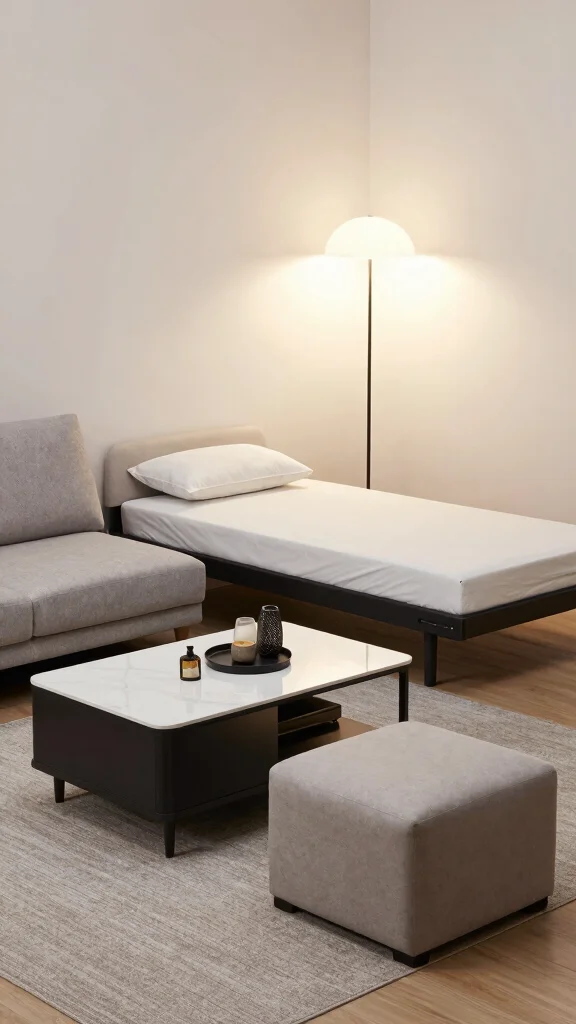
In the realm of small living rooms, multi-functional furniture shines as a true hero. Pieces like coffee tables that double as storage units or ottomans that provide extra seating can revolutionize your space. These versatile items not only save precious room but also contribute to a tidy and organized atmosphere.
To implement this concept effectively, seek out clever solutions such as nesting tables that can be tucked away when not in use or sofas with built-in storage for blankets and magazines. This aligns beautifully with the current trend of maximizing space while keeping clutter at bay.
– Choose a coffee table that opens to reveal hidden storage.
– Opt for a sofa bed to accommodate overnight guests effortlessly.
– Incorporate a foldable dining table that expands when needed.
By selecting furniture that performs multiple roles, you can maintain both style and functionality in a spacious, airy environment.


3. Create Visual Continuity
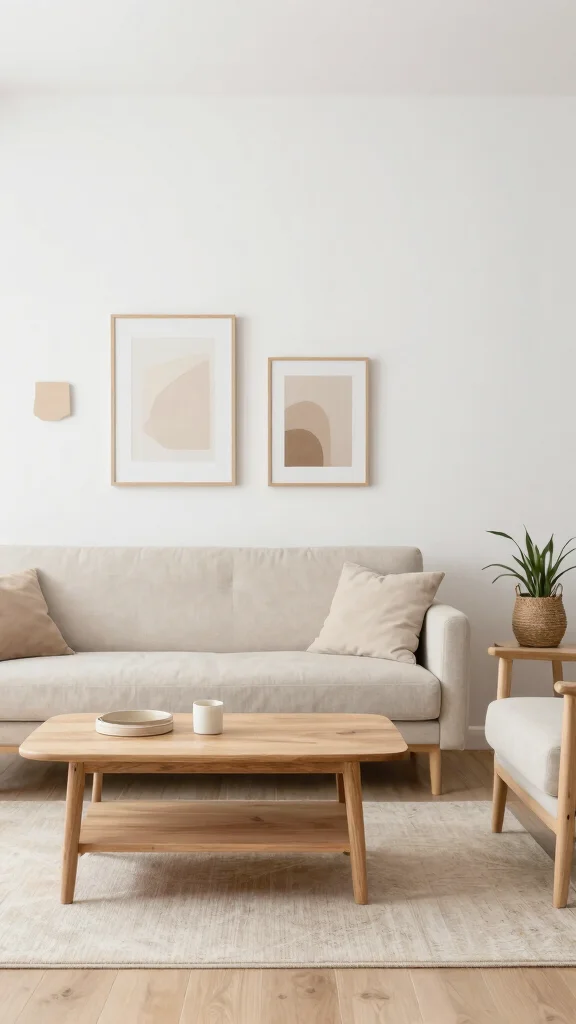
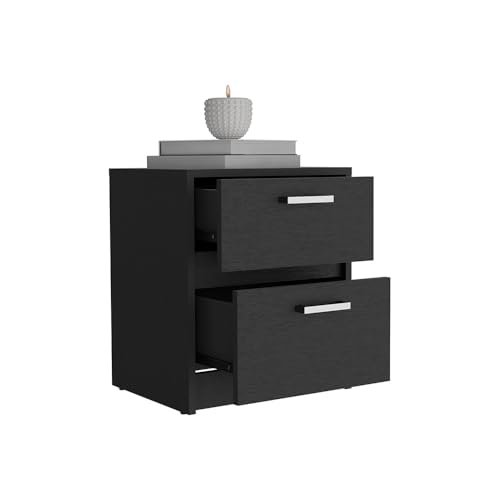
Visual continuity is key to making small living spaces feel harmonious and expansive. By sticking to a consistent color scheme and design style, you facilitate a flow that visually stretches the area. This can be achieved by repeating select elements throughout the room, whether it’s through color or texture.
To establish this continuity, consider choosing wood tones that match across your furniture and decor, or select art pieces that share a similar style. This practice not only enhances the beauty of your living room but also connects different zones seamlessly.
– Use similar finishes in furniture to create a cohesive look.
– Choose artwork that complements the color palette.
– Incorporate a consistent texture in fabrics and accessories.
By focusing on visual continuity, you can create an environment that feels both spacious and inviting, enhancing your overall living experience.
4. Use Mirrors to Expand Space
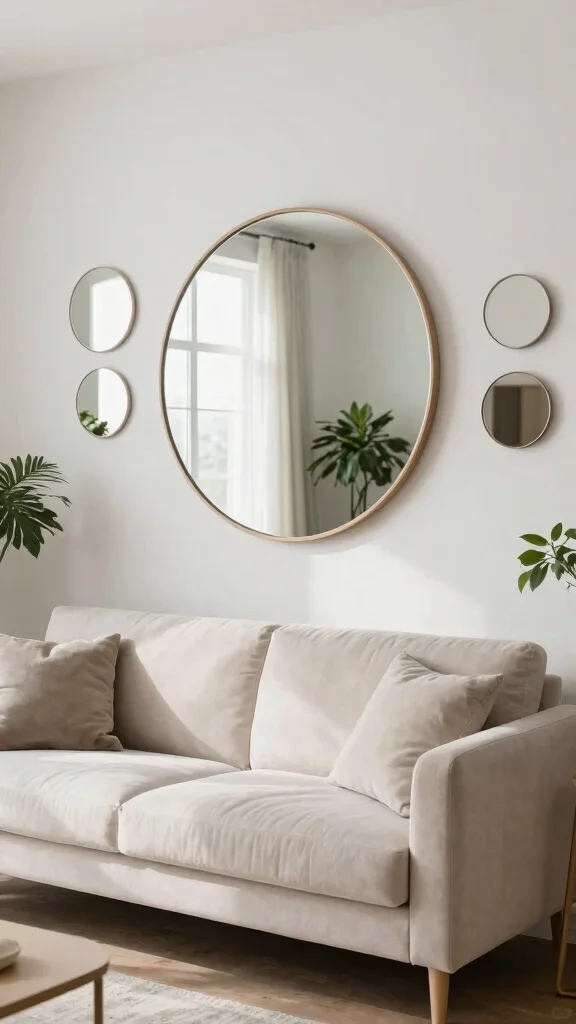
Mirrors are a powerful ally in the quest for a more expansive living space. By reflecting both light and views, they craft an illusion of depth that can transform any small room. Positioning a large mirror across from a window can maximize natural light, while a gallery wall of smaller mirrors can serve as a striking decor feature.
For optimal effect, select mirrors with unique frames to add character, and consider mirrored furniture pieces that offer glamour without weighing down the space. This complements current trends toward light and airy interiors.
– Hang mirrors at eye level for maximum impact.
– Experiment with various shapes and sizes for visual interest.
– Position a large mirror in a corner to reflect light beautifully.
Incorporating mirrors into your living area not only enhances openness but also adds a stylish flair, making the room feel more inviting and sophisticated.


5. Choose Lightweight Fabrics
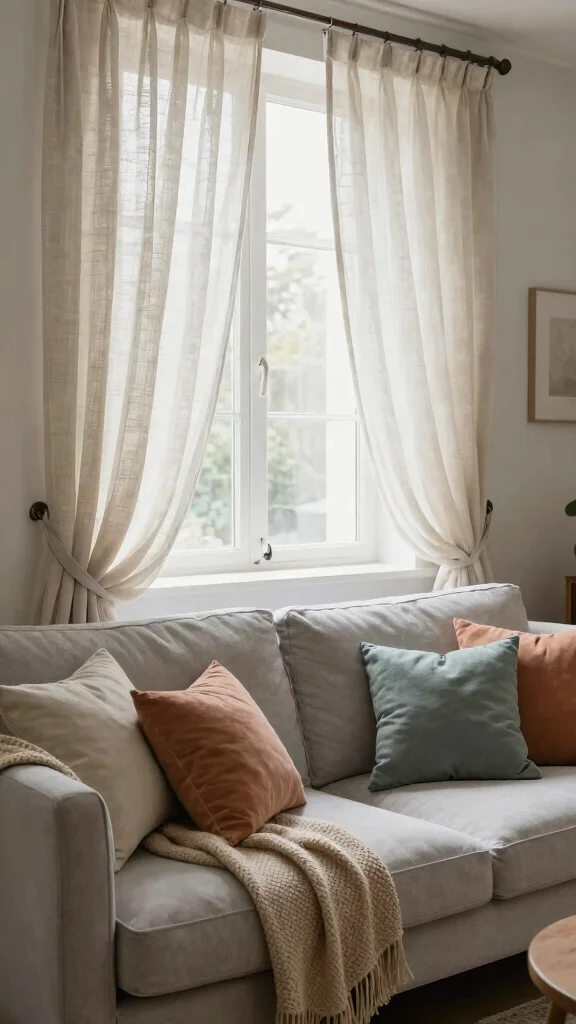
Lightweight fabrics are essential for crafting an airy atmosphere in your living room. Opting for sheer curtains allows gentle light to filter in, creating a soft ambiance, while avoiding heavy drapes that can confine the space. Soft materials like cotton and linen for cushions and sofas contribute to a light and breathable environment.
Consider layering lightweight textiles to enhance texture without adding bulk, and stick to natural tones for a harmonious feel. This aligns with the trend of comfort and simplicity in modern design.
– Select light-colored throws to boost the airy effect.
– Choose fabrics that are easy to clean for practical living.
– Use natural fibers in rugs to enhance the design subtly.
By carefully choosing lightweight fabrics, you ensure your living room is a welcoming haven, perfect for relaxation and social gatherings.
In minimalist small living room ideas, lightweight fabrics make all the difference: sheer curtains let in soft light, and linen cushions breathe. Layer textures in natural tones without bulk for an airy, practical space.
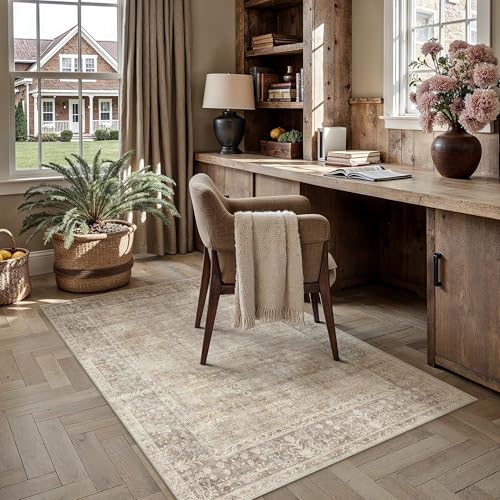


How To Choose Minimalist Furniture for Your Small Living Room
Choosing the right minimalist furniture can make a significant difference in how open and airy your small living room feels. You’ll want pieces that maximize space while maintaining a sleek aesthetic. Here are some essential criteria to consider:
1. Size
Look for furniture that fits well within your space. Measure your room and the furniture to ensure everything will fit comfortably. Smaller sofas, chairs, and tables are preferable. Aim for pieces that leave ample walking space. A good rule is to allow at least 30 inches between large furniture items to create a sense of flow.
2. Material
Select light materials that give an airy feel. Wood, metal, and glass are great choices for a minimalist look. Avoid bulky, heavy items that can make the room feel cramped. If you opt for upholstered pieces, choose lighter fabrics that don’t overpower the space. Consider materials that are easy to clean and maintain, especially in high-traffic areas.
3. Functionality
Prioritize multi-functional furniture. For example, a coffee table with storage or a sofa bed can serve dual purposes. This helps reduce clutter by eliminating the need for additional furniture pieces. Look for items that can be easily moved or reconfigured to adapt to your needs. This adds versatility to your space while keeping it stylish.
4. Style
Stick to a cohesive style that reflects a minimalist approach. Choose furniture with clean lines and simple forms. Avoid overly ornate designs or busy patterns that can clutter the visual space. Neutral colors like whites, grays, and soft earth tones can help maintain a calm and serene environment. This will enhance the open concept living feel you’re aiming for.
5. Scale and Proportion
Ensure the scale of your furniture matches the size of your room. Oversized furniture can make a small space feel even smaller. Look for designs that are lower to the ground, which can create the illusion of higher ceilings. Keep proportions in mind; a large sectional may overwhelm a tiny room, while slim chairs and sleek tables will harmonize better.
6. Budget
Keep your budget in mind when selecting furniture. Minimalist doesn’t mean you need to overspend. There are many affordable options that offer the sleek design you need without breaking the bank. Consider shopping at thrift stores or online marketplaces for budget-friendly finds. Remember that investing in durable, quality pieces can save money in the long run.
Pro Tip: When you find a piece you love, visualize how it will fit into your space. You can use painter’s tape to outline where the furniture will go in your room. This helps you see how much space it will occupy and if it will contribute to an open and airy atmosphere. Keep experimenting until you find the perfect combination that suits your style and needs!


6. Prioritize Open Shelving
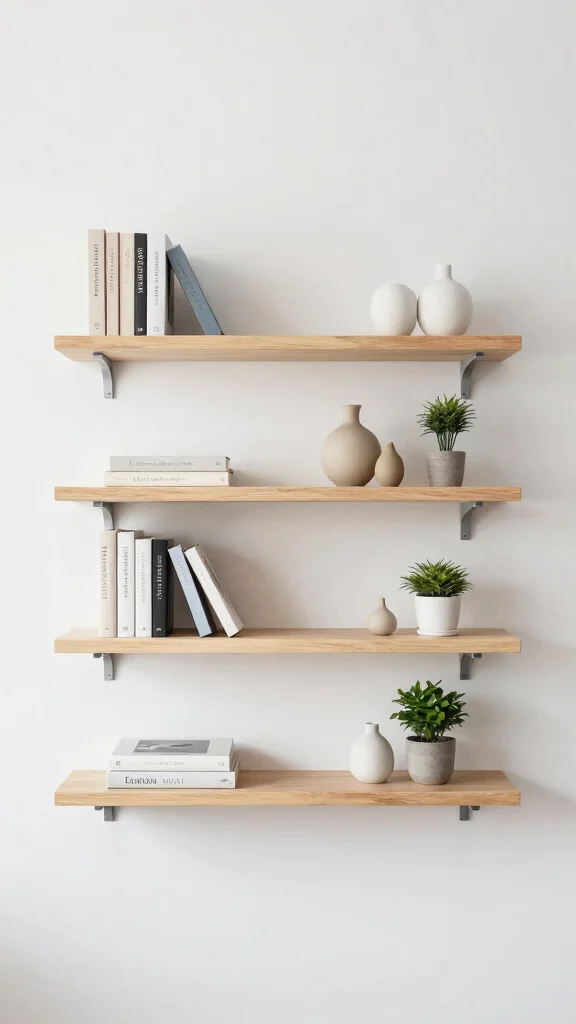
Open shelving is a fantastic way to maintain a minimalist aesthetic while adding personality to your small living room. It allows for the display of beautiful items while keeping the space feeling open and airy. Avoid closed cabinets that can trap visual weight and instead, opt for lightweight shelves arranged thoughtfully.
Use these shelves to showcase books, plants, and decorative treasures that reflect your personal style. Group items in odd numbers for a more engaging visual appeal, aligning with the trend of curated decor.
– Limit items on shelves to avoid clutter.
– Use decorative baskets for a cohesive look.
– Choose high shelves to draw the eye upward.
By selecting open shelving options, you maintain an airy feel while showcasing your favorite pieces in an organized and stylish manner.


7. Incorporate Natural Elements
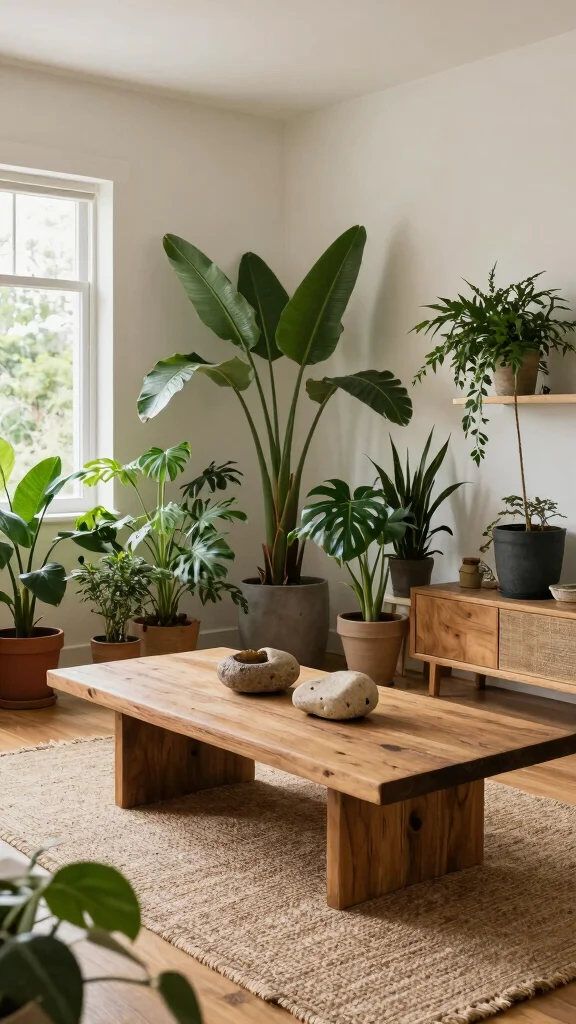
Bringing natural elements into your living room can significantly enhance the feeling of openness and tranquility. Incorporate materials like wood, plants, and stone to create a serene and inviting atmosphere. This connection to nature adds texture while maintaining a light aesthetic.
Opt for low-maintenance plants such as succulents or snake plants to simplify care, and consider natural finishes on furniture to warm the space without overwhelming it. This trend towards biophilic design fosters a calming environment.
– Mix different types of greenery for visual interest.
– Use jute or wool rugs to enhance natural textures.
– Incorporate wooden accents to connect with nature.
Including natural elements not only beautifies your living area but also promotes relaxation, making it a perfect spot for gatherings or quiet moments.


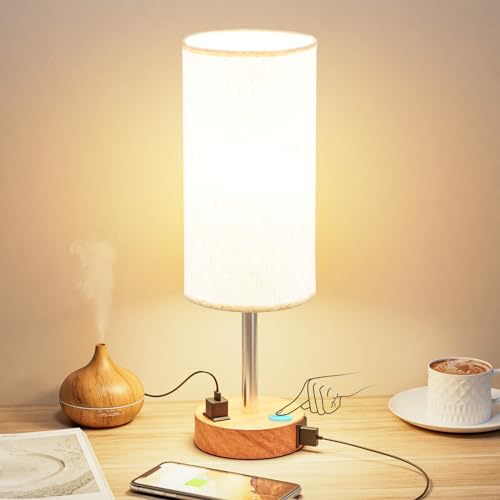
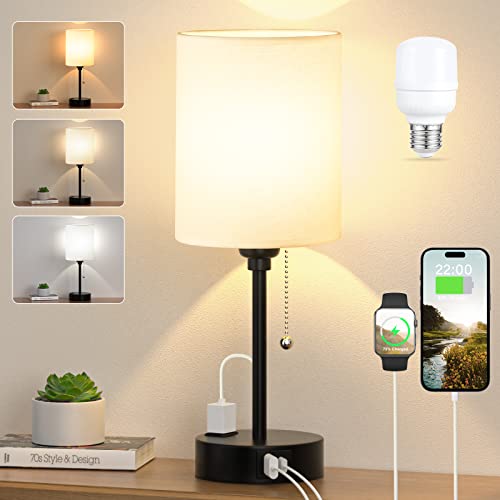
8. Implement Smart Lighting Solutions
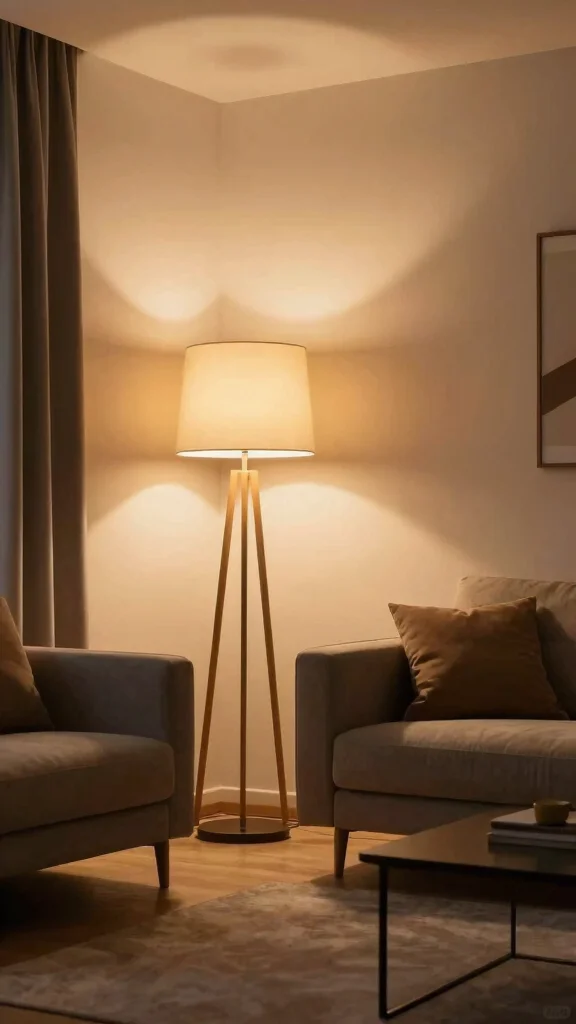
Lighting is crucial in defining the atmosphere of a small living room. Smart lighting solutions can enhance the ambiance, making the room feel larger and more welcoming. By mixing overhead lights, floor lamps, and table lamps, you create a layered effect that adds depth to the space.
Consider installing dimmer switches to adjust lighting based on the mood, and opt for warm bulbs to foster a cozy environment. This approach resonates with the current trend of creating inviting, flexible spaces.
– Position lamps in dark corners to brighten the room.
– Use LED strip lights on shelves for a modern touch.
– Choose stylish fixtures that add character without overwhelming.
With the right lighting, your living room can transition from cozy to spacious, highlighting its best features and creating an inviting atmosphere.


9. Opt for Minimalistic Artwork
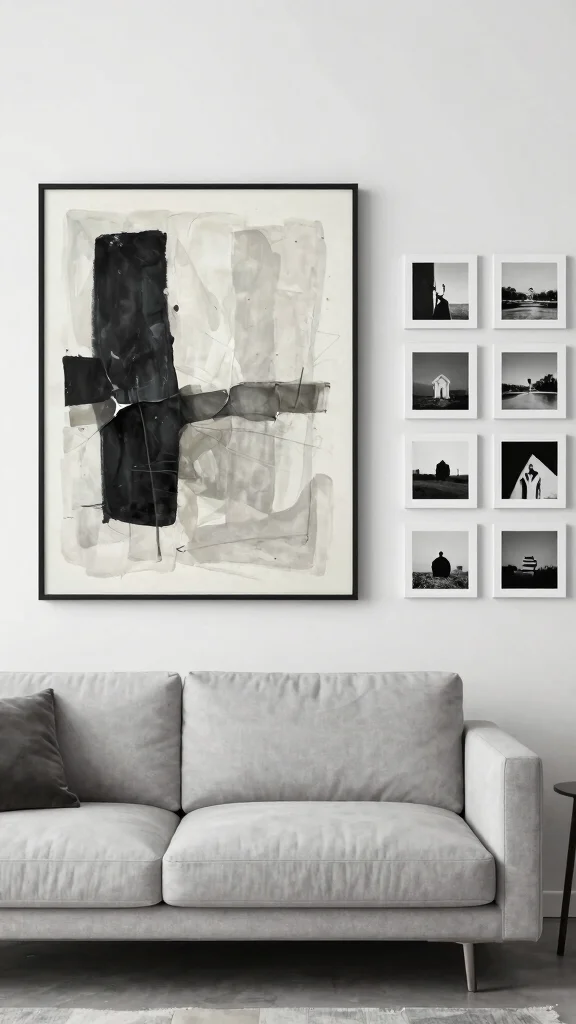
Artwork can significantly enrich your living room, but in a small space, it’s vital to keep it minimalistic. Opt for pieces that resonate with your style without overwhelming the area. Large-scale art can serve as a stunning focal point, provided it doesn’t clutter the walls. Choose monochrome or abstract pieces that complement your room’s color palette.
For a harmonious look, consider a simple gallery wall to display a curated selection without chaos. This approach aligns with the trend of thoughtful decor in minimalist homes.
– Hang art at eye level for optimal viewing.
– Use matching frames for a cohesive appearance.
– Limit colors in artwork to enhance harmony.
Minimalistic artwork can create a striking impact, enhancing your living room’s spacious feel while serving as a captivating focal point.
Did you know a single large artwork can make a wall feel up to 20% bigger than a crowded collage? In small spaces, choose bold monochrome or abstract pieces to create a calm focal point, then keep a simple gallery wall curated with 3–5 pieces.


10. Implement a Cozy Nook
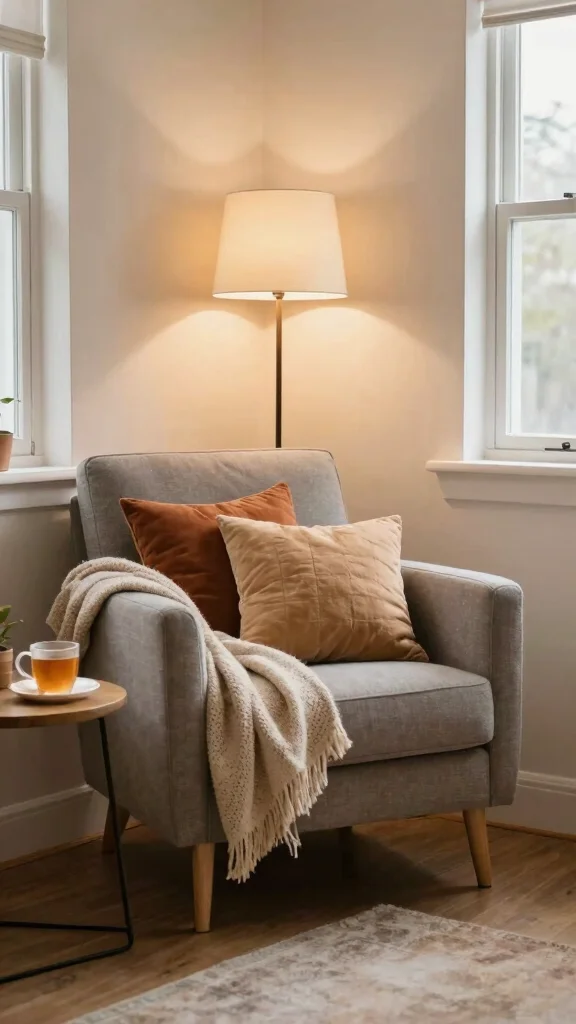
Creating a cozy nook in your small living room can offer comfort and functionality without consuming too much space. Envision a corner with a plush chair and a small side table, ideal for reading or sipping coffee. Adding a soft blanket and some pillows can make this spot feel inviting and warm.
Position your nook near a window to maximize natural light, and layer textures with pillows and throws to enhance comfort without overcrowding. This idea reflects the trend of creating intimate spaces for relaxation.
– Choose a chair that complements existing decor for cohesion.
– Use a small bookshelf to keep books or decor close at hand.
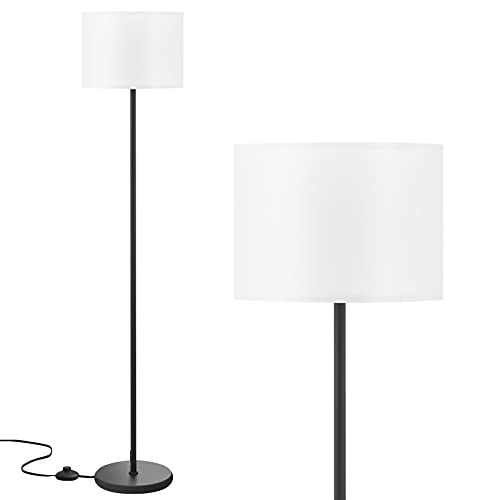
– Add a floor lamp for additional light.
A cozy nook not only enhances the functionality of your living space but also invites relaxation, making it the perfect area for unwinding.


11. Use Area Rugs Wisely
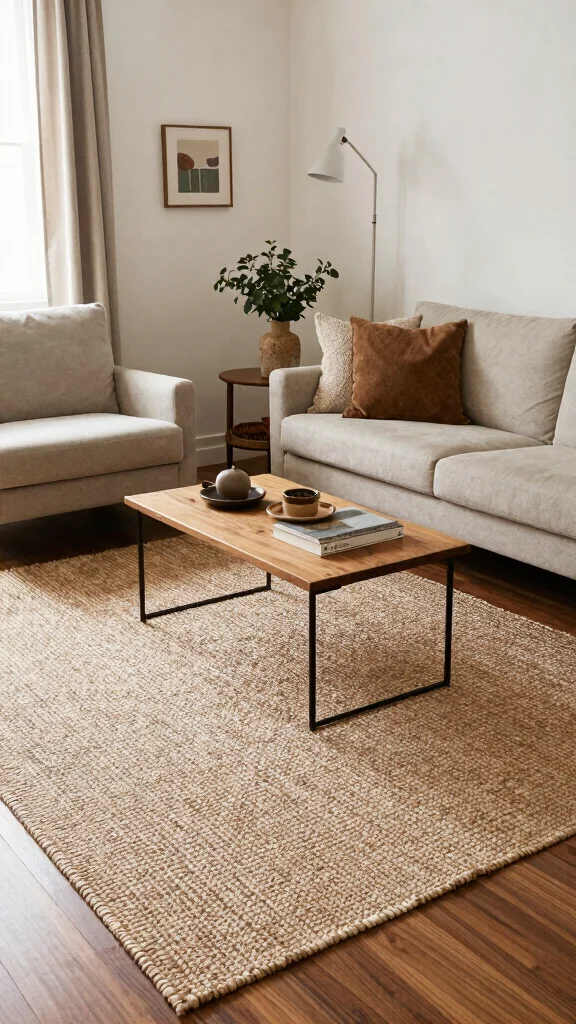
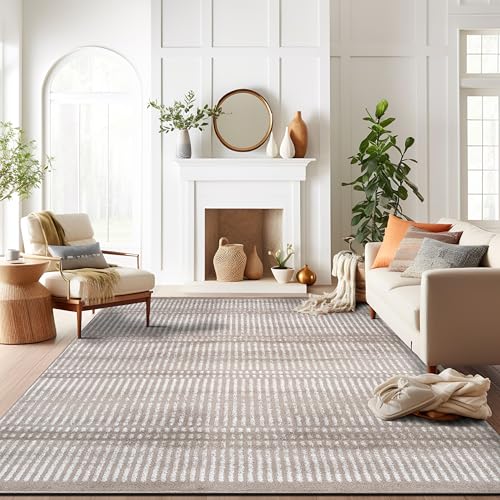
Area rugs play a significant role in defining spaces and adding warmth, especially in compact living rooms. Selecting the right size and style can create visual boundaries while enhancing the overall aesthetic. Opt for larger rugs that extend beneath furniture to unify the space or smaller mats that highlight specific areas.
Choose light-colored rugs to create a sense of openness, and select textured options to add depth while keeping the design airy. This aligns with the trend of using rugs to enhance comfort and style.
– Ensure the rug complements the room’s color palette.
– Choose materials that are easy to clean for practicality.
– Layer rugs for a unique look and extra comfort.
Using area rugs thoughtfully can elevate your living room’s design, providing both comfort and a cohesive feel in a minimalist setup.



12. Opt for Built-In Furniture
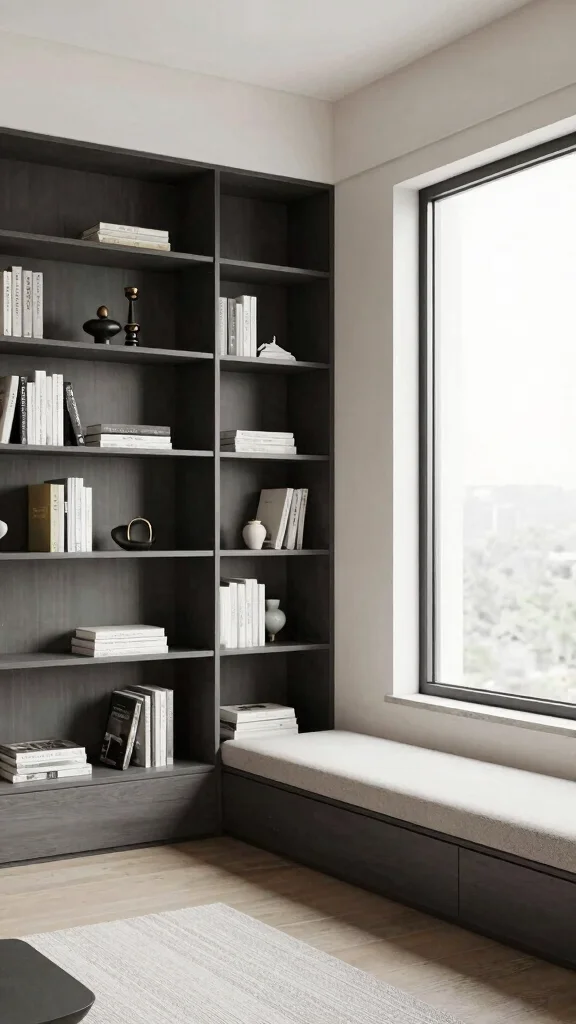
Built-in furniture can be an exceptional solution for small living areas, maximizing your layout while maintaining a sleek aesthetic. Consider built-in shelving, benches, or even sofas that seamlessly fit into your walls. This choice not only saves space but also gives a modern, clean look that embodies minimalist design.
Custom built-ins can be tailored to meet your specific needs, helping to organize and declutter your room beautifully. This aligns with the trend of enhancing functionality without sacrificing style.
– Incorporate built-in shelves that extend from floor to ceiling.
– Use a small bench with storage for additional organization.
– Match built-ins with wall color for a seamless appearance.
Built-in furniture combines functionality and design, making it an ideal choice for achieving an open and airy living room feel.
13. Maintain an Open Floor Plan
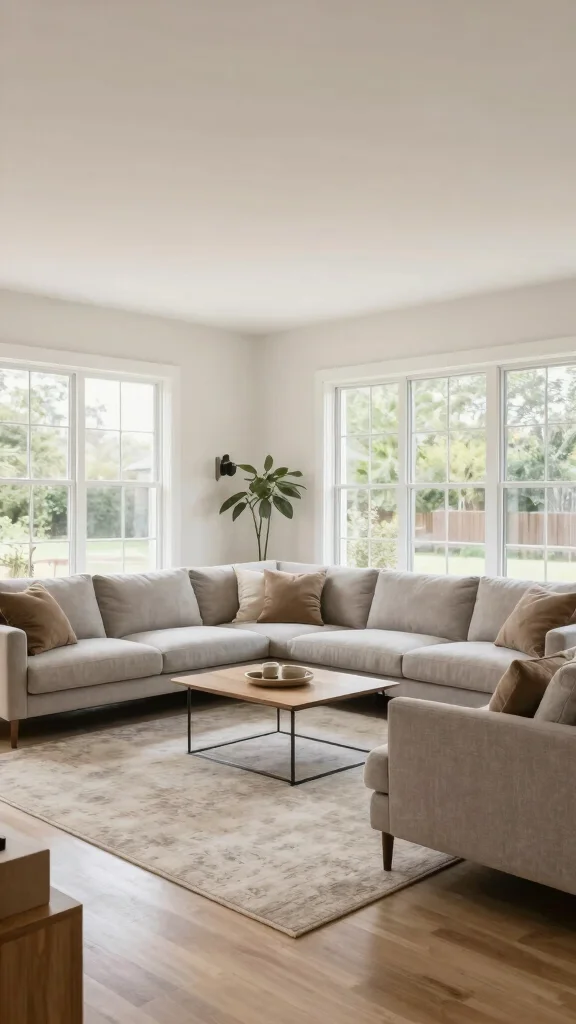
An open floor plan is one of the best strategies for creating a sense of spaciousness in a small living room. By avoiding heavy partition walls, you allow light to flow freely, making the area feel larger and more connected. When designing, use furniture to define spaces without blocking sightlines.
To enhance this effect, consider adding area rugs to delineate different functions, such as seating and dining. This approach resonates with the trend of creating fluid spaces that promote movement and interaction.
– Opt for a sofa that faces the main traffic flow for social engagement.
– Choose low-profile furniture that doesn’t obstruct views.
– Use a sectional sofa to form a casual conversation area.
Embracing an open floor plan can make your living room feel airy and inviting, fostering a seamless flow that encourages connections.


14. Select Simple Window Treatments
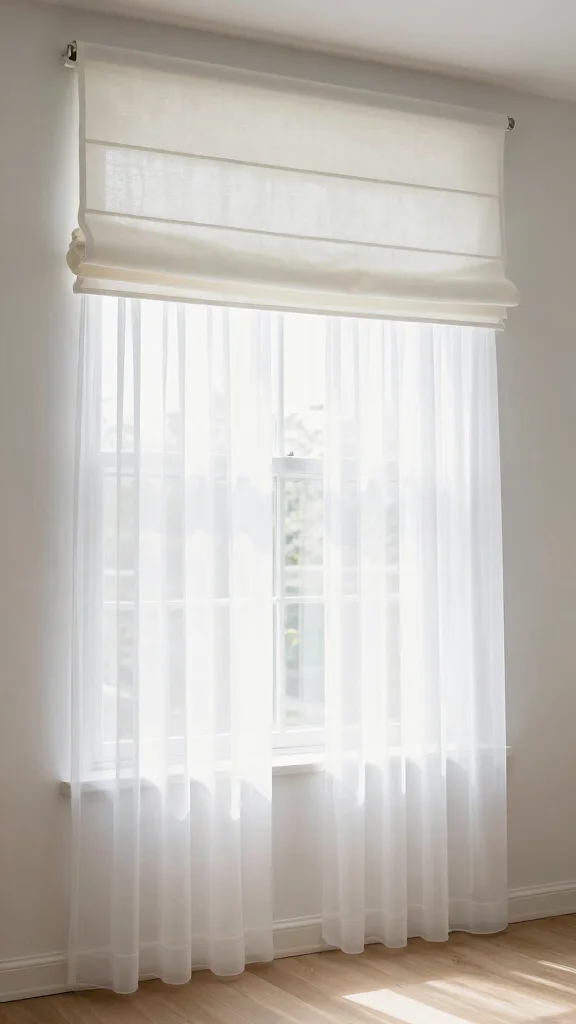
Window treatments play a crucial role in controlling light in a small living room. Opting for simple, minimalistic options like sheer curtains or Roman shades helps maintain an open feel while allowing for light control. Avoid heavy drapes that can confine the space, opting for designs that enhance brightness.
Light fabrics can diffuse sunlight softly, creating a warm ambiance, while shades can be easily pulled up during the day for maximum brightness. This reflects the current trend of simplicity in home decor.
– Choose colors that match the walls for a cohesive look.
– Limit decorative elements to avoid cluttering windows.
– Select treatments that are easy to operate and maintain.
Simple window treatments not only enhance the aesthetic of your living room but also contribute to a bright and airy atmosphere.
15. Focus on Essential Accessories
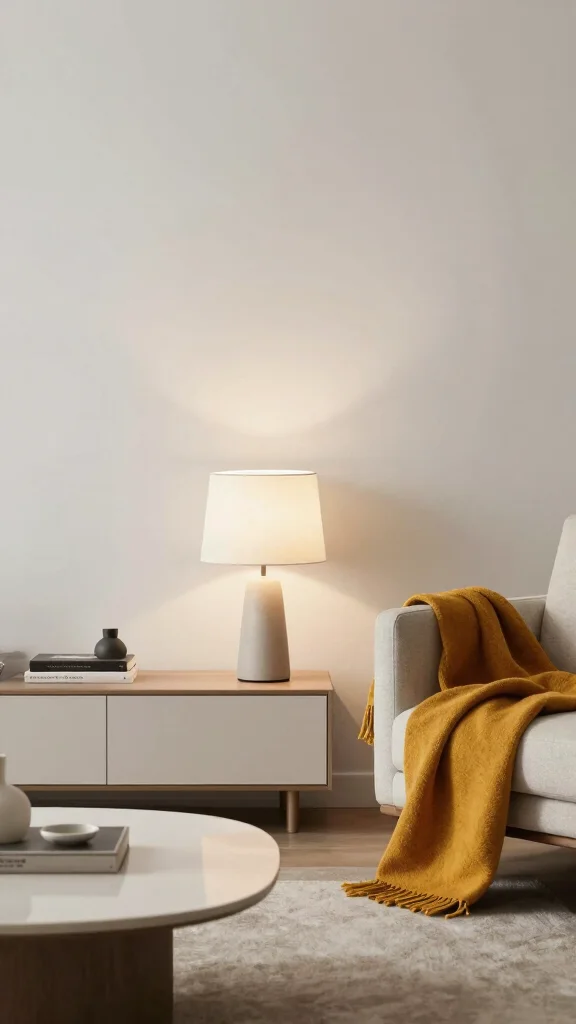
Accessories are a wonderful way to infuse personality into your living room, but in a minimalist space, they should be chosen carefully. Focus on essential accessories that complement your design without overwhelming it. Select standout pieces that serve both decorative and functional purposes, such as unique lamps or cozy throws.
Embrace the idea that less is often more by selecting accessories that you truly love, and opt for versatile items that can be easily moved around. This approach aligns with the trend of curated simplicity in decor.
– Limit the number of decorative items on surfaces for an open feel.
– Use trays to organize smaller pieces while maintaining style.
– Choose a statement lamp that doubles as a conversation starter.
By focusing on essential accessories, you can enrich your living room’s design while keeping the atmosphere light and uncluttered.
16. Consider Sliding Doors
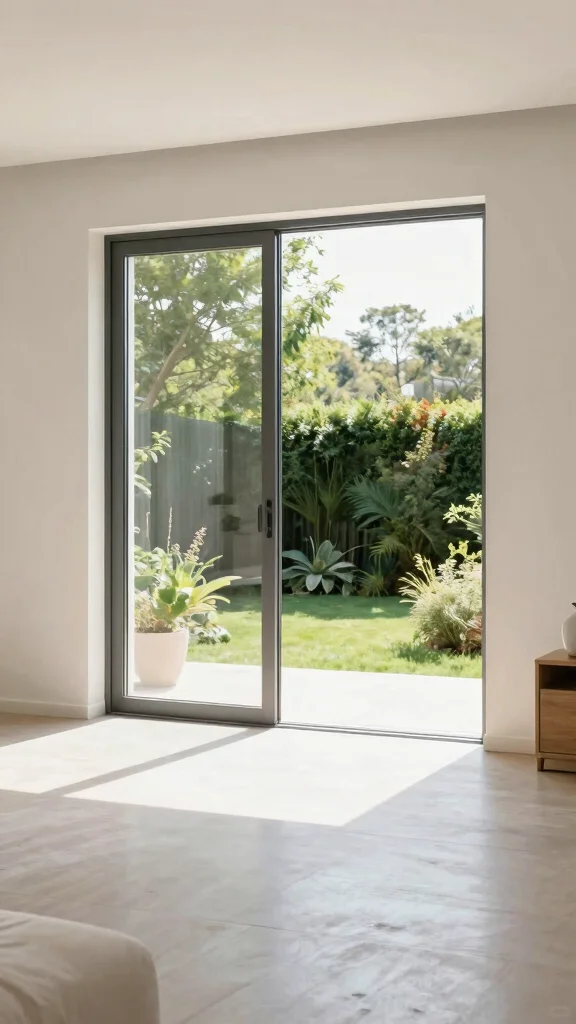
Sliding doors are an innovative and stylish solution for small living rooms, allowing for flexibility without sacrificing space. Unlike traditional doors, sliding options can help maintain an open feel, especially when transitioning between indoor and outdoor areas. They also serve as a sleek design element that can enhance your decor.
Using glass sliding doors can maximize natural light and create a seamless connection to the outdoors, while sleek designs will complement your minimalist aesthetic. This choice aligns with the trend of integrating indoor and outdoor living spaces.
– Ensure the sliding mechanism is practical and easy to use.
– Choose frames that blend with your overall decor style.
– Install sliding doors with minimal hardware for a clean look.
Incorporating sliding doors can enhance your living room’s functionality while making it feel more spacious and connected to nature.
17. Design with Balance in Mind
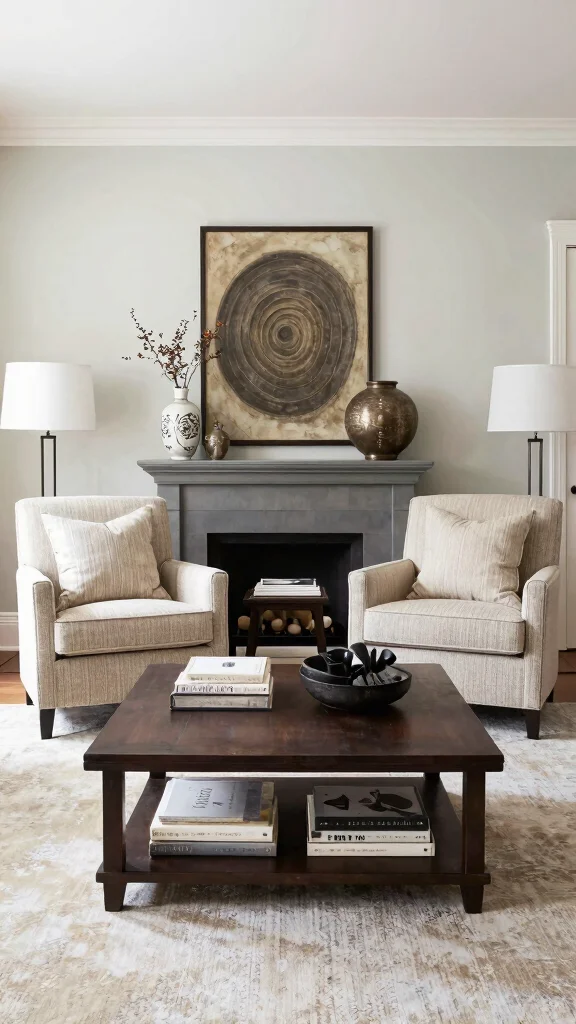
Achieving balance in your living room design is crucial for creating an inviting and open space. This can be accomplished through thoughtful arrangement of furniture, even distribution of color, and careful decor placement. Strive for a harmonious look by ensuring that weight is evenly distributed throughout the room, avoiding visual clutter that can make it feel cramped.
Consider using symmetry or intentional asymmetry to create interest while maintaining balance, and pay attention to the proportions of furniture in relation to your room’s size. This practice syncs with the current trend of mindful design.
– Position larger furniture pieces in the back and smaller ones in the front for depth.
– Balance heavier decor items with lighter pieces to avoid overwhelming the space.
– Use pairs of chairs or lamps to create symmetry.
Focusing on balance not only enhances your living room’s design but also contributes to a calming and spacious atmosphere, making it a more enjoyable place to be.
18. Add a Touch of Personalization
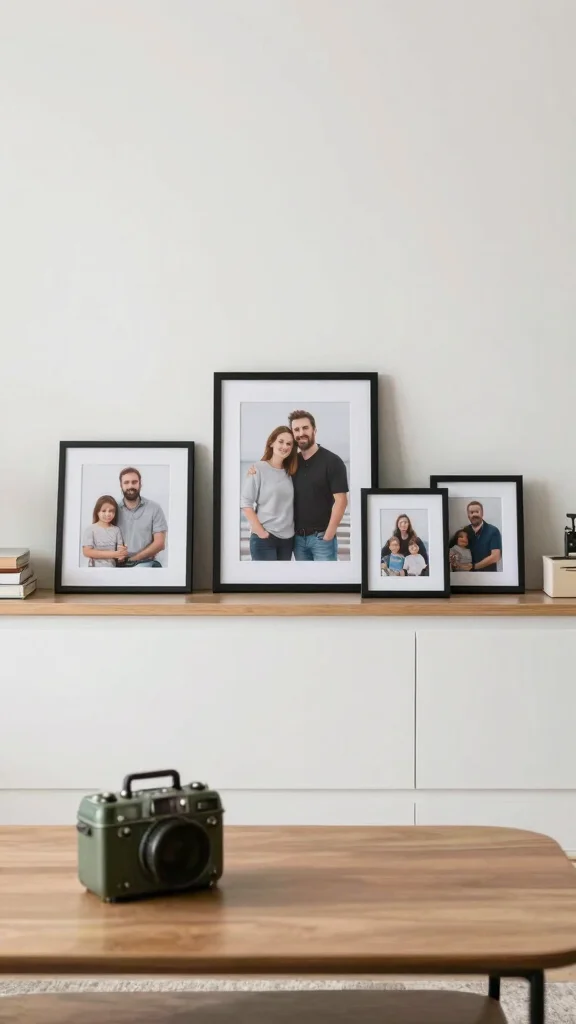
While minimalist design emphasizes simplicity, adding personal touches can make your living room feel uniquely yours. Incorporate items such as family photos or travel souvenirs in a tasteful manner that complements your decor. This approach adds warmth to your space without overwhelming it.
To keep things organized, choose one or two focal points for personalization, and frame personal items in a simple, cohesive style to maintain the room’s aesthetic. This practice resonates with the trend of creating meaningful spaces.
– Set up a small display area for personal items that can be easily updated.
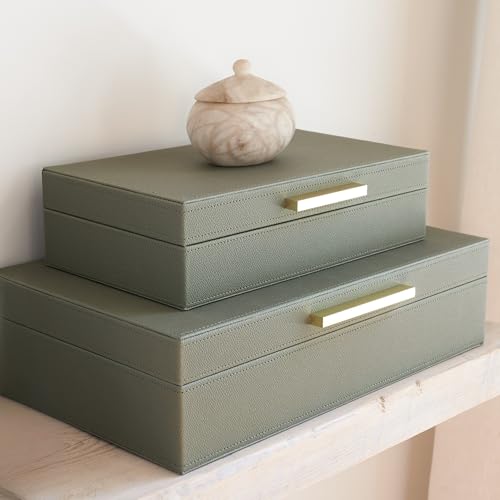
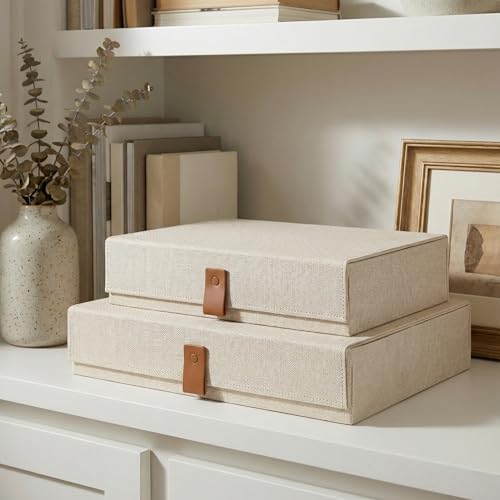
– Use decorative boxes to store smaller items while showcasing them.
– Choose a few standout pieces that reflect your journey or interests.
By carefully adding personal touches, you maintain an airy design while creating a living room that feels welcoming and distinctly yours.
Fun fact: in minimalist small living room ideas, adding just one meaningful item can boost warmth by up to 30% without sacrificing calm. Choose two focal personal pieces and frame them in a cohesive style to keep the space open and serene.



19. Make Use of Vertical Space
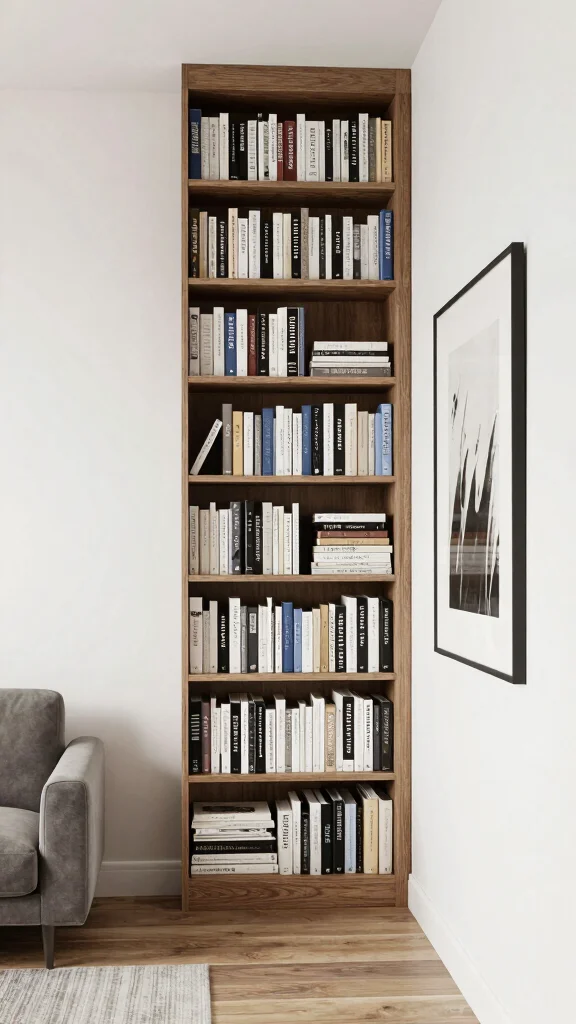
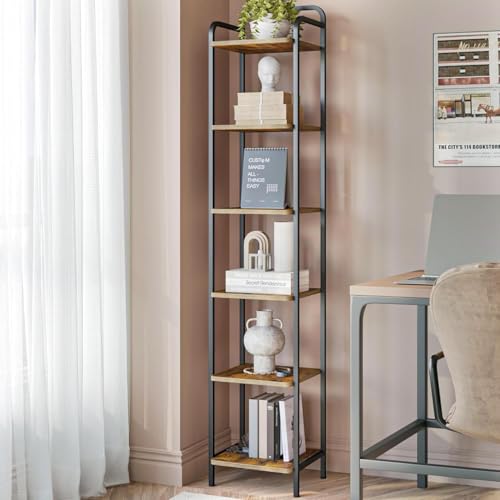
In small living rooms, effectively utilizing vertical space can significantly impact the overall feel of the area. By drawing the eye upward, you can create an illusion of height, enhancing the sense of openness and airiness. Consider incorporating tall bookshelves or vertical wall art to emphasize this effect.
Using taller furniture not only makes the room feel more spacious but also adds visual interest, while wall-mounted lighting can keep floor areas clear. This approach aligns with the trend of maximizing every inch of your living space.
– Hang decor items or art higher to draw the eye upward.
– Use ladder shelves that make efficient use of vertical space.
– Incorporate tall plants to add life without taking up too much ground space.
By making use of vertical space, your living room can feel more open and inviting, transforming the way you experience your home.
20. Keep It Clutter-Free
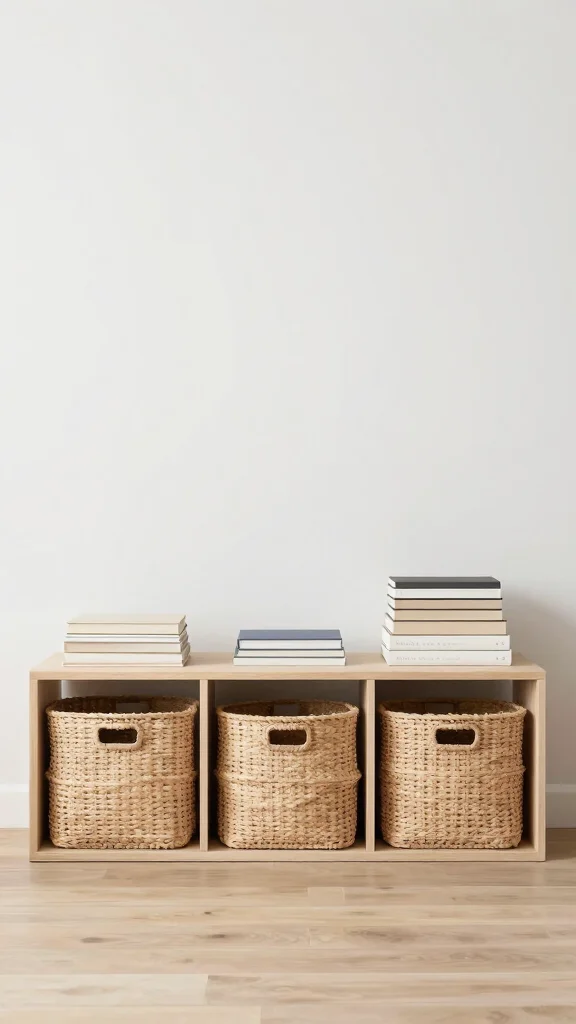
Maintaining a clutter-free environment is essential for achieving an airy feel in your small living room. Regularly assess your belongings and remove items that don’t serve a purpose or bring joy. Utilize storage solutions to conceal necessary items while keeping surfaces organized and visually appealing.
Invest in decorative baskets or boxes that match your decor for hidden yet accessible storage, and create a streamlined system for organizing items to make cleanup simple and efficient. This approach resonates with the trend of minimalism, promoting a more serene lifestyle.
– Limit decor items to a few well-chosen pieces that enhance the space.
– Establish a decluttering routine to keep your environment fresh and tidy.
– Use stylish storage options that blend seamlessly with your decor.
Keeping your living room clutter-free is key to achieving a minimalist aesthetic that feels open and inviting, enhancing your overall living experience.
Conclusion
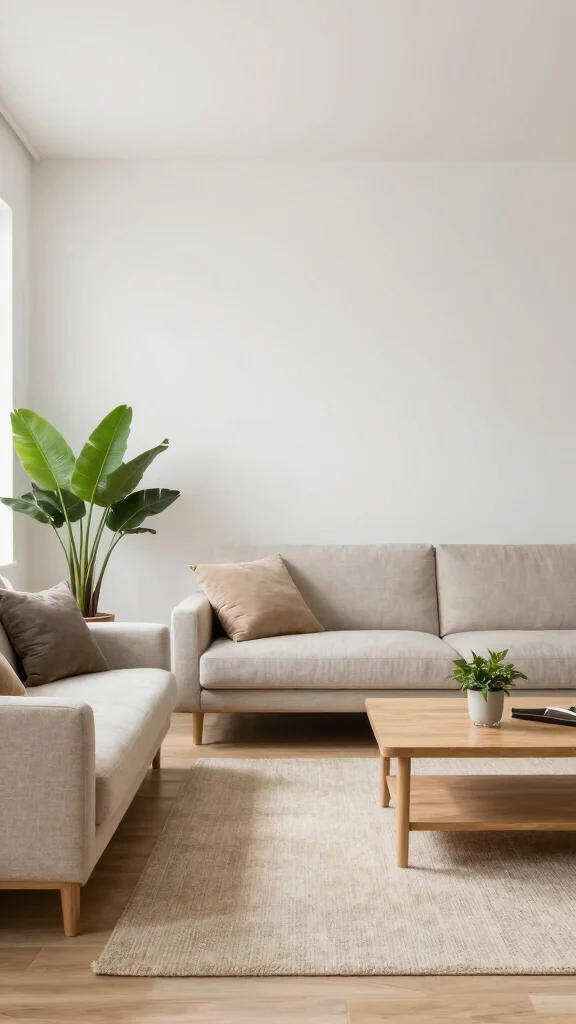
Embracing minimalist small living room ideas can transform your space into a stunning oasis of light and airiness.
From selecting the right furniture to incorporating natural elements, every choice impacts the overall aesthetic and functionality.
By implementing these tips and ideas, you can create a serene environment that feels spacious and welcoming—perfect for both relaxing evenings and lively gatherings.
Frequently Asked Questions
What are the top minimalist small living room ideas to make a space feel open and airy?
Start with a light, cohesive palette and minimalist small living room ideas that keep sight lines clear and the room feeling spacious.
Choose minimalist furniture with clean lines—think a slim-profile sofa, wall-mounted TV, and nesting tables to reduce footprint while staying functional.
Maximize small space decor with built-in storage, hidden compartments, and furniture that serves multiple purposes. Use vertical elements and mirrors to extend the perception of space for open concept living and an airy home design vibe.
Finish with simple textiles and a few green plants to add warmth without clutter.
How can Scandinavian minimalist design improve a small living room without clutter?
Adopt a light, uncluttered palette and natural materials to achieve that crisp Scandinavian vibe. Use pale walls, light wood minimalist furniture, and simple fabrics to keep the space feeling open.
Choose pieces with built-in storage to hide away clutter, like a coffee table with a shelf or an ottoman that opens. Leave plenty of negative space and limit decor to a few meaningful items to support open concept living. Add texture with a sheepskin throw or a wool rug for warmth while staying true to modern interior styling and airy home design.
Which minimalist furniture pieces are essential for a small space living room?
Essential pieces include a minimalist furniture sofa with a slim profile, a wall-mounted media unit to keep floor space clear, and nesting coffee tables that tuck away when not in use.
Look for small space decor options like a storage ottoman, a slim console that doubles as a desk, and floating shelves to avoid bulky furniture. Choose pieces with light colors and airy silhouettes to support open concept living and airy home design.
What are the best ways to maximize natural light in a small living room with a minimalist approach?
Prioritize natural light by keeping window areas uncluttered and facing seating toward the light source for open concept living. Use sheer or light-filtering curtains and light, reflective surfaces—glass coffee tables, metallic frames, and glossy floors—to bounce light around for airy home design. Add a mirror opposite a window to double the light and create depth. Keep décor minimal and functional to maintain minimalist small living room ideas.
Which color schemes and decor tips help create an airy, open concept living room?
Go for a calm neutral palette—whites, creams, soft grays—with modern interior styling to keep the space feeling bright. Add texture with linen, wool, and wood rather than busy patterns. Use a few statement pieces instead of clutter; let lighting and furniture placement define zones in the open concept living plan. Bring in live greenery and simple art to add warmth while preserving an airy home design.
Related Topics
home decor
minimalist design
small living room
scandinavian style
open concept
airy spaces
modern furniture
small space decor
easy styling
budget friendly
interior tips
minimalist home