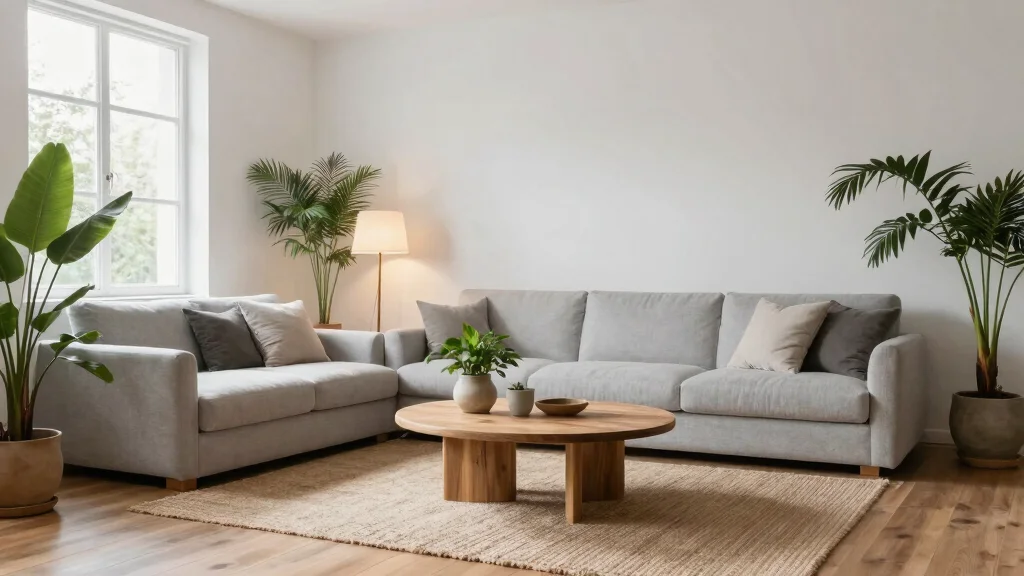
Expert Home Style – For the Price of a Coffee ($3.90)
Master high-end design secrets (Tuscan, Modern) without the expensive consultants.
🛒 Buy NowCreating a minimalist living room can feel like a breath of fresh air. With the rise of simple living and sustainable design, many of us are craving spaces that are clean, calming, and clutter-free. Our homes should reflect our values, and embracing a minimalist aesthetic allows you to prioritize what truly matters. This post is here to inspire you with 17 unique minimalist living room ideas that are perfect for anyone looking to create a serene space without sacrificing style.
If you find yourself overwhelmed by the chaos of everyday life, or if you simply appreciate modern home decor that promotes simplicity, this guide is for you. Whether you’re a seasoned minimalist or just starting your journey, these ideas will help you craft a living room that feels both inviting and peaceful. You’ll discover practical tips to make your space more functional and beautiful, all while embracing sustainable materials and practices.
In this post, you’ll gain insights into minimalist interior styles that focus on multi-functional furniture, smart storage solutions, and the beauty of open spaces. From creating a soft neutral palette to incorporating greenery as decor, these ideas are designed to elevate your living area. Let’s dive into these minimalist living room ideas and transform your home into a sanctuary of simplicity and comfort.
Key Takeaways
– Achieving a minimalist living room starts with a soft neutral palette, promoting a soothing atmosphere that calms the senses.
– Use sustainable materials and furniture that serve multiple purposes, reducing clutter and keeping your space functional.
– Smart storage solutions are key to maintaining a tidy environment, allowing you to hide away items while keeping essentials within reach.
– Incorporate greenery into your decor to add life and color to your minimalist space; plants promote well-being and a connection to nature.
– Emphasize natural light in your design by choosing simple window treatments and maximizing open spaces for a bright, airy feel.
Contents
- 1. Soft Neutral Palette
- 2. Sustainable Materials
- 3. Multi-Functional Furniture
- 4. Open Layout Design
- 5. Textured Fabrics
- 6. Smart Storage Solutions
- 7. Statement Lighting
- 8. Greenery as Decor
- 9. Minimalist Wall Art
- 10. Simple Accessories
- 11. Minimalist Rugs
- 12. Simple Window Treatments
- 13. Curated Bookshelves
- 14. Personal Touches
- 15. Emphasizing Natural Light
- 16. Functional Decor
- 17. Embrace Open Spaces


1. Soft Neutral Palette
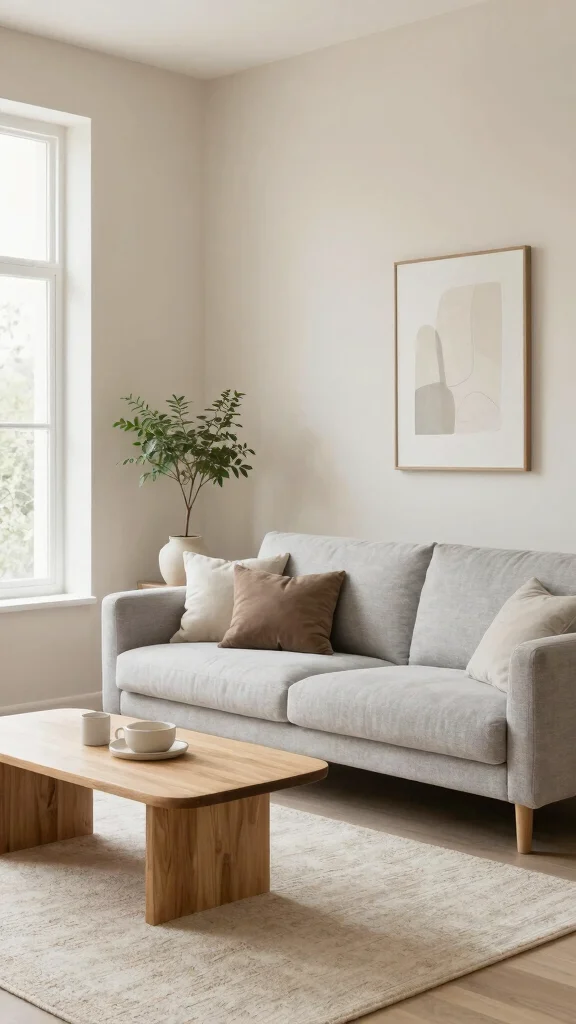
A soft neutral palette is key to achieving a minimalist living room that feels serene and spacious. Colors like beige, soft gray, and gentle whites create a calming atmosphere that invites relaxation. By using different shades within this spectrum, you add subtle depth while maintaining a clean, cohesive look. Imagine soft linen sofas paired with a light-colored rug and natural wood accents for warmth and comfort.
To implement this look, keep your selections limited to a few shades for walls, furniture, and decor. Textured fabrics like cotton and linen can introduce warmth without overwhelming the senses. You can easily switch up the vibe by adding pastel or muted jewel tone accents through throw pillows or art pieces.
Consider these tips to enhance your neutral palette:
– Pair soft gray walls with white furniture for a light feel.
– Use woven baskets for storage that complement your color scheme.
– Incorporate a few pastel cushions to add a gentle pop of color.
– Choose art that reflects the neutral tones for harmony.
This approach emphasizes tranquility and simplicity, allowing textures like linen and wood to enrich your living space.
Fun fact: Minimalist living room ideas with a soft neutral palette can visually expand your space—beige, soft gray, and gentle whites make a room feel up to 25% larger. Keep your shades limited for a clean, cohesive look.


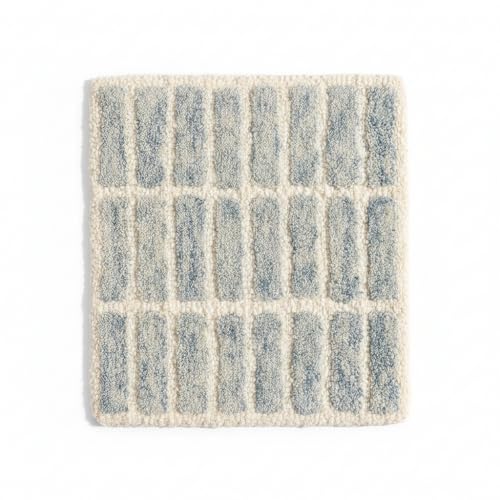

2. Sustainable Materials
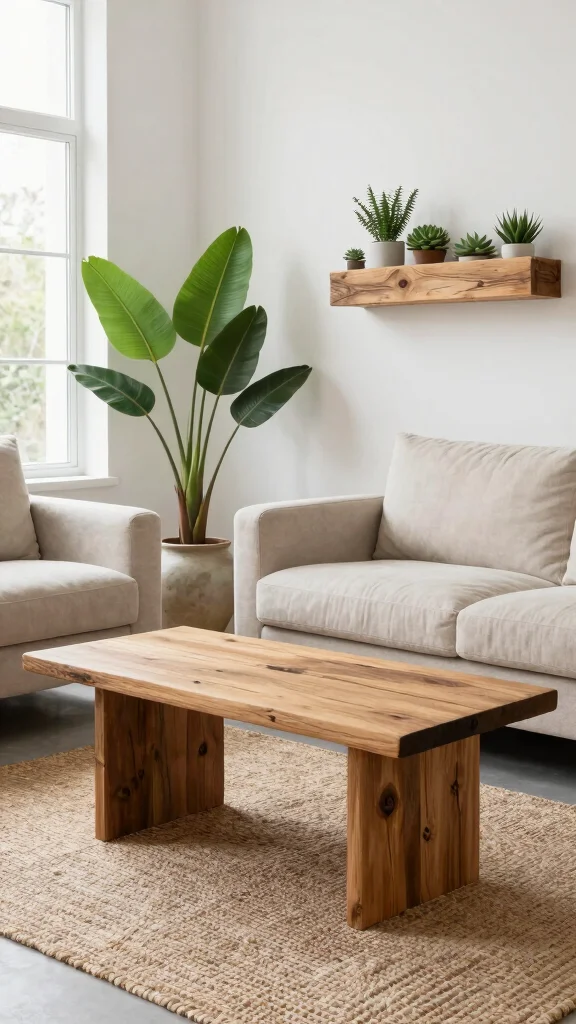
Incorporating sustainable materials into your minimalist living room design enhances both aesthetics and eco-friendliness. Furniture made from reclaimed wood, bamboo, or recycled metals adds unique character and warmth to your space while being kind to the planet. Natural fiber rugs and throws, like jute or organic cotton, contribute to a serene environment and support sustainability.
You can also explore vintage or second-hand furnishings that not only reduce waste but bring a unique charm to your decor. Look for locally sourced items to promote ethical practices while enhancing your design.
Here are some sustainable choices to consider:
– Research local shops that specialize in eco-friendly furniture.
– Seek brands committed to ethical sourcing and production.
– Incorporate indoor plants to improve air quality and enhance biophilic design.
This approach creates a rich, inviting atmosphere while promoting a connection to the environment.
Did you know that using reclaimed wood or bamboo can cut new wood demand by up to 40% in a single room? Sustainable materials like jute rugs and organic cotton throws add warmth and texture, keeping your minimalist living room ideas calm, eco-friendly, and instantly shareable.

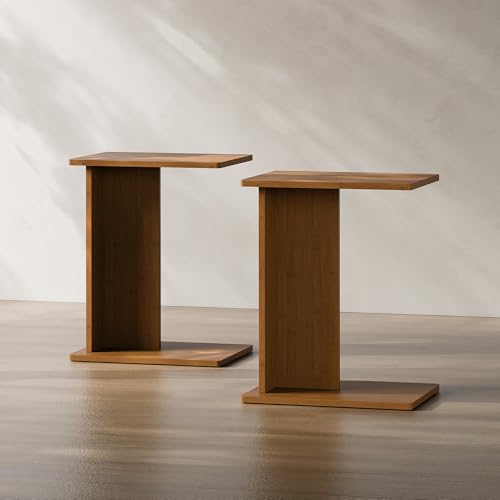


3. Multi-Functional Furniture
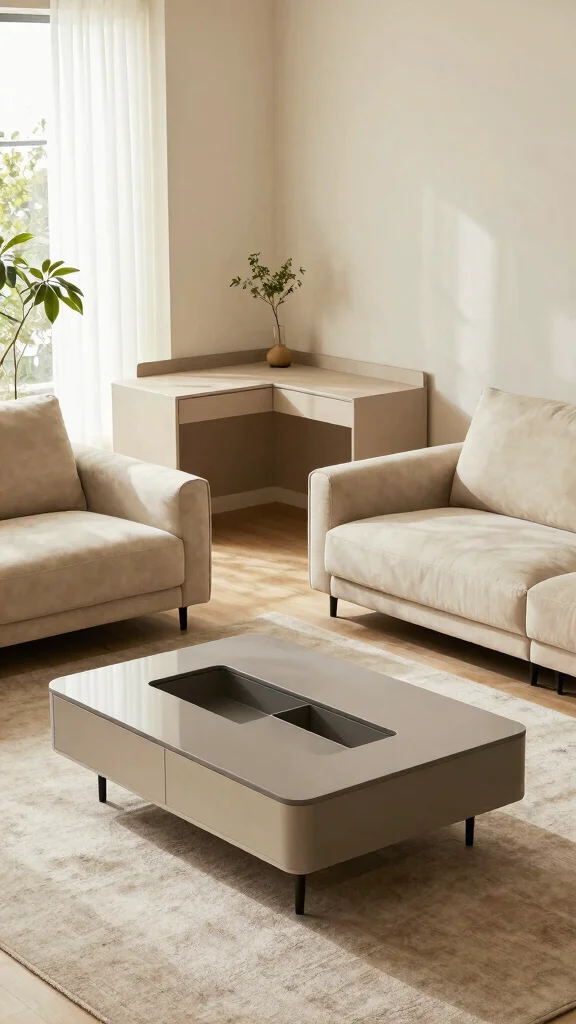
Embrace multi-functional furniture to optimize space and functionality in your minimalist living room. Items like a sleek coffee table that doubles as storage or a sofa bed for guests can help you maintain a tidy, organized environment. This not only reduces clutter but enhances the efficiency of your room, making it both practical and stylish.
Consider versatile options such as ottomans that serve as extra seating or a compact desk that can be tucked away when not in use. These pieces keep your space flexible and functional while adhering to minimalist principles.
Here are some smart ideas to implement:
– Invest in nesting tables that can be used separately or together.
– Choose a sofa that converts to a bed for surprise visitors.
– Use a storage bench for seating and hidden compartments.
This strategy maximizes your living area while ensuring every piece has a purpose.

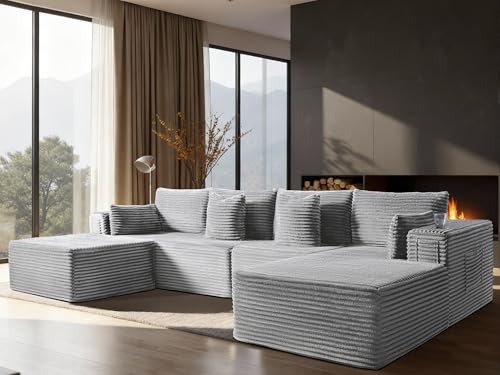


4. Open Layout Design
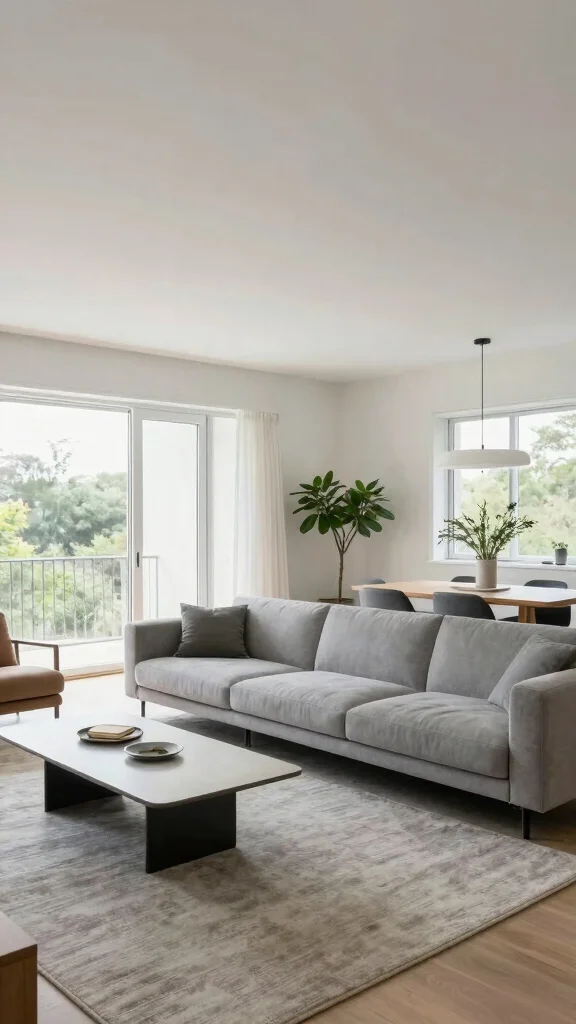
An open layout design creates a sense of flow and spaciousness in your living room. By merging your living area with adjacent spaces, like the kitchen or dining room, you invite natural light and create an airy atmosphere. This design approach not only makes your home feel larger but also encourages connectivity among spaces.
Utilize furniture placement to define areas within your open layout without needing physical barriers. This allows your living room to feel expansive and welcoming while maintaining individuality in each section.
Consider these helpful tips:
– Use rugs to define different areas in your open space.
– Opt for low-profile furniture to keep sightlines clear.
– Maintain cohesive decor across spaces to enhance flow.
This layout emphasizes openness and light, creating a harmonious living environment.


5. Textured Fabrics
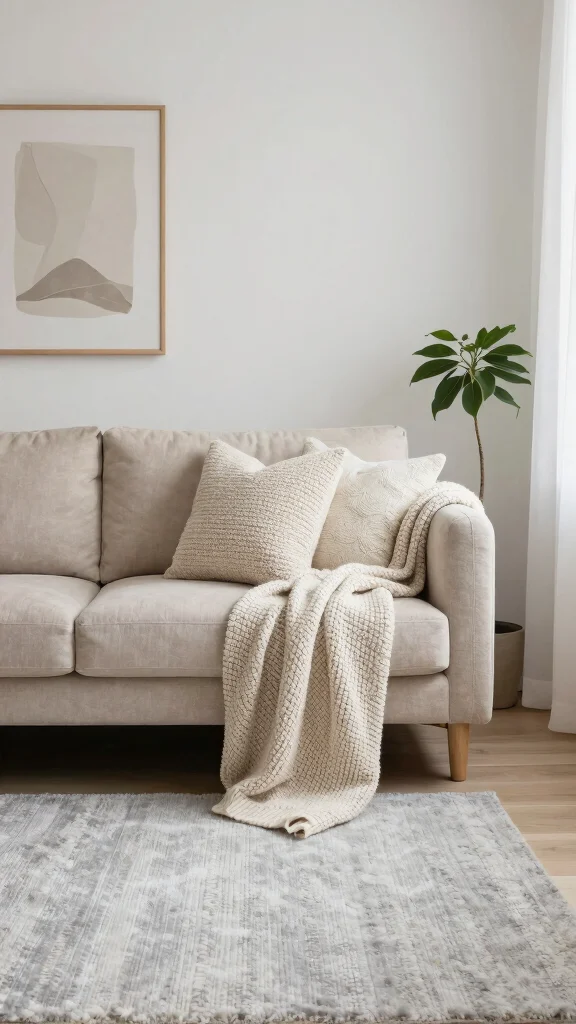
Integrating textured fabrics into your minimalist living room adds depth and comfort without overwhelming the space. Think about soft throws, woven cushions, and plush rugs that enhance coziness while creating visual interest. Layering textures, such as a smooth leather sofa paired with knitted wool throws, can cultivate an inviting atmosphere while maintaining sophistication.
Stick to a limited color palette that supports harmony and balance in your design. Textures can help define areas and add warmth without introducing chaotic patterns.
Key considerations for texture:
– Limit colors to maintain visual harmony.
– Use varying textures to create cozy areas.
– Avoid busy patterns that detract from simplicity.
This strategy enriches your living space, inviting comfort while adhering to minimalist ideals.
❝ Texture is your secret ingredient in minimalist living room ideas: layer soft throws, woven cushions, and plush rugs for warmth without clutter. Stick to a calm color palette—let fabrics define zones, creating a cozy, sophisticated space you can actually live in. ❞


How To Choose the Right Minimalist Living Room Decor
When creating a minimalist living room, choosing the right decor is essential for achieving a clean and simple aesthetic. Here are some key points to guide you through the selection process.
1. Define Your Style
Before you shop, take a moment to think about the style you want to create. Are you drawn to modern home decor, or do you prefer more natural, rustic vibes? Each minimalist interior style has its unique flair. Consider looking for inspiration on platforms like Pinterest or Instagram to help you visualize your dream space.
2. Focus on Color Palette
A soft neutral palette is often a hallmark of minimalist design. Think whites, beiges, and soft grays. These colors create a clutter-free space and serve as a beautiful backdrop for furnishings and decor. You might also consider adding one or two accent colors for a fresh pop. Stick to subdued tones to maintain a serene atmosphere.
3. Choose Sustainable Materials
Opt for decor made from sustainable materials. This doesn’t just align with a minimalist ethos; it also promotes eco-friendly practices. Look for items crafted from reclaimed wood, organic cotton, or recycled metals. These materials not only look good but also reflect a commitment to the environment.
4. Prioritize Functionality
In a minimalist living room, every piece should serve a purpose. Multi-functional furniture, like a sofa bed or an ottoman with hidden storage, can help you maximize space. Think about how each item will fit into your daily life. This practical approach minimizes clutter and keeps your space looking tidy.
5. Explore Textured Fabrics
Textures can add depth to your minimalist living room without overwhelming it. Consider incorporating textured fabrics like linen, wool, or jute. These materials can make your space feel cozy while still maintaining a clean look. Simple accessories like throw pillows or a soft rug can introduce texture and warmth.
6. Embrace Natural Light
Natural light plays a vital role in creating a minimalist living room. Choose window treatments that allow light to flow freely. Light, airy curtains or no curtains at all can enhance the openness of your space. Aim to arrange furniture in a way that takes advantage of natural light, creating an inviting atmosphere.
Pro Tip: Before making purchases, create a mood board with swatches and images that inspire you. This will help you stay focused and ensure that everything you choose aligns with your vision for a minimalist living room.
Choosing the right decor for your minimalist living room doesn’t have to be overwhelming. By focusing on your style, color palette, materials, functionality, texture, and lighting, you can create a serene space that reflects your commitment to simple living. Remember to take your time and enjoy the process of transforming your home!


6. Smart Storage Solutions
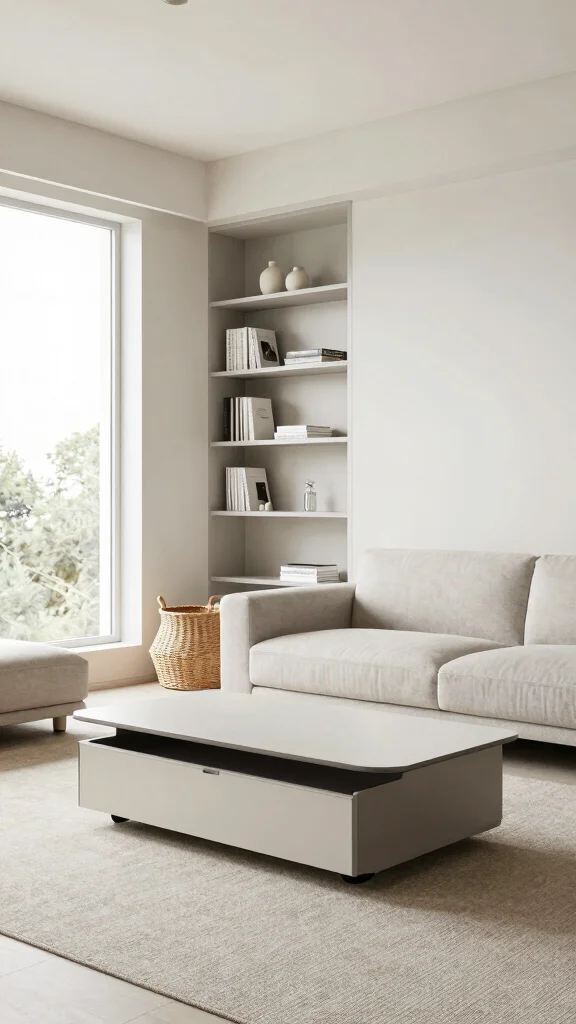
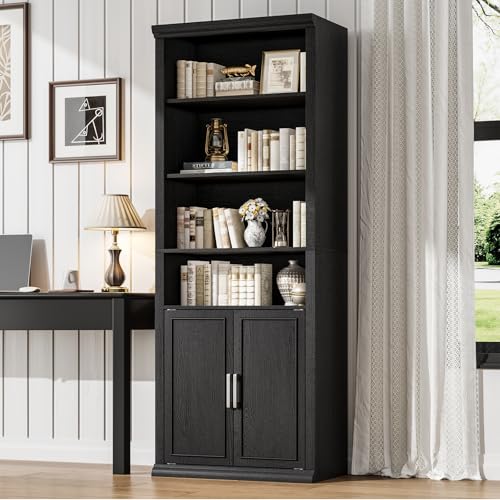
Creative storage solutions are vital for keeping your minimalist living room clutter-free. Built-in shelves, decorative storage boxes, and hidden compartments help you stay organized while maintaining a sleek appearance. Look for furniture that incorporates storage, such as ottomans with hidden spaces or coffee tables with shelves underneath.
This not only keeps your living room tidy but also contributes to a clean, streamlined look. Regular decluttering ensures every item has a designated place, enhancing the overall organization of your space.
Here are some practical tips:
– Choose storage options that match your decor style.
– Declutter regularly to keep your space organized.
– Utilize vertical spaces with shelves above furniture.
These smart solutions help you maintain an orderly, inviting living room.



7. Statement Lighting
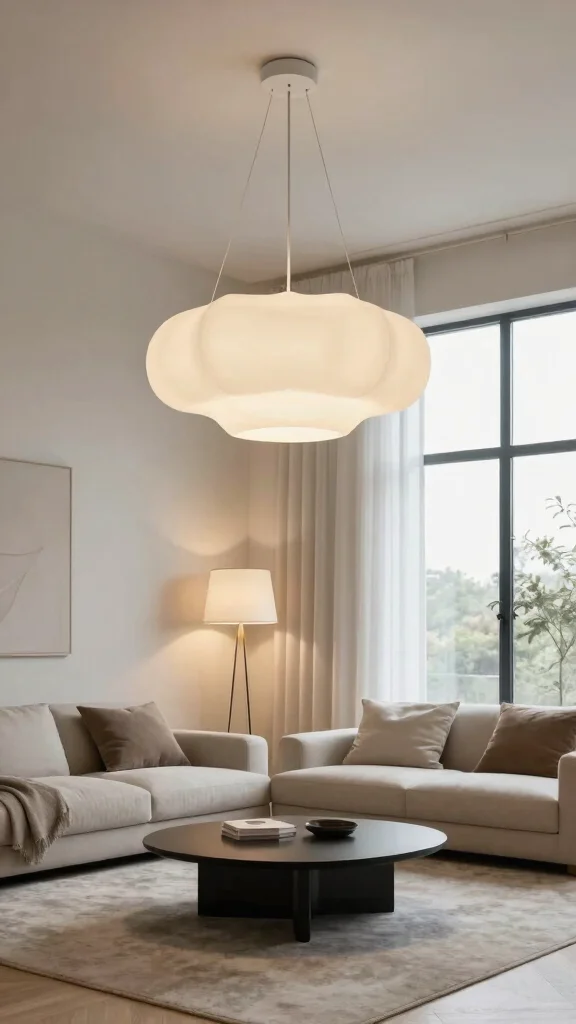
Statement lighting acts as a functional piece of art in your minimalist living room, adding character without clutter. Consider sculptural floor lamps or unique pendant lights that draw attention and elevate the overall design. Effective lighting should be both stylish and practical, enhancing the ambiance while illuminating the space.
Select fixtures with clean lines and interesting shapes that complement your personal style. Layering different types of lighting can provide versatility, ensuring your living room is warm and inviting.
Ideas to implement:
– Layer ambient, task, and accent lighting for versatility.
– Choose fixtures that harmonize with your decor style.
– Ensure lighting enhances, rather than distracts from, your minimalist theme.
This focus on lighting enriches the atmosphere, making your living room feel both inviting and sophisticated.
You might also like




8. Greenery as Decor
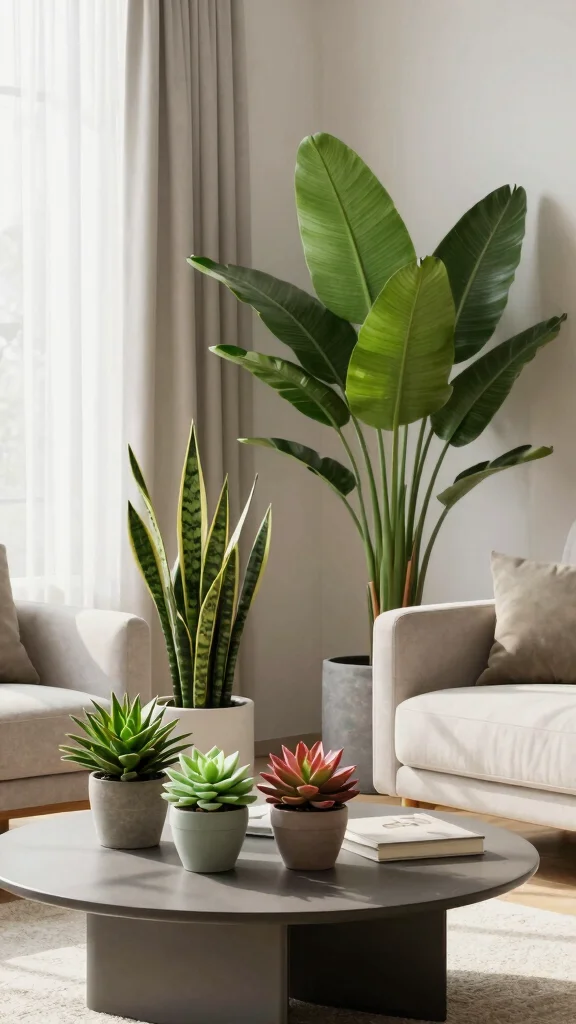
Integrating greenery into your living room breathes life into the space while keeping it clutter-free. Plants improve air quality and foster a calming environment, helping you feel more connected to nature. Select a few plants that grow well in your lighting conditions and complement your decor style.
Minimalist planters can enhance your design while allowing greenery to shine. Low-maintenance options like succulents, snake plants, and pothos work well in minimalist spaces.
Here are some placement tips:
– Group plants for visual impact, avoiding overcrowding.
– Use plant stands to create varying heights.
– Position larger plants in corners to fill space effectively.
This approach adds vibrancy and freshness while supporting your minimalist aesthetic.





9. Minimalist Wall Art
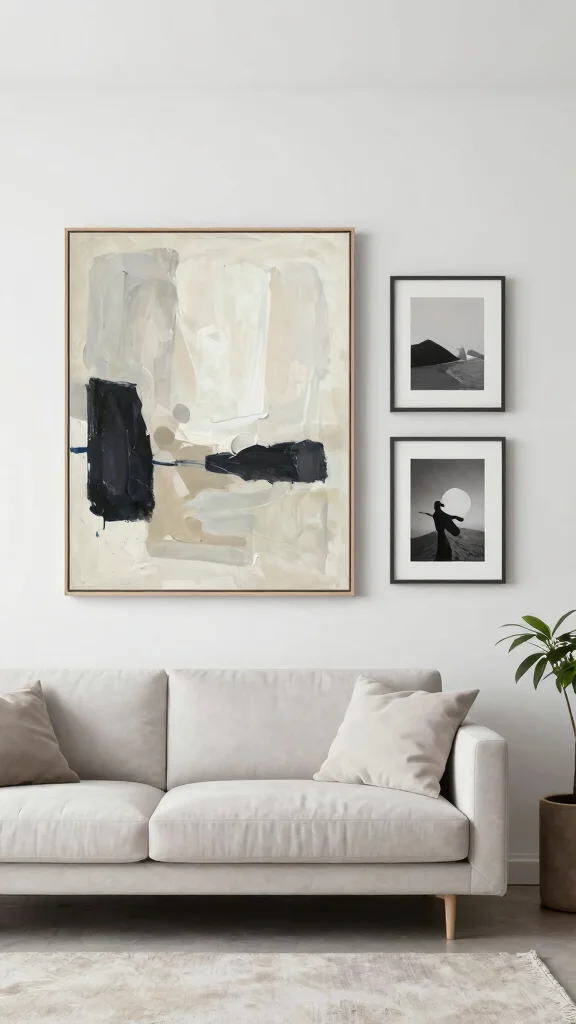
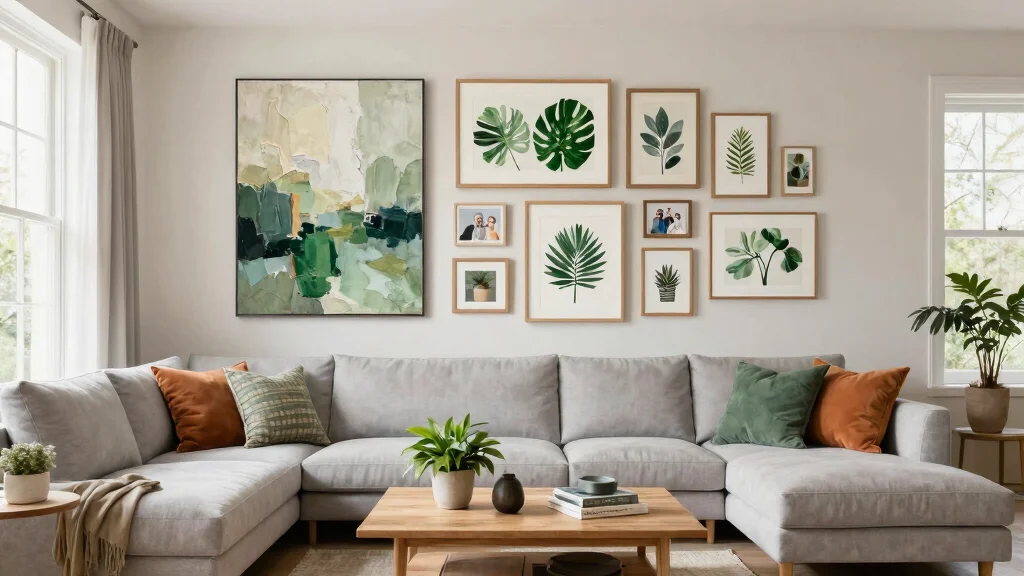
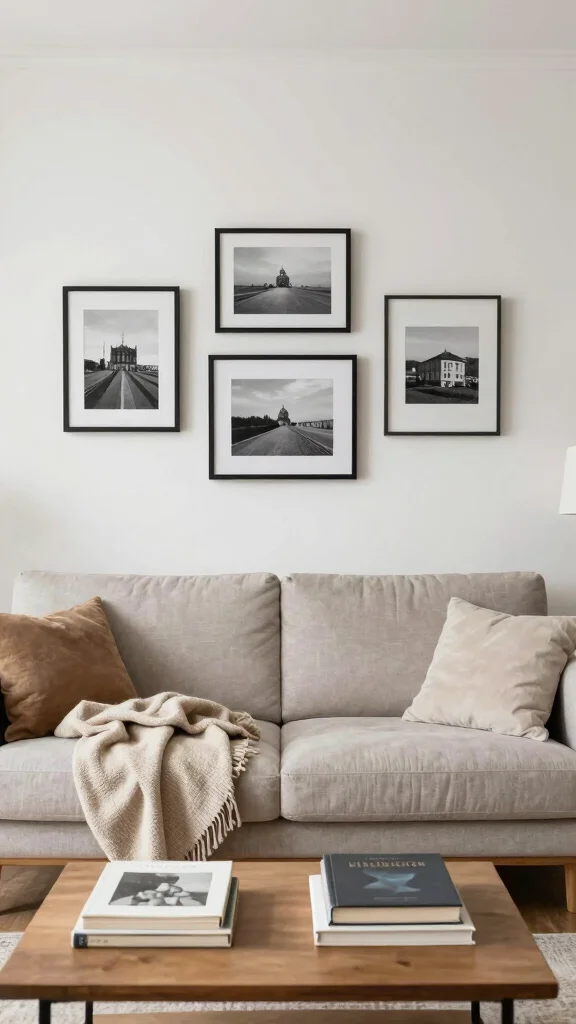
Wall art serves as a wonderful opportunity to inject personality into your minimalist living room without overwhelming the space. Focus on large-scale pieces or a simple gallery wall that adheres to minimalist principles, emphasizing clean lines and limited color palettes. Abstract prints or monochrome photography can elevate your decor, allowing for adaptability as your style evolves.
Avoid overcrowding walls; instead, give each artwork room to breathe and make an impact. Thoughtful arrangement can create a stunning focal point in your living room.
For gallery walls, consider:
– Using uniform frames for a cohesive appearance.
– Arranging pieces on the floor first for layout planning.
– Leaving some wall space empty to maintain simplicity.
This strategy enhances your living room’s sophistication while allowing for personal expression.


10. Simple Accessories
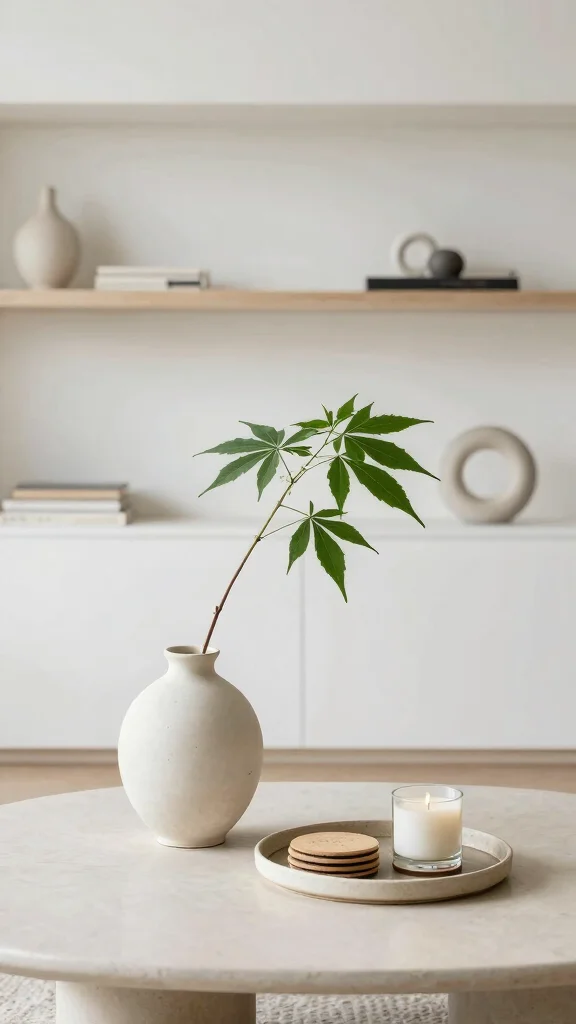
In a minimalist living room, less truly is more when it comes to accessories. Curate a selection of items that reflect your personal style while keeping the overall look clean and uncluttered. Unique pieces like vintage vases or sculptures can serve as conversation starters while adding character to your space.
Aim for functionality; every accessory should have a purpose, whether decorative or practical. This approach ensures your living room remains inviting and organized.
Accessorizing tips include:
– Limiting decorative items to avoid overwhelming the space.
– Using trays to organize smaller objects for visual order.
– Regularly reassessing your accessories for a fresh perspective.
This method keeps your living area stylish and aligned with minimalist ideals.



11. Minimalist Rugs
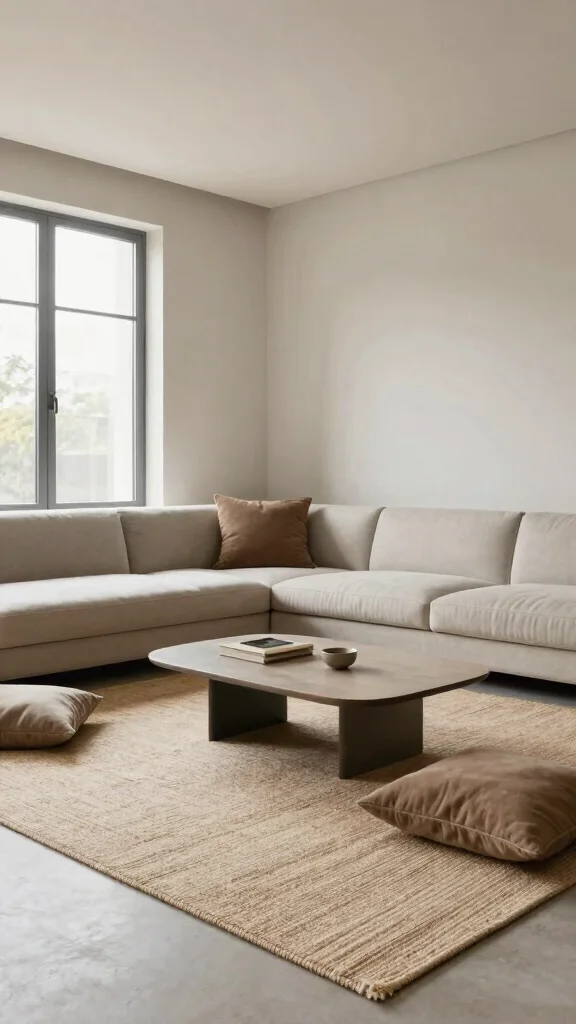
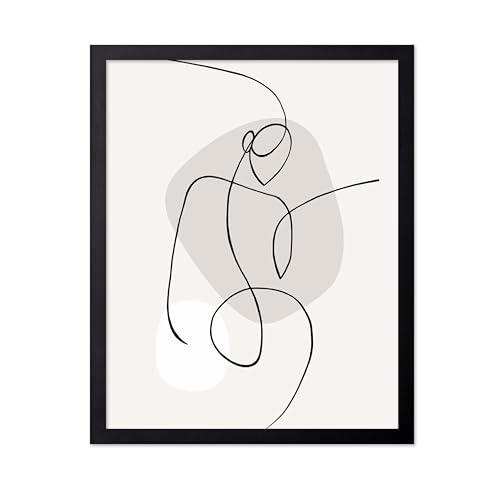
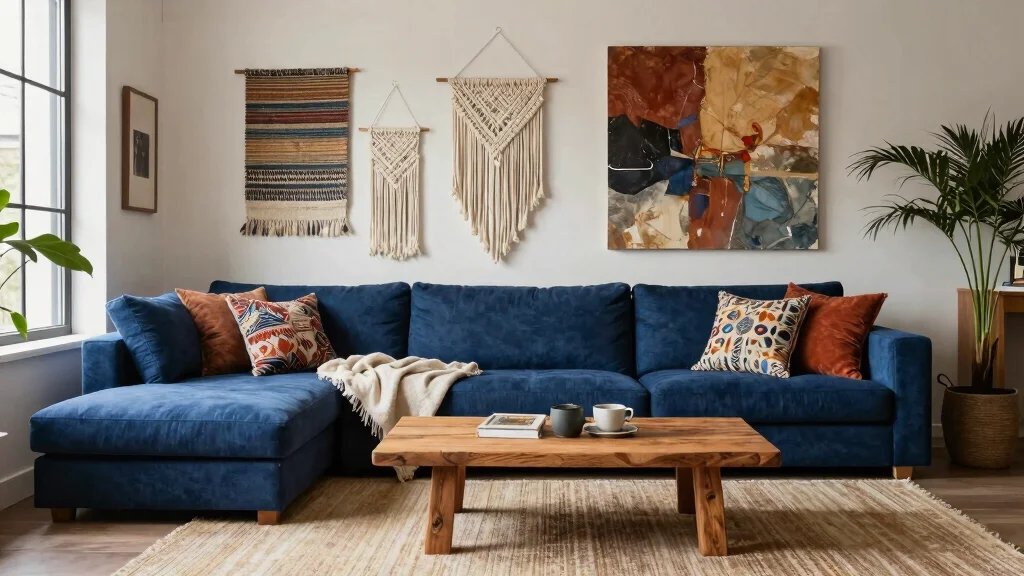
A carefully chosen rug can anchor your minimalist living room, adding warmth and definition without clutter. Look for rugs in solid colors or subtle patterns that enhance the room’s aesthetic while emphasizing simplicity. Natural fibers like wool or jute create an organic feel, contributing to a balanced environment.
The right rug can physically demarcate areas in an open design, promoting organization while adding comfort.
Rug selection tips:
– Choose a size that allows furniture to sit partially on it for cohesion.
– Opt for low-pile rugs to maintain a clean profile.
– Ensure the rug complements your color palette for harmony.
This approach enriches the space while supporting a minimalist philosophy.


12. Simple Window Treatments
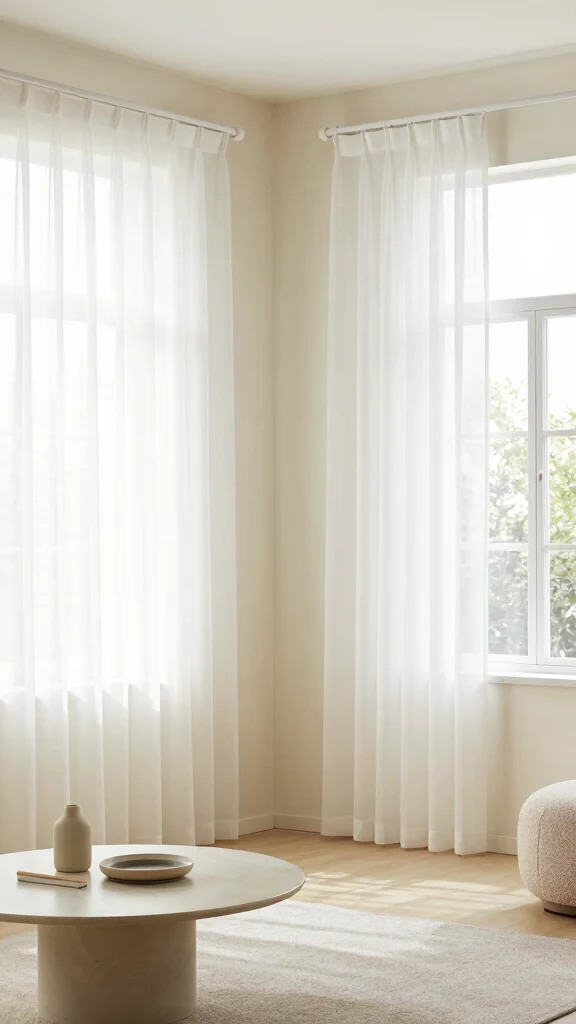
Selecting the right window treatments enhances the minimalist aesthetic of your living room. Opt for sheer curtains, roller shades, or blinds that provide privacy while allowing natural light to filter in. Avoid heavy drapes that can clutter the space and instead choose clean lines to promote openness.
Colors that match your walls or complement your palette help achieve a cohesive look. Layering treatments can add texture without overcrowding your space.
For window treatments, consider:
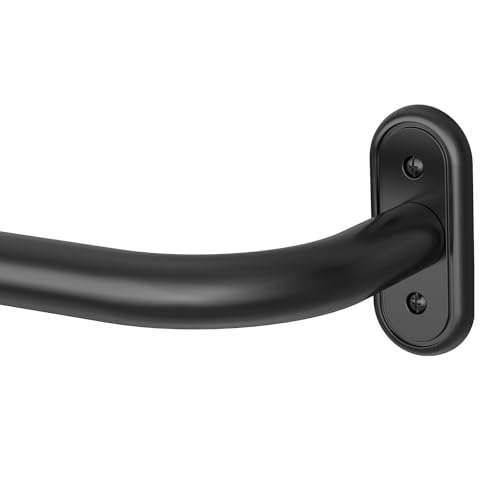
– Using curtain rods that blend with your wall color for a seamless appearance.
– Choosing light, airy fabrics for a breezy atmosphere.
– Layering treatments for added texture without clutter.
This strategy keeps your living room light and airy while enhancing the minimalist design.


13. Curated Bookshelves
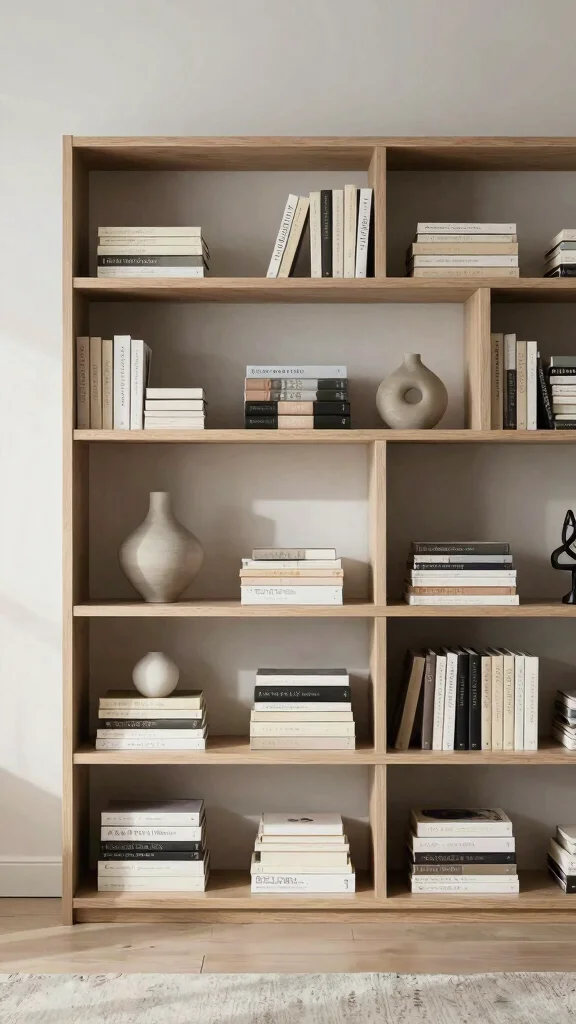
Bookshelves can serve both function and style in a minimalist living room. Curate your bookshelf to display a selection of favorite reads and decorative items while maintaining organization. Mix vertical and horizontal book stacking, using bookends to create visual interest without overcrowding.
Limit the number of displayed items to ensure each piece has a purpose or story, transforming a simple bookshelf into a focal point.
Bookshelf styling tips:
– Use a consistent color palette for books to maintain harmony.
– Add decorative objects like vases to break up rows of books.
– Leave some shelves empty for a clean look.
This approach enhances your living room’s aesthetic while keeping it functional.
You Might Also Like


14. Personal Touches
While minimalist design emphasizes simplicity, adding personal touches makes your space feel like home. Incorporate cherished items, whether a family heirloom, a travel souvenir, or a beloved art piece. Display these elements thoughtfully to enhance the overall aesthetic while avoiding clutter.
Balance is essential; aim to keep your living room inviting while adhering to minimalist principles.
Incorporation tips:
– Limit personal items to a few pieces that evoke strong feelings.
– Use attractive displays that showcase your personal items.
– Regularly reassess your displays to keep them fresh.
This thoughtful integration of personal touches enriches your minimalist space, making it uniquely yours.




15. Emphasizing Natural Light
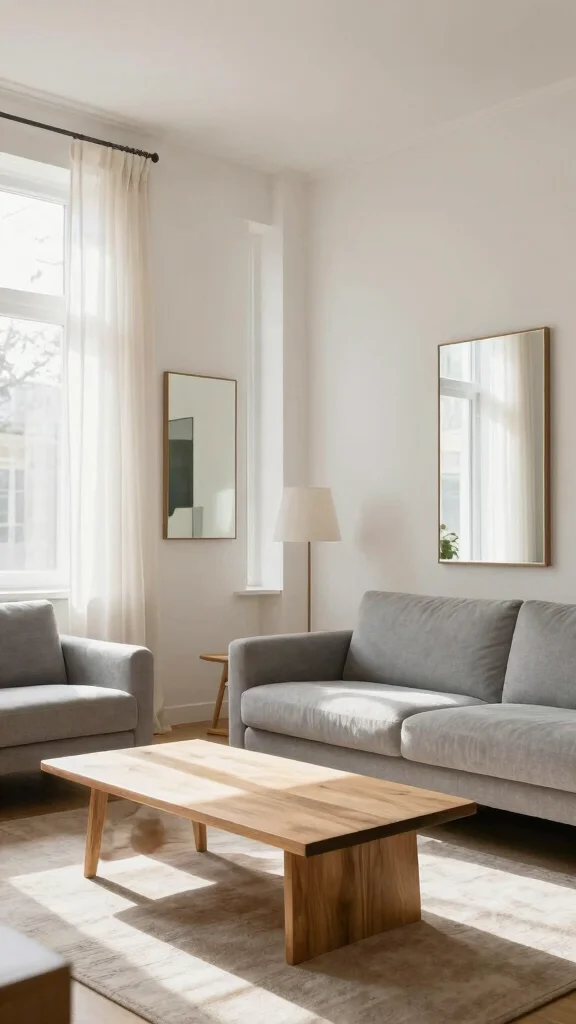
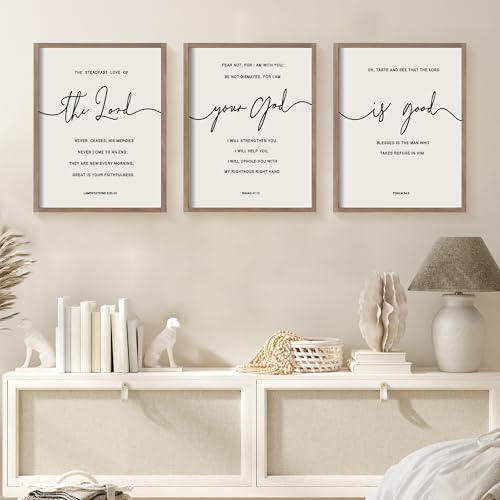
Maximizing natural light is crucial for creating a welcoming minimalist living room. Design your space to enhance light flow with mirrors and light-colored surfaces. Opt for sheer window treatments that allow sunlight to filter in, creating a warm and inviting atmosphere.
Position furniture to take advantage of sunlight at different times of day, ensuring your living room feels open and spacious.
Light optimization tips:
– Avoid heavy furniture that blocks natural light sources.
– Use mirrors to reflect light and enhance openness.
– Keep windows clear of obstructions to let in light.
This focus on natural light enhances the overall ambiance, making your living room feel bright and airy.
16. Functional Decor
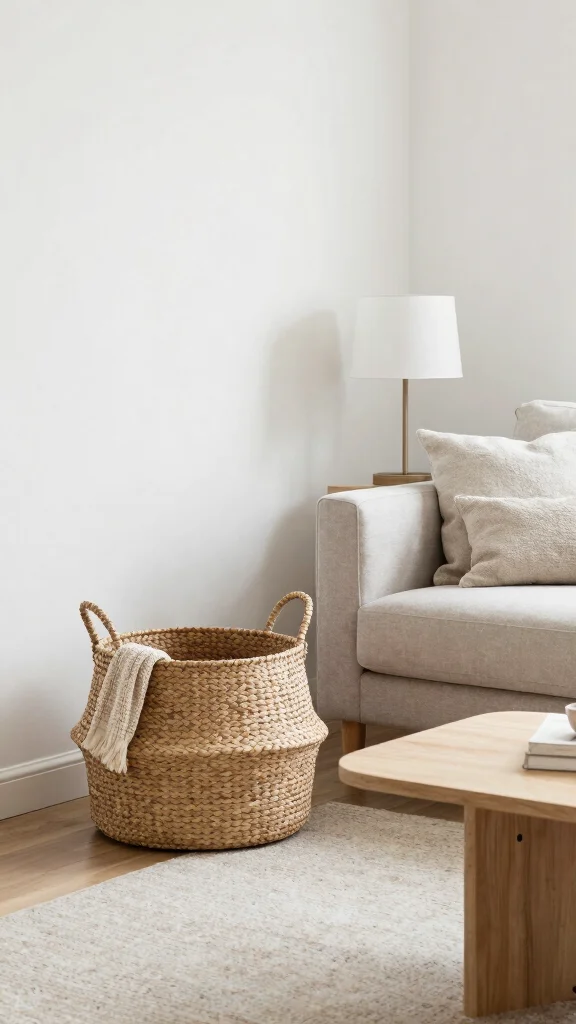
Choose decor items that serve a purpose in your minimalist living room while enhancing its aesthetic. Invest in decorative storage solutions like stylish baskets or chic boxes that hold items while contributing to the room’s look. Items that combine beauty and function, like modern clocks or elegant lighting fixtures, help maintain a clean, streamlined appearance.
Functional decor tips:
– Look for items that complement your furniture style.
– Ensure every piece has a function to avoid clutter.
– Regularly evaluate your decor to keep the space feeling fresh.
This approach ensures that every element in the room serves a dual purpose while supporting a minimalist ethos.
17. Embrace Open Spaces
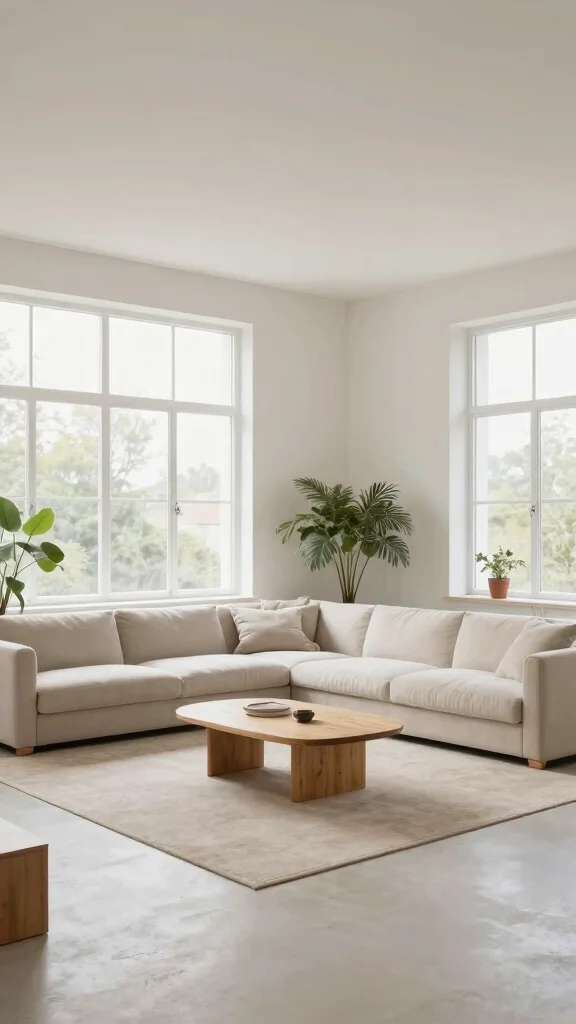
Embracing open spaces is fundamental for achieving a minimalist living room. By allowing ample space around furniture, you create an environment that feels expansive and free. Avoid over-furnishing and concentrate on essential pieces, allowing each to stand out and shine.
This strategy not only enhances functionality but also contributes to a relaxed atmosphere where you can unwind and enjoy your surroundings.
Open space strategies:
– Choose fewer, larger pieces instead of multiple small items.
– Arrange furniture to facilitate movement and accessibility.
– Keep pathways clear to maintain an inviting feel.
This approach allows for a spacious, comfortable living room that aligns with minimalist values.
Conclusion
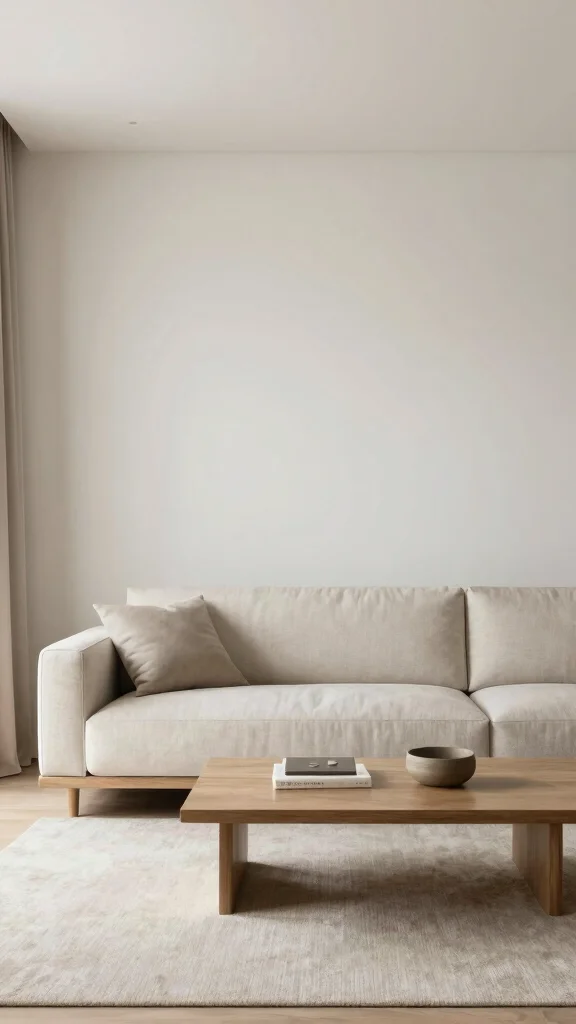
Embracing minimalist living room ideas can transform your space into a peaceful sanctuary that reflects your values and lifestyle.
By incorporating sustainable practices, smart design choices, and personal touches, you create not just a visually appealing environment, but one that promotes well-being and simplicity. Dive into these ideas to find inspiration that resonates with you as you curate your perfect minimalist living room.
Let each piece shine and every corner breathe, and you’ll find that less truly can be more.
Frequently Asked Questions
What are some essential minimalist living room ideas for a sustainable, clutter-free space?
Start by decluttering and keeping only what you truly use. For minimalist living room ideas that support a sustainable space, focus on clutter-free spaces and durable pieces.
Choose furniture with clean lines that can adapt over time, opt for a neutral color palette, and layer texture with natural fabrics and plants. Incorporate contemporary furnishings and energy-efficient lighting to keep the room calm and modern. Finally, arrange around function and natural light to enhance openness.
How can I achieve simple living room design with a modern home decor vibe?
Aim for a restrained color palette, clean lines, and fewer but higher-quality pieces. For simple living room design with modern home decor vibes, opt for modular or multifunctional furniture with a clean silhouette. Hide cables, choose sustainable materials like FSC wood and low VOC paints, and layer warm lighting to keep the space inviting. Add one or two statement items sparingly to maintain focus and balance.
What are best practices for minimalist interior styles to create clutter-free spaces?
Start with a cohesive material and color story to unify minimalist interior styles across the room. Emphasize negative space, scale, and proportion; limit patterns to one or two textures. Use built-in or hidden storage to maintain clutter-free spaces. Invest in timeless pieces and let quality materials shine, avoiding trend-driven items.
How do I pick contemporary furnishings that fit a minimalist living room without feeling cold?
Balance form and warmth: choose contemporary furnishings with warm wood tones, tactile fabrics, and soft lighting. Keep lines simple and avoid heavy hardware. Introduce texture with rugs, throws, and plants while keeping the color palette limited. Favor sustainable options and consider piece proportions to match room size.
What common mistakes should I avoid in sustainable minimalist living rooms?
Avoid buying too many items or mixing incompatible styles that clutter clutter-free spaces. Don’t overlook lighting; a well-lit room feels more open and inviting. Don’t ignore scale—measure your space and choose appropriately sized furniture. Be mindful of lifecycle and sustainability; prioritize repairable, durable pieces and recycle old items responsibly. Finally, don’t over-decorate—let minimalist living room ideas shine.
Related Topics
minimalist living room
modern home decor
simple living
clutter-free spaces
contemporary furnishings
sustainable design
minimalist interior styles
budget friendly
small space solutions
beginner friendly
easy decor tips
eco-friendly furnishings