Expert Home Style – For the Price of a Coffee ($3.90)
Master high-end design secrets (Tuscan, Modern) without the expensive consultants.
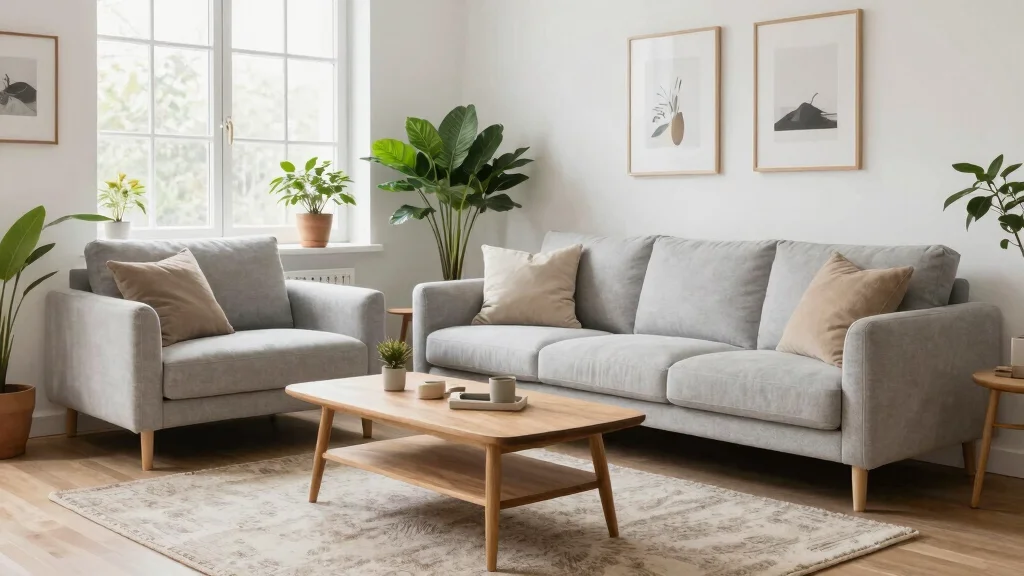
🛒 Buy NowCreating a cozy and stylish living room in a small apartment can feel like a daunting task. This space serves as your personal sanctuary, where you relax after a long day, entertain friends, or enjoy a good book. The struggle is real when you’re working with limited square footage, but don’t worry! This post was crafted to inspire and guide you toward achieving a minimalist living room apartment that is both functional and beautiful.
If you’re someone who loves home decor and values simplicity, this guide is for you. Whether you’re a seasoned minimalist or just dipping your toes into the world of small space decor, these Scandinavian-inspired ideas will elevate your living area without overcrowding it. From chic furniture arrangements to clever storage solutions, I’ve compiled 17 fresh ideas that are practical, stylish, and perfect for maximizing your small space.
You’ll discover how to embrace neutral tones, utilize multi-functional furniture, and incorporate natural elements to create a serene atmosphere. By the end of this post, you’ll have a toolkit of stylish apartment styling tips that will help you transform your living room into an eco-friendly haven that reflects your personal style while embracing the beauty of simplicity.
Key Takeaways
– Embrace Neutral Tones: Using neutral colors can create an airy feel, making the room appear larger and more inviting.
– Multi-Functional Furniture: Invest in furniture that serves multiple purposes, like a coffee table that can double as storage.
– Open Shelving: Instead of bulky cabinets, opt for open shelving to keep the space feeling light while displaying your favorite decor.
– Incorporate Natural Elements: Add plants or wooden accents to bring warmth and calmness to your minimalist living room.
– Layered Lighting: Utilize different light sources—overhead, table lamps, and floor lamps—to create a cozy ambiance that adapts to your mood.


Contents
- 1. Embrace Neutral Tones
- 2. Multi-Functional Furniture
- 3. Open Shelving
- 4. Incorporate Natural Elements
- 5. Streamlined Storage Solutions
- 6. Layered Lighting
- 7. Minimalist Artwork
- 8. Functional Textiles
- 9. Monochromatic Schemes
- 10. Optimizing Layout
- 11. Personalized Touches
- 12. Use of Mirrors
- 13. Floating Furniture
- 14. Simple Window Treatments
- 15. Eco-Friendly Decor
- 16. Zen Elements
- 17. Seasonal Decor Updates
1. Embrace Neutral Tones
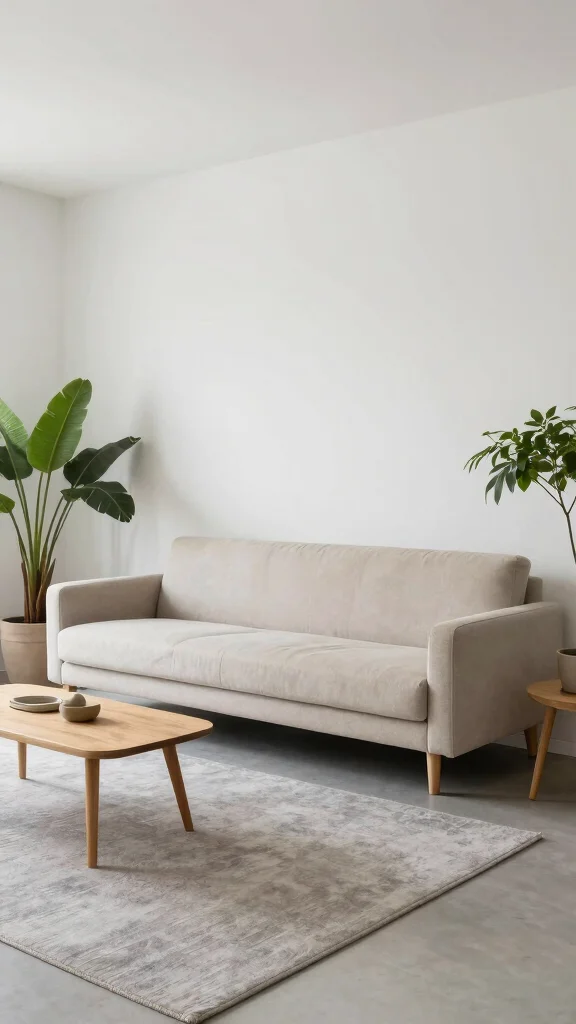
Neutral tones form the foundation of minimalist design, offering a tranquil backdrop that makes your living space feel expansive and serene. Soft beiges, bright whites, and gentle greys work harmoniously together, creating an inviting atmosphere that promotes relaxation. For instance, a large beige sofa against a light grey wall can make the room feel open while inviting warmth. You can easily introduce pops of color with accessories like vibrant cushions or a throw blanket for added visual interest.
To maximize the impact of this palette, consider using a large neutral sofa as your focal point, surrounded by smaller furniture in complementary shades. This arrangement opens up your space, making it feel more airy and inviting. Adding a few well-placed plants can infuse life into your decor, breaking up the neutral tones beautifully.
– Stick to 2-3 neutral shades to avoid overwhelming your space.
– Incorporate various textures to add depth without additional colors.
– Use natural materials like wood or linen for an eco-friendly touch that enhances the minimalist vibe.
This approach not only creates a sophisticated look but also fosters a sense of calm. Textures and materials play a crucial role in enhancing the overall aesthetic of your living room.
Neutral tones can visually enlarge a small living room by up to 20%. In a minimalist living room apartment, a large beige sofa against a light grey wall creates openness, while pops of color via cushions keep it inviting.


2. Multi-Functional Furniture
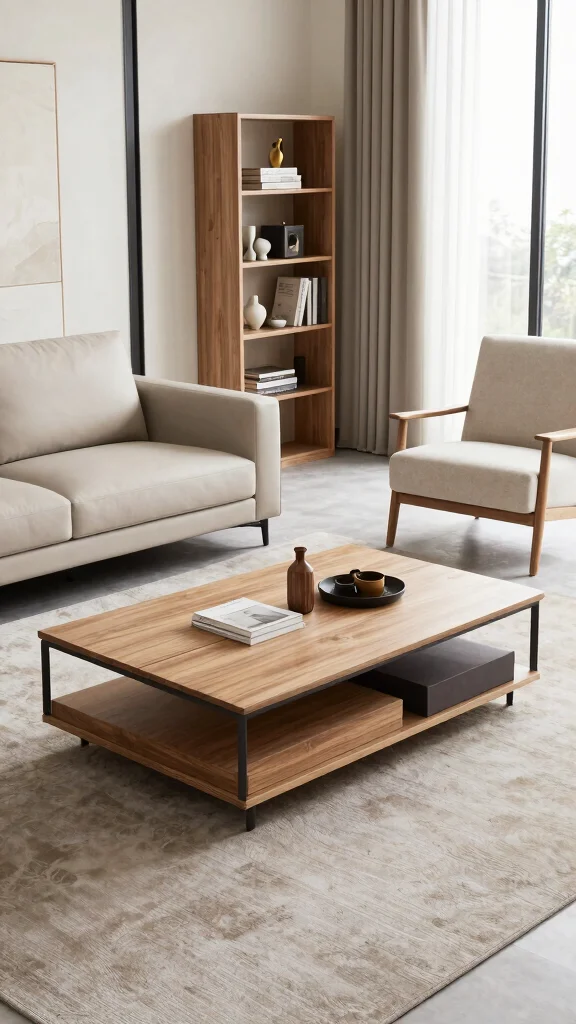
In a small living space, every piece of furniture must pull its weight. Opt for items that serve multiple functions, such as a coffee table with hidden storage or a sofa bed for unexpected guests. These versatile pieces not only save space but also reflect the practical design ethos found in Scandinavian interiors. For example, an ottoman can function as a footrest, extra seating, and a storage solution for cozy blankets.
When selecting furniture, prioritize designs that feature clean lines and natural materials. Avoid ornate styles that can visually clutter your space. A sleek bench with built-in storage can create a cozy reading nook without crowding the room.
– Explore modular furniture that adapts to your changing needs.
– Think about how each piece can transition with your lifestyle.
– Balance style and function to maintain a minimalist aesthetic.
This strategy ensures that your living room remains functional yet stylish, perfectly aligning with the minimalist design philosophy.


3. Open Shelving
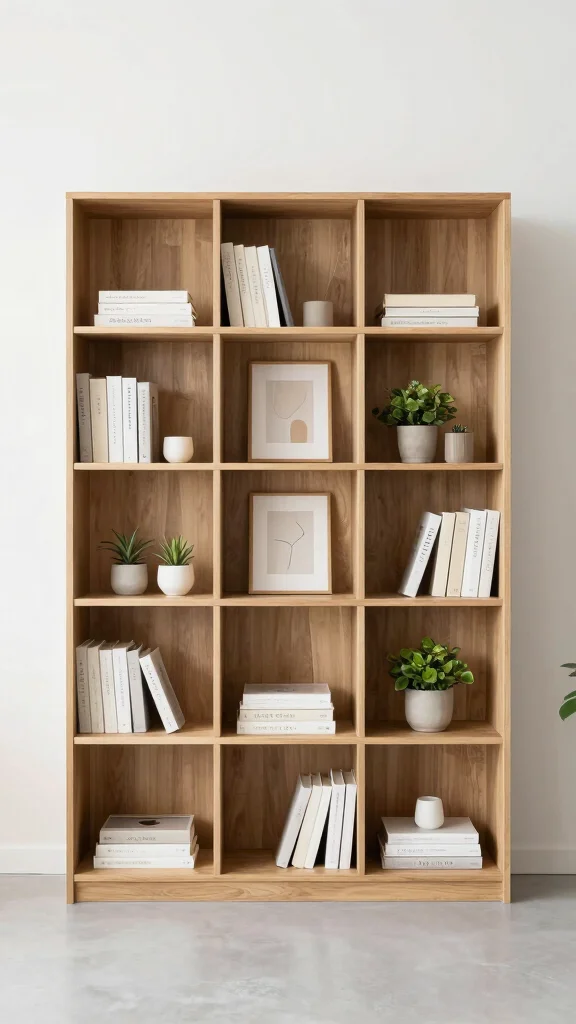
Open shelving epitomizes minimalist Scandinavian design, adding visual intrigue while creating an illusion of space. These shelves offer a perfect way to showcase your favorite books, plants, or art pieces, making everything feel accessible and uncluttered. The secret lies in curating a collection; avoid overcrowding your shelves to maintain a clean look.
Opt for sleek wooden or metal shelves that align with the minimalist vibe, and arrange your decor in thoughtful groups. For instance, style a shelf with a few stacked books, a candle, and a small plant. Grouping items by color can enhance the cohesive look, helping your space feel organized and stylish.
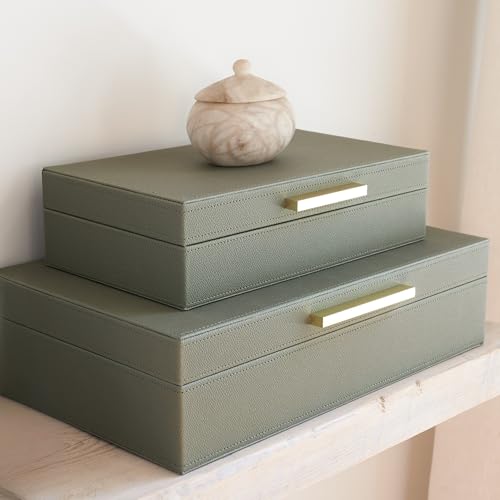
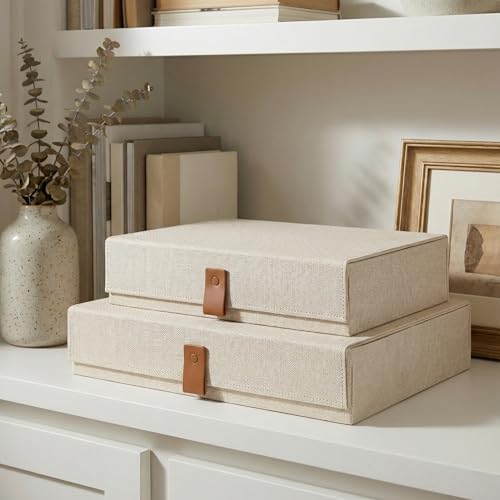
– Use decorative boxes or baskets on shelves to store smaller items discreetly.
– Ensure displayed items contribute to your overall decor theme.
– Regularly reassess your shelves to keep them fresh and uncluttered.
This method brings a sense of order and style to your living room, allowing you to enjoy both beauty and functionality.



4. Incorporate Natural Elements
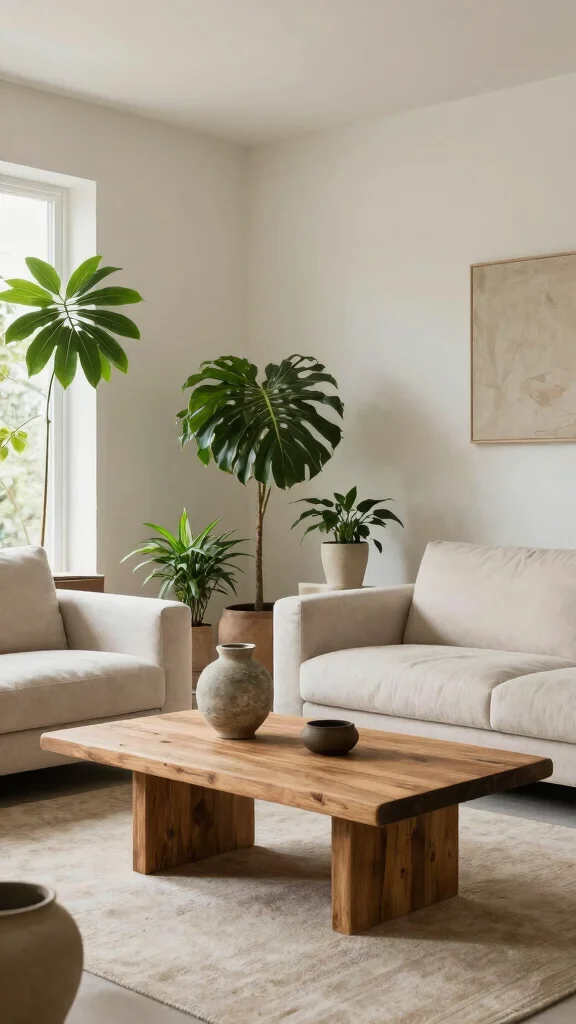
Adding natural elements to your living room can enhance the minimalist aesthetic while promoting an eco-friendly vibe. Materials like wood and stone bring warmth and simplicity without complicating the design. A wooden coffee table or a stone vase can serve as a striking focal point, creating visual interest without overwhelming the space.
Houseplants play a vital role in Scandinavian decor, adding life and improving indoor air quality. Choose low-maintenance plants like succulents or snake plants that thrive in smaller areas. Grouping these plants can create a mini indoor garden on a windowsill or tabletop, infusing the space with freshness.
– Use reclaimed wood for furniture to emphasize sustainability.
– Opt for light-colored wood to keep the room feeling bright.
– Create layers of natural textures by mixing plants, wood, and stone.
This approach cultivates a serene atmosphere while highlighting eco-conscious choices in your decor.


5. Streamlined Storage Solutions
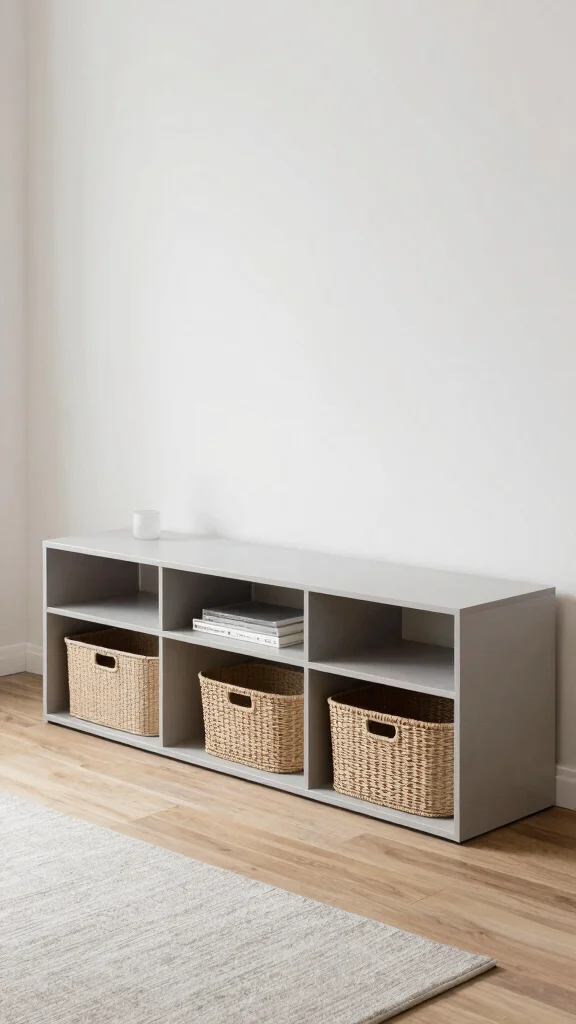
In a small apartment, smart storage solutions are crucial for a functional minimalist living room. Instead of bulky cabinets, look for sleek pieces that align with your design style. Choose furniture with hidden compartments or modular units that fit seamlessly within your space. A wall-mounted unit can free up floor space, enhancing the room’s perception of size.
Baskets offer a stylish storage option, holding throw blankets, magazines, or toys while adding texture. Make sure your storage solutions complement the color palette and overall decor, ensuring a cohesive look throughout your space.
– Ensure your storage is functional without compromising the minimalist aesthetic.
– Regularly sort through stored items to avoid clutter.
– Label boxes or baskets discreetly to stay organized without sacrificing style.
This thoughtful approach keeps your living room tidy and visually appealing, allowing you to enjoy both form and function.




6. Layered Lighting
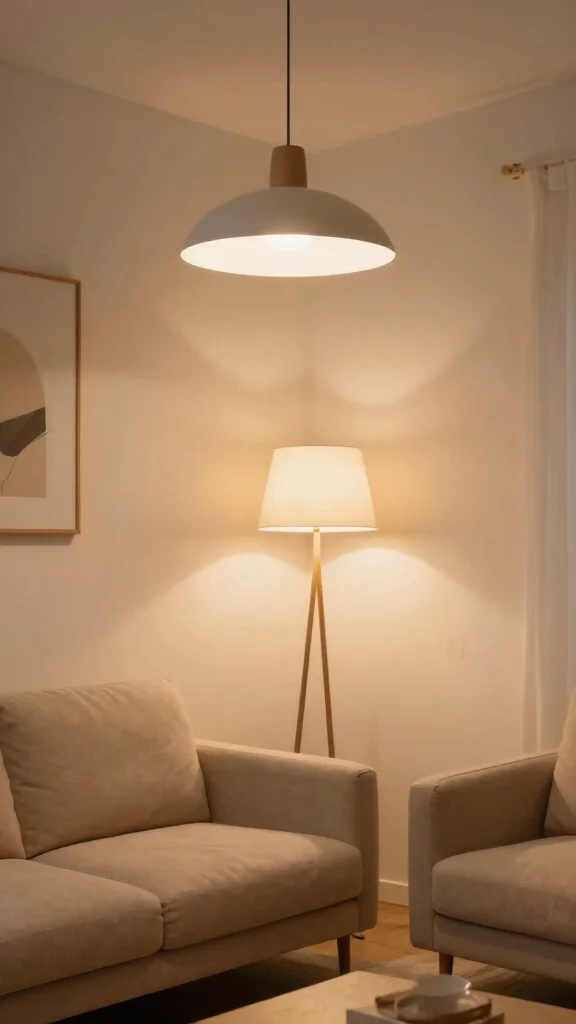
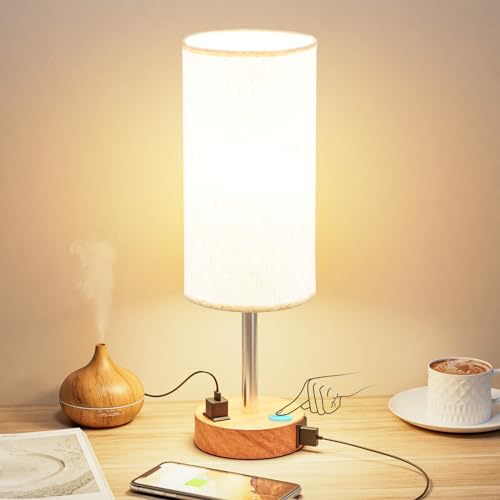
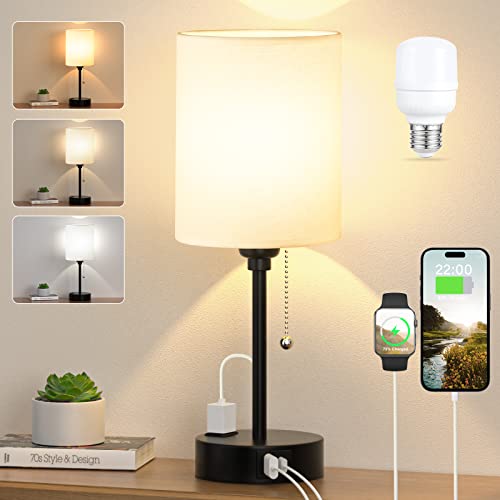
Layering lighting is essential for creating a warm and inviting atmosphere in your minimalist living room. Instead of relying solely on one overhead fixture, use a combination of ambient, task, and accent lighting to add depth and character. Start with a central overhead light for general illumination, then introduce floor and table lamps for added functionality and warmth.
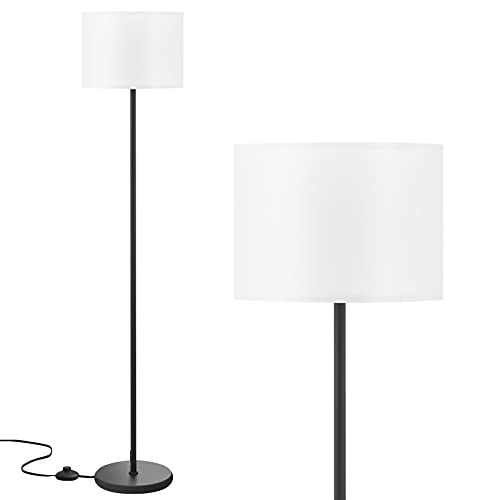
Select fixtures with simple designs, like a sleek floor lamp or minimalist pendant lights. Warm light bulbs can further enhance the cozy vibe, creating an inviting environment perfect for relaxation or entertaining.
– Consider using dimmable lights to adjust the mood easily.
– Use accent lights to highlight artwork or architectural features.
– Pay attention to the placement of lighting for maximum effect.
This layered approach not only brightens the space but also adds a touch of sophistication, making your living room feel welcoming.


7. Minimalist Artwork
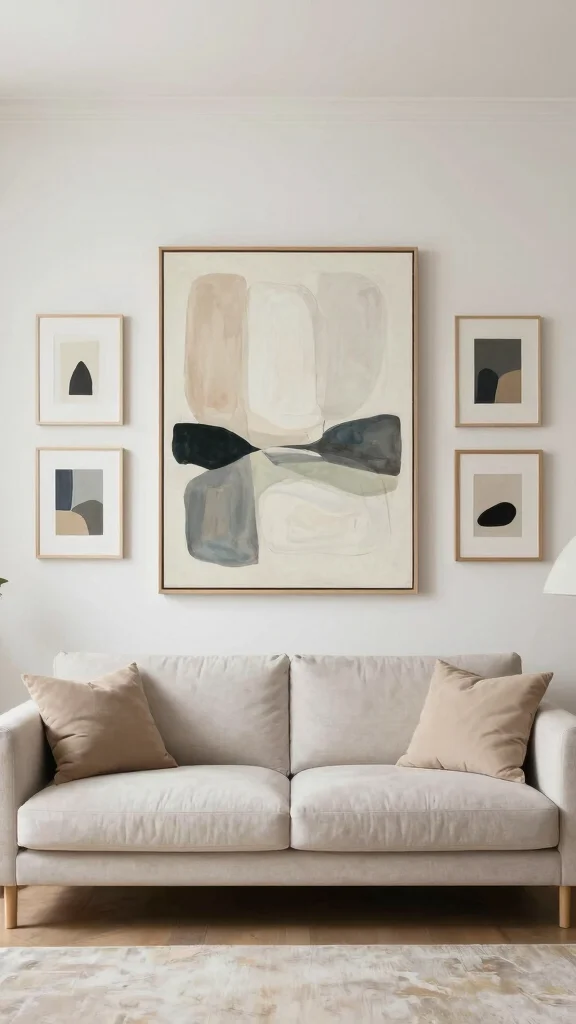
Art plays a crucial role in your living space, reflecting your personality and style. In a minimalist setting, choose pieces that resonate with you while adhering to the minimalist ethos. Look for artwork featuring simple forms or soothing colors, framing them in a way that complements your decor.
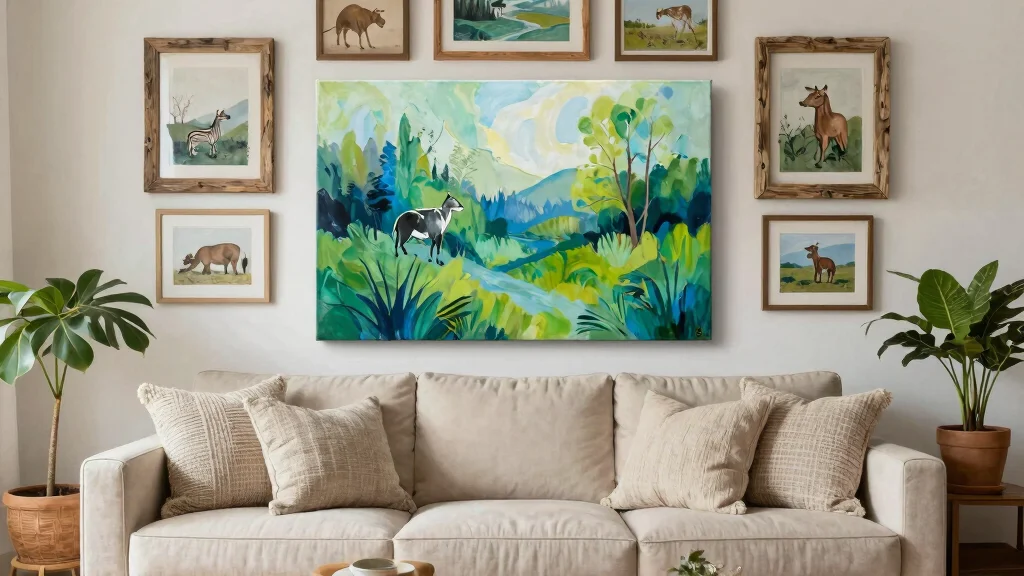
A large canvas can make a bold statement without overwhelming the space, while a gallery wall with select pieces adds character without cluttering. Be sure to leave ample space around each piece to allow them to breathe and stand out in your room.
– Select art that adds color or texture without being too distracting.
– Use simple, unembellished frames to maintain the minimalist aesthetic.
– Regularly rotate art pieces to keep your decor feeling fresh.
This thoughtful selection of art enhances your living room’s ambiance while keeping the overall look refined.
Less is more, especially with minimalist artwork. In a small living space, one bold canvas or a carefully curated gallery wall can define the room without clutter. Choose calm colors and plenty of negative space—your minimalist living room apartment will feel instantly calmer.
You might also like
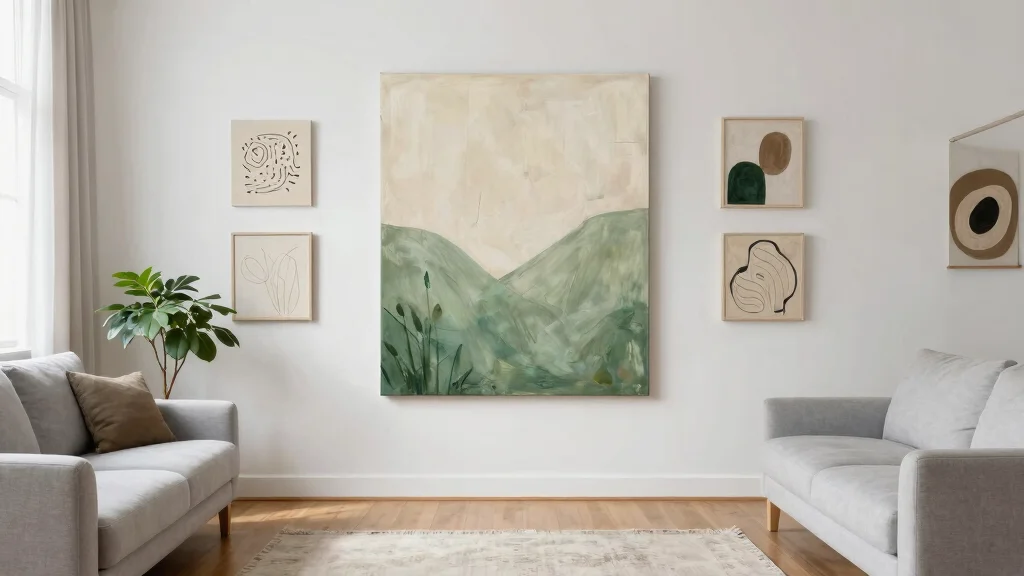
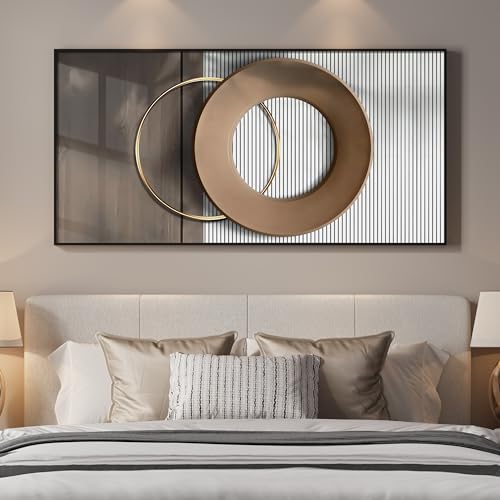
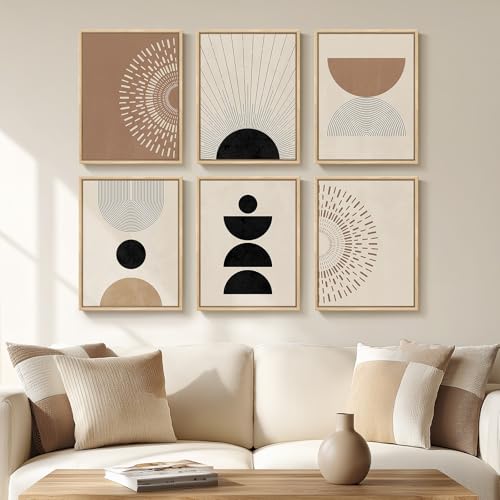
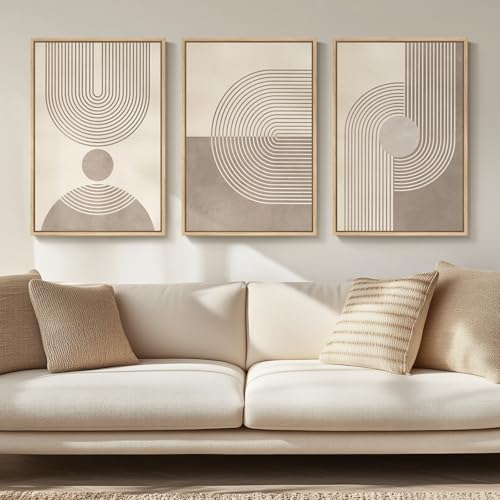


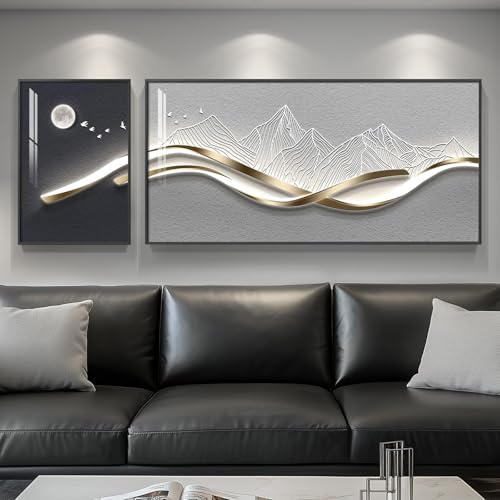
How To Choose Minimalist Furniture for Your Living Room Apartment
When it comes to creating a minimalist living room in your apartment, selecting the right furniture is key. Every piece should add value, both in style and function. Here are some essential criteria to consider when choosing minimalist furniture for small spaces:
1. Size Matters
Choosing the right size for your furniture is crucial. In a small living room, oversized sofas or bulky coffee tables can make the space feel cramped. Opt for furniture that fits comfortably in your area, leaving sufficient space for movement. Measure your room and consider the dimensions of each piece before making a purchase. A good rule of thumb is to allow at least 2-3 feet of walking space around larger items.
2. Material and Durability
Minimalist design often embraces natural and sustainable materials. Look for furniture crafted from solid wood, metal, or eco-friendly materials like bamboo. These options not only add a clean aesthetic but also ensure longevity. Remember, quality matters. Investing in durable furniture saves you money in the long run, as you won’t have to replace items frequently.
3. Functionality
In a minimalist living room, every piece should serve a purpose. Consider multi-functional furniture, such as a sofa bed or an ottoman with storage inside. These items maximize space without sacrificing style. Think about how you use your living room daily and choose furniture that meets those needs. For example, if you often entertain guests, a coffee table with a lift-top can provide extra storage and surface area.
4. Color and Finish
Stick with a neutral color palette for your minimalist living room. Shades like white, gray, beige, and soft pastels can help create a serene atmosphere. Additionally, consider the finish of your furniture. Matte finishes tend to offer a more sophisticated look compared to glossy ones. When choosing colors, ensure they complement the overall theme of your apartment, tying everything together seamlessly.
5. Style and Design
Minimalist design favors clean lines and simple shapes. Avoid ornate details or excessive embellishments. Look for furniture with straight or geometric lines, as they enhance the overall aesthetic of a minimalist space. Scandinavian-inspired pieces often reflect this style, providing both comfort and elegance. When you select furniture, consider how it fits with your existing decor and the overall vibe you want to create.
6. Budget Considerations
Minimalist does not have to mean expensive. Set a clear budget before you start shopping. Research and explore various stores, both online and offline, to find the best deals on furniture that meets your style and functionality needs. Remember, it’s possible to find stylish pieces at varying price points. Consider checking thrift shops or online marketplaces for unique finds that fit your budget.
Pro Tip: Don’t rush the process. Take your time to select pieces that truly resonate with you and fit your lifestyle. A well-curated living room not only looks good but also feels just right for you.
By following these guidelines, you can create a minimalist living room that feels spacious and inviting, even in a small apartment. Each piece of furniture will contribute to a harmonious and functional space, showcasing the beauty of simplicity.


8. Functional Textiles
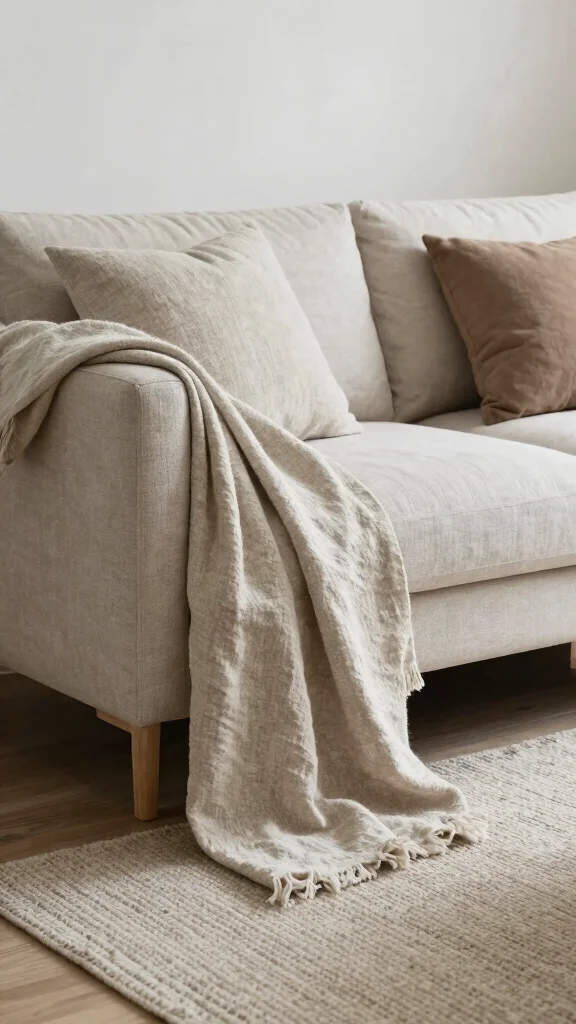
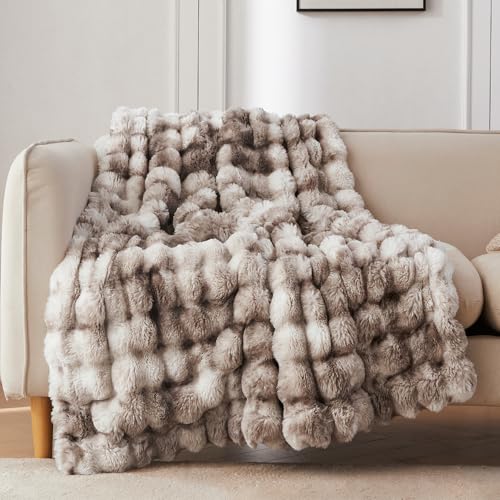
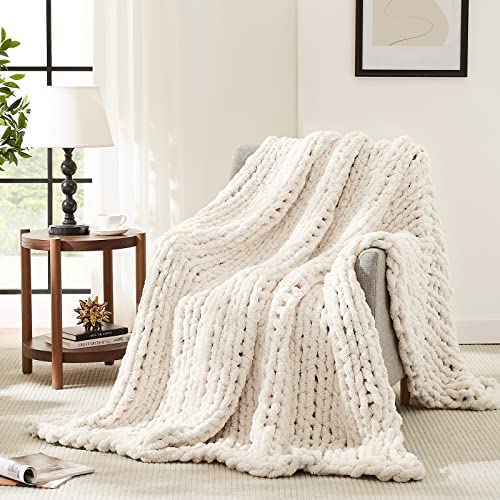
Textiles are essential for adding warmth and comfort to a minimalist living room. Choose functional textiles that serve a purpose while enhancing your overall design. Cozy throws on the sofa and stylish rugs can transform the starkness of minimalist decor into a welcoming environment.
Opt for natural materials like cotton or linen, which seamlessly fit into the aesthetic. Textiles in muted tones or subtle patterns can add depth without overwhelming your senses, creating a harmonious balance in your space.
– Keep cushions and throws in a consistent color palette for a unified look.
– Select rugs that offer comfort while being easy to clean.
– Remember that textiles add texture and warmth, enhancing overall coziness.
This approach not only elevates comfort but also enriches the visual appeal of your living room.
Textiles aren’t just decor — they’re the quickest way to turn a minimalist living room apartment from stark to welcoming. Choose functional fabrics like cotton or linen in muted tones; they add warmth, depth, and everyday practicality without clutter.
9. Monochromatic Schemes
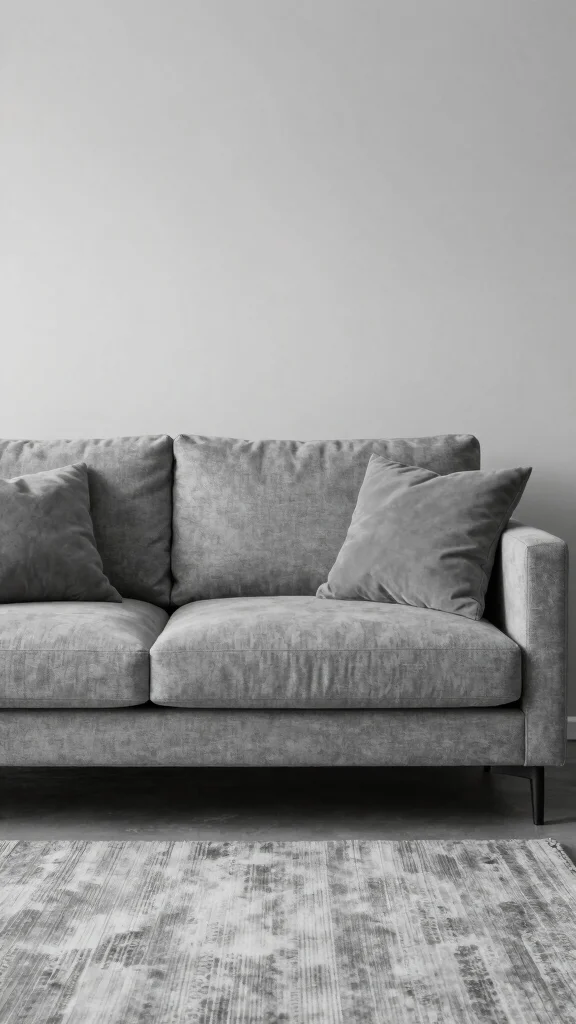
A monochromatic color scheme creates a striking and harmonious atmosphere in your minimalist living room. This method involves selecting various shades of a single color, which can make your space feel cohesive and well-designed. For instance, shades of grey can create a sophisticated ambiance, while soft blues add a calming touch.
Incorporating different textures and materials adds interest while adhering to the monochromatic theme. Layering shades through furniture, textiles, and art creates a dynamic space, enhancing the overall visual appeal.
– Experiment with light and dark shades of your chosen color for depth.
– Use patterns sparingly to maintain a minimalist feel.
– Keep furnishings simple to let the color scheme shine.
This technique ensures a cohesive look while allowing personal expression through color.
10. Optimizing Layout
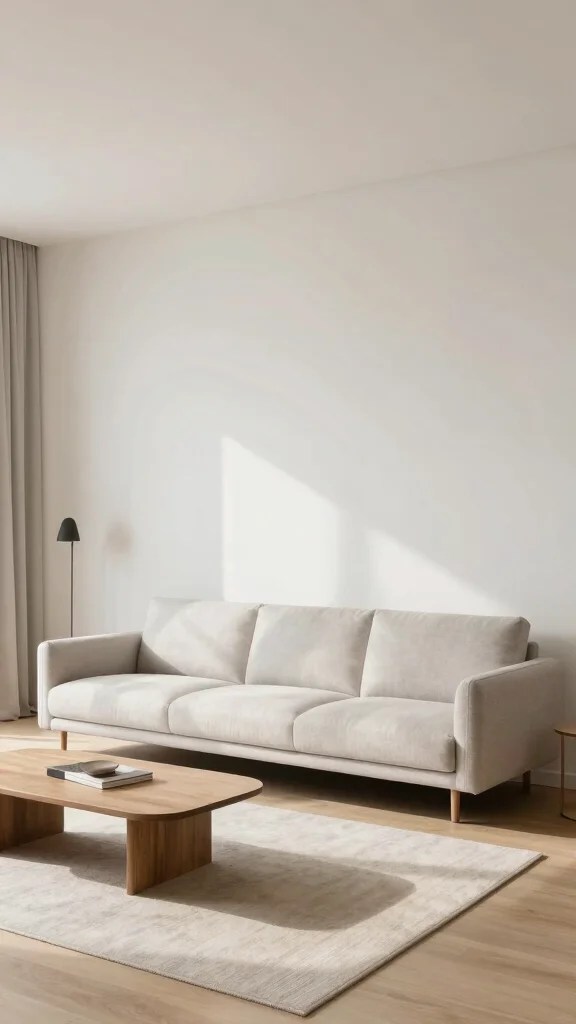
The layout of your minimalist living room is vital for maximizing a small space. Arrange furniture to create a natural flow, ensuring pathways remain clear and inviting. A popular layout for compact areas is the ‘floating’ arrangement, where the sofa is positioned away from the walls to define the seating area.
This setup encourages conversation and creates an illusion of spaciousness. Additionally, placing larger furniture in corners can free up valuable floor space while maintaining accessibility. Consider using area rugs to define different zones in your living room, adding organization to the layout.
– Avoid positioning furniture in a way that blocks natural light.
– Keep scale in mind; oversized pieces can make a small room feel cramped.
– Regularly reassess your arrangement to adapt to changing needs.
A well-planned layout enhances the functionality and comfort of your living room, making it a cozy retreat.
11. Personalized Touches
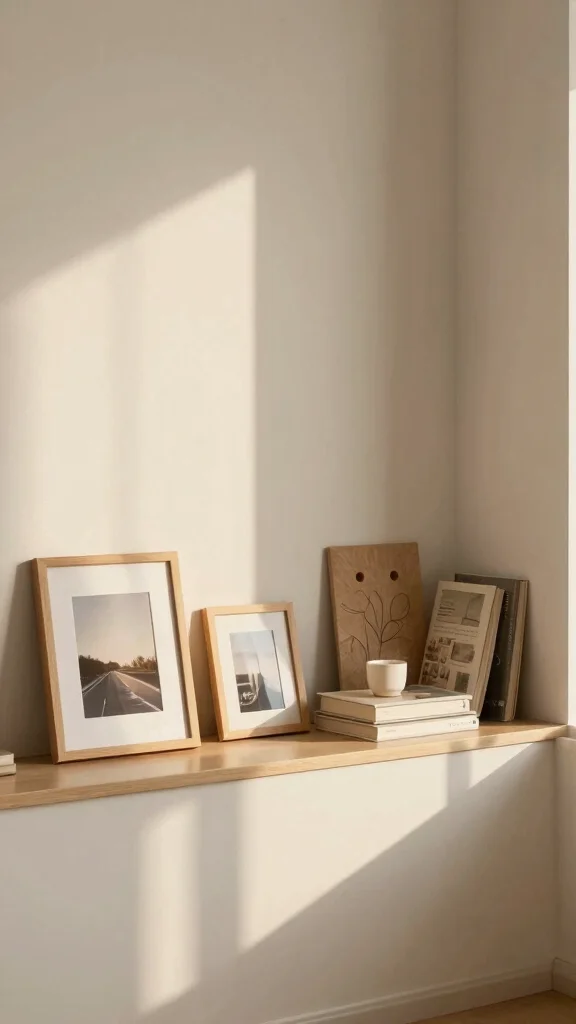
While minimalism emphasizes simplicity, adding personalized touches can make your living room truly feel like home. Small, meaningful decor items reflecting your personality can create a warm atmosphere. These could include family photos in simple frames, a cherished book collection, or handmade crafts that tell your story.
The key is to limit the number of personal items to avoid clutter. Curate your collection carefully, selecting pieces that bring joy and inspiration, and arrange them thoughtfully to create a cohesive vignette that speaks to your journey.
– Choose a dedicated shelf or table for personal items to keep them organized.
– Rotate decor items periodically to refresh your space without extra purchases.
– Ensure that each piece positively contributes to the minimalist aesthetic.
This balance of personalization and simplicity enriches your living room, making it a welcoming haven.
12. Use of Mirrors
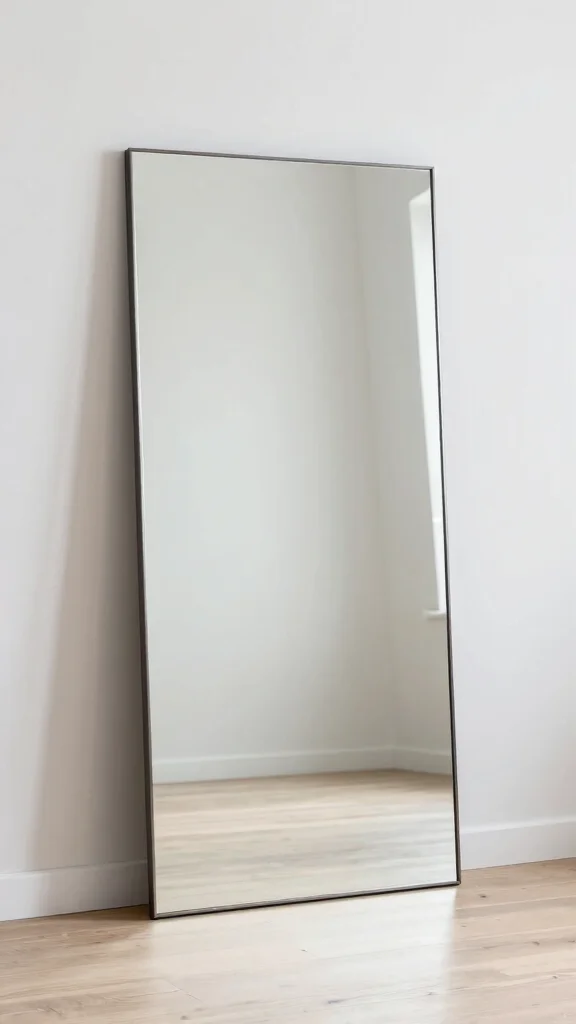
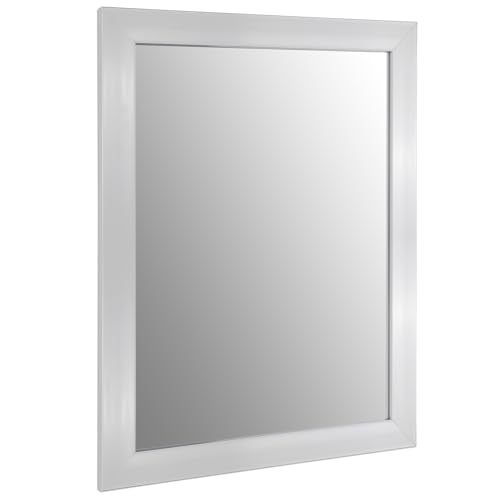
Mirrors are a powerful addition to small spaces, creating an illusion of more space and reflecting light to brighten your minimalist living room. A large mirror as a wall focal point can dramatically alter the perception of your room. Placing mirrors opposite windows maximizes natural light, enhancing the overall brightness.
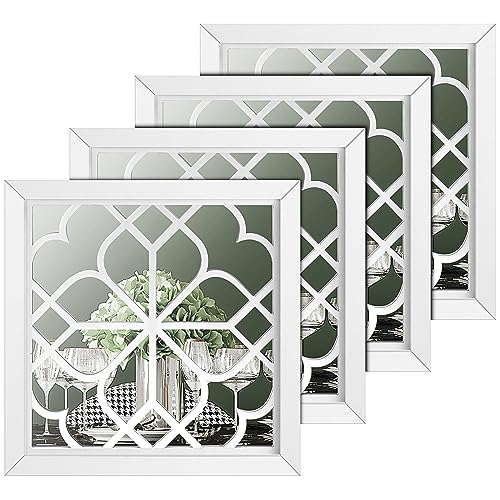
Consider incorporating mirrored furniture, like a coffee table or side table, to elevate this effect while keeping the decor minimal. Ensure that the design remains simple to uphold the minimalist vibe.
– Different shaped mirrors can create unique visual interest, from round to rectangular.
– Avoid cluttering space around mirrors; let them shine as focal points.
– Regularly clean mirrors to maintain clarity and brightness.
This clever use of mirrors not only enlarges the visual space but also adds a touch of elegance to your living room.



13. Floating Furniture
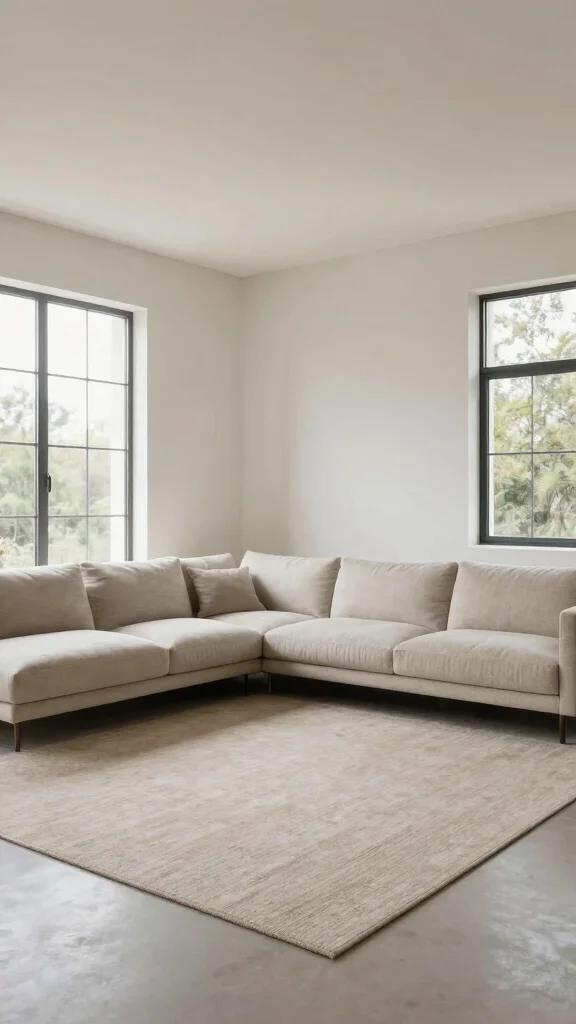
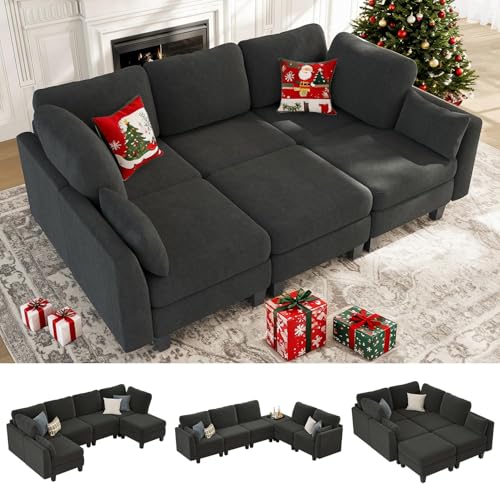
Floating furniture arrangements can significantly enhance the spaciousness of your small living room. This concept involves placing furniture away from the walls, creating an open and inviting layout. For example, a sectional sofa can define the seating area without feeling confining, promoting conversation and movement.
To enhance this strategy, consider using area rugs to delineate spaces. A rug under the furniture can create a defined area, making the room feel more organized while maintaining flow. Ensure all elements serve a purpose and complement each other for a cohesive design.
– Evaluate traffic patterns to determine the best layout.
– Choose lightweight furniture that is easy to rearrange.
– Regularly assess comfort and accessibility in your arrangement.
This thoughtful approach optimizes your living room’s flow and functionality, making it a more enjoyable space.
You Might Also Like



14. Simple Window Treatments
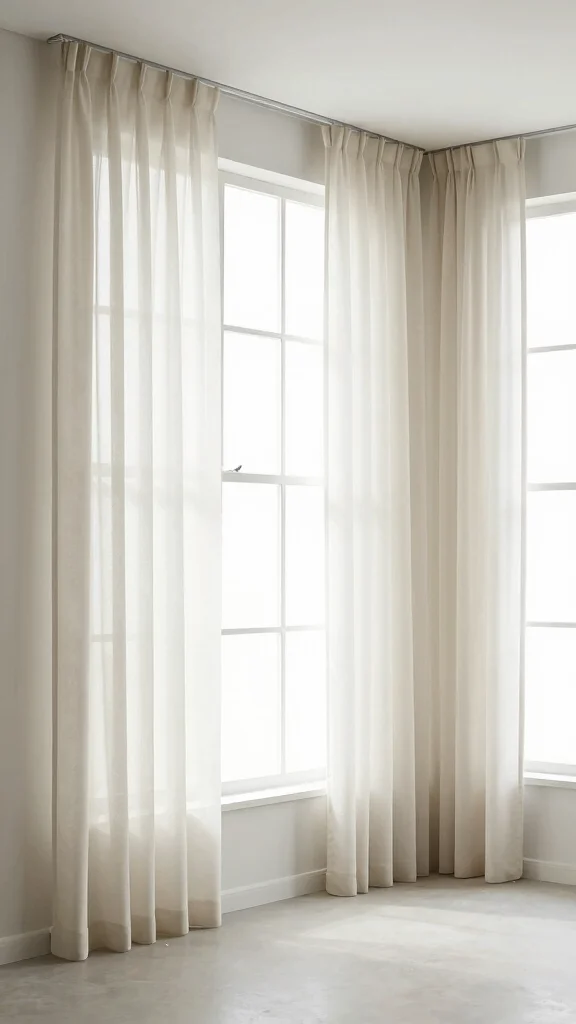
Window treatments play a crucial role in maintaining a minimalist aesthetic. Opt for straightforward designs that allow natural light to flow while providing privacy. Sheer curtains or roller shades in neutral tones achieve a soft, unobtrusive look that complements the decor.
If you prefer no curtains, consider wooden or metal blinds that align with the minimalist theme. The key is to keep treatments functional yet stylish, allowing the view outside to enhance your decor.
– Choose lightweight fabrics that let in light while offering privacy.
– Avoid heavy drapery to maintain an open feel.
– Regularly clean window treatments to keep your space fresh and tidy.
This simple approach ensures that your living room remains bright and airy, enhancing the overall ambiance.
15. Eco-Friendly Decor
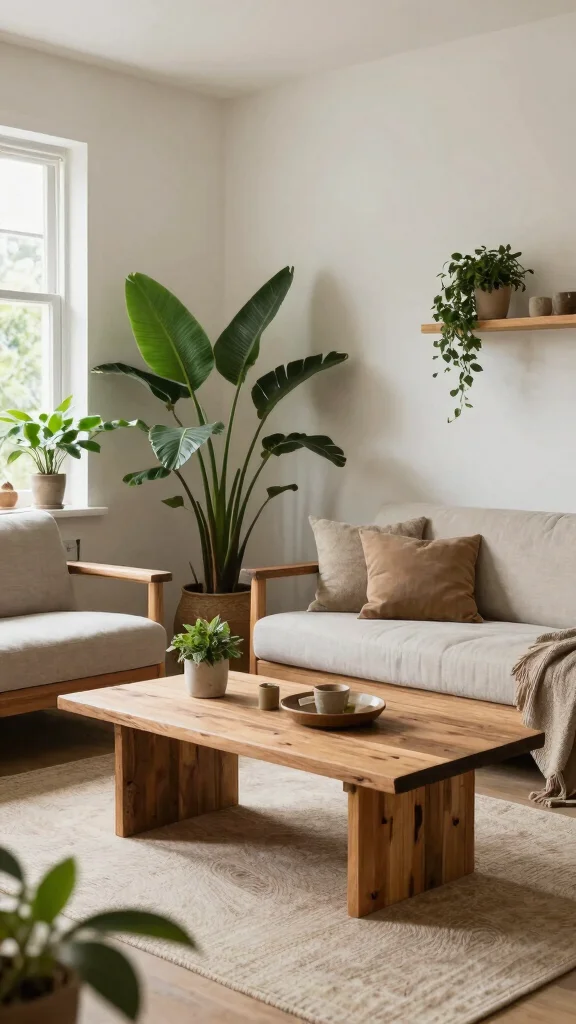
Integrating eco-friendly elements into your minimalist living room boosts both style and sustainability. Select furniture made from sustainable materials, such as bamboo or reclaimed wood, which reflect an eco-conscious mindset. You can also choose organic cotton or linen for soft furnishings, adding comfort while being planet-friendly.
Incorporating energy-efficient lighting options can also reduce your carbon footprint. Displaying plants not only purifies the air but connects you to nature, fostering a serene environment. Additionally, consider decor made from recycled materials to keep your space stylish yet sustainable.
– Research brands focused on eco-friendly practices for your purchases.
– Regularly declutter to maintain a purposeful and intentional space.
– Align decor choices with your lifestyle and values.
This mindful approach to decor not only enhances your living room’s aesthetic but also promotes a healthier planet.
16. Zen Elements
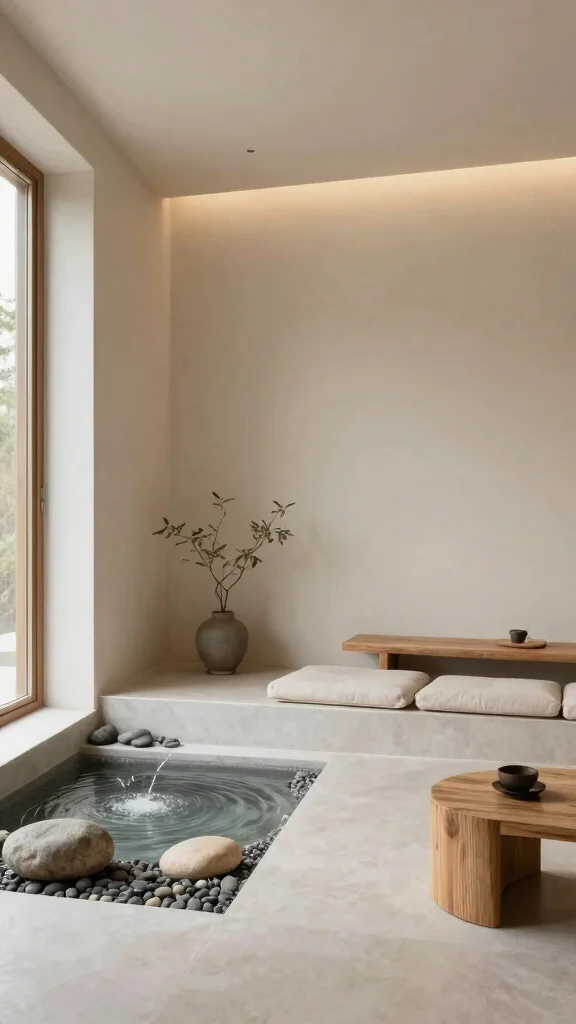
Creating a Zen-like atmosphere can elevate the tranquility of your minimalist living room. Introduce elements that encourage relaxation, such as a small indoor water feature or a zen garden. Soft textures, calming colors, and a clutter-free environment all contribute to a peaceful ambiance.
Incorporate natural materials like stone or wood into your decor to resonate with a soothing aesthetic. A dedicated meditation corner with floor cushions can offer a space for mindfulness, promoting a harmonious balance between simplicity and serenity.
– Choose decor items that evoke calmness and peace.
– Keep your space clutter-free to foster mental clarity.
– Regularly refresh your decor to maintain an inviting Zen atmosphere.
This thoughtful integration of Zen elements not only enhances your living room’s peace but also encourages a serene lifestyle.
17. Seasonal Decor Updates
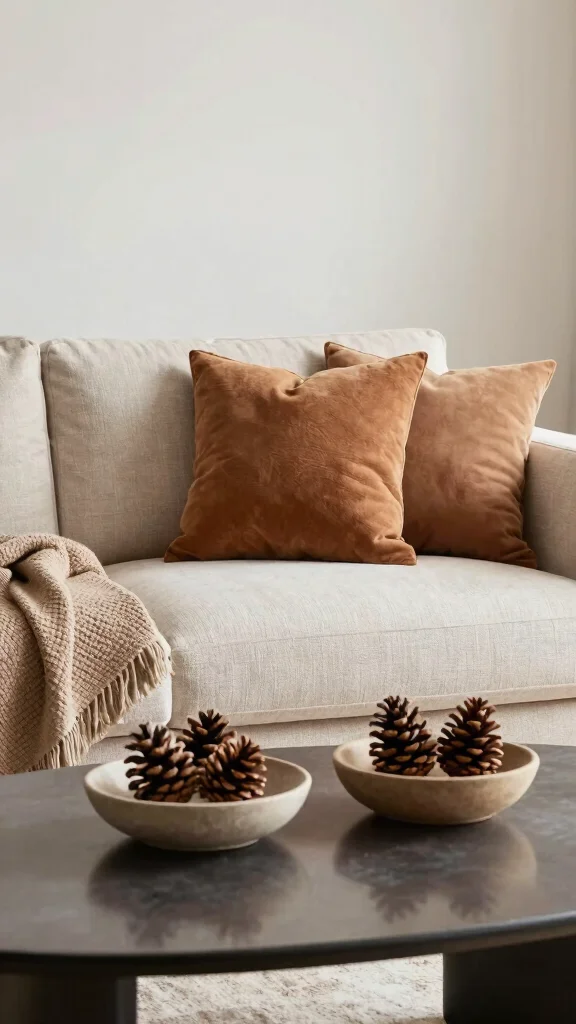
Refreshing your living room decor with the seasons can keep your space dynamic and inviting. Simple updates, like changing cushion covers or swapping out art, can breathe new life into your minimalist area. Consider incorporating seasonal colors and textures that reflect the time of year.
For example, warm colors and heavier fabrics in winter create a cozy feel, while light linens and airy colors in summer resonate with freshness. By making these small adjustments, you can keep your living room vibrant and aligned with your personal style throughout the year.
– Aim for subtle seasonal touches that don’t clutter your space.
– Store seasonal items neatly to maintain organization.
– Choose durable, timeless pieces that align with your overall aesthetic.
This approach not only keeps your living space feeling lively but also highlights your creativity and adaptability in decor.
Conclusion
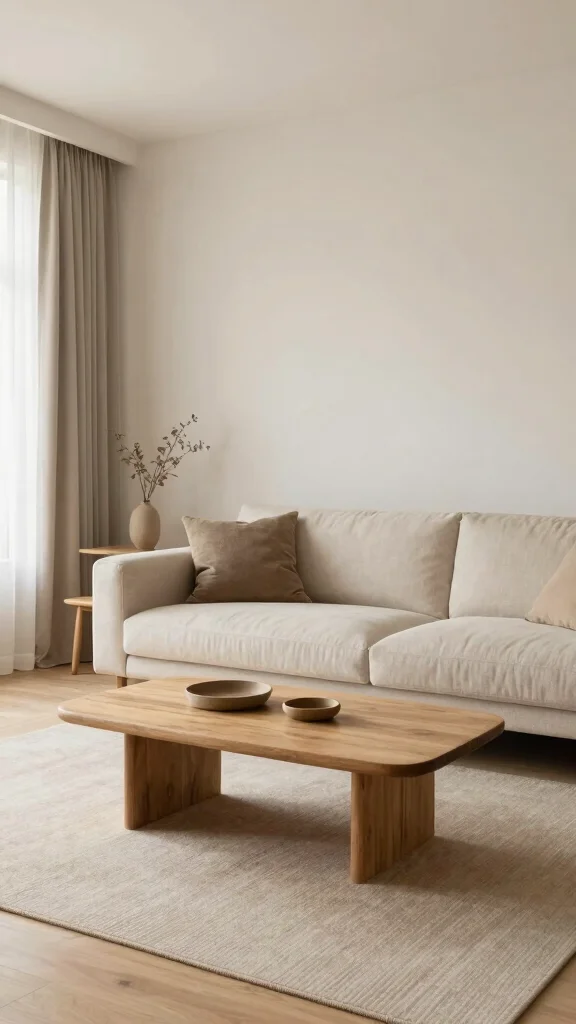
Embracing a minimalist lifestyle in your living room can lead to a peaceful sanctuary that reflects who you are. These 17 ideas offer practical yet stylish ways to maximize your small space, blending function with aesthetics beautifully. By prioritizing simplicity and intentionality, you’ll create an inviting environment that is both comfortable and chic. Remember, minimalism is about quality over quantity. Find joy in your space and let it inspire you to live with purpose.
Frequently Asked Questions
How can I create a minimalist living room apartment that feels spacious in a small space?
To create a minimalist living room apartment that feels spacious in a small space, start with a light, neutral palette and a clutter-free layout. Embrace modern minimalist design principles like clean lines and simple silhouettes. Choose minimalist furniture ideas with compact footprints, such as a slim-profile sofa or a wall-mounted media unit. Maximize natural light with sheer curtains and strategically placed mirrors. Define zones with a single rug and floating shelves, and keep accessories to a few well-chosen pieces. Finish with apartment styling tips that prioritize function, using eco-friendly home decor materials whenever possible.
What are practical storage solutions for a minimalist living room apartment?
Think built-ins, wall-mounted storage, and multipurpose furniture like storage ottomans or a coffee table with hidden compartments. Use vertical storage and floating shelves to free up floor space. Keep small space decor cohesive by sticking to a limited color palette and a few texture accents. Choose minimalist furniture ideas that serve storage needs without bulk, and hide visual clutter with stylish bins and baskets. Finally, rotate decorative pieces seasonally so you always have a fresh look without overcrowding.
How can I incorporate eco-friendly home decor into a Scandinavian minimalist living room for small spaces?
Go for eco-friendly home decor by selecting sustainable materials: FSC-certified wood, bamboo, organic cotton or linen textiles, and natural fiber rugs. Choose Scandinavian inspired pieces with clean lines and durable construction. Use low-VOC paints and finishes to keep indoor air quality high. Buy second-hand or upcycle furniture to reduce waste, and choose minimalist furniture ideas with longevity. Pair with simple small space decor accents like a wool throw or ceramic vase rather than many small items.
Which color schemes and lighting work best for modern minimalist design in a small apartment?
Keep base neutrals such as warm whites, soft grays, and light wood tones. Add subtle color through textiles and a few well-placed accessories. For lighting, layer ambient, task, and accent lighting; use warm-white LEDs and consider dimmers. Use mirrors to reflect light and create the illusion of more space. All of this supports modern minimalist design and fits well with small space decor goals.
What apartment styling tips maximize impact in a tiny living room without clutter?
Apartment styling tips to maximize impact in a tiny living room include defining zones with a rug or console, using floating shelves and wall-mounted storage to keep floors clear, and arranging furniture with symmetry for a calm vibe. Create a focal wall or choose a single statement piece to anchor the space, then add a few greenery picks with easy care. Keep surfaces uncluttered and rotate decor seasonally to maintain a fresh look. Focus on function and restraint, and choose eco-friendly home decor options whenever possible.
Related Topics
home decor
minimalist living
small space decor
Scandinavian design
apartment styling
modern minimalist
eco-friendly decor
minimalist furniture
budget friendly
space-saving solutions
beginner tips
cozy interiors