Expert Home Style – For the Price of a Coffee ($3.90)
Master high-end design secrets (Tuscan, Modern) without the expensive consultants.
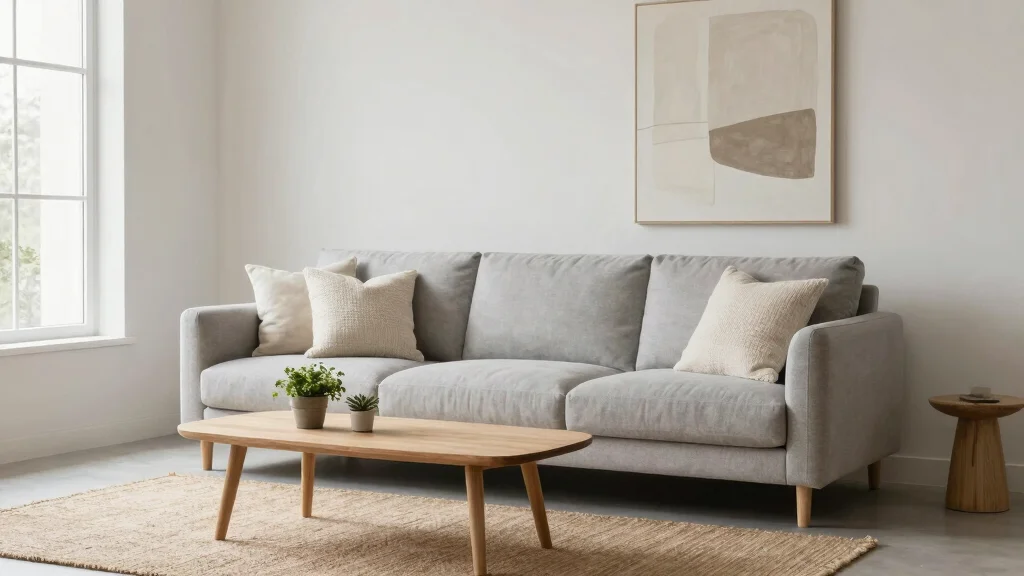
🛒 Buy NowCreating a beautiful, inviting living room can feel overwhelming, especially with so many styles and trends to choose from. As a minimalism enthusiast, I understand the struggle of wanting a space that feels open and serene without compromising on style. That’s why I developed this guide showcasing 18 living room ideas in a minimalist style that embrace sustainable and simple living. Each idea not only enhances the aesthetics of your home but also promotes a lifestyle that values function and calm over clutter.
If you’re someone who appreciates modern living room design or is looking for minimalist home decor, you’re in the right place. This post is tailored for anyone who wishes to create a decluttered living space that feels both comfortable and stylish. You’ll find inspiration that speaks to your desire for simplicity while also being eco-conscious. Each idea pulls together essential elements of minimalist living, demonstrating how minimal furniture arrangements and natural materials can transform your space.
In this article, you’ll discover practical tips and inspiring ideas that make it easy to curate a living room that embodies minimalist elegance. From earthy textures and monochromatic color schemes to clever storage solutions and the charm of greenery, each suggestion is designed to help you create a space that is not only visually appealing but also functional and sustainable. Let’s dive into the world of minimalist living rooms and explore how you can refresh your home with these thoughtful ideas.
Key Takeaways
– Embrace minimalist home decor by focusing on open spaces and natural light, creating a relaxed atmosphere.
– Opt for minimalist furniture arrangements that prioritize functionality and flow, making your living room inviting and easy to navigate.
– Use sustainable materials such as reclaimed wood or organic fabrics to enhance your modern living room design while being eco-friendly.
– Incorporate clever storage solutions to keep your space decluttered, allowing you to enjoy a serene environment without sacrificing style.
– Add personal touches and greenery to bring warmth to your minimalist living room, balancing simplicity with comfort and personality.
Contents
- 1. Earthy Textures in a Neutral Palette
- 2. Minimalist Furniture Arrangements
- 3. Sustainable Materials Shine
- 4. Monochromatic Color Schemes
- 5. Open Shelving for Display and Functionality
- 6. Statement Lighting Fixtures
- 7. Incorporating Natural Elements
- 8. Multi-Functional Spaces
- 9. Minimal Artwork and Decor
- 10. Soft and Cozy Textiles
- 11. Clever Storage Solutions
- 12. Warm Lighting for Coziness
- 13. A Touch of Greenery
- 14. Open Concept Living
- 15. Functional Decor
- 16. Layered Lighting Techniques
- 17. Neutral Color Palettes
- 18. Personal Touches


1. Earthy Textures in a Neutral Palette
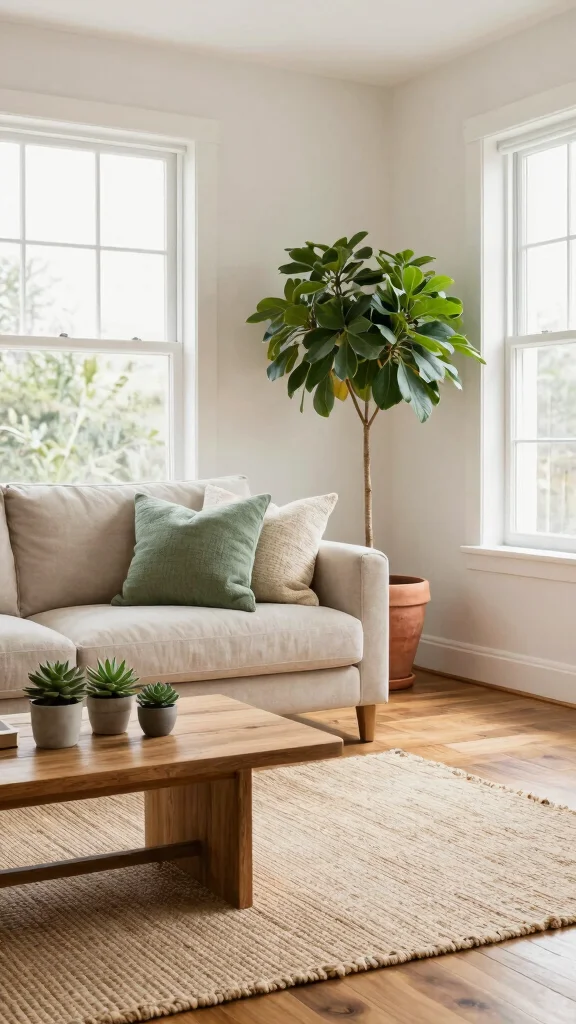
The charm of earthy textures paired with a neutral palette effortlessly cultivates a serene atmosphere in your minimalist living room.
Soft browns, subtle greens, and creamy whites harmonize beautifully, creating a tranquil retreat. Materials like linen and cotton for your soft furnishings, complemented by wooden accents such as side tables or shelves, enhance this inviting aesthetic. These natural tones not only radiate warmth but also foster a seamless connection between your indoor space and the great outdoors.
To enrich the ambiance, incorporate a textured rug or a woven basket, adding layers and depth. This natural vibe invites you to connect with the environment, making your living area feel spacious and open.
– Use organic fabrics like cotton or linen for upholstery.
– Incorporate living plants that thrive indoors.
– Look for natural wood finishes instead of painted furniture.
– Choose decor items with organic shapes to enhance the theme.
By embracing these elements, you elevate the overall aesthetic while enjoying the enrichening qualities of natural textures and materials.


2. Minimalist Furniture Arrangements
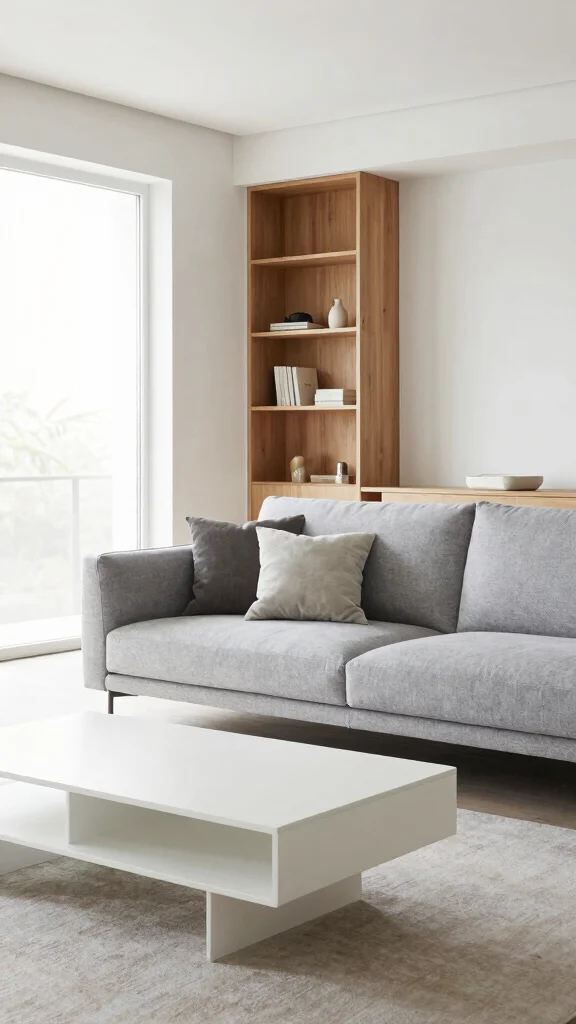
Simplicity and purpose are the heart of minimalist furniture arrangements.
Select key pieces that serve multiple functions to maintain an uncluttered look. A sleek sofa paired with a minimalist coffee table featuring built-in storage not only streamlines the room but also ensures everything has its place. Arrange your furniture thoughtfully to promote conversation and ease of movement, emphasizing flow and accessibility.
Remember that empty spaces are just as vital as filled ones; they contribute significantly to the open, airy feel typical of minimalist design. This flexibility allows your living area to adapt seamlessly to various needs and occasions.
– Opt for a low-profile sofa with clean lines.
– Consider a bench or ottoman that can double as seating.
– Keep pathways clear to enhance movement.
– Select furniture that complements rather than overwhelms the space.
With these strategies, you create a harmonious environment that invites interaction and relaxation.




3. Sustainable Materials Shine
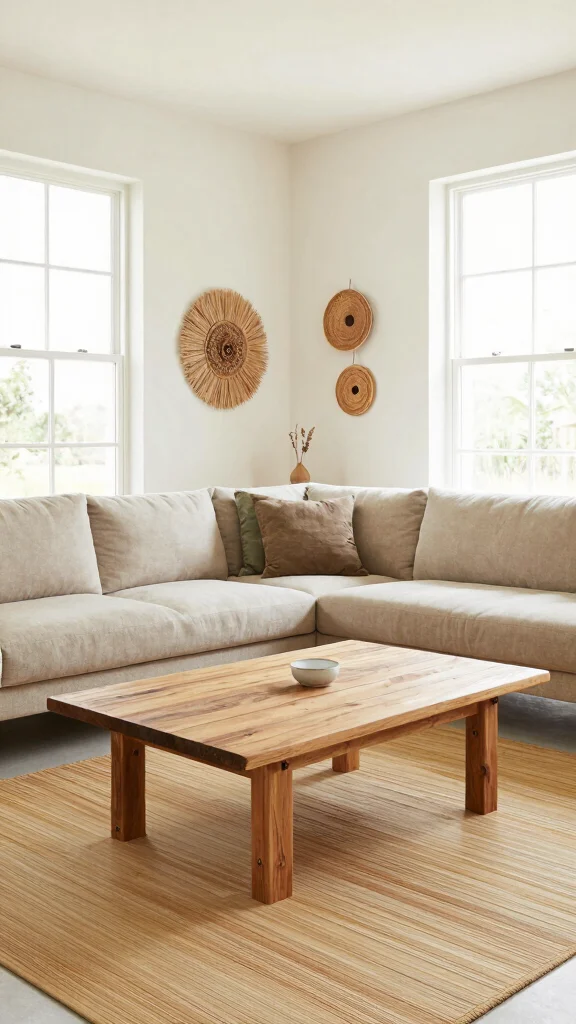
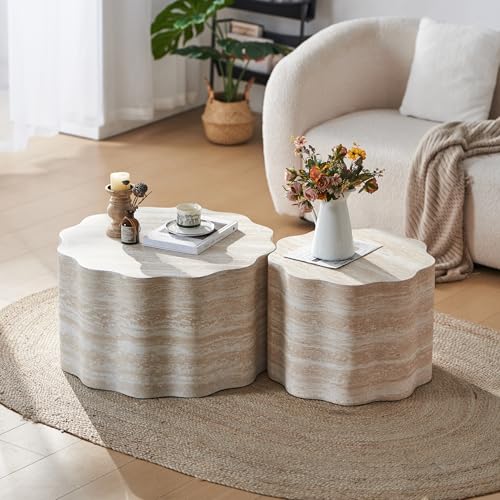
Sustainability is not just a trend; it’s a key element in minimalist decor.
Opting for furniture and decor made from sustainable materials not only benefits the planet but also enriches your minimalist aesthetic. Seek out pieces crafted from reclaimed wood, bamboo, or recycled metals, which often showcase unique textures and finishes that tell a story.
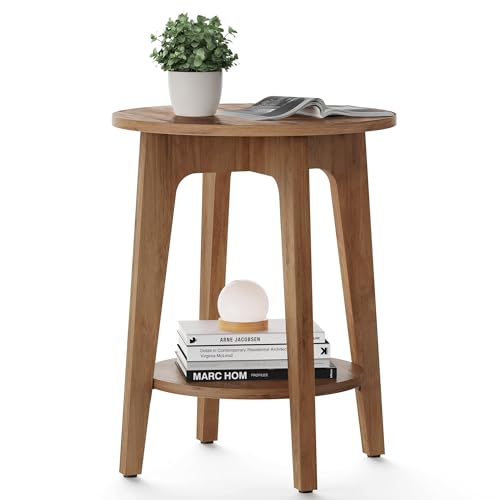
Consider incorporating bamboo side tables or chairs upholstered with eco-friendly fabrics. By selecting handmade or artisanal decor, you support sustainable practices while adding character to your space. Focus on quality over quantity, ensuring every piece has a narrative.
– Choose furniture with certifications for sustainability.
– Incorporate handmade items for uniqueness.
– Look for secondhand or vintage finds to reduce waste.
– Prioritize long-lasting materials that age beautifully.
This thoughtful approach not only enhances your living area but also reflects a commitment to environmental consciousness.




4. Monochromatic Color Schemes
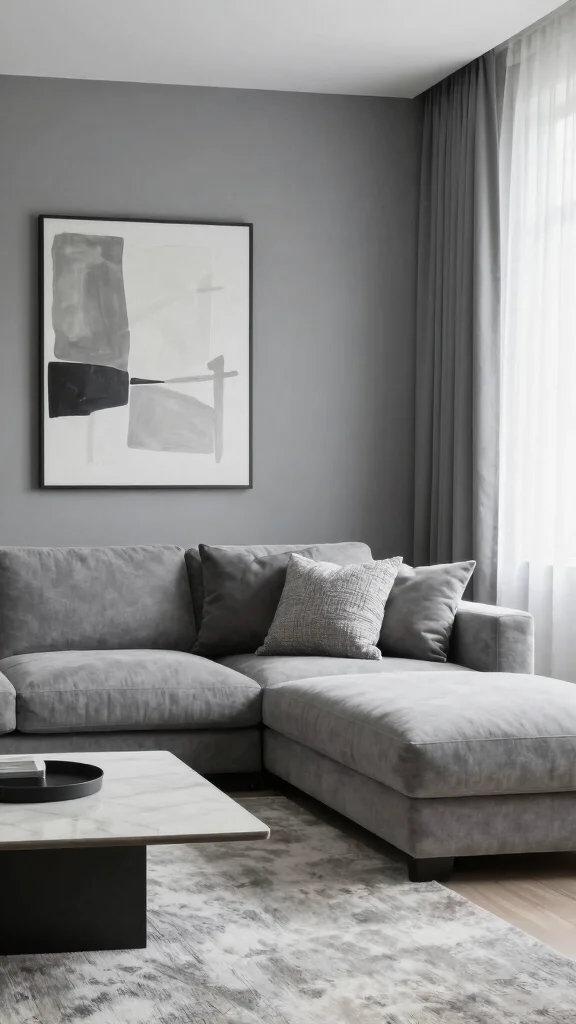
Adopting a monochromatic color scheme simplifies the visual appeal of your living room while exuding sophistication.
By using various shades of a single color, you create a cohesive look that feels both calming and stylish. For instance, a gradient of grays from deep charcoal to soft ash can achieve a modern ambiance. Layering different textures, like a plush gray sofa with a woven gray throw, introduces depth without chaos.
This approach allows for harmonious integration of focal points, such as artwork or decorative items, ensuring they complement rather than clash. The overall result is a serene, intentional space that feels curated.
– Select a primary color and explore its different shades.
– Introduce various textures to keep it interesting.
– Use artwork that aligns with the color palette to enhance harmony.
– Avoid adding too many contrasting colors to maintain simplicity.
The monochromatic scheme fosters an environment that feels sophisticated and calm, perfect for relaxation.
5. Open Shelving for Display and Functionality
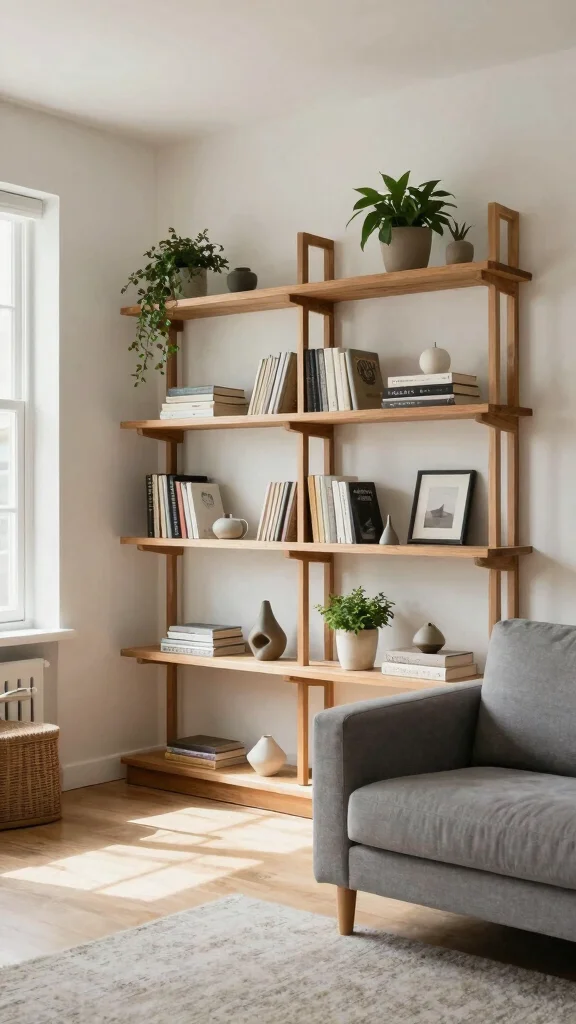
Open shelving beautifully combines functionality with decor in a minimalist living room.
By forgoing traditional bulky cabinets, open shelves create a light and airy atmosphere, allowing you to showcase your favorite items. Keep your shelves organized by displaying a thoughtful mix of books, plants, and meaningful decor. This approach not only maintains order but also injects personal flair into your minimalist design.
Consider using natural wood shelves to align with a warm aesthetic, and curate items that reflect your personality while avoiding overcrowding. This balance is essential for achieving a clean yet inviting look.
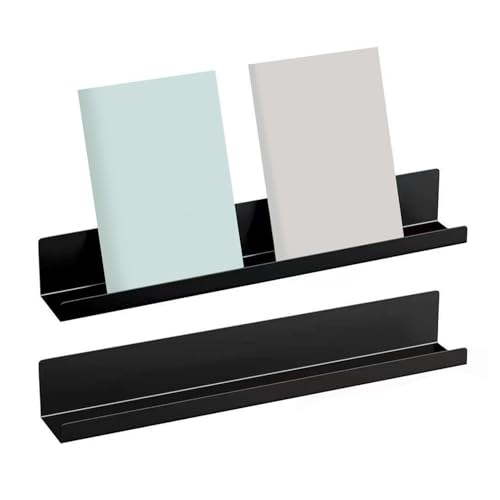
– Use brackets that complement the shelves for a cohesive look.
– Choose a limited color palette for displayed items to avoid clutter.
– Change items seasonally for fresh decor with minimal effort.
– Ensure items on shelves are functional and serve a purpose.
This method enhances both the visual appeal and the practicality of your space.
6. Statement Lighting Fixtures
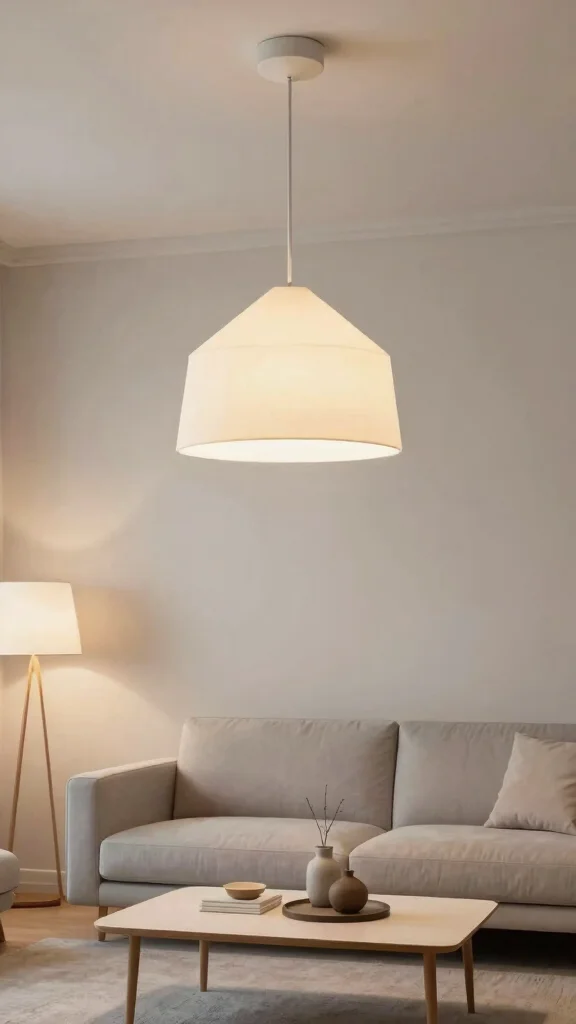
Lighting plays a transformative role in minimalist design, significantly influencing the atmosphere of your living room.
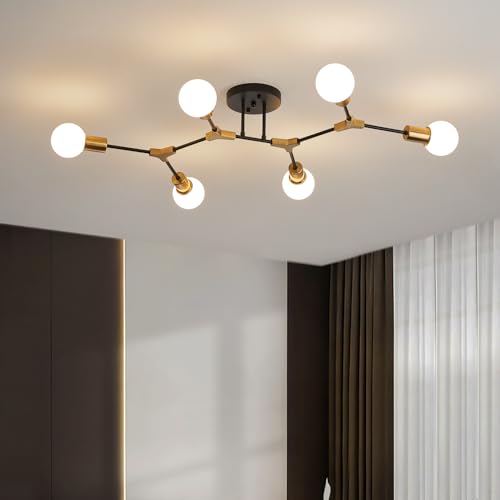
Choosing a standout lighting fixture, such as a sleek pendant or an artistic floor lamp, captures attention and adds character to your space. Opt for designs that combine functionality with artistry, like a geometric floor lamp or a sculptural light fixture, which illuminate while serving as focal points.
Dimmable lighting can further enhance your environment, allowing you to create the perfect mood for any occasion. Layering your lighting with a mix of overhead lights, lamps, and candles increases the cozy, inviting vibe.
– Select fixtures that align with the overall design theme.
– Use warm light bulbs for a welcoming atmosphere.
– Incorporate task lighting for added function in reading areas.
– Avoid multiple competing light sources to maintain simplicity.
With thoughtful lighting choices, you can create a warm, inviting space that feels both stylish and functional.




7. Incorporating Natural Elements
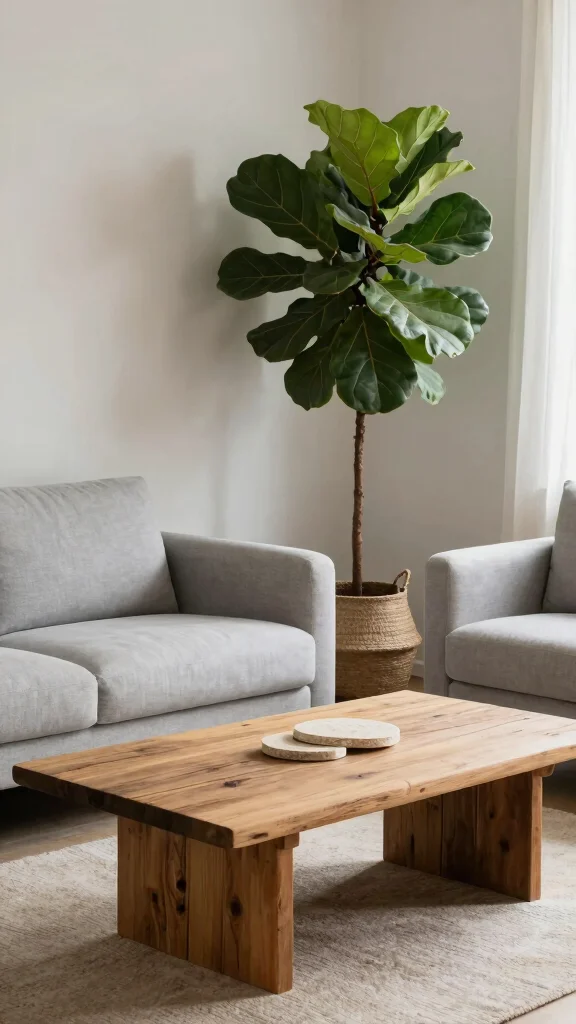
Integrating natural elements into your minimalist living room infuses vitality and a connection to the outdoors.
Utilizing organic materials like wood, stone, and greenery adds warmth and texture to your space. Consider a wooden coffee table, stone coasters, or terracotta pots to create a grounded and inviting atmosphere. Indoor plants not only enhance air quality but also introduce vibrant color without overwhelming your decor.
Incorporating larger plants like a fiddle leaf fig or a snake plant can serve as striking focal points, enhancing the minimalist aesthetic while enriching your living environment.
– Use reclaimed wood items for a rustic feel.
– Include a variety of indoor plants at different heights.
– Opt for stone or ceramic planters for added texture.
– Avoid artificial elements to maintain authenticity.
By thoughtfully placing these elements, you create a harmonious and refreshing living space.


How To Choose Minimalist Furniture for Your Living Room
When it comes to creating a living room in minimalist style, the furniture you choose plays a crucial role. The right pieces should be functional yet stylish, contributing to a decluttered and serene space. Here are key criteria to keep in mind when selecting minimalist furniture for your living room.
1. Size Matters
Choosing the right size furniture is essential for maintaining open space. Measure your living room to determine how much room you have for furniture. You want to avoid overcrowding the area with oversized pieces. Ideally, each piece should allow for at least 18-24 inches of walking space around it. This ensures comfortable movement and a breezy atmosphere.
2. Material Selection
Opt for furniture made from sustainable and natural materials. Wood, bamboo, and metal are excellent choices, offering durability and a clean aesthetic. Look for finishes that are simple and devoid of excessive ornamentation. Avoid plastic and synthetic materials as they can detract from the minimalist vibe you aim to achieve.
3. Functionality is Key
Each piece of furniture should serve a purpose beyond aesthetics. Consider multi-functional items, like a coffee table that doubles as storage or an ottoman that can be used as a seat. This is particularly useful in smaller spaces where every square inch counts. A well-thought-out selection of functional furniture enhances both usability and style.
4. Neutral Color Palette
Choose a color scheme that aligns with a minimalist aesthetic. Soft tones like whites, beiges, and grays can create a calming environment. Aim for colors that blend well with your walls and floors to create a seamless look. If you want to add a splash of color, keep it to a minimum and choose one or two accent pieces.
5. Simple Lines and Shapes
Look for furniture with clean lines and geometric shapes. Curved forms can add interest, but avoid overly intricate designs that can feel chaotic. A sofa with straight edges, a simple coffee table, and a few accent chairs with minimal detailing will keep your living room looking fresh and organized.
6. Declutter Regularly
Minimalist living is not just about the initial selection of furniture; it’s also about maintaining a clutter-free environment. Regularly assess your furniture and decor. If something no longer serves a purpose or adds joy, consider removing it. This will help keep your living space airy and open.
Pro Tip: When shopping for minimalist furniture, focus on quality over quantity. Investing in a few well-made pieces will often yield a more harmonious space than filling your room with many low-quality items. Take your time, and don’t hesitate to wait for the perfect piece to come along. This way, your living room will reflect your personal style while remaining true to minimalist principles.




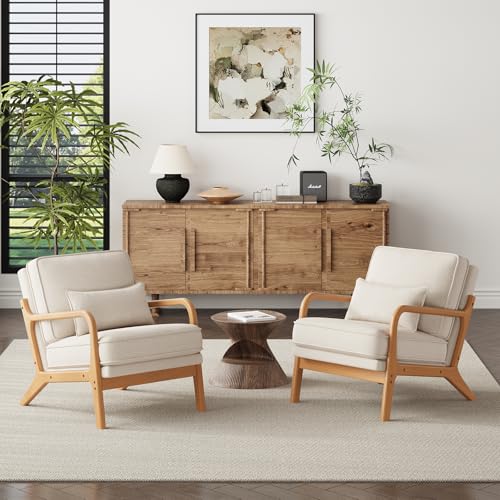
8. Multi-Functional Spaces
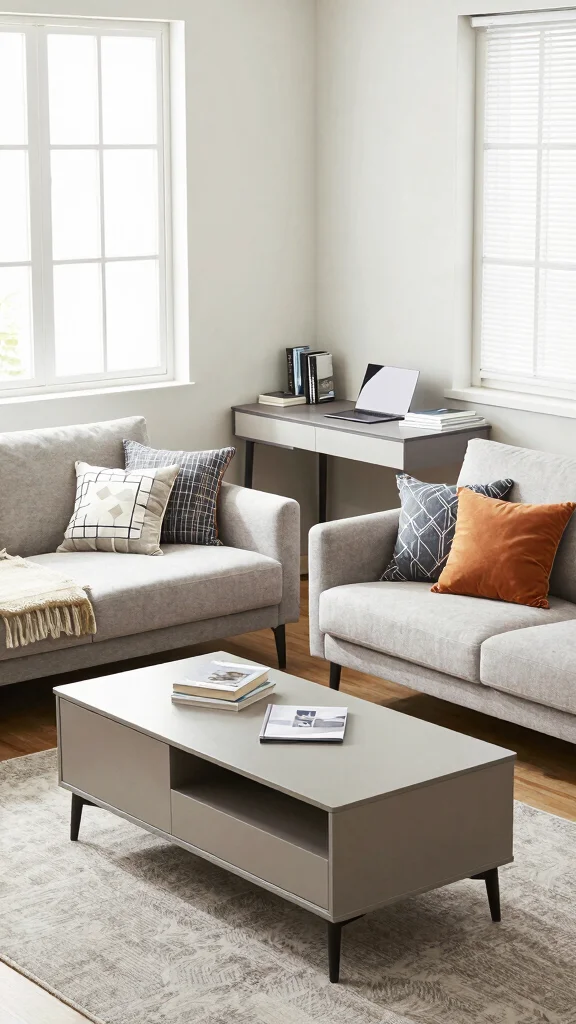
In smaller homes, maximizing your living space is essential for functionality.
Designing multi-functional areas in your living room can balance utility and aesthetics. Consider a sofa bed for guests, a coffee table with storage, or a workspace that can be easily cleared when not in use. These features promote tidiness and versatility, adapting to your evolving needs.
A well-planned space encourages movement and interaction, allowing the room to serve as both a relaxation area and a functional living zone. Embrace creativity in segmenting areas without erecting physical barriers to maintain an open feel.
– Use furniture that can be easily moved or reconfigured.
– Designate areas for different activities, such as reading or working.
– Choose versatile furniture pieces to maximize utility.
– Keep decorations minimal to avoid distraction from functionality.
This approach not only enhances your living area but also promotes a harmonious lifestyle.


9. Minimal Artwork and Decor
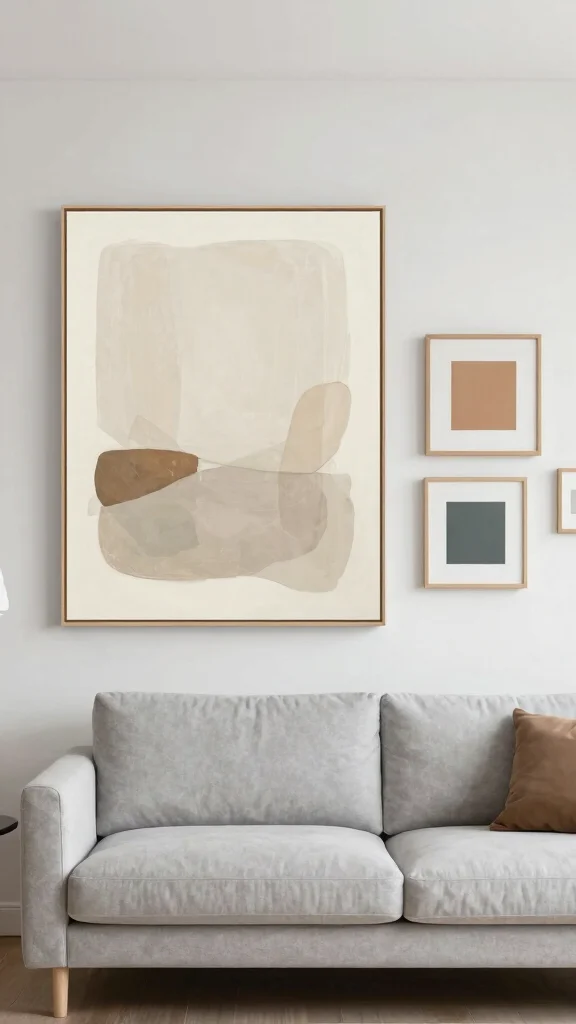
In minimalist living rooms, the philosophy of ‘less is more’ rings true for decor.
Select artwork and accessories that resonate with you personally, but keep numbers low to avoid overwhelming the space. Large canvases with simple designs can serve as impactful focal points without cluttering the room. Alternatively, a thoughtfully curated gallery wall can create an elegant yet tidy aesthetic.
When choosing pieces, consider colors and themes that fit within your minimalist palette. Every decorative item should enhance the overall design while fostering a sense of calm.
– Limit wall art to one or two significant pieces.
– Use frames that complement the overall aesthetic without distraction.
– Incorporate tactile elements for visual interest.
– Regularly rotate decor to maintain a fresh look without adding bulk.
This strategy ensures your space remains serene and carefully curated.
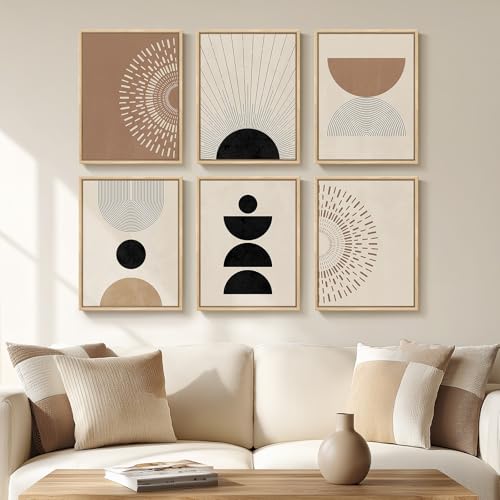


10. Soft and Cozy Textiles
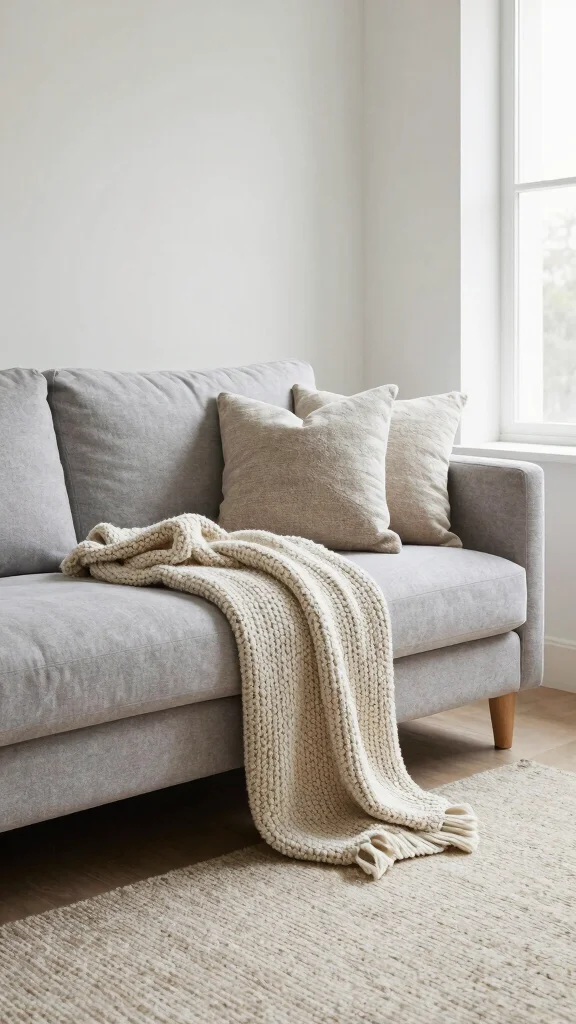
Textiles are a vital component in creating warmth and comfort in a minimalist living room.
Choose soft, inviting materials like cotton, wool, and linen for your throws, pillows, and rugs. Layering these textiles introduces depth while preserving the clean aesthetic. A chunky knit throw draped over a minimalist sofa adds comfort while enhancing style.
Focus on quality and texture over quantity for a cozy atmosphere that feels both functional and inviting, encouraging relaxation at the end of the day.
– Combine different fabric textures to create visual interest.
– Stick to a limited color palette for textiles to keep it cohesive.
– Prioritize fabrics that are easy to clean and maintain.
– Rotate seasonal textiles for a fresh look throughout the year.
This thoughtful layering adds a touch of comfort without compromising your minimalist vision.
Soft textiles aren’t just decoration; they’re daily comfort. In line with living room ideas minimalist, opt for cotton, wool, and linen; mix textures, not piles, and a chunky knit throw becomes a cozy focal point you’ll actually use.
11. Clever Storage Solutions
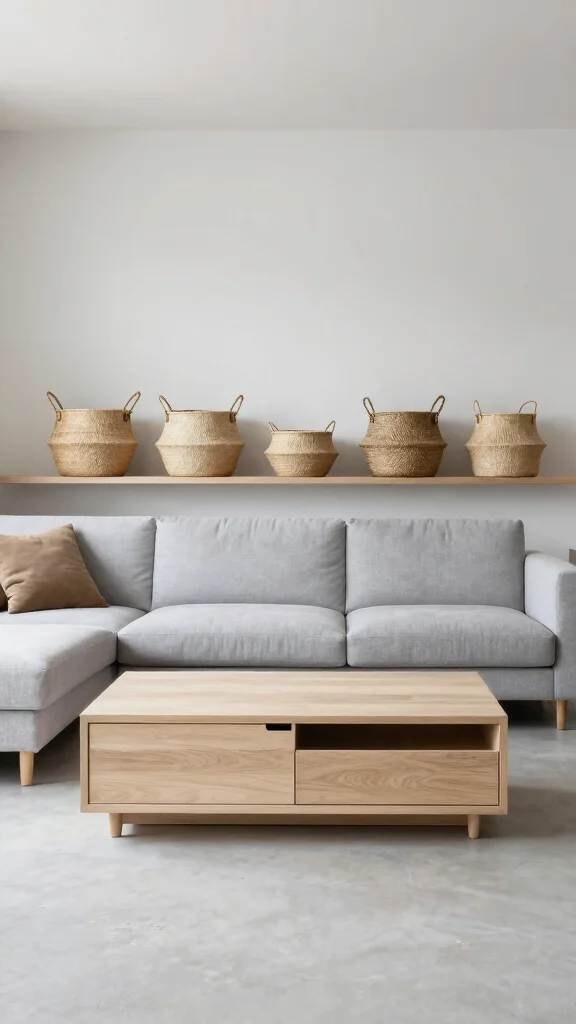
Clever storage solutions are vital for maintaining an organized minimalist living room.
Incorporating hidden storage options helps keep clutter at bay while allowing the open feel of your room to shine. Consider furniture that doubles as storage, like ottomans with compartments or coffee tables with drawers. Wall-mounted shelves can also display decor while keeping items off the floor.
The focus should be on smart design that blends function with aesthetics, ensuring your living area remains a peaceful retreat. Embrace stylish baskets or boxes for beautiful storage solutions.
– Invest in furniture that offers functional storage.
– Utilize baskets to organize small items discreetly.
– Regularly declutter and reevaluate what you keep in storage.
– Label storage units if necessary to maintain organization.
This approach not only enhances your decor but also promotes a serene environment.


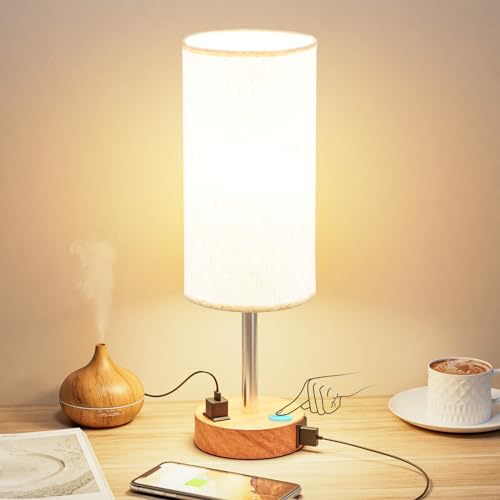
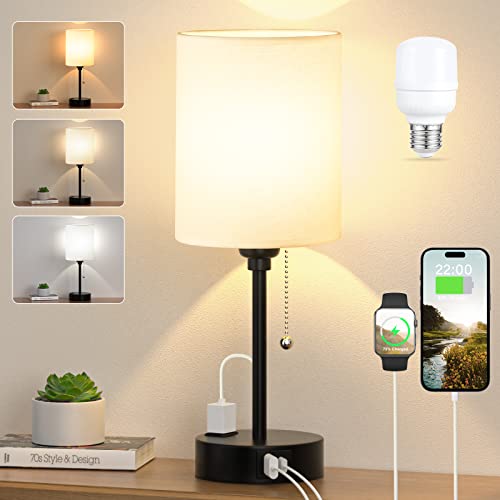
12. Warm Lighting for Coziness
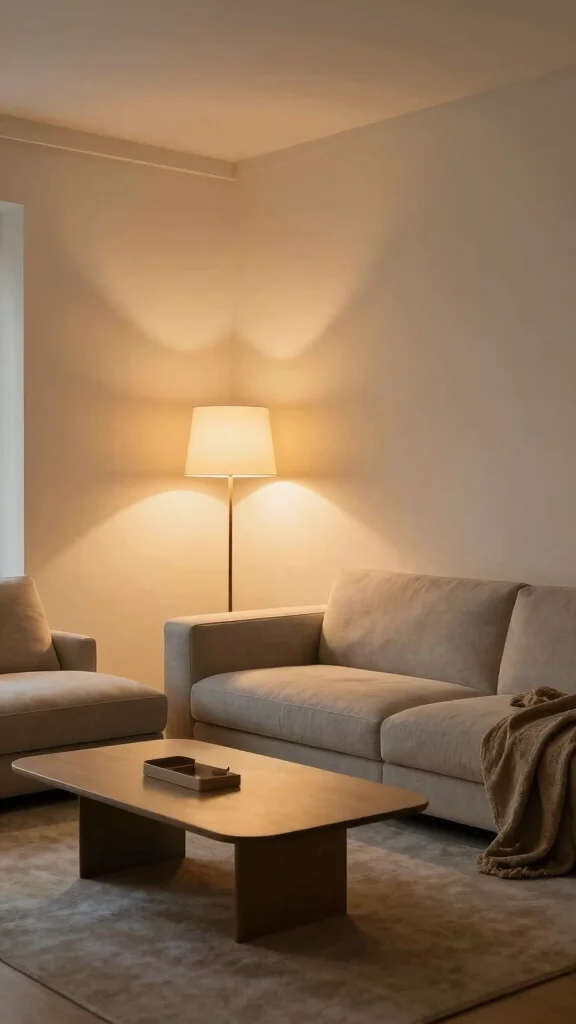
Creating a cozy atmosphere in a minimalist living room hinges on the right lighting choices.
Opt for warm white bulbs to cast an inviting glow, softening the overall ambiance. Layer different light sources, such as floor lamps, table lamps, and ambient lighting, to add depth and enhance the coziness of the space. Dimming options allow you to adjust the mood for various activities, from reading to entertaining.
Avoid harsh overhead lighting to maintain the minimalist feel, instead focusing on creating a warm, enveloping atmosphere that encourages relaxation and comfort.
– Use warm-colored bulbs for a cozy effect.
– Layer lighting with various sources for depth.
– Choose lamps that complement the minimalist design.
– Dim lights during evenings for a relaxed vibe.
These lighting strategies create a welcoming environment, perfect for unwinding after a long day.


13. A Touch of Greenery
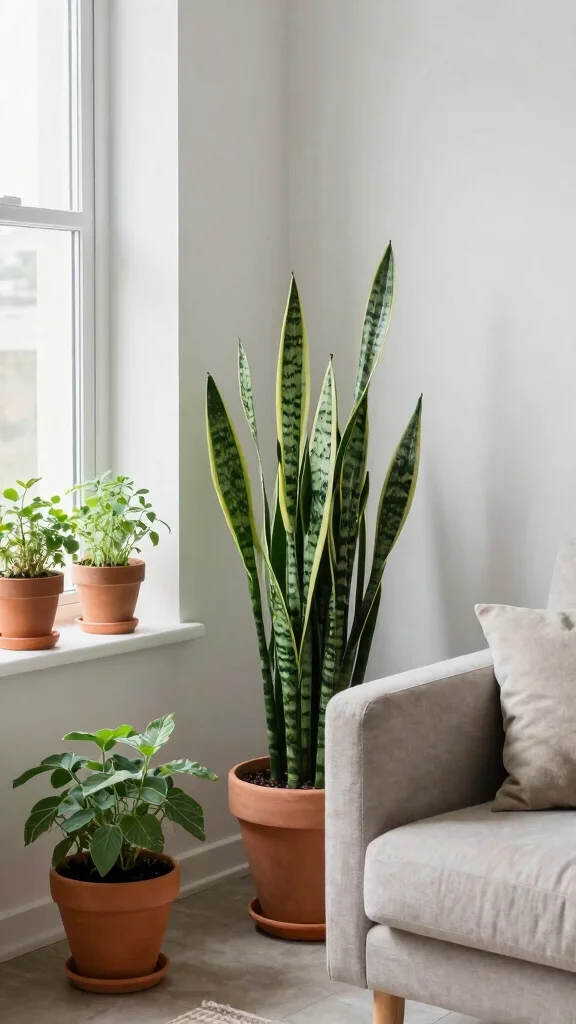
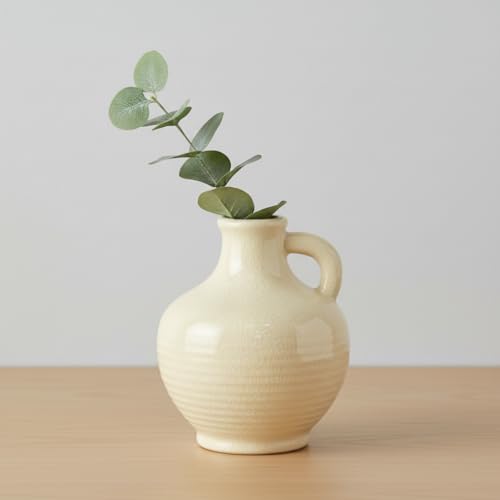
Incorporating greenery into your minimalist living room introduces freshness and vibrancy, enhancing your design.
Consider selecting a few carefully chosen houseplants, such as pothos or snake plants, that thrive indoors. These plants not only purify the air but also bring color without overwhelming the space. Place them in natural pots, like terracotta or ceramic, to complement your decor style.
Create a small indoor herb garden as a functional and beautiful feature. A few pots on a windowsill can add beauty and freshness to your living area. Balance plant quantity and placement to maintain the minimalist feel.
– Choose low-maintenance plants to keep care easy.
– Group plants in odd numbers for aesthetic appeal.
– Use planters that fit the overall design theme.
– Rotate plants to keep the decor fresh without adding clutter.
By integrating greenery thoughtfully, you enrich your living space while maintaining a minimalist approach.



14. Open Concept Living
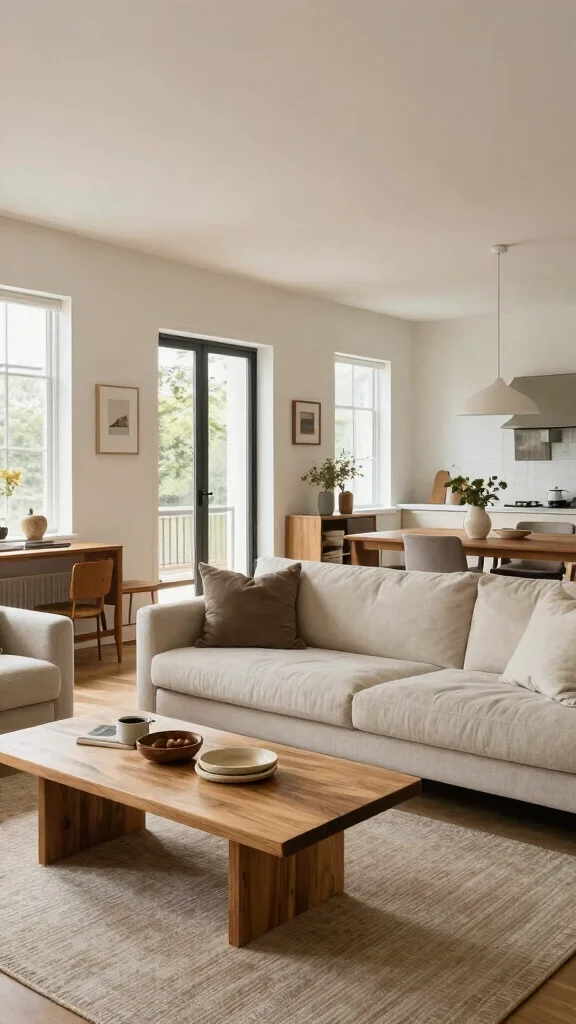
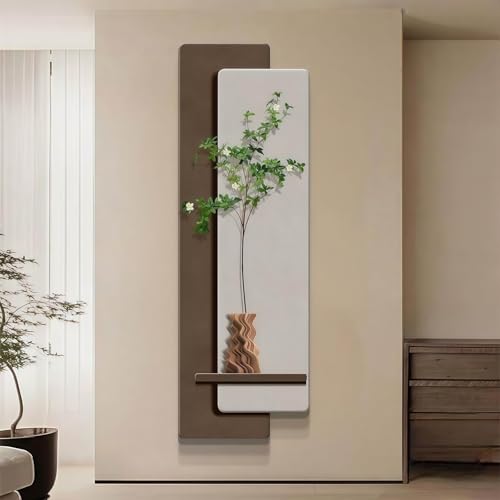
If your space allows, consider an open concept living area that seamlessly blends with the kitchen or dining space.
This design fosters flow and interaction, promoting a sense of togetherness while maintaining a minimalist vibe. Use furniture to define separate areas without creating physical barriers; for example, a low sofa can naturally separate the living area from the dining zone. Incorporate similar design elements throughout both spaces for harmony.
An open layout makes the area feel larger and more inviting, allowing natural light to flow freely. The emphasis should be on simplicity, ensuring all elements work together beautifully.
– Choose furniture that promotes conversation and connection.
– Use area rugs to define different zones within the open space.
– Keep decor and color schemes consistent for visual flow.
– Add plant life or art pieces that tie both areas together.
This approach creates a welcoming environment that feels expansive and connected.
15. Functional Decor
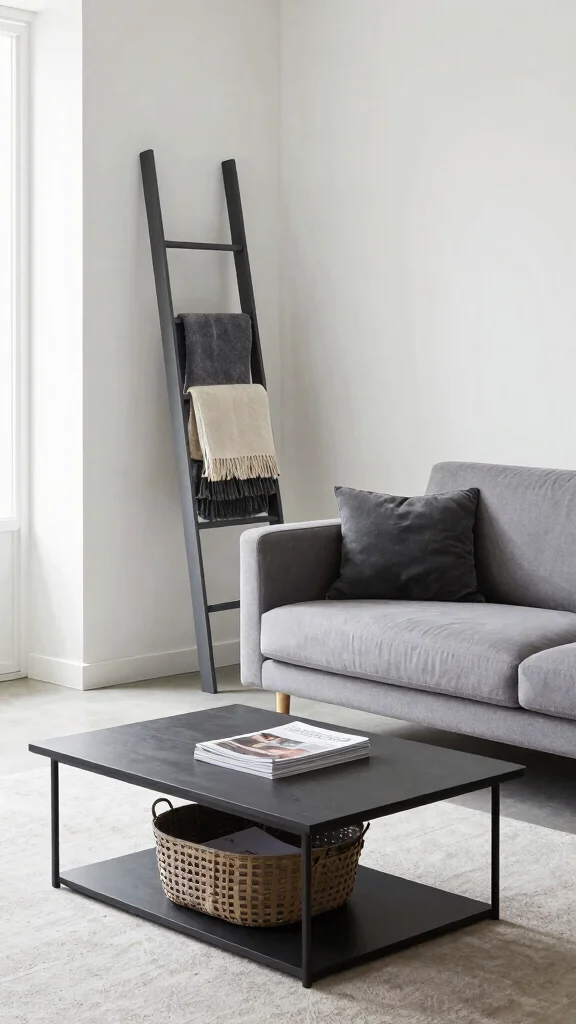
In a minimalist living room, every item should have a purpose.
Opt for decor that doubles as functionality, such as a decorative ladder for holding throws or magazines. Attractive baskets can store extra blankets or toys, enhancing your design while keeping your space organized. This approach minimizes clutter while elevating aesthetic appeal.
Functional decor can also include unique coasters that protect surfaces while adding visual interest. The balance between beauty and utility is essential in minimalist design.
– Choose decor items that offer storage or organization.
– Opt for multi-functional furniture pieces that serve dual purposes.
– Look for decor that aligns with the room’s design theme for cohesion.
– Regularly evaluate decor items for their functionality and aesthetic value.
This thoughtful selection enhances both form and function in your living space.


16. Layered Lighting Techniques
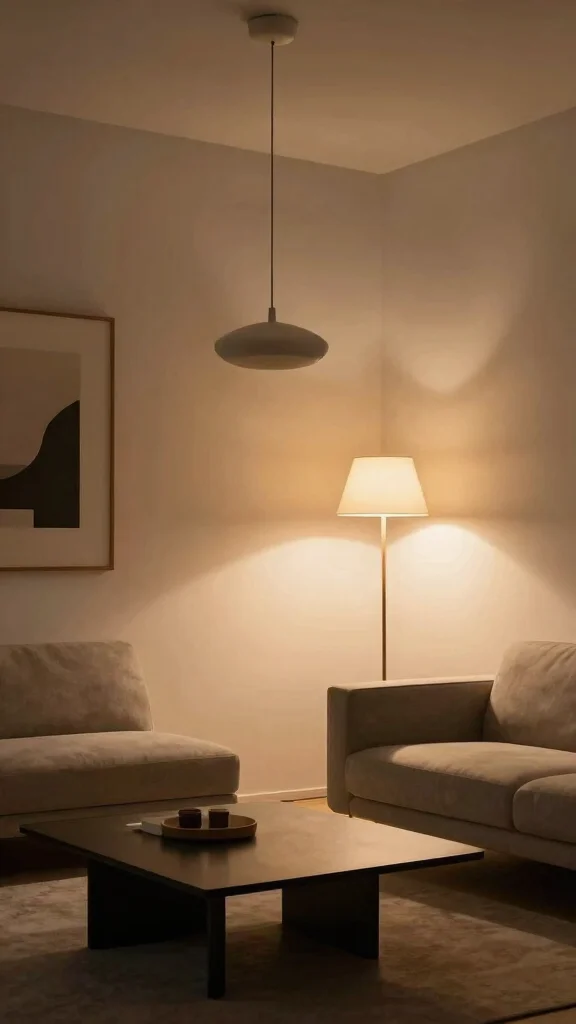
Layering your lighting is crucial for creating a warm, inviting atmosphere in a minimalist living room.
Utilize a mix of ambient, task, and accent lighting to ensure the space is both functional and cozy. Ambient lighting provides overall illumination, while task lighting targets specific areas, ideal for reading nooks or workspaces. Accent lighting can highlight special features like artwork or plants, enriching the design’s dimension.
Dimmable switches enhance ambiance, allowing you to easily adjust the mood based on time of day or activity. The goal is to create a well-lit space that feels welcoming without being harsh or overwhelming.
– Combine multiple light sources for depth and warmth.
– Use dimmers for versatile lighting options.
– Consider strategically placed lamps for both function and style.
– Highlight special decor with accent lighting for visual interest.
These lighting techniques ensure your living room feels both comfortable and stylish.
Layered lighting turns a minimalist living room into cozy, usable space. Add ambient, task, and accent lights, then dim the mood for evenings. It’s our go-to living room ideas minimalist move—simple, practical, and powerful.
17. Neutral Color Palettes
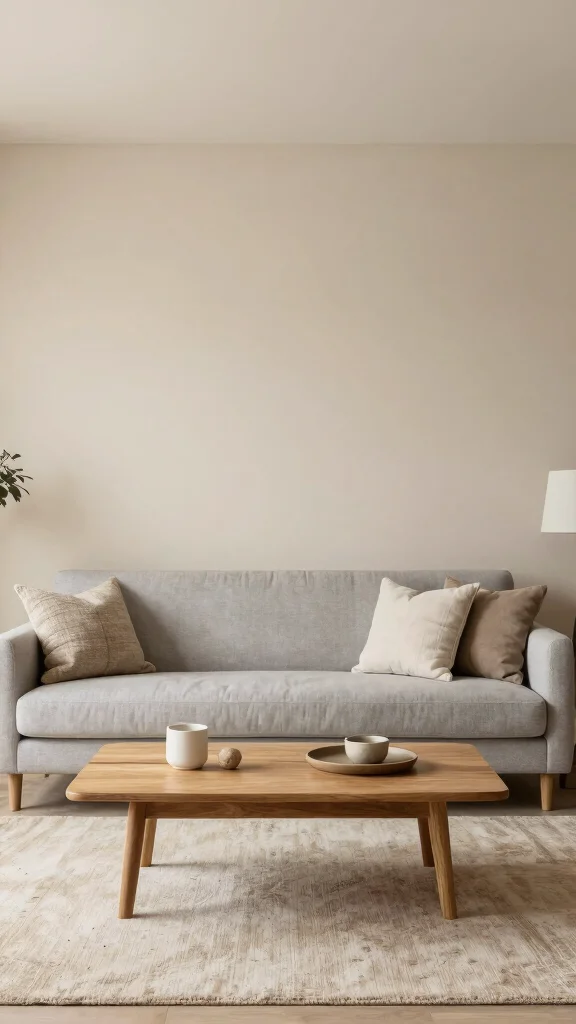
Neutral color palettes are foundational in minimalist design, providing a calming backdrop that’s easy to accessorize.
Shades like beige, gray, and white create an illusion of space while allowing flexibility in decor choices. This approach makes it simple to switch accessories or artwork without clashing. Incorporating various textures within your neutral palette can also enhance visual interest.
Mixing matte and glossy finishes, along with different fabrics, adds depth while maintaining a cohesive look. The result is a tranquil environment that encourages relaxation and simplicity.
– Stick to a few key neutral shades for consistency.
– Incorporate various textures to prevent monotony.
– Use accent pieces to introduce subtle color if desired.
– Keep decor functional and purposeful to align with the overall theme.
This strategy creates a harmonious and serene living space.
18. Personal Touches
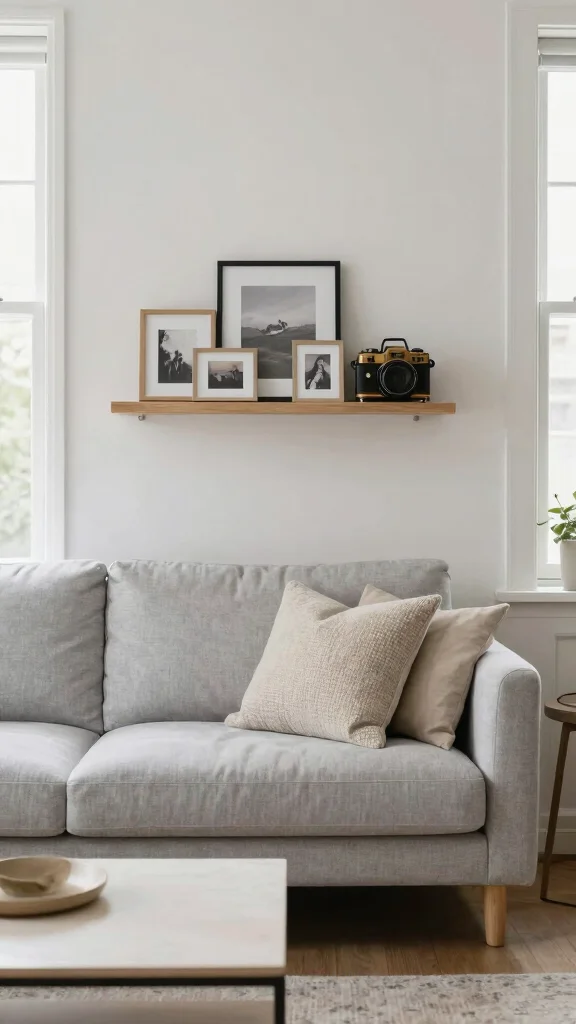
While minimalism emphasizes simplicity, personal touches transform a house into a home.
Incorporate items that reflect your personality and interests, but keep them minimal to maintain the aesthetic. A few framed photographs or travel mementos can bring warmth without cluttering the space. The key is to choose meaningful items and display them thoughtfully.
Creating a small dedicated area, like a shelf or table, allows you to focus on these personal pieces while keeping the rest of the room uncluttered. This balance fosters a warm and inviting atmosphere while adhering to minimalist principles.
– Select a few significant items to display prominently.
– Rotate personal pieces periodically to keep things fresh.
– Use uniform frames or display methods to maintain cohesiveness.
– Avoid overcrowding with too many personal items.
This approach creates a lived-in feel that enriches your minimalist living space.
Personal touches turn a clean living room into a home you actually live in. Pick a few meaningful, sustainable items—photographs, travel mementos—and display them thoughtfully to keep clutter low. With living room ideas minimalist in mind, fewer items speak louder—choose meaningful pieces and celebrate them.


Conclusion
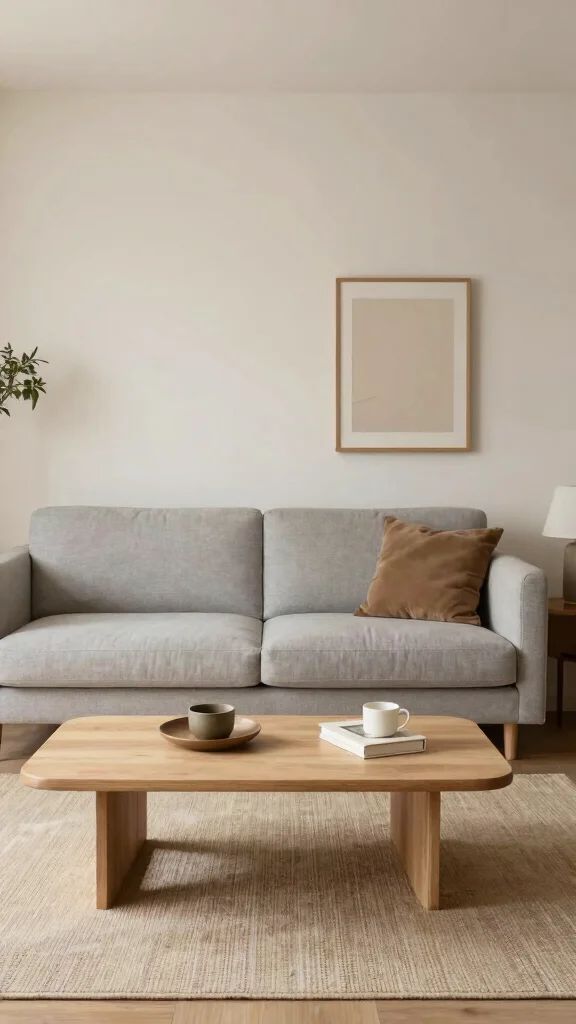
Minimalist living rooms are not only about aesthetics; they bring a sense of peace and tranquility into our homes.
By embracing sustainability and thoughtful design, you can create a space that resonates with your personal style while promoting a simpler lifestyle. Each of the ideas discussed inspires creativity and encourages a mindful approach to your living environment.
It’s all about finding balance and ensuring that every piece you bring into your home serves a purpose and adds joy to your life.
Frequently Asked Questions
How can I create minimalist living room ideas in a sustainable, budget-friendly way?
Start with a quick audit of what you actually use in your living room. Remove clutter to achieve decluttered living spaces and make room for the essentials. Then choose a simple color palette and durable, multifunctional pieces to support minimal furniture arrangements. For sustainability, look for sustainably sourced materials, reclaimed wood, bamboo, and low-VOC paints. Stick to a few timeless pieces rather than trend-driven buys to support modern living room design with a calm, spacious feel. Reuse or buy secondhand to stay within budget, and finish with natural textiles and plants for texture without bulk. Finally, use energy-efficient lighting to keep costs down and improve the look of your living room ideas minimalist.
What are the core principles of minimalist home decor for the living room?
Minimalist home decor centers on decluttered living spaces, a calm neutral palette, and clean lines. Embrace simple interior styles by limiting color and texture, letting architecture breathe, and maximizing natural light. Practice minimal furniture arrangements by choosing a few versatile pieces that fit the space, with plenty of hidden storage. Add texture with natural materials—wood, linen, cotton—rather than lots of decor. This approach aligns with modern living room design while staying true to living room ideas minimalist.
How can I arrange minimal furniture in a small living room without sacrificing comfort?
Start by measuring the room and choosing scale-appropriate pieces. Use minimal furniture arrangements: a compact sofa, a slender coffee table, and a pair of lounge chairs spaced to create conversation. Float seating away from walls to open the floor plan, defined by a rug. Use storage ottomans or a coffee table with hidden storage to keep clutter down. Add warm lighting and a couple of plants for a cozier feel. This keeps a modern living room design while staying true to living room ideas minimalist.
What are practical steps to declutter a living room quickly and effectively?
Do a 15-minute declutter sprint: remove everything not essential to daily use. Sort items into keep, donate/sell, and store piles. Create zones: media, reading, and display, and store away anything not in the zone. Use hidden storage like ottomans, baskets, and cabinets to maintain decluttered living spaces. Reassess weekly to avoid buildup. Finally, consider digital decluttering (cords, devices) and swap out temporary decor for timeless pieces to keep minimalist home decor integrity.
Which sustainable materials and eco-friendly options work best for a minimalist living room?
Look for FSC-certified wood, bamboo, recycled metal, and natural textiles like organic cotton and linen. Choose low-VOC paints and finishes, energy-efficient LED lighting, and durable fabrics to minimize replacement. Shop secondhand or upcycle to support sustainable minimalist living room ideas. Keep the palette neutral and timeless to maintain minimalist home decor aesthetics and decluttered living spaces.
Related Topics
home decor
minimalist design
modern living room
sustainable decor
simple interiors
decluttered spaces
minimal furniture
easy updates
small space solutions
beginner friendly
contemporary style
functional living