Expert Home Style – For the Price of a Coffee ($3.90)
Master high-end design secrets (Tuscan, Modern) without the expensive consultants.
🛒 Buy NowWhen it comes to home decor, the floor you choose can set the tone for your entire space. With the increasing focus on sustainability, many people are now craving eco-friendly floor designs that not only look great but also respect our planet. That’s why I created this post. I wanted to share fresh and creative flooring ideas that blend style with sustainability. Whether you’re renovating your home or just looking to refresh a room, these designs will inspire you.
If you’re someone who appreciates the beauty of nature in your home and cares about making sustainable choices, this blog is perfect for you. You will find options that cater to various interior styles, from rustic to modern. Each idea is curated to help you envision how eco-friendly materials can transform your space, adding both charm and character.
What you’ll get is a comprehensive guide featuring 20 unique floor design ideas that balance aesthetics with environmental responsibility. You’ll learn about materials like reclaimed wood, bamboo, and cork, along with creative concepts that allow you to express your personal style while supporting sustainable living. Let’s dive into the world of eco-friendly flooring and discover how you can enhance your home’s interior with these stylish options.
Key Takeaways
– Explore various eco-friendly materials, such as reclaimed wood and bamboo, which offer both style and sustainability for your home.
– Discover how cork flooring provides warmth and comfort while being an environmentally conscious choice.
– Learn about recycled tiles that allow for creative patterns, adding a unique touch to any room without harming the environment.
– Understand the benefits of natural stone and concrete for a modern yet earthy aesthetic that can fit many design styles.
– Get inspired by decorative floor concepts that allow for personalization, making your space truly your own while remaining eco-friendly.
Contents
- 1. Reclaimed Wood: Rustic Charm
- 2. Bamboo Flooring: Modern and Sleek
- 3. Cork Flooring: Soft and Sustainable
- 4. Linoleum: Retro Revival
- 5. Recycled Tile: Creative Patterns
- 6. Terrazzo: Artistic and Durable
- 7. Natural Stone: Earthy Elegance
- 8. Eco-Friendly Carpet: Soft and Stylish
- 9. Concrete: Industrial Chic
- 10. Vinyl: Affordable and Versatile
- 11. Eco-Friendly Vinyl: Sustainable Choices
- 12. Whimsical Mosaic: Pattern Play
- 13. Neutral Textures: Subtle Elegance
- 14. Artistic Epoxy: Modern Masterpiece
- 15. Vintage Parquet: Timeless Beauty
- 16. Green Carpet Tiles: A Sustainable Choice
- 17. Minimalist Epoxy: Sleek and Modern
- 18. Textured Tile: Adding Depth
- 19. Gypsum Board Flooring: The New Wave
- 20. Customizable Flooring: Personalized Style




1. Reclaimed Wood: Rustic Charm
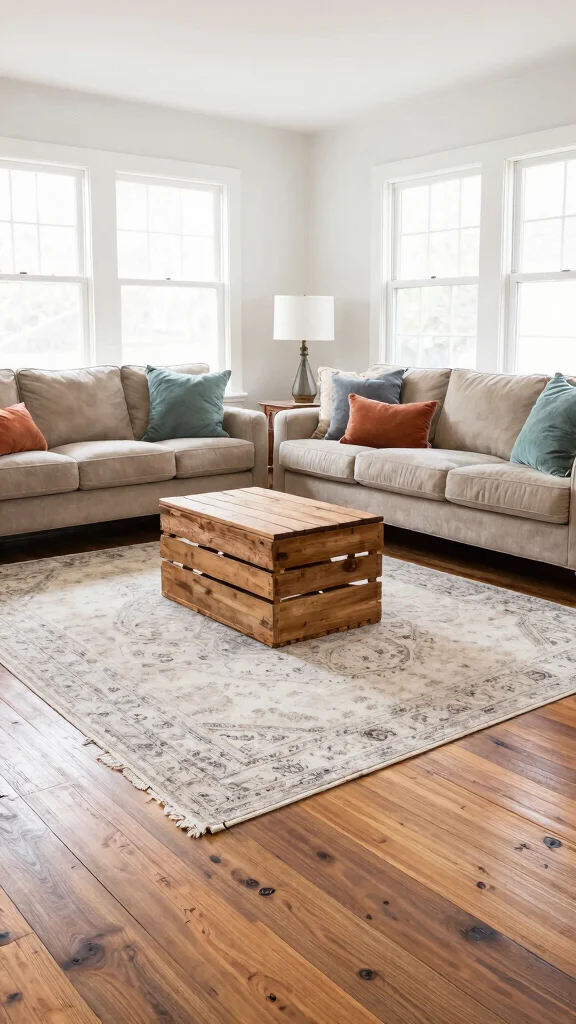
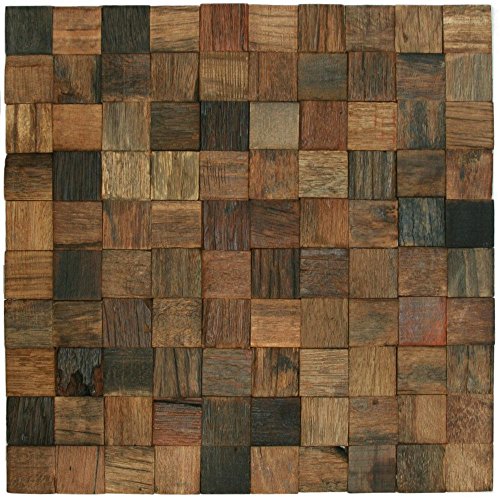
Embracing reclaimed wood flooring brings a delightful touch of rustic charm to your home while also honoring sustainability. This beautiful material, sourced from old barns, factories, or shipping pallets, carries the unique story of its past, with character-filled knots and weathered finishes that add depth to any space.
The beauty of reclaimed wood lies in its authentic appearance, providing a connection to history while offering durability. Its eco-friendly nature means that it often requires less energy to process than new lumber, making it a thoughtful choice for your home. Here are some ideas to integrate reclaimed wood into your design:
– Choose a finish that enhances your style, whether matte or glossy.
– Pair with light-colored walls for a bright and airy ambiance.
– Mix in soft furnishings to create a cozy atmosphere.
– Opt for eco-friendly stains or sealants to maintain its sustainability.
Reclaimed wood fits beautifully in diverse spaces, from charming country homes to sleek urban apartments, ensuring you make a statement while being kind to the planet.


2. Bamboo Flooring: Modern and Sleek
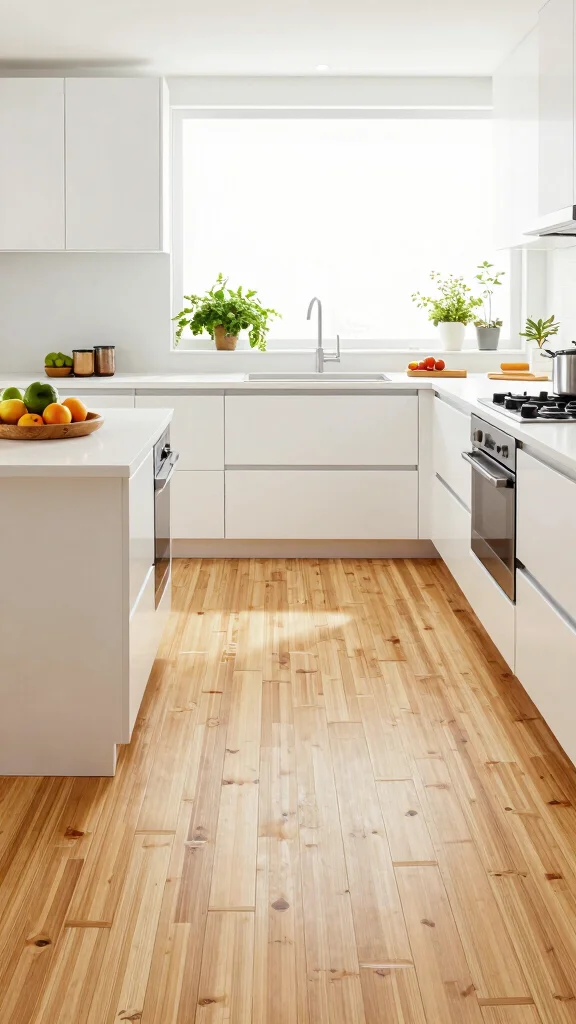
Bamboo flooring is swiftly becoming a favorite for those seeking a modern and sleek look with eco-friendly benefits. This fast-growing grass is one of the most sustainable materials available, presenting a chic aesthetic that enhances any room.
With its durability and moisture resistance, bamboo flooring not only looks great but also adds warmth through its natural patterns. This makes it a perfect fit for contemporary living spaces. Here are some tips to style your bamboo flooring:
– Choose strand-woven bamboo for added strength.
– Opt for lighter shades to create a spacious feel in smaller areas.
– Accessorize with natural fibers like jute or sisal rugs to add contrast.
– Pair with modern furniture to enhance its sleek appeal.
Bamboo flooring serves as a stylish yet functional choice, aligning effortlessly with the demands of modern interiors.
Fun fact: Bamboo flooring grows incredibly fast—ready for use in 3-5 years, making floor designs both stylish and sustainable. Pro tip: Pair its sleek grain with moisture-resistant finishes for a modern, cozy vibe in any room.


3. Cork Flooring: Soft and Sustainable
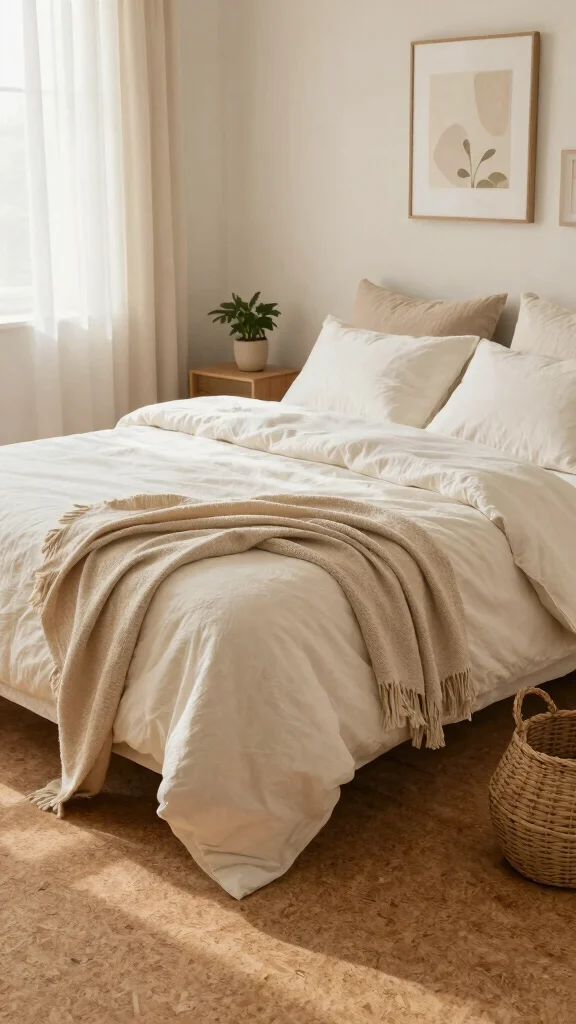
Cork flooring stands out for its softness underfoot and impressive sound-absorbing qualities. Harvested from the bark of cork oak trees, this eco-friendly option is sustainable and doesn’t harm the trees during production.
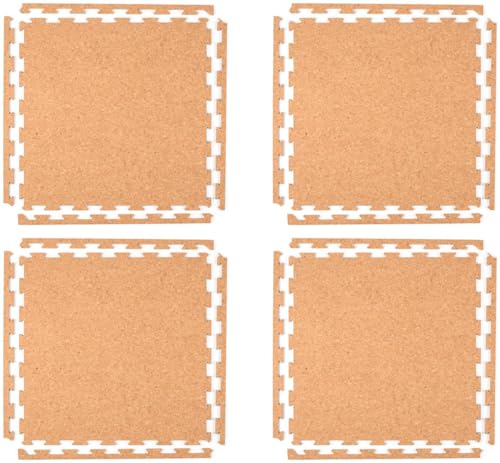
With a variety of colors and patterns available, cork flooring adds a unique and inviting aesthetic to your home. It’s especially perfect for bedrooms and playrooms where comfort is key. Here are some tips for incorporating cork flooring:
– Choose untreated cork for a more organic appearance.
– Consider patterned tiles for a creative and fun twist.
– Pair with light-colored furniture to brighten the space.
– Use area rugs to add warmth and texture.
Cork flooring not only offers visual appeal but also creates a cozy environment for your family.

4. Linoleum: Retro Revival
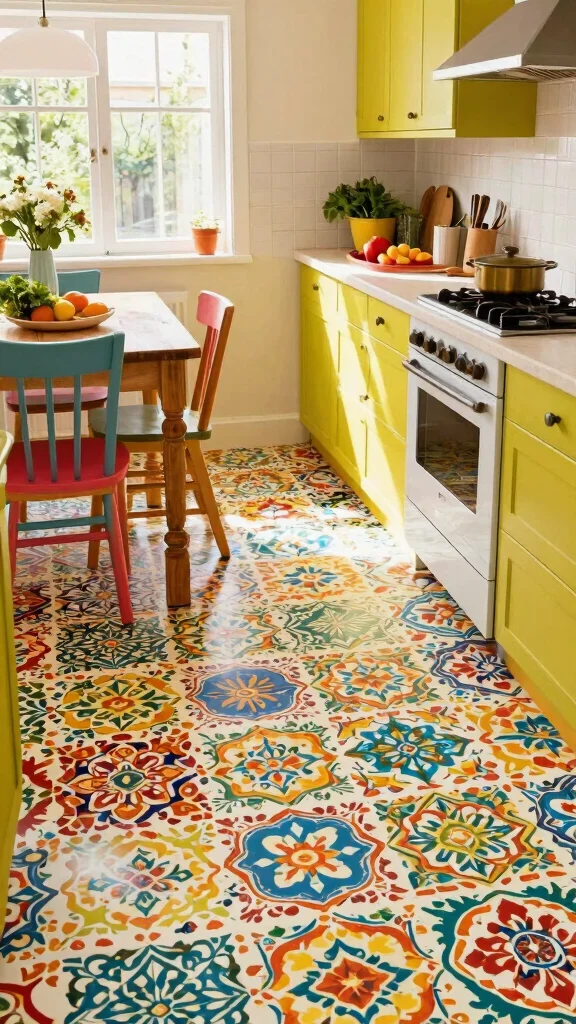
Linoleum is experiencing a delightful resurgence in modern interiors, thanks to its vibrant colors and playful patterns. Made from natural ingredients such as linseed oil, resin, and cork dust, this biodegradable flooring is an eco-friendly choice that also promotes good indoor air quality.
With designs that can mimic wood or stone, linoleum offers a softer underfoot, making it ideal for fun spaces, especially kitchens and children’s rooms. Here’s how to make the most of linoleum:
– Embrace bold colors for a whimsical touch.
– Use patterns to create a striking focal point in your room.
– Combine with eclectic decor to emphasize its retro charm.
– Ensure proper sealing for durability and ease of cleaning.
Linoleum flooring opens up a world of creativity, allowing you to blend functionality with style in your home.
5. Recycled Tile: Creative Patterns
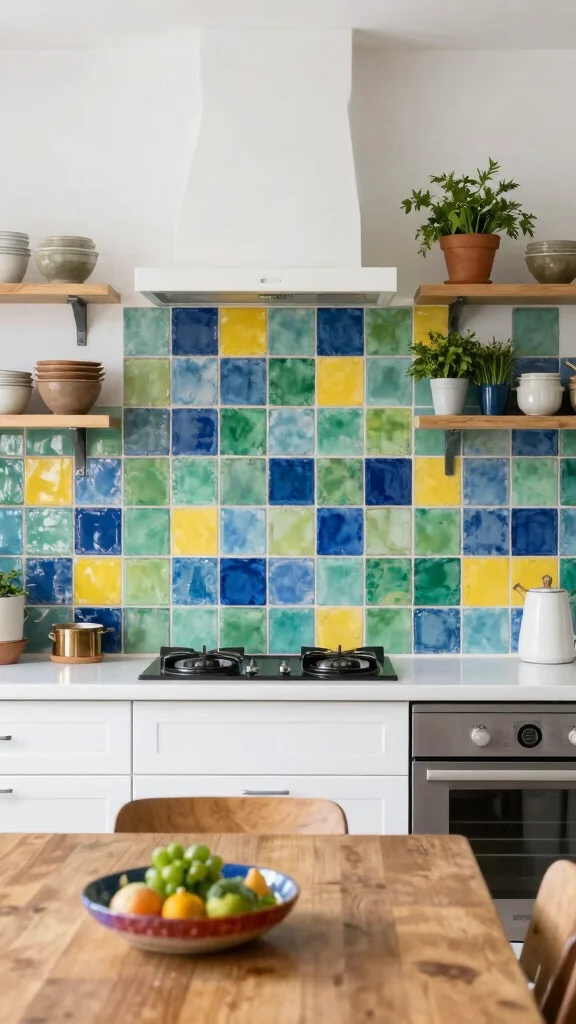
Recycled tiles provide a stunning way to incorporate sustainability into your decor without sacrificing style. Made from repurposed materials like glass and ceramics, these tiles can create colorful, creative patterns that enliven any room.
Perfect for kitchens and bathrooms, recycled tiles offer the opportunity to craft artistic mosaics that make a bold statement. Here are some tips for using recycled tiles:
– Mix different colors for visual intrigue and personality.
– Utilize them as a striking backsplash to elevate your kitchen design.
– Choose contrasting grout to define and enhance patterns.
– Incorporate them in accent areas to maintain balance in smaller spaces.
Recycled tiles not only elevate your design but also reflect your commitment to eco-friendly choices.


6. Terrazzo: Artistic and Durable
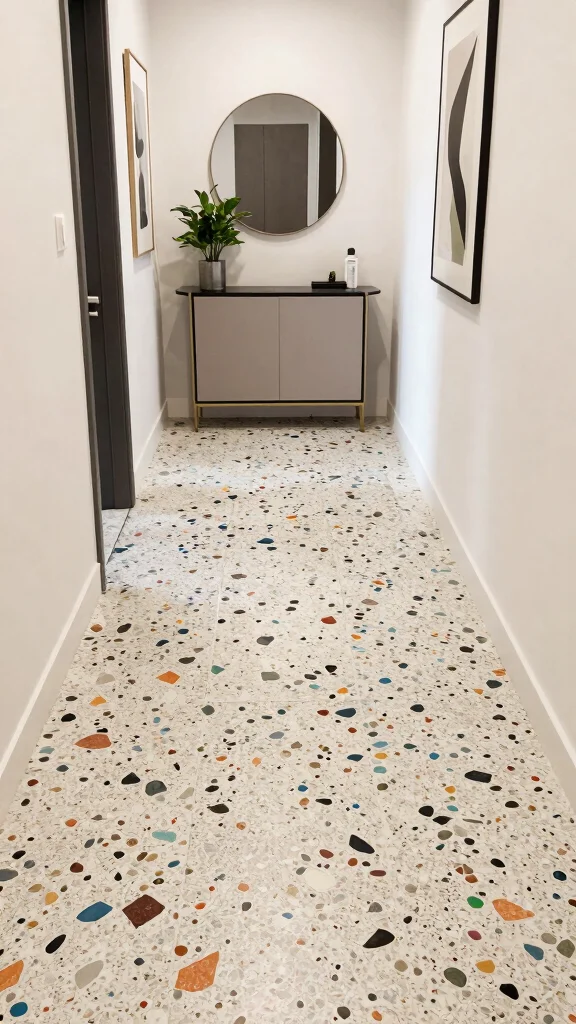
Terrazzo flooring is a timeless option, combining chips of marble, quartz, or glass in a cement base to create breathtaking visuals that can turn any space into a work of art. Exceptionally durable and easy to maintain, it’s an excellent choice for high-traffic areas.
The unique patterns and colors of terrazzo can be customized to fit a variety of design aesthetics, from modern minimalism to vibrant contemporary styles. Consider these tips for incorporating terrazzo:
– Choose unique color combinations that make a statement.
– Pair with simple furnishings to let the floor take center stage.
– Use as a stunning entryway to wow your guests.
– Keep it polished for a sleek look, or unsealed for a rustic feel.
Terrazzo flooring serves as an artistic expression, ensuring your space feels luxurious and distinctive.


7. Natural Stone: Earthy Elegance
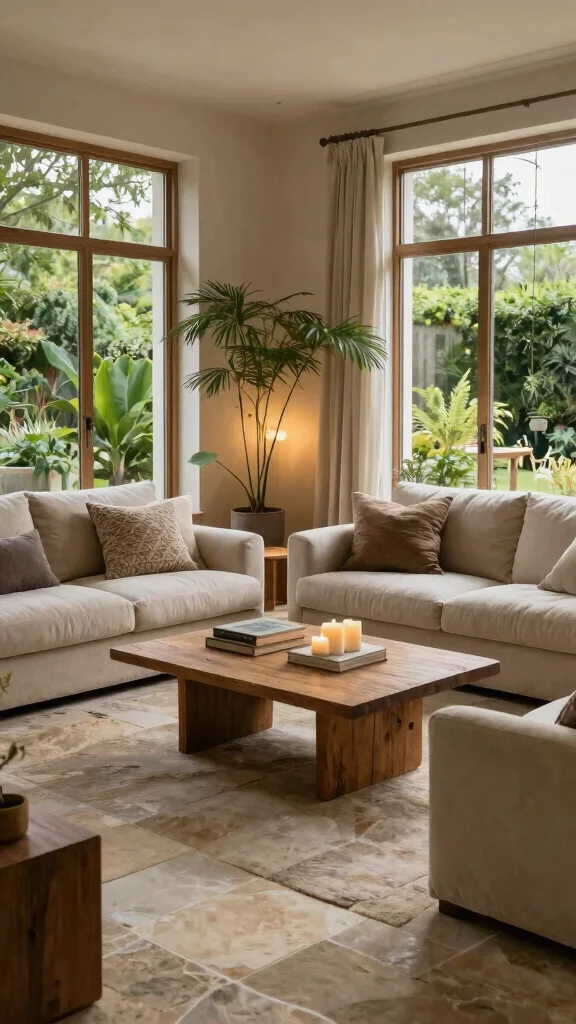
Natural stone flooring, such as slate or limestone, effortlessly brings the beauty of the outdoors inside. With unique textures and rich colors, it creates a warm and inviting atmosphere in any home.
This incredibly durable flooring option is ideal for high-traffic areas and offers great thermal properties, keeping your space comfortable year-round. Here are some styling ideas with natural stone:
– Pair with wooden finishes for a rustic touch.
– Use area rugs to soften the look in living spaces.
– Incorporate large-format tiles for a seamless feel.
– Opt for lighter colors in small spaces to enhance brightness.
Natural stone flooring connects your home to nature, making it a grounding and beautiful choice.
8. Eco-Friendly Carpet: Soft and Stylish
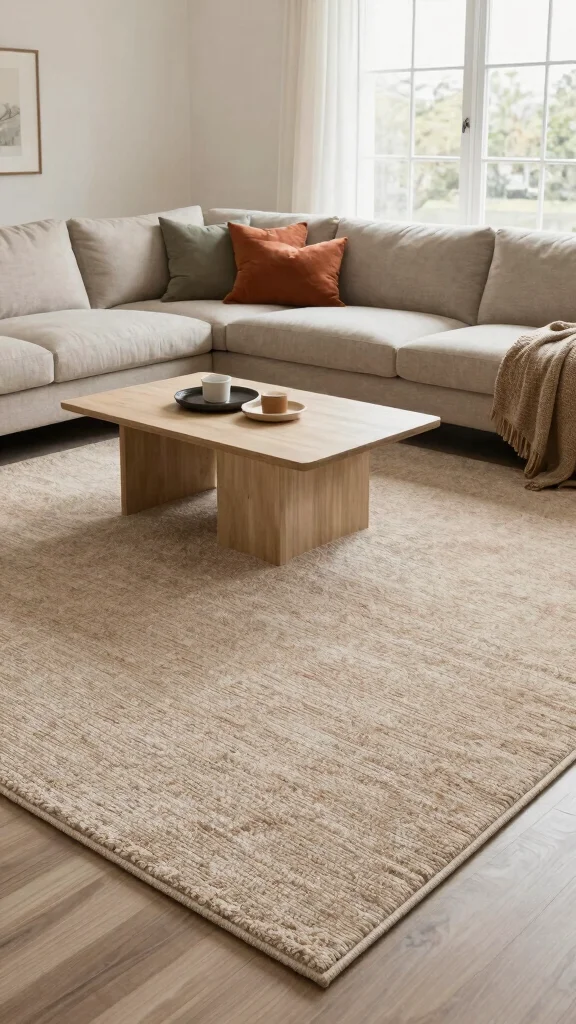
Eco-friendly carpets made from natural fibers like wool or jute provide both comfort and warmth. These carpets are free from harmful chemicals, contributing to healthier indoor air quality while offering a plush surface for your feet.
Available in various textures and colors, you can find eco-friendly carpets that perfectly suit your decor style. Here’s how to incorporate them into your home:
– Choose natural dyes to keep your design sustainable.
– Layer rugs to add depth and texture in larger spaces.
– Opt for low-pile carpets in high-traffic areas for easy maintenance.
– Use non-toxic adhesives and padding to maintain eco-friendliness.
Eco-friendly carpets provide a beautiful foundation for your living spaces, ensuring they are both stylish and sustainable.


9. Concrete: Industrial Chic
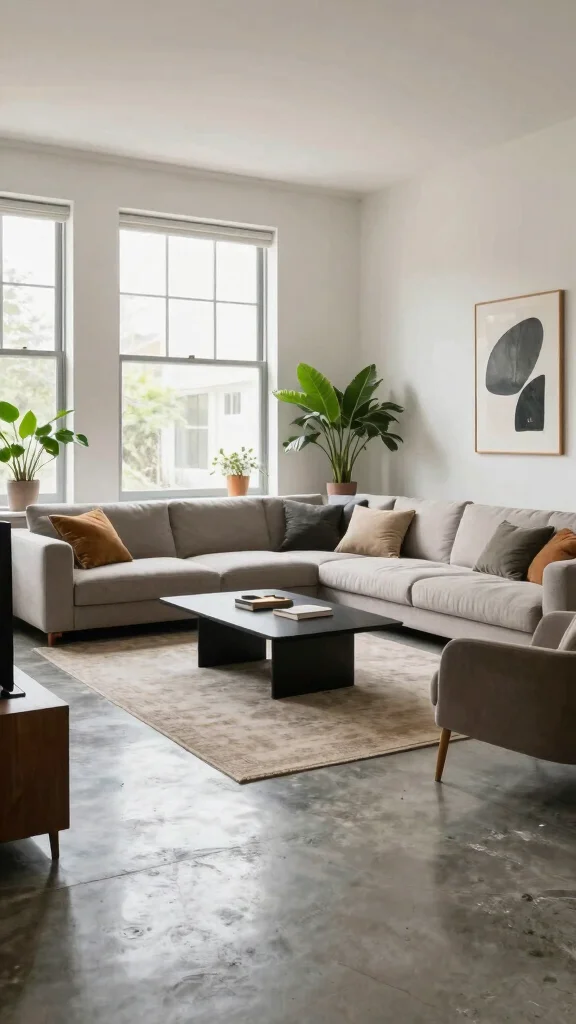
Concrete flooring is a strong choice for those aiming for a modern, industrial aesthetic. Its incredible durability allows for a variety of finishes, from polished to matte, making it adaptable for different styles.
Perfect for both indoor and outdoor use, concrete can effectively complement contemporary spaces. Here’s how to maximize the potential of concrete flooring:
– Stain in bold colors to inject personality.
– Use area rugs to create warmth and define separate spaces.
– Combine with contrasting materials like wood and metal for balance.
– Seal the concrete to enhance durability and simplify cleaning.
Concrete floors create a minimalist yet strong foundation for your design vision.


How To Choose Eco-Friendly Floor Designs
Choosing the right eco-friendly floor designs for your home can be both exciting and overwhelming. With so many options available, it’s essential to consider several factors to ensure you select a flooring solution that fits your needs and style. Here are some critical criteria to help you make an informed decision:
1. Material
Look for sustainable materials like bamboo, cork, or reclaimed wood. These options not only reduce your carbon footprint but also offer unique aesthetics. Bamboo is durable and grows quickly, making it an excellent alternative to traditional hardwoods. Cork is soft underfoot and naturally resistant to mold and mildew, while reclaimed wood adds character and history to any space.
2. Durability
Consider how much wear and tear your flooring will experience. If you have kids or pets, choose options like bamboo or cork that can withstand heavy use. For high-traffic areas, durable materials like tile or engineered wood are ideal choices. Evaluate the lifespan of the flooring material and its resistance to scratches, moisture, and stains to ensure it lasts for years to come.
3. Style
Think about the overall look you want to achieve in your home. Eco-friendly flooring comes in various styles, from rustic reclaimed wood to sleek bamboo. Decide whether you prefer a modern aesthetic or something more traditional. You might also consider how the flooring complements existing furniture and decor. Picking a style you love will ensure you enjoy the space for years to come.
4. Budget
Eco-friendly options can range significantly in price. Set a budget before you start shopping to help narrow your choices. Remember that while some sustainable materials may have a higher upfront cost, they can save you money in the long run due to their durability and low maintenance requirements. Don’t forget to factor in installation costs, as some flooring materials can be trickier to install than others.
5. Maintenance
Different flooring types require various maintenance levels. For instance, while hardwood may need regular refinishing, bamboo or cork can often be cleaned with just a damp mop. Consider how much time and effort you’re willing to invest in upkeep. Choose a flooring option that fits your lifestyle and maintenance preferences.
6. Eco-Certifications
Look for eco-labels and certifications when selecting flooring. Certifications like FSC (Forest Stewardship Council) or LEED (Leadership in Energy and Environmental Design) indicate that the materials meet specific environmental standards. These certifications will help you choose flooring products that are genuinely eco-friendly and sustainably sourced.
Pro Tip: When in doubt, consult with a flooring specialist. They can provide valuable insights into which eco-friendly materials will best suit your home and lifestyle. Don’t hesitate to ask for samples to see how different options look and feel in your space!
By considering these factors, you can find flooring that not only looks good but also reflects your commitment to sustainability. Happy flooring!
10. Vinyl: Affordable and Versatile
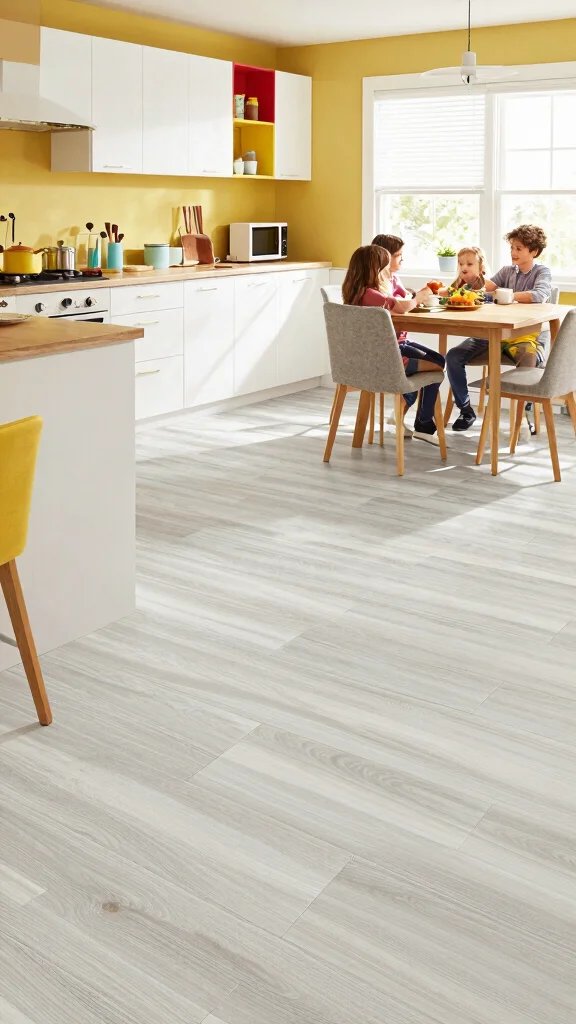
Vinyl flooring has come a long way, offering an affordable yet stylish option for homeowners seeking flexibility. Available in a vast array of designs, including realistic wood and stone looks, vinyl allows for endless customization.
This durable, water-resistant material is easy to maintain, making it perfect for busy households. Here are some tips for using vinyl flooring:
– Choose high-quality vinyl for superior durability.
– Select trendy patterns or textures for added flair.
– Combine with area rugs for a cozy touch.
– Use in kitchens and bathrooms for practical, stylish solutions.
With its affordability and versatility, vinyl flooring is the ideal choice for creating beautiful spaces without straining your budget.


11. Eco-Friendly Vinyl: Sustainable Choices
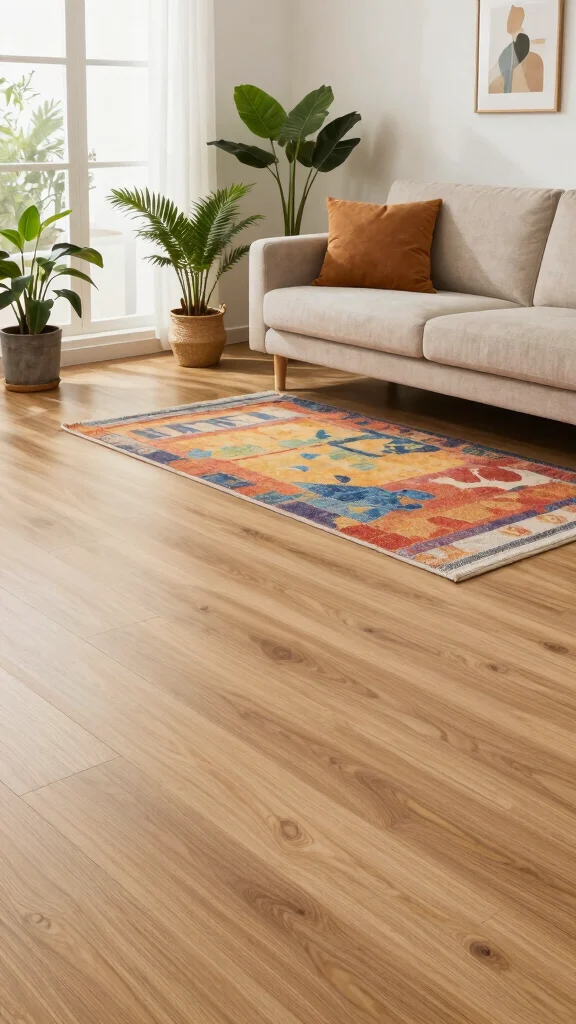
For those who appreciate the look of vinyl but care about the environment, eco-friendly vinyl options are a great solution. Made from recycled materials, these products deliver the same durability and design versatility as traditional vinyl without the environmental drawbacks.
Eco-friendly vinyl requires the same easy maintenance as its conventional counterpart but supports a more sustainable lifestyle. To make the most of eco-friendly vinyl:
– Choose certified products to ensure their sustainable quality.
– Mix and match patterns for a unique expression.
– Maintain regularly for lasting beauty.
– Utilize in high-traffic areas for both durability and style.
This flooring option allows you to enjoy modern aesthetics while supporting eco-friendly practices.
12. Whimsical Mosaic: Pattern Play
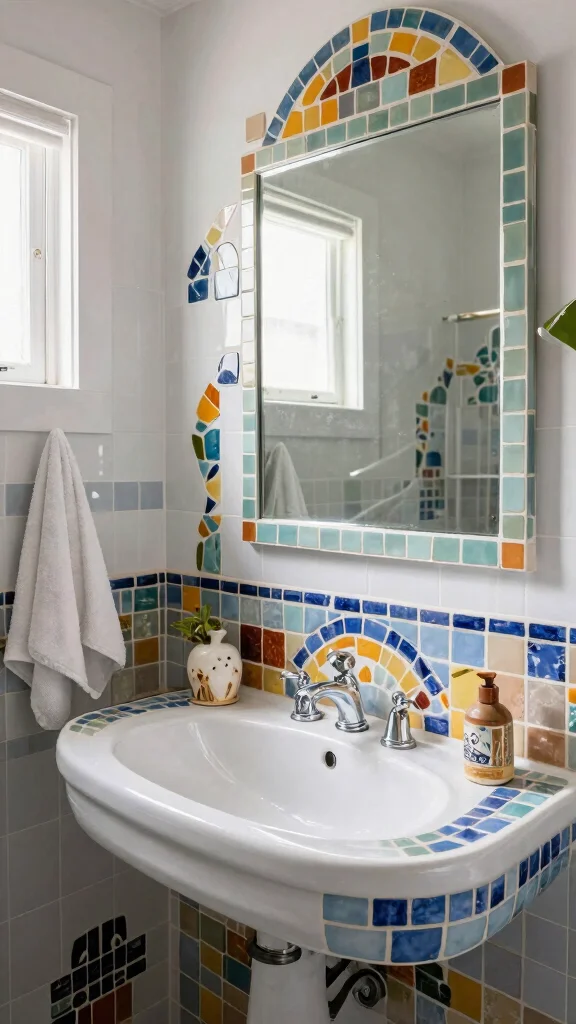
Whimsical mosaic tiles introduce a playful element to your flooring. Crafted from various materials, including glass and ceramics, these tiles can create vibrant designs that reflect your unique personality.
Mosaic flooring shines in small spaces, like bathrooms or entryways, where it can serve as a stunning focal point. Here are some tips to implement mosaic flooring effectively:
– Choose a color palette that complements your overall decor theme.
– Mix large and small tiles for added depth and dimension.
– Incorporate mosaics in unexpected areas for delightful surprises.
– Use grouting strategically to highlight patterns.
Whimsical mosaics invite creativity, transforming floors into eye-catching art pieces.
Whimsical mosaic proves that floor designs can tell a story. Mix glass and ceramic tiles in bold colors, and you’ll see small spaces feel bigger and brighter; no heavy remodeling required.
13. Neutral Textures: Subtle Elegance
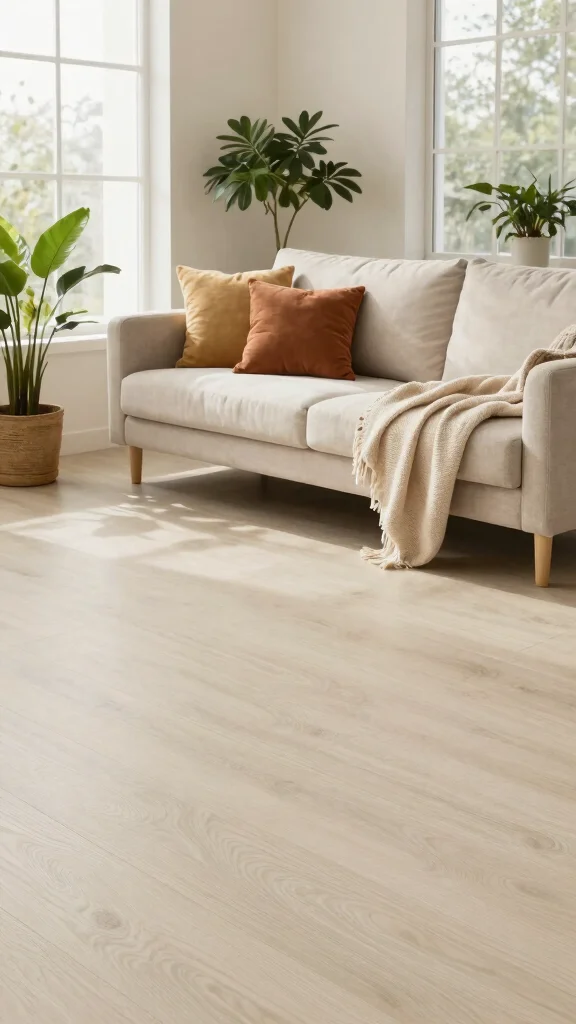
Neutral textured flooring creates a calming backdrop, allowing other decor elements to shine. Options like textured carpets or sandy-colored tiles provide a serene environment for any room.
These subtle designs are versatile and can be dressed up or down with colorful accents or luxurious textures. Here’s how to enhance neutral textured flooring:
– Layer colorful rugs to add visual interest.
– Use bold furniture to create striking contrast.
– Incorporate various textures in decor for depth.
– Utilize natural materials to maintain a cohesive look.
Neutral textures promote a relaxed atmosphere, enabling personal expression through decor choices.
14. Artistic Epoxy: Modern Masterpiece
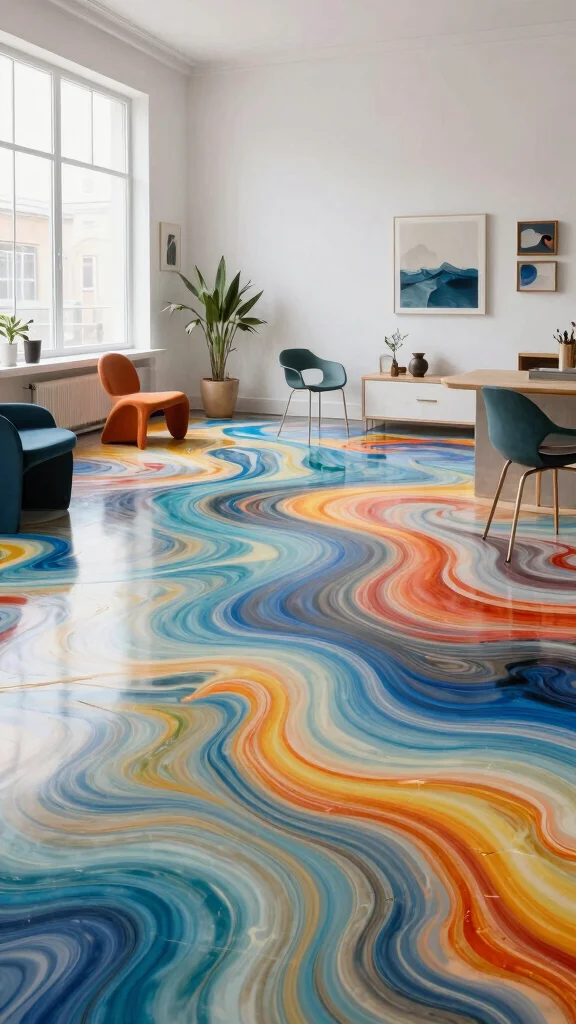
Artistic epoxy flooring is a creative way to express your personality while providing a durable surface. Poured directly onto the subfloor, it can showcase vibrant colors and intricate designs, offering a unique way to personalize your space.
Ideal for modern interiors, artistic epoxy creates a seamless, easy-to-maintain look. Here are some tips to enhance your artistic epoxy floors:
– Experiment with bold colors for a statement.
– Consider patterns or images to add uniqueness.
– Seal properly for durability and shine.
– Incorporate reflective elements to brighten the space.
Artistic epoxy flooring transforms your home into a stunning work of art.
15. Vintage Parquet: Timeless Beauty
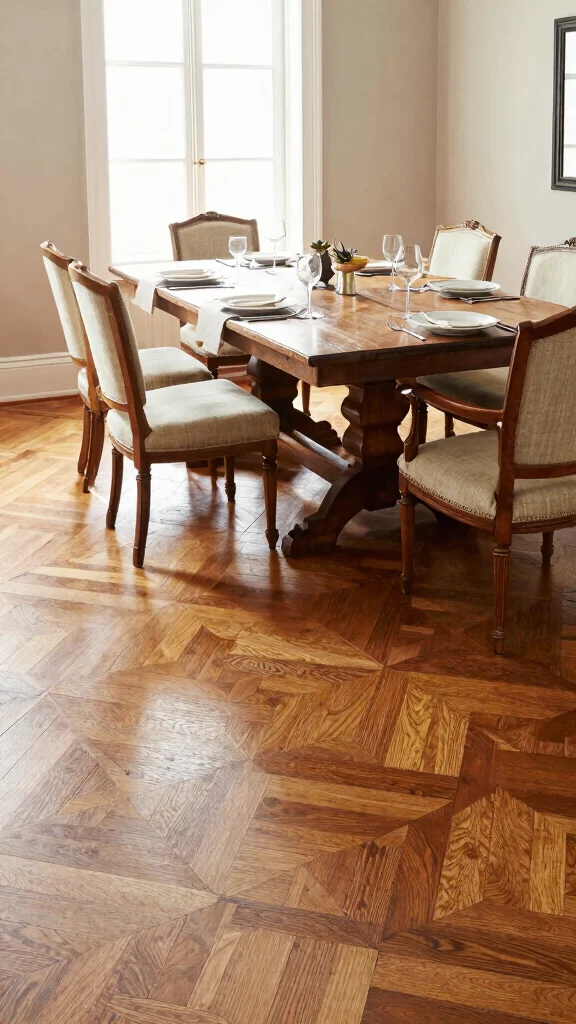
Vintage parquet flooring brings classic elegance to any space. Composed of small wood pieces arranged in geometric patterns, it exudes sophistication while telling a rich story through its craftsmanship.
Beautiful and durable, parquet flooring can stand the test of time with proper maintenance. Here’s how to integrate vintage parquet into your decor:
– Choose traditional patterns for a classic aesthetic.
– Use area rugs to soften the overall look.
– Maintain with natural oils to keep the wood fresh.
– Pair with vintage furniture for a cohesive style.
Vintage parquet flooring adds a touch of timeless beauty, blending history with modern comfort.
16. Green Carpet Tiles: A Sustainable Choice
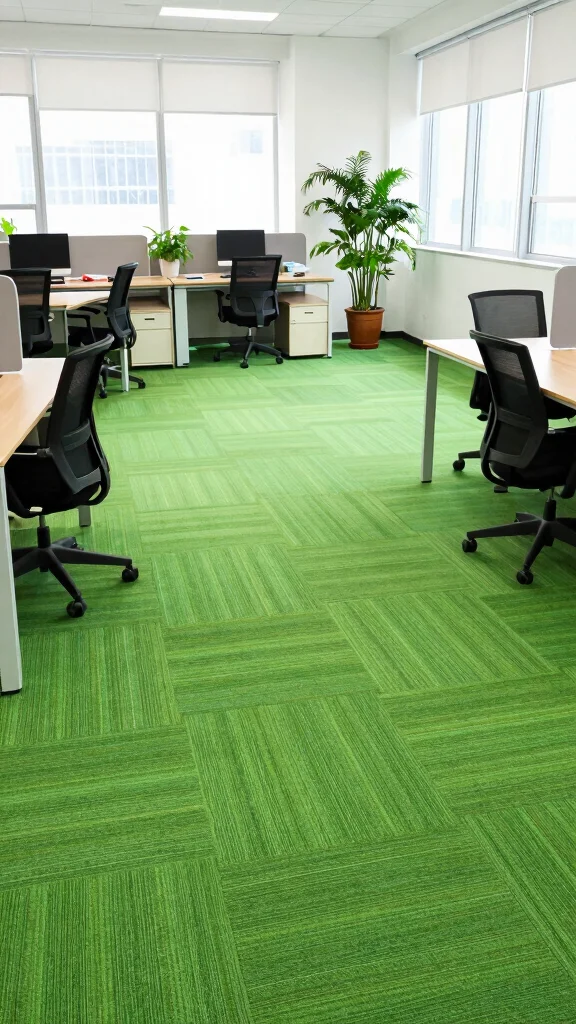
Carpet tiles made from recycled materials offer a flexible and eco-friendly flooring solution. Easily installed, changed, or replaced, they’re perfect for versatile spaces. With a variety of colors and patterns, you can create layouts that suit any interior style.
Here’s how to effectively use green carpet tiles:
– Create fun patterns or designs for a unique floor.
– Use in commercial spaces for durability and easy maintenance.
– Mix colors to fit your design scheme.
– Incorporate sound-absorbing properties for comfort in busy environments.
Green carpet tiles blend function and style, making them an intelligent choice for eco-conscious living.


17. Minimalist Epoxy: Sleek and Modern
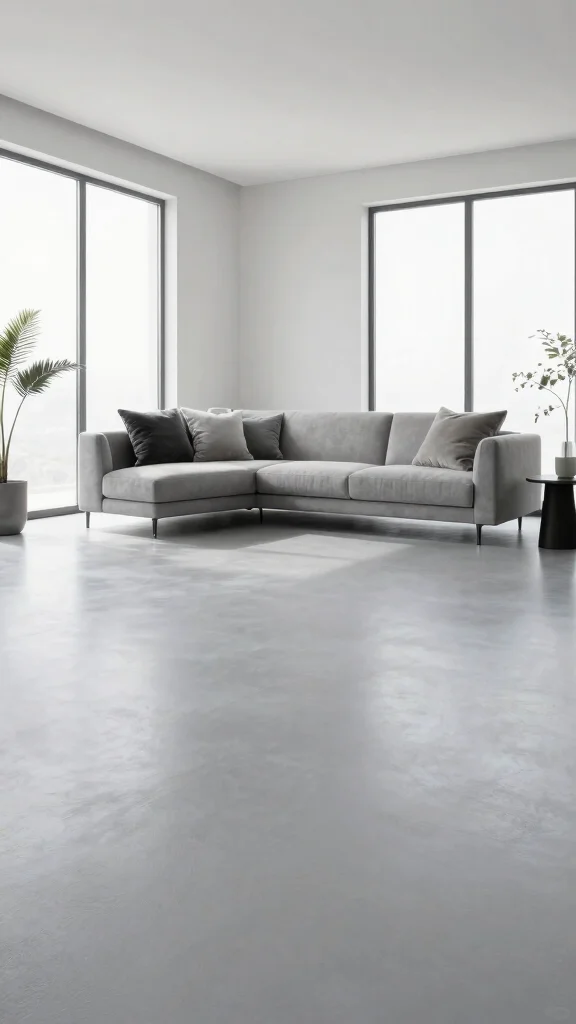
Minimalist epoxy flooring promotes a clean, uncluttered aesthetic while remaining stylish. Often used in modern homes, it embodies simplicity and functionality. Available in neutral tones, minimalist epoxy brightens your space while providing a practical surface.
Here are some ideas to enhance minimalist epoxy flooring:
– Keep decor simple to highlight the floor’s sleek design.
– Incorporate geometric shapes for added interest.
– Mix textures with soft furnishings or natural elements.
– Use lighting strategically to accentuate the floor’s polish.
Minimalist epoxy flooring creates a modern, airy feel while ensuring durability and easy upkeep.
18. Textured Tile: Adding Depth
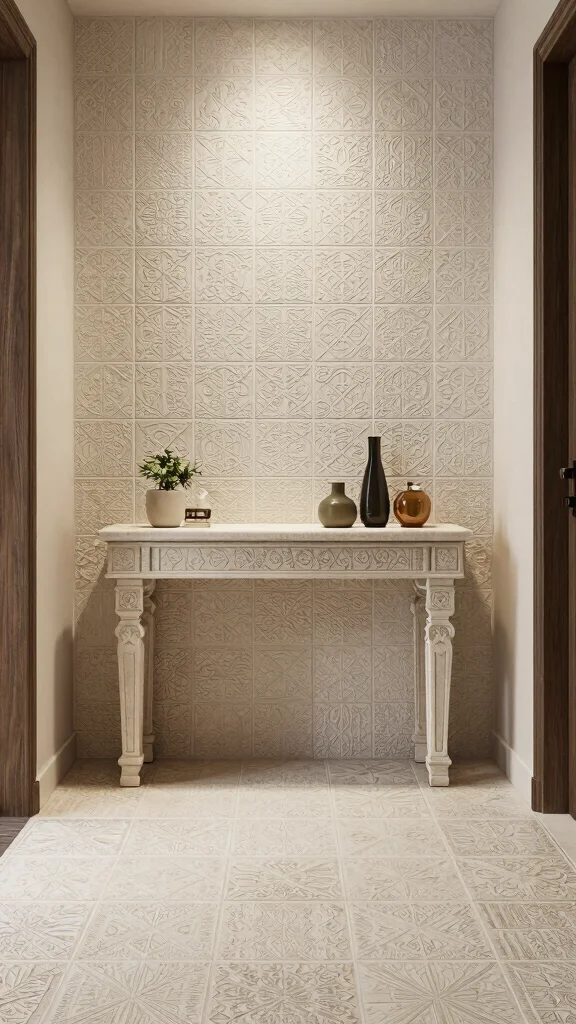
Textured tiles bring depth and visual interest to your flooring while remaining practical. Available in various finishes like matte, glossy, or embossed, these tiles craft a beautiful foundation for any room.
Their durability and slip-resistant properties make them especially effective in high-traffic areas. To incorporate textured tiles into your home:
– Combine textures and colors for a unique look.
– Use as a feature wall for added drama.
– Mix with smooth surfaces to create contrast.
– Inspect for quality to ensure longevity.
Textured tiles offer endless possibilities for personal expression, harmonizing practicality with stunning design.
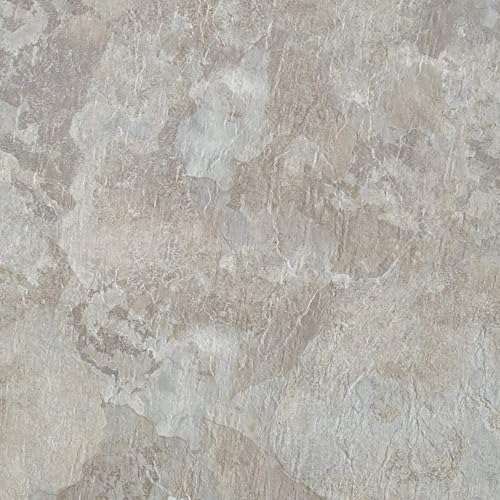
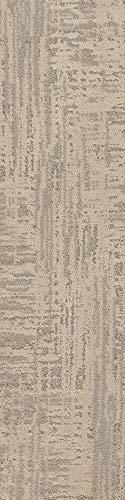


19. Gypsum Board Flooring: The New Wave
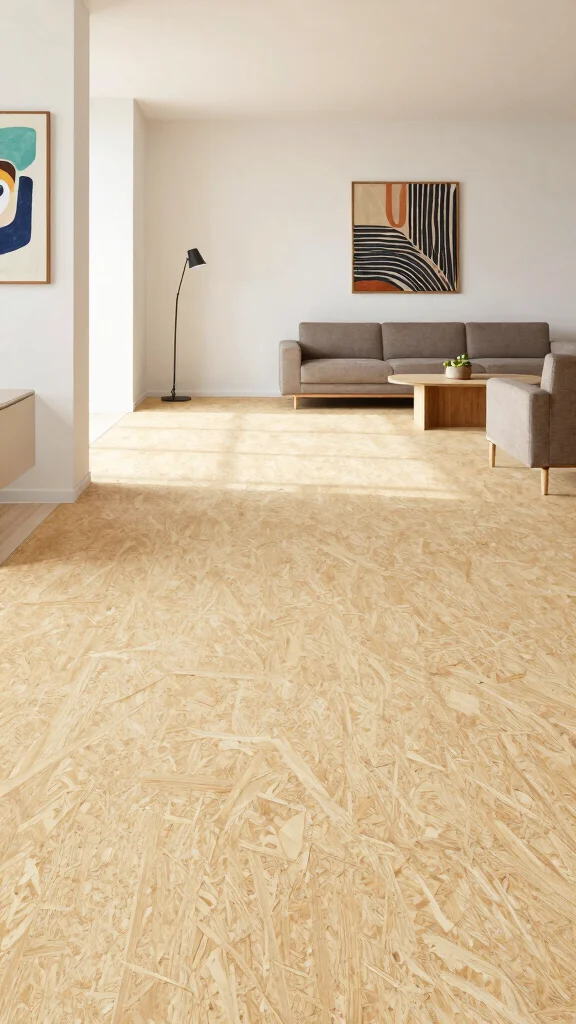
Gypsum board flooring is an innovative, eco-friendly solution gaining attention in the design world. Although relatively new, it offers a unique aesthetic and is lightweight and easy to install.
Gypsum is also mold-resistant, providing excellent thermal insulation for your home. Here’s how to effectively use gypsum board flooring:
– Combine with natural woods for a balanced look.
– Incorporate subtle colors for a refreshing vibe.
– Keep decor simple to let the flooring shine.
– Use in moisture-prone areas for enhanced durability and safety.
Gypsum board flooring represents a forward-thinking choice for those looking to embrace sustainable design.
20. Customizable Flooring: Personalized Style
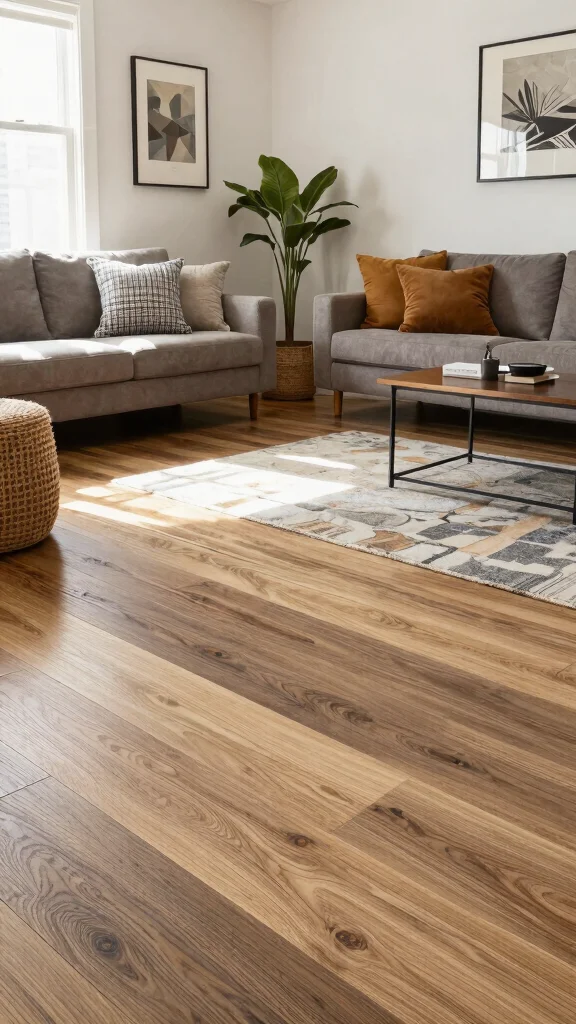
Customizable flooring options empower homeowners to express their unique style. With a range of materials, shapes, and patterns available, you can create a floor that perfectly aligns with your aesthetic vision.
This approach allows for personalized tiles or bespoke designs that resonate with your individuality. Here are ways to customize your flooring:
– Combine materials for a layered effect.
– Use various shapes to create unique patterns.
– Incorporate personal artwork into your design.
– Consider eco-friendly materials for sustainable choices.
Customizable flooring enhances your space, making it a true reflection of your personality and style.
Did you know that 42% of homeowners choose customizable flooring to reflect personal style? Mix materials, shapes, and personal artwork to create floor designs that tell your story.
Conclusion
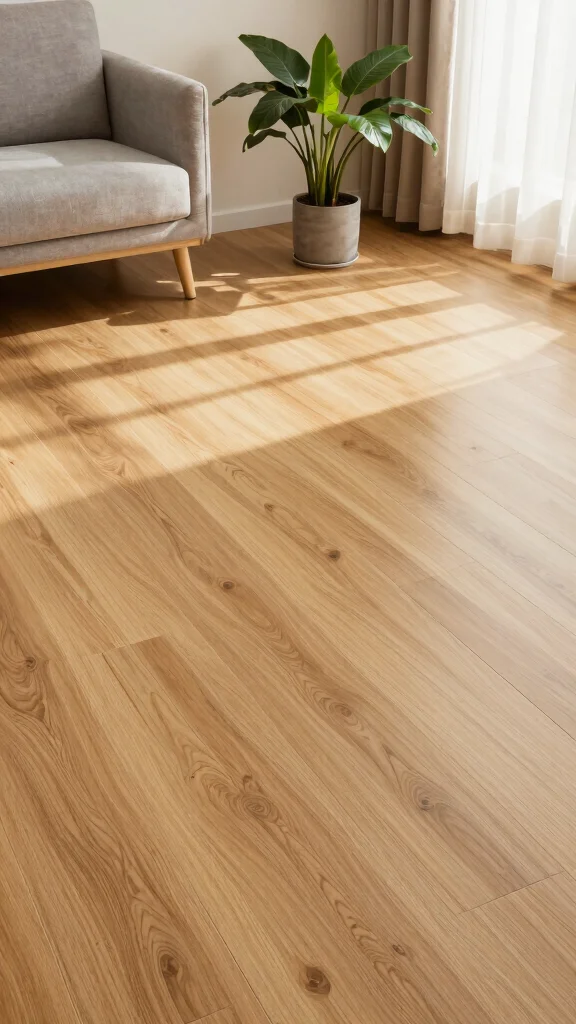
The world of eco-friendly floor designs is vast and vibrant, offering a plethora of options for every style and preference. From reclaimed wood to modern epoxy, there’s something for everyone looking to enhance their space sustainably. Consider these ideas as a way to express your individuality while also caring for the environment. Your flooring choice can truly set the tone for your entire home, making it a cherished sanctuary.
Frequently Asked Questions
What are eco-friendly floor designs that fit with modern interior design trends?
Eco-friendly floor designs can blend sustainability with style. Consider materials like bamboo, cork, reclaimed wood, linoleum, and recycled-content porcelain for floor designs that feel fresh and durable.
Look for certifications such as FSC, GREENGUARD, or SCS to ensure low environmental impact and align with interior design trends.
For modern floor styles, pair light, warm woods with matte finishes or terrazzo that uses recycled glass chips as a striking decorative floor concept. When choosing, balance aesthetics with maintenance and budget, and seek suppliers who share transparent life-cycle information to guide your home flooring ideas.
How can I achieve sustainable home decor with floor designs while staying on budget?
Smart planning helps you get eco-friendly floor designs without breaking the bank.
Start with durable materials like porcelain tile, LVT with recycled content, or refinished hardwood, which last longer and lower replacement costs.
Look for salvaged or pre-owned wood, bamboo, or cork as affordable sustainable options.
Favor modular or DIY-friendly options, and choose low-VOC finishes and sealants to keep living spaces healthier.
Compare quotes, factor in maintenance costs, and choose options that deliver ongoing home flooring ideas and long-term value aligned with decorative floor concepts.
What are the best materials for durable and stylish floor designs for high-traffic areas?
For busy homes, durability matters as much as looks.
Porcelain or ceramic tile, engineered hardwood with durable wear layers, and high-quality luxury vinyl tile (LVT) with recycled content are top choices for floor designs that survive pets, kids, and foot traffic.
Eco-friendly options include porcelain with low-impact production and bamboo engineered wood from responsibly managed forests.
Consider slip-resistant finishes and easy maintenance, and balance with color and pattern to create modern floor styles that wear well.
How do I choose floor designs to match different interior styles while being eco-friendly?
Identify your base palette and texture goals, then pick sustainable materials that fit each style.
Scandinavian loves light timber and airy surfaces; industrial can embrace concrete-look with eco-friendly sealers; farmhouse favors wide-plank reclaimed wood or ceramic tile with warm tones; minimalist uses clean lines in neutral colors.
Use decorative floor concepts like border patterns or subtle inlays using recycled materials to add character without sacrificing sustainability.
Always check life-cycle labeling and certifications to keep choices aligned with interior design trends and decorative floor concepts.
What maintenance tips keep eco-friendly floor designs looking new for years?
Regular maintenance extends the life of eco-friendly floor designs.
Use pH-neutral cleaners and avoid wax on surfaces that don’t require it; use floor mats to trap dirt and protect high-traffic areas.
Control humidity to prevent warping in wooden floors, and reseal or re-coat surfaces as recommended by manufacturers.
Follow warranty guidelines and consider periodic refinishing to preserve the look of your decorative floor concepts and overall home flooring ideas.
Related Topics
home decor
floor designs
eco-friendly flooring
modern floor styles
interior design trends
creative flooring solutions
sustainable home decor
decorative floor concepts
beginner friendly
budget friendly
minimalist design
natural materials