Expert Home Style – For the Price of a Coffee ($3.90)
Master high-end design secrets (Tuscan, Modern) without the expensive consultants.
🛒 Buy NowIf you’ve ever stared at your basement floor and felt a mix of confusion and frustration, you’re not alone. Choosing the right flooring for moisture-prone areas can feel daunting, especially when you want to create a welcoming space or simply refresh a neglected area. This post is here to guide you through an exciting journey of basement floor ideas. Whether you have a finished space begging for a stylish update or an unfinished basement waiting for a makeover, there’s something for you here.
This guide is perfect for homeowners looking to revitalize their basements. If you’re passionate about home decor or simply want a cozy gathering spot for family and friends, you’ll find inspiration in the unique basement flooring options we highlight. From trendy surfaces to practical materials, get ready to explore 20 fantastic ideas that will not only enhance the beauty of your basement but also address common issues like moisture and durability.
In this post, you’ll discover creative basement decor ideas and practical renovation tips. You’ll learn about various flooring materials, their benefits, and how they match different basement designs. Whether you’re planning a DIY project or hiring professionals, these insights will help you make informed decisions and turn your basement into a space you love.
Key Takeaways
– Explore a range of basement flooring options, including durable epoxies and cozy carpet tiles, to suit any style and need.
– Understand how moisture-resistant materials can enhance the longevity of your flooring choices.
– Discover basement decor ideas that can transform your space into a functional and inviting area.
– Get practical basement renovation tips to ensure your flooring installation goes smoothly and effectively.
– Learn how proper insulation and ventilation are essential for maintaining a healthy basement environment.
Contents
- 1. Durable Epoxy Flooring
- 2. Luxury Vinyl Plank (LVP)
- 3. Stained Concrete
- 4. Carpet Tiles
- 5. Rubber Flooring
- 6. Laminate Flooring
- 7. Bamboo Flooring
- 8. Tile Flooring
- 9. Cork Flooring
- 10. Composite Decking for Basements
- 11. Floating Floors
- 12. Painted Floors
- 13. Plank Vinyl Flooring
- 14. Stone Flooring
- 15. Installing Drainage Systems
- 16. Updated Insulation
- 17. Modular Flooring Systems
- 18. Textured Vinyl Flooring
- 19. Raised Flooring Systems
- 20. Proper Ventilation


1. Durable Epoxy Flooring
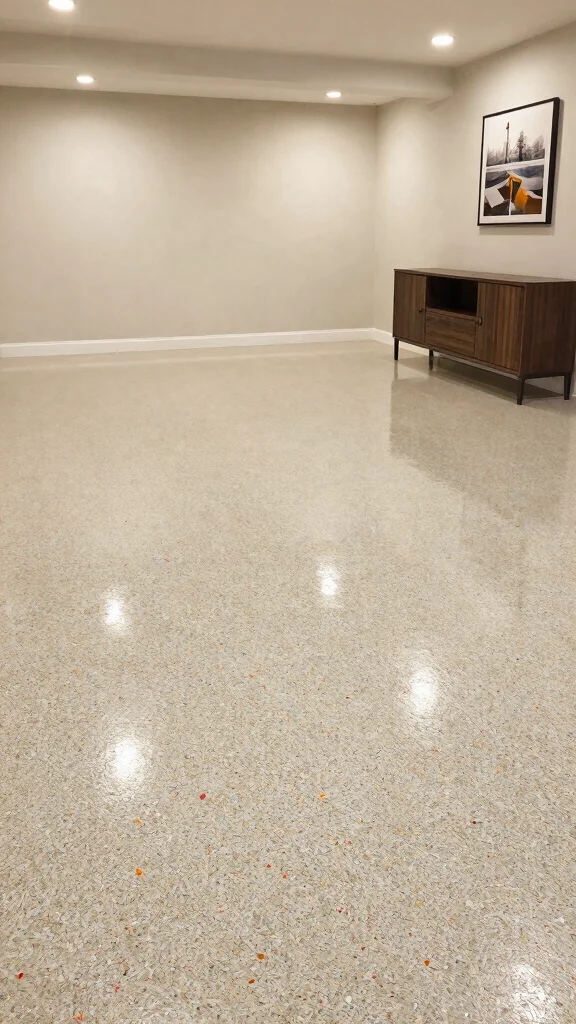
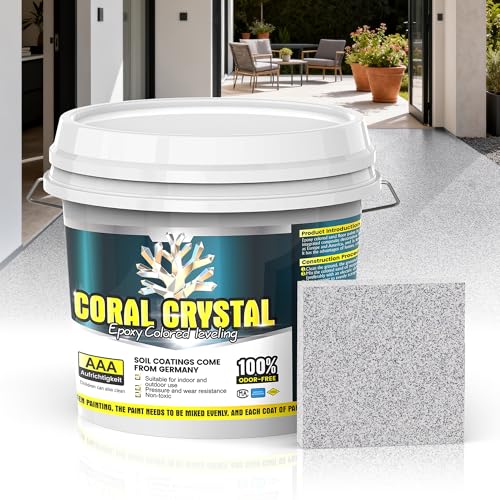
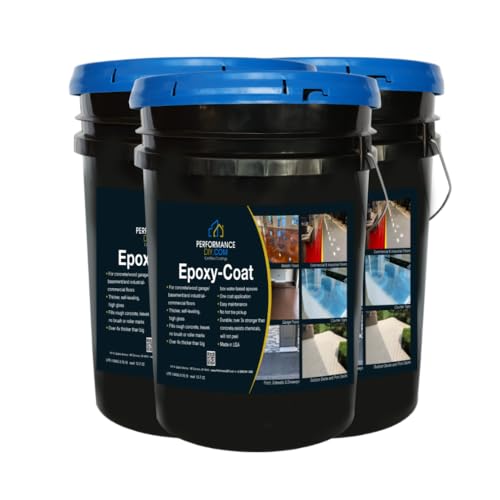
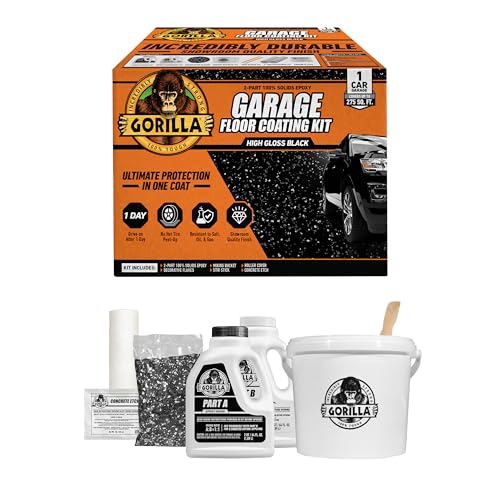
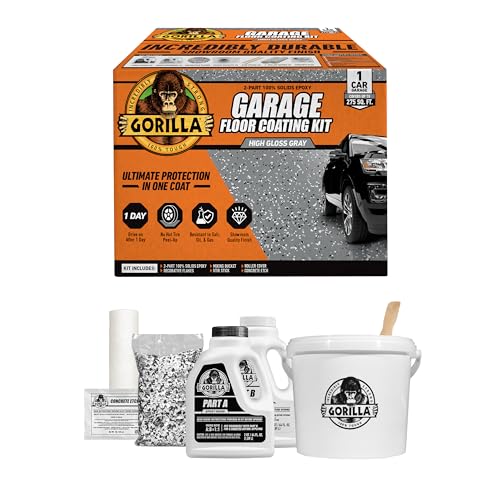
Epoxy flooring stands out as a superb option for basements, especially when facing moisture challenges. This resilient surface not only offers a brilliant shine but also boasts remarkable resistance to water damage, creating a space that feels polished and inviting.
Its effectiveness comes from the way muted colors harmonize with the glossy finish, enhancing the overall ambiance of your basement. For instance, pairing a deep blue epoxy with flickers of bright white can provide a modern yet cozy feel.
Consider these tips to unlock the full potential of epoxy flooring:
– Pair decorative flakes with your epoxy for added texture.
– Install it in a temperature-controlled environment for best results.
– Use warm lighting to accentuate the shine and colors.
This flooring solution not only elevates your basement’s aesthetic but also adds a layer of durability, ensuring a stylish space that lasts through years of use.

How To Choose The Right Basement Flooring
When selecting the perfect basement floor, you need to consider several key factors. The right choice will depend on your specific needs, moisture levels, and style preferences. Here’s a detailed guide to help you navigate the various basement flooring options available.
1. Moisture Resistance
Basements are often prone to moisture, which can lead to mold and damage. Choose moisture-resistant flooring materials such as vinyl, tile, or epoxy. These options can withstand damp environments and keep your space safe and dry. Always check the moisture levels in your basement before making a choice.
2. Durability
Consider how much wear and tear your basement floor will experience. If you plan to use the space for activities or heavy furniture, opt for durable materials like laminate, rubber, or stained concrete. These options can handle heavy foot traffic and are less likely to get damaged over time.
3. Comfort and Insulation
A cold basement can be uncomfortable. Think about the insulation properties of your flooring. Carpet tiles or cork flooring can provide warmth and comfort. If you prefer hard surfaces, ensure you add underlayment for extra insulation and comfort.
4. Aesthetic Appeal
Your basement can be more than just a storage space; it can be a stylish extension of your home. Explore different basement decor ideas that match your personal style. From sleek tiles to colorful carpet tiles, choose a flooring option that complements your design vision while ensuring functionality.
5. Budget
Determine your budget before starting your flooring project. Some materials like carpet tiles may be more affordable and easier to install, while others like luxury vinyl plank or stone flooring can be pricier but may offer better longevity. Always include installation costs in your budget estimate.
6. Installation Method
Consider how the flooring will be installed. Some options, like laminate and vinyl planks, can be DIY-friendly, while others may require professional installation. If you’re not handy, factor in the costs of hiring a professional into your budget.
Pro Tip: Always test samples of flooring materials in your basement before committing. Seeing how the flooring looks in your actual space, combined with your lighting, will help you make the best choice for your basement floor.
Choosing the right basement flooring requires balancing style, practicality, and budget. By focusing on these critical aspects, you can create a beautiful, functional basement that meets all your needs.
2. Luxury Vinyl Plank (LVP)
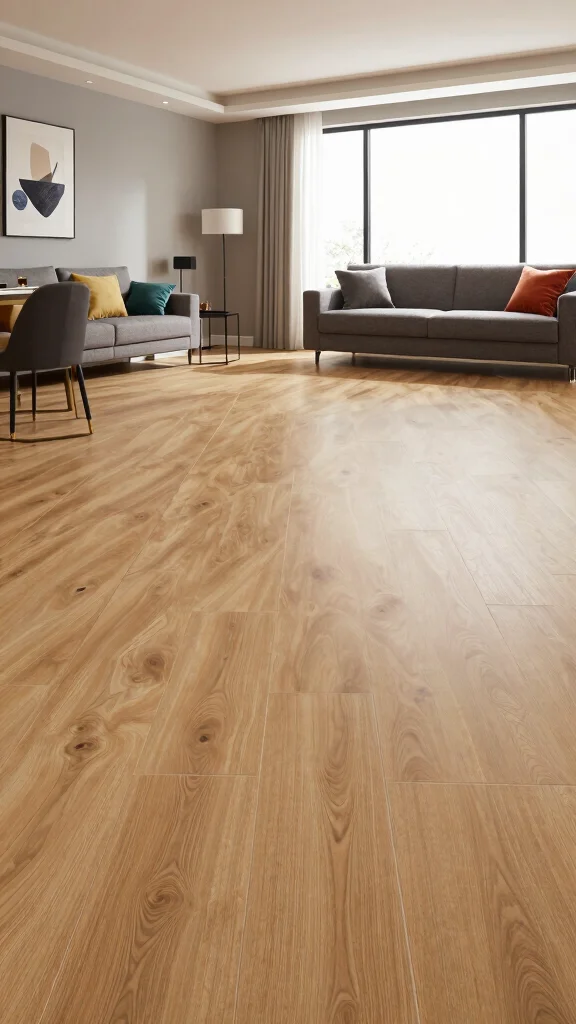
Luxury Vinyl Plank (LVP) has become a favored choice for basements, blending elegance with practicality. Designed to resemble high-end materials like wood and stone, LVP provides a chic look without straining your budget.
This flooring option flourishes in its ability to resist moisture while offering comfort underfoot, making it ideal for busy households. The versatility of LVP allows you to create a serene environment, whether you opt for light oak tones or rich walnut finishes.
Explore these ideas to enhance your LVP experience:
– Pair LVP with colorful area rugs for warmth.
– Use soft, neutral shades to foster a calming atmosphere.
– Incorporate natural wood accents to complement the flooring.
This stylish flooring not only adds a touch of luxury to your basement but also ensures it remains practical and comfortable for everyday use.


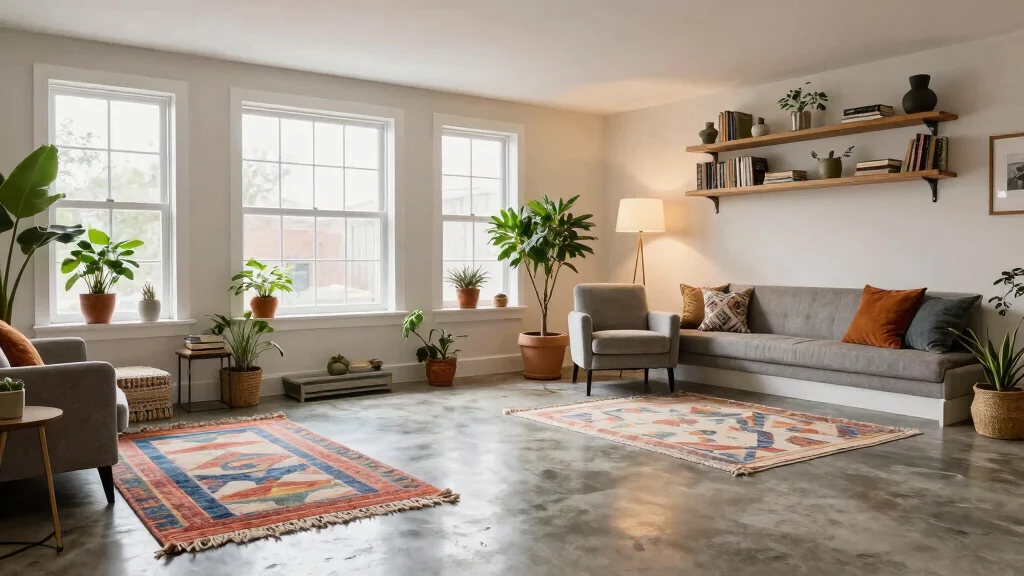
3. Stained Concrete
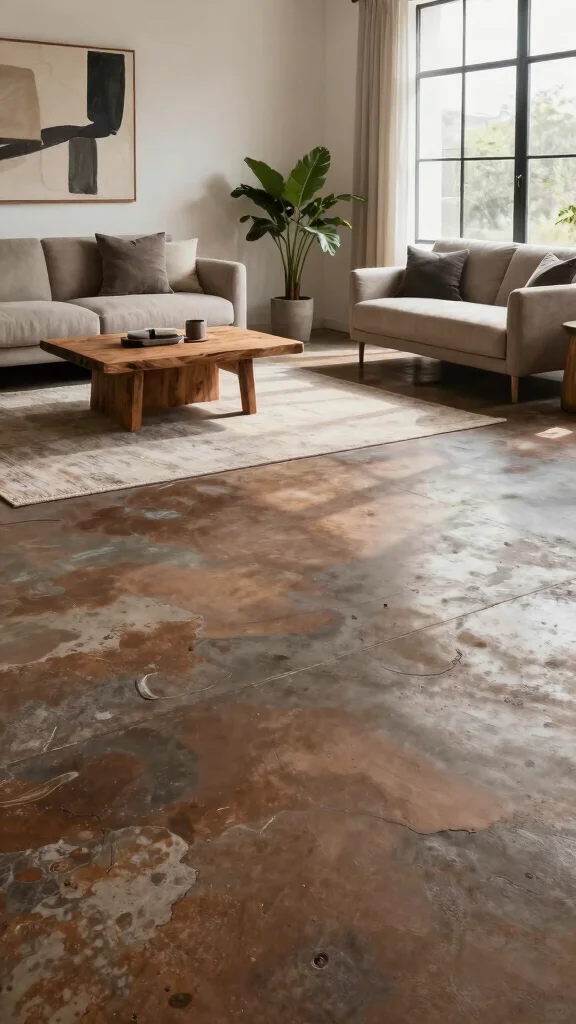
Stained concrete flooring brings an appealing industrial vibe to your basement, merging durability with aesthetic charm. This option is not only visually striking but also highly resilient, making it perfect for areas that may face moisture.
The beauty of stained concrete lies in its customization; you can choose from a variety of colors and finishes to create a unique look that suits your personal style. Its sleek surface can effortlessly enhance both modern and rustic themes.
Consider these tips to make the most of stained concrete:
– Use contrasting furniture for added visual interest.
– Incorporate soft textiles, like rugs and cushions, to warm up the space.
– Ensure a proper seal after staining for longevity.
This flooring choice not only sets a stylish foundation but also ensures your basement is welcoming and comfortable.


4. Carpet Tiles
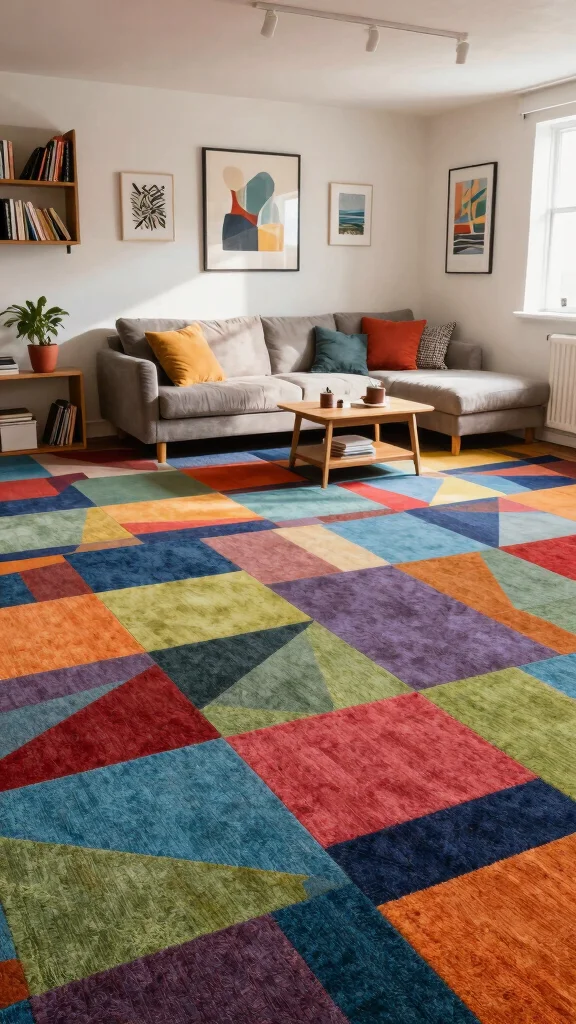
Carpet tiles offer a cozy and inviting option for basement spaces, perfect for those who prioritize comfort. They provide great versatility and are easy to replace if needed, making them a practical choice for any household.
The potential for creativity shines with carpet tiles, as you can mix and match colors and patterns to create a playful atmosphere. Installing them is simple, requiring just a few adhesive strips or Velcro backing to keep them in place.
Maximize the benefits of carpet tiles with these suggestions:
– Layer with area rugs to add depth and texture.
– Choose lighter colors to brighten the basement.
– Opt for moisture-resistant tiles in high-risk areas.
This flooring solution not only enhances warmth but also allows you to infuse your personality into your basement design.
Did you know carpet tiles can cut installation time by up to 50%? For a basement floor, they’re easy to swap and customize, giving you a cozy, do-it-yourself vibe without committing to wall-to-wall carpet.


5. Rubber Flooring
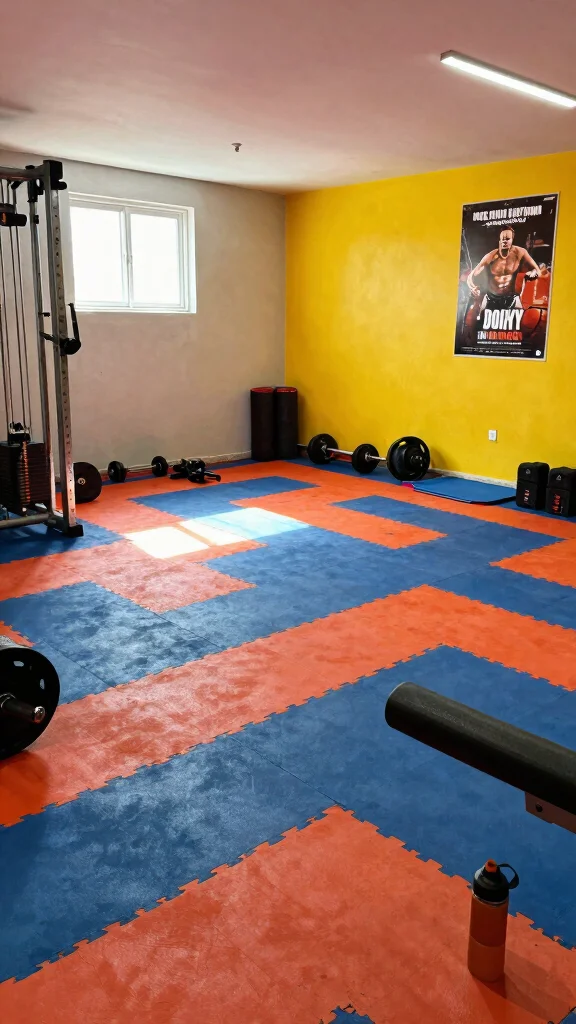
Rubber flooring is an excellent choice for basements, particularly if you have active kids or a home gym. It combines durability with easy maintenance and provides superior cushioning for comfort during workouts or playtime.
Its unique properties make it water-resistant and slip-resistant, ensuring safety in moisture-prone areas. Available in various colors and thicknesses, rubber flooring can fit seamlessly into your design vision.
Consider these design ideas for rubber flooring:
– Create a fun pattern using colorful tiles for a dynamic look.
– Pair with playful decor to enhance the active atmosphere.
– Use darker colors to help conceal wear and tear.
This flooring option not only protects your basement from moisture but also promotes a functional and vibrant space for family activities.
6. Laminate Flooring
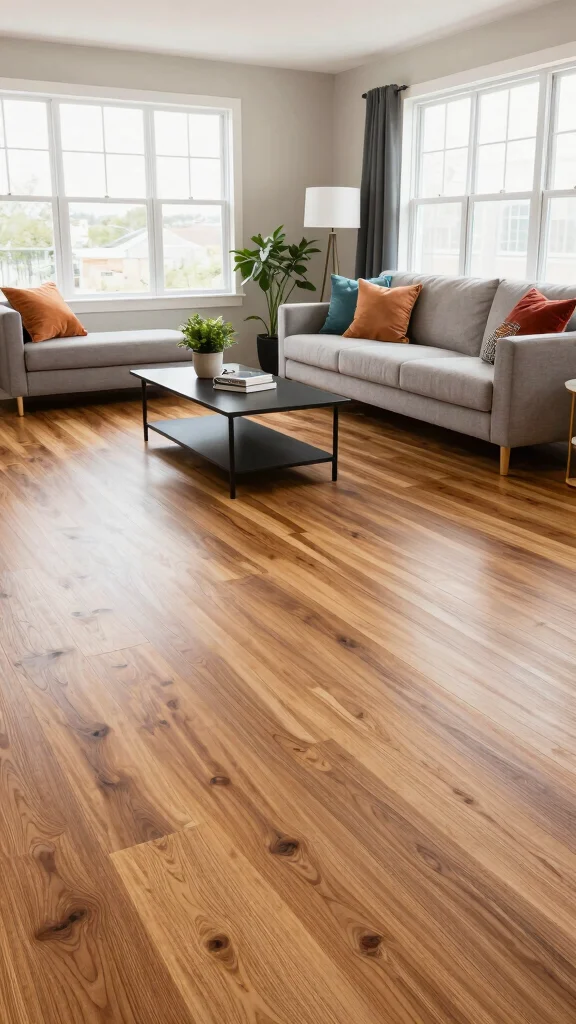
Laminate flooring is a budget-friendly option that replicates the beauty of hardwood, making it a fantastic choice for basement renovations. It offers moisture protection while being easy to install, perfect for DIY enthusiasts.
Its resilience against scratches and stains makes laminate a practical flooring solution for busy households. The click-and-lock installation process allows for quick setup, ensuring your basement can be transformed in no time.
Enhance your laminate flooring with these tips:
– Use area rugs to define specific areas.
– Pair with contrasting furniture for a modern touch.
– Ensure proper acclimation of laminate before installation.
This flooring choice not only brings style to your basement but also ensures a durable and welcoming space for all to enjoy.


7. Bamboo Flooring
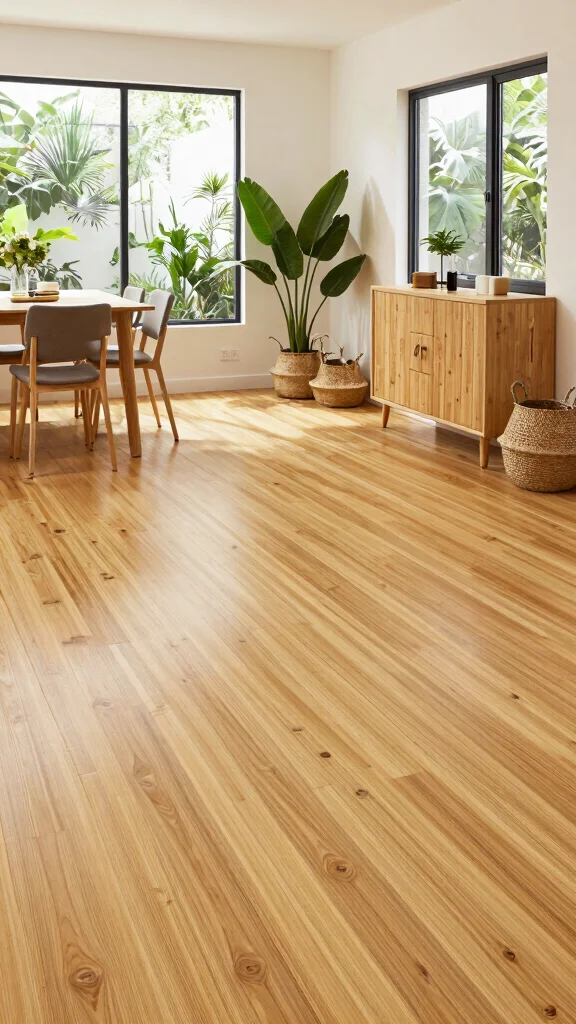
Bamboo flooring stands out as an eco-friendly and stylish option for your basement. Its natural durability and moisture resistance add a beautiful touch of nature to your interior.
Available in a variety of finishes, bamboo can elevate your space while being kind to the environment. When selected for high-moisture areas, it can last for years with minimal maintenance.
Follow these recommendations to get the best from bamboo flooring:
– Pair with natural decor like wicker furniture.
– Choose warm tones to create an inviting atmosphere.
– Ensure proper installation methods are followed for longevity.
This flooring option enhances your basement’s aesthetic while contributing to a sustainable lifestyle.
8. Tile Flooring
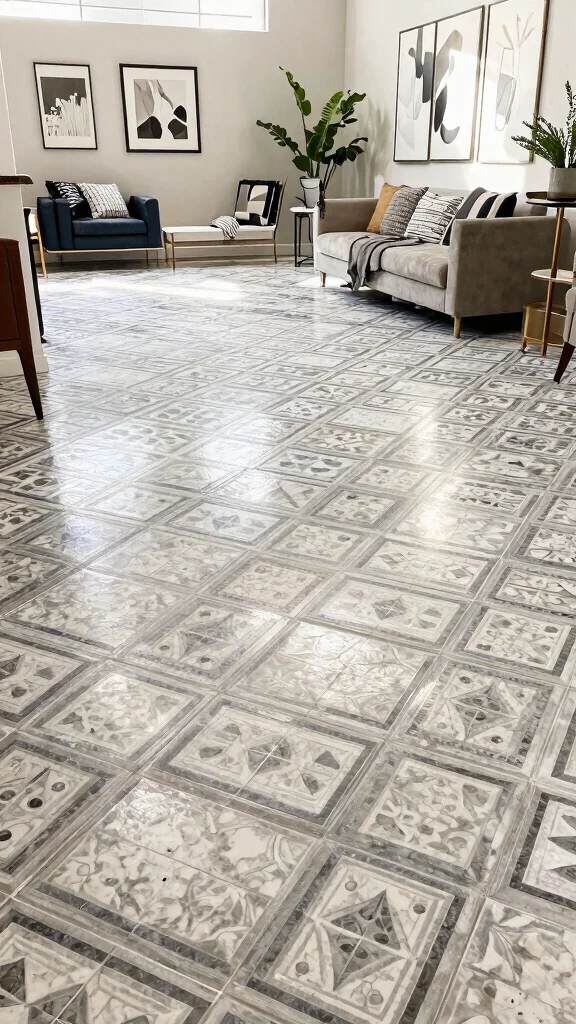
Tile flooring remains a classic choice for basements, especially in areas susceptible to moisture. With a vast array of styles and colors, tile opens up endless design possibilities for your space.
Its durability and water resistance make it easy to maintain, ensuring your basement remains in top shape. Choosing larger tiles can help minimize grout lines, creating a sleek and modern appearance.
Enhance your tile flooring with these tips:
– Use colorful tiles for accent areas or unique designs.
– Pair with area rugs for added comfort.
– Ensure grout lines are properly sealed to prevent moisture damage.
This timeless flooring option combines style and practicality, providing a solid foundation for your basement.
You might also like
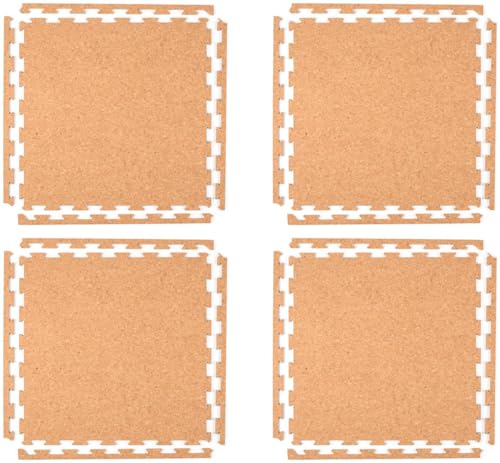
9. Cork Flooring
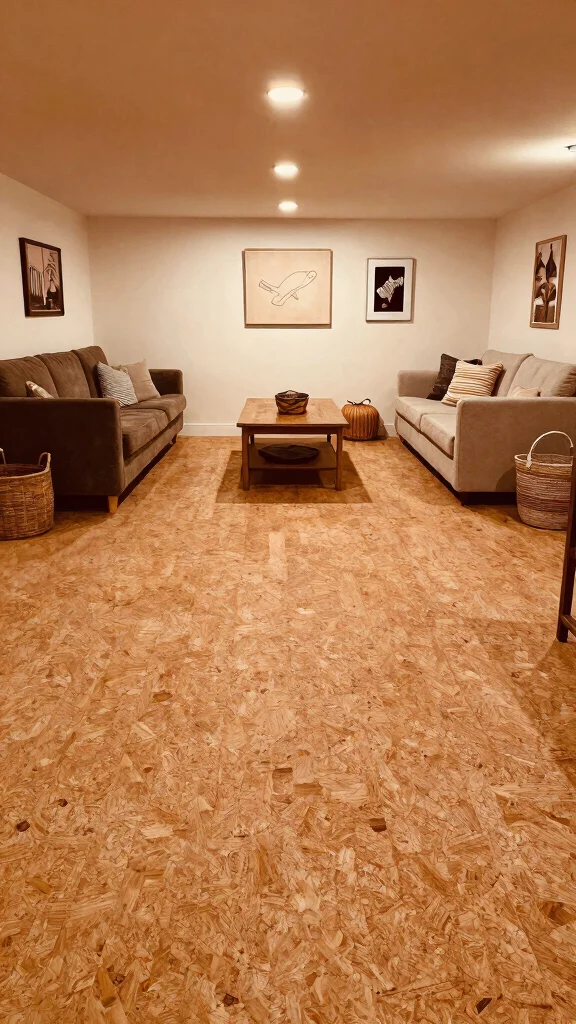
Cork flooring is an innovative and eco-friendly choice for basement spaces, offering natural insulation and moisture resistance. Its unique properties help maintain warmth and comfort in cooler areas.
Soft and warm underfoot, cork is perfect for family spaces and offers sound absorption to reduce noise. Available in tiles or planks, cork flooring can adapt to your design needs while providing a distinctive look.
Consider these decor ideas for cork flooring:
– Layer with colorful rugs for added texture.
– Pair with natural wood furniture to enhance the earthy vibe.
– Ensure proper sealing to prevent moisture damage.
This flooring solution not only adds a stylish touch but also keeps your basement cozy and inviting for gatherings.



10. Composite Decking for Basements
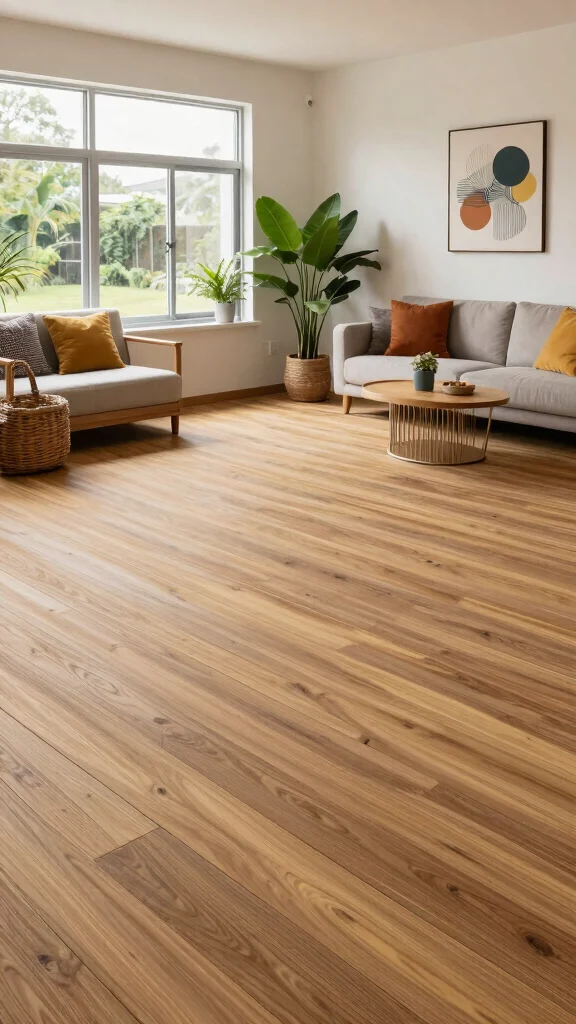
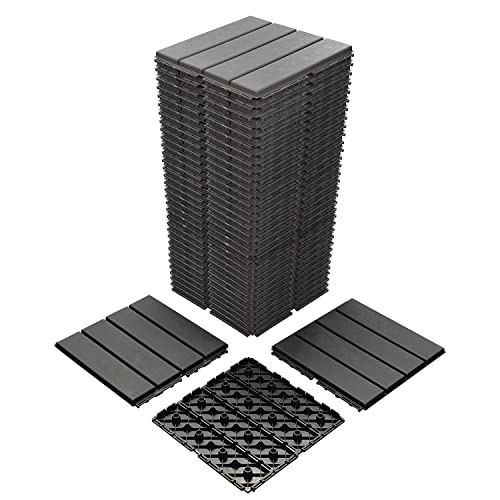
Composite decking introduces a modern flooring solution for finished basements, merging durability with elegant design. It’s built to withstand moisture while requiring minimal upkeep, making it an ideal choice for busy lifestyles.
With a variety of colors mimicking natural wood, composite decking can create a seamless flow between indoor and outdoor spaces. Installation is straightforward, often involving less prep than traditional flooring options.
Explore these decoration ideas with composite decking:
– Use outdoor furniture for a fresh, airy atmosphere.
– Incorporate greenery to enhance the organic aesthetic.
– Match flooring with outdoor elements for a cohesive look.
This innovative flooring solution can beautifully transform your basement into an extension of your living area.




11. Floating Floors
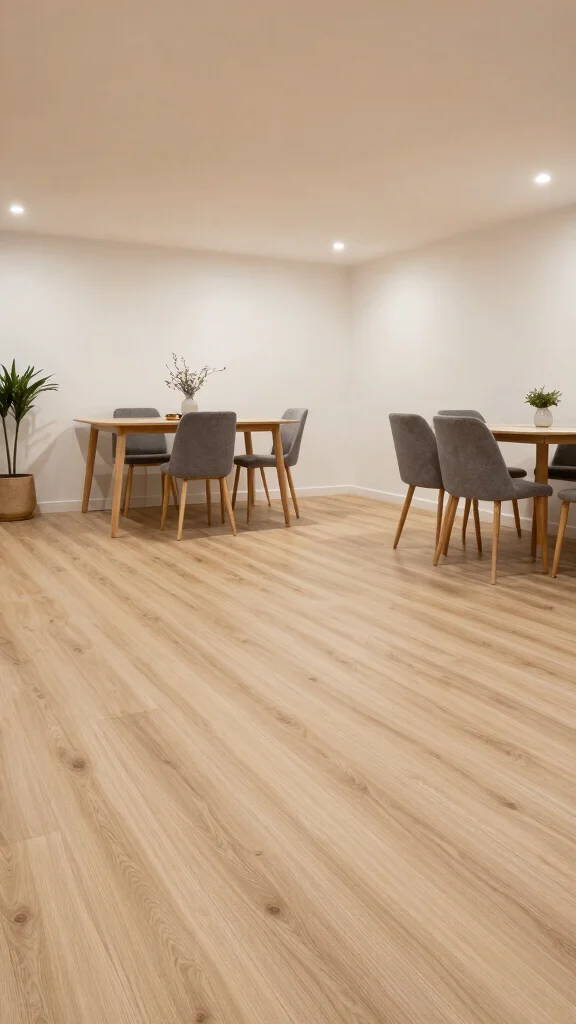
Floating floors offer a practical option for basements, allowing for quick installation over existing surfaces. Ideal for areas prone to moisture, these floors are often crafted from materials designed to resist dampness.
The ease of installation means you can transform your space rapidly, and their ability to insulate against cold makes them a comfortable choice. Floating floors provide flexibility in design and can suit any aesthetic from modern to rustic.
Maximize the benefits of floating floors with these ideas:
– Choose styles that complement your decor theme.
– Layer with area rugs to add coziness and character.
– Ensure the underlying surface is clean and dry for optimal results.
This flooring option is not only stylish but also adaptable, ensuring your basement looks great and remains functional.
Floating floors are a real lifesaver for a basement floor—quick to install over existing surfaces, even in moisture-prone spots. They stay warm, damp-resistant, and fit every style, from modern to rustic.


12. Painted Floors
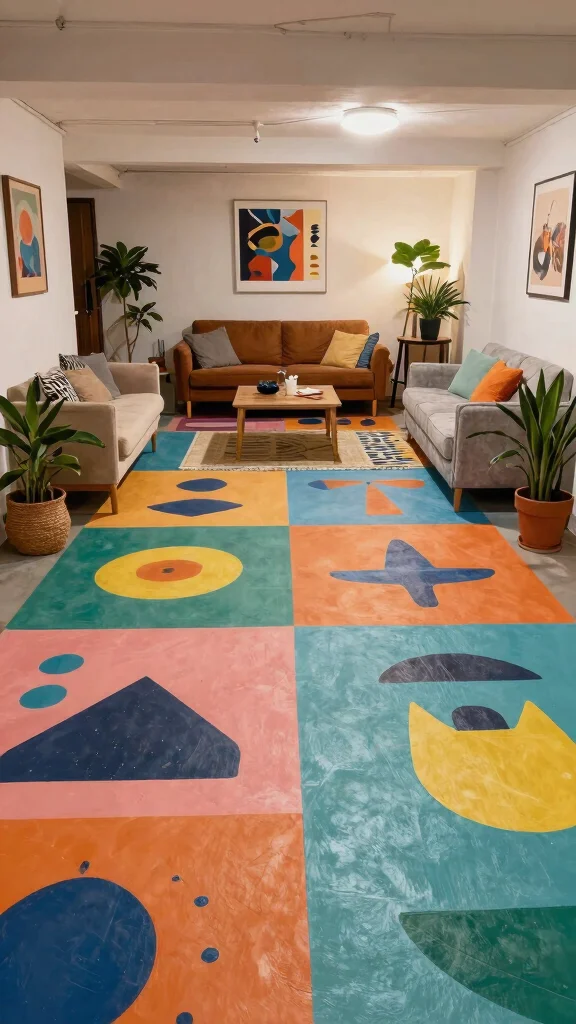
For a creative flair, painting your basement floor provides a budget-friendly way to refresh your space. This option allows you to express your personal style through vibrant colors and patterns.
Painting can easily cover imperfections, transforming your basement into a unique and inviting area. Using high-quality floor paint designed for durability ensures lasting results, while stencils can help you achieve artistic designs.
Consider these decor tips for painted floors:
– Coordinate furniture colors to match your floor.
– Use area rugs to soften the overall look.
– Regularly clean with gentle soap and water for maintenance.
This creative approach not only adds a distinctive style but also allows for endless personalization in your basement.


13. Plank Vinyl Flooring
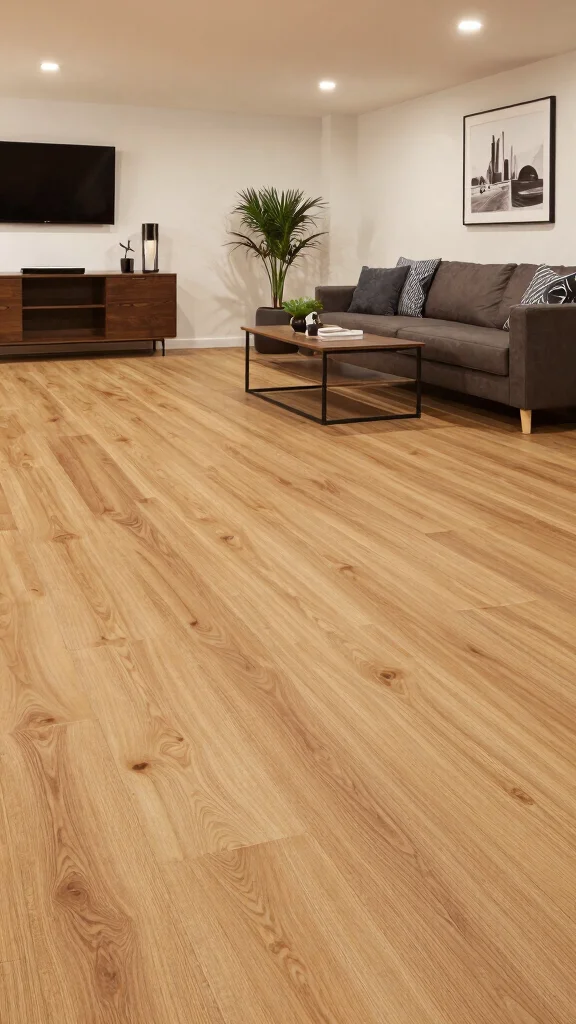
Plank vinyl flooring combines the beauty of wood or stone with excellent moisture resistance, making it a top choice for basement areas. Its seamless blend of style and practicality suits various design preferences.
Durable and resistant to scratches, plank vinyl is straightforward to clean and maintain, ensuring your basement looks fresh for years. Installation is user-friendly, often requiring no special tools, which is perfect for DIYers.
Enhance your plank vinyl experience with these tips:
– Pair with matching furniture for a cohesive aesthetic.
– Incorporate vibrant area rugs to add warmth and character.
– Use various colors to define different areas in your basement.
This flooring option not only enhances your basement’s beauty but also ensures it withstands the test of time.


14. Stone Flooring
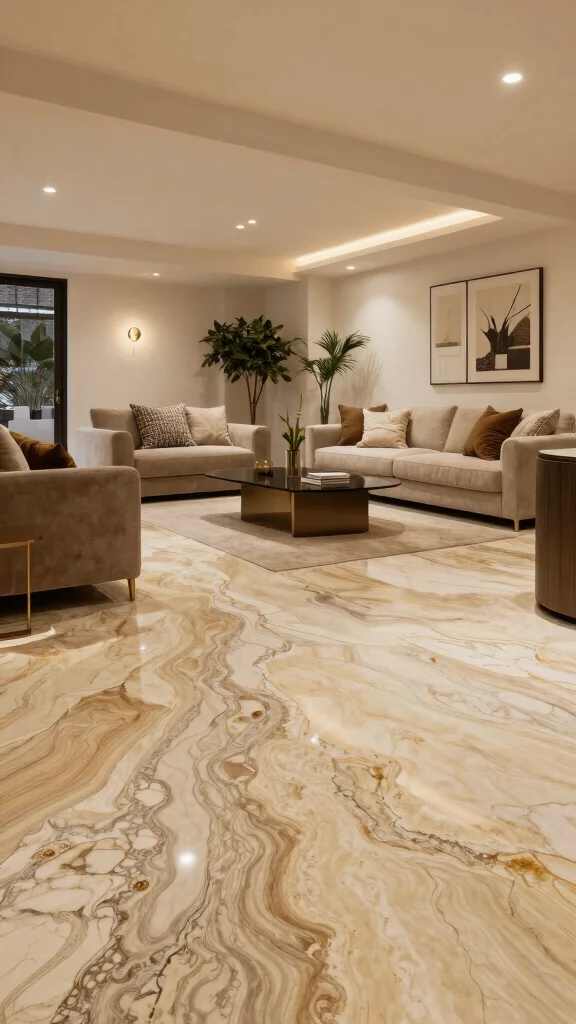
Natural stone flooring introduces an element of luxury to your basement, offering exceptional durability and moisture resistance when installed correctly. Its unique beauty showcases the natural variations in color and texture, elevating the space significantly.
With timeless elegance, stone is perfect for both contemporary and rustic styles, creating a sophisticated foundation for your design. Regular maintenance, including cleaning and resealing, ensures your stone flooring remains stunning for years to come.
Consider these decor tips for stone flooring:
– Use warm colors in furniture to soften the overall look.
– Incorporate textiles like rugs for added comfort.
– Choose decor that complements the stone’s natural beauty.
This flooring option not only adds sophistication but also helps create a welcoming and refined atmosphere in your basement.
15. Installing Drainage Systems
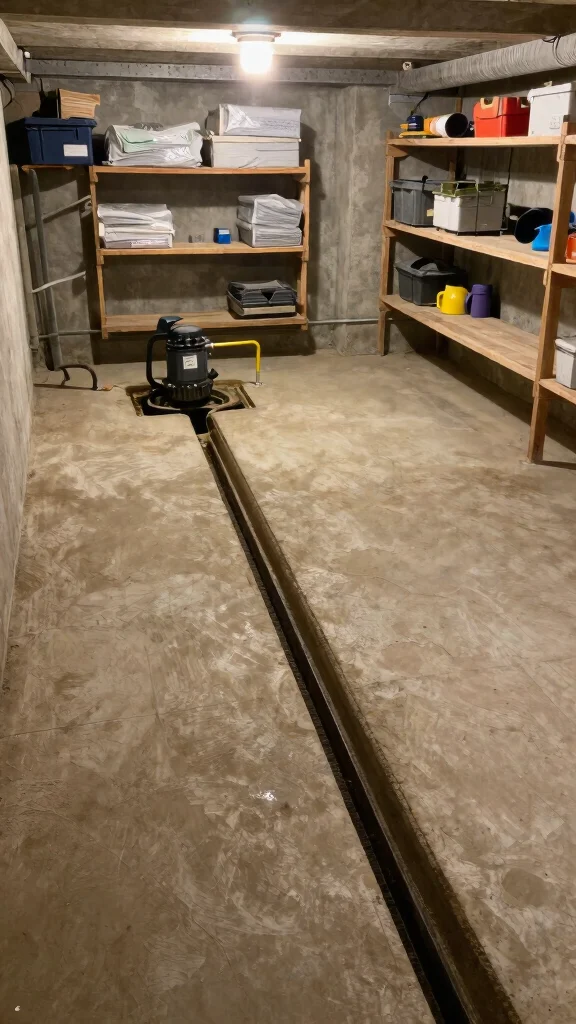
For basements susceptible to flooding, installing a drainage system is essential for protection. This proactive step safeguards your flooring and maintains the livability of your basement space.
Drainage systems prevent water damage and mold growth, ensuring your investment remains intact. Options like French drains and sump pumps can effectively manage moisture levels, and consulting a professional can help determine the best fit for your needs.
Implement these additional tips for drainage systems:
– Keep gutters clear to ensure proper flow.
– Regularly inspect for signs of water entry.
– Schedule periodic maintenance checks.
Installing a drainage system offers peace of mind, letting you use your basement freely without worries of water damage.
You Might Also Like
16. Updated Insulation
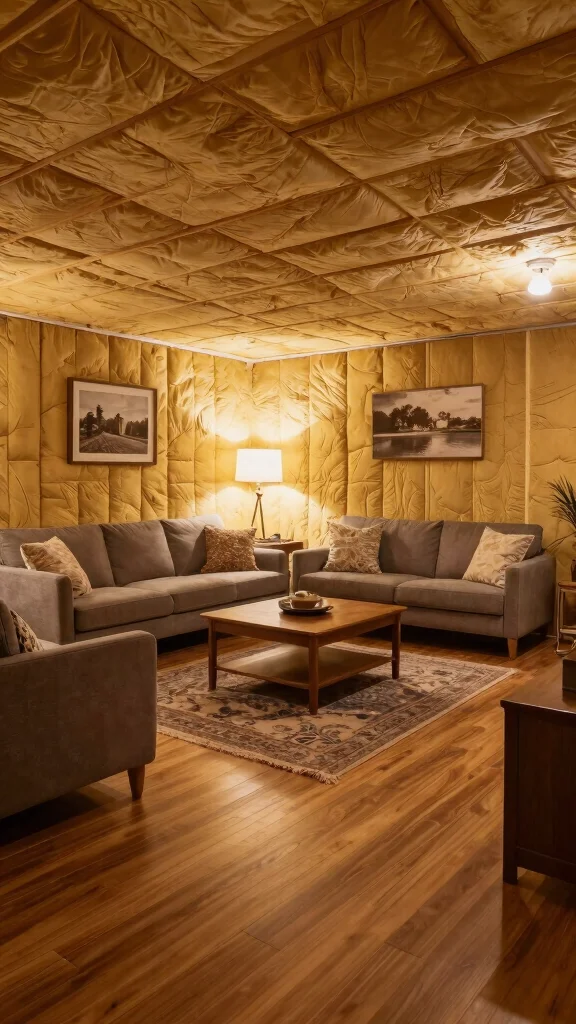
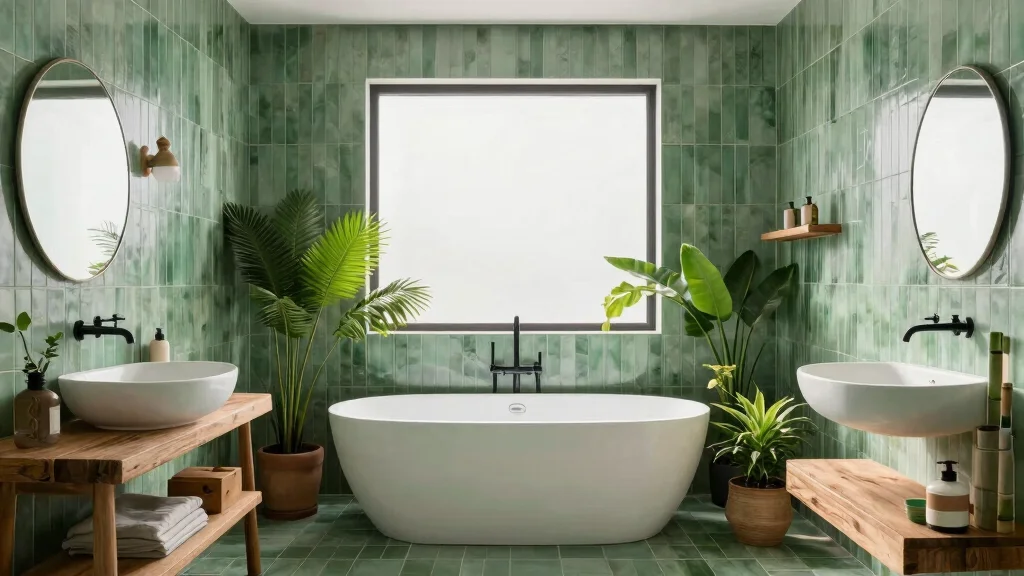
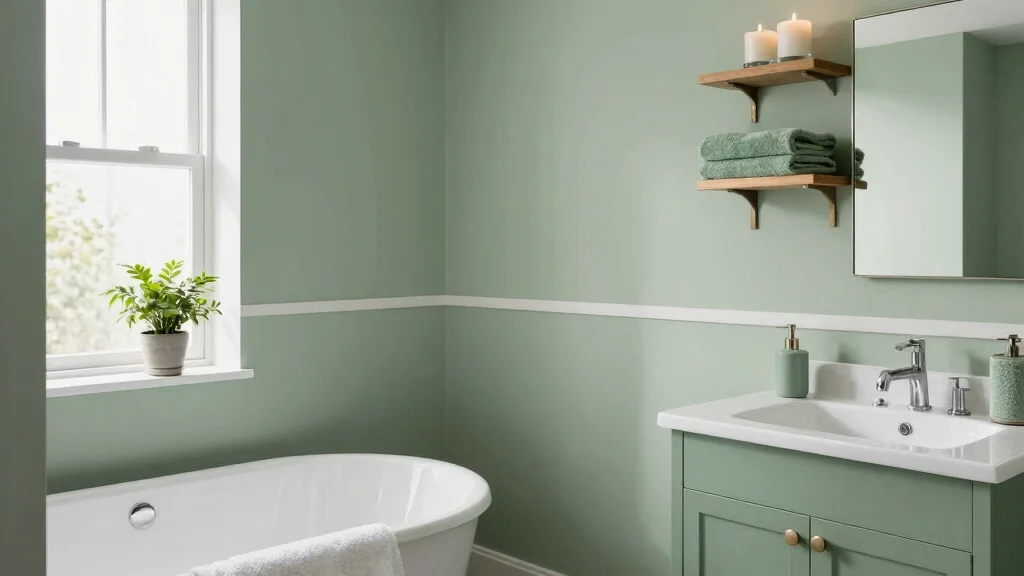
Proper insulation in your basement is crucial for maintaining comfort and regulating temperature, enhancing the effectiveness of your flooring choices. Effective insulation helps prevent moisture issues and improves energy efficiency in the space.
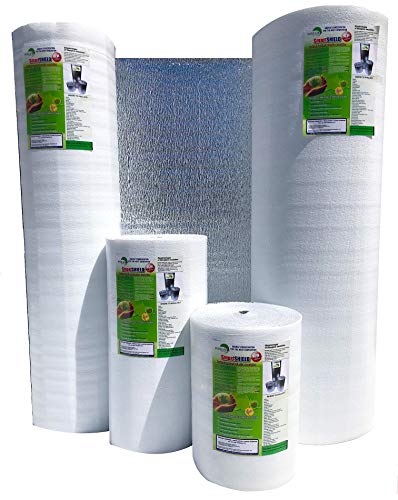
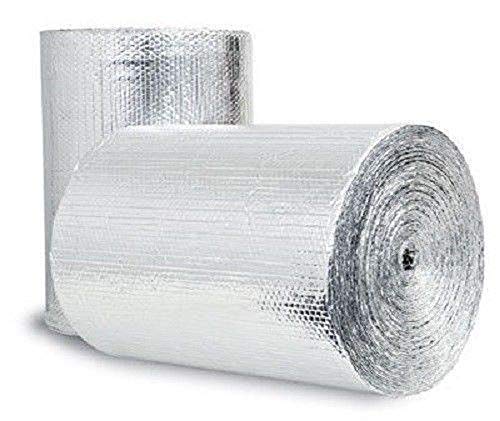
When upgrading insulation, consider materials like foam board or spray foam designed specifically for basements. Ensuring all areas are sealed will help prevent air leaks and maximize efficiency.
Incorporate these decoration tips with updated insulation:
– Pair insulated walls with warm flooring materials for added comfort.
– Use curtains to help regulate temperature.
Investing in updated insulation creates a cozy basement environment while ensuring your flooring remains protected and functional.




17. Modular Flooring Systems
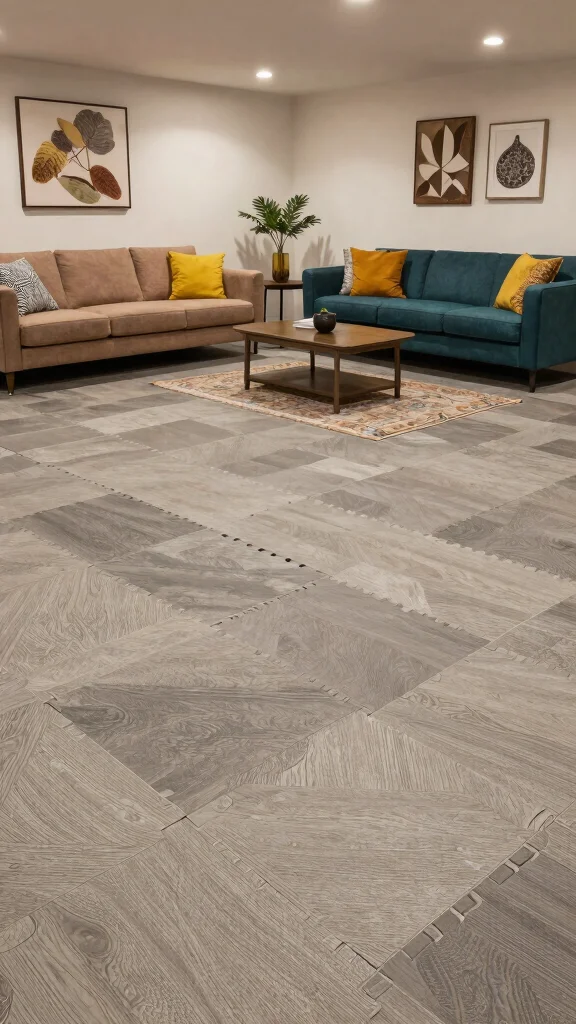
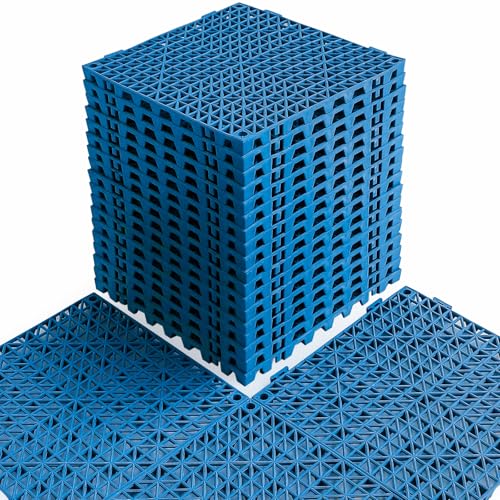
Modular flooring systems provide a flexible and stylish solution for basements, combining ease of installation with aesthetic appeal. These interlocking tiles or planks can be customized to suit your design preferences.
Installation is simple, allowing for quick updates and easy replacement of damaged pieces without the need for a complete overhaul. Regular cleaning can be done with a vacuum or damp mop, keeping your space looking fresh.
Enhance your modular flooring experience with these tips:
– Use contrasting colors to create unique designs.
– Layer with area rugs to soften hard surfaces.
This flooring choice offers practicality and style, allowing you to create a functional and visually appealing basement.

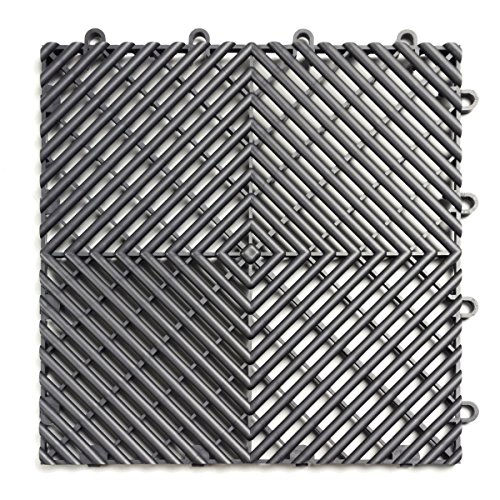

18. Textured Vinyl Flooring
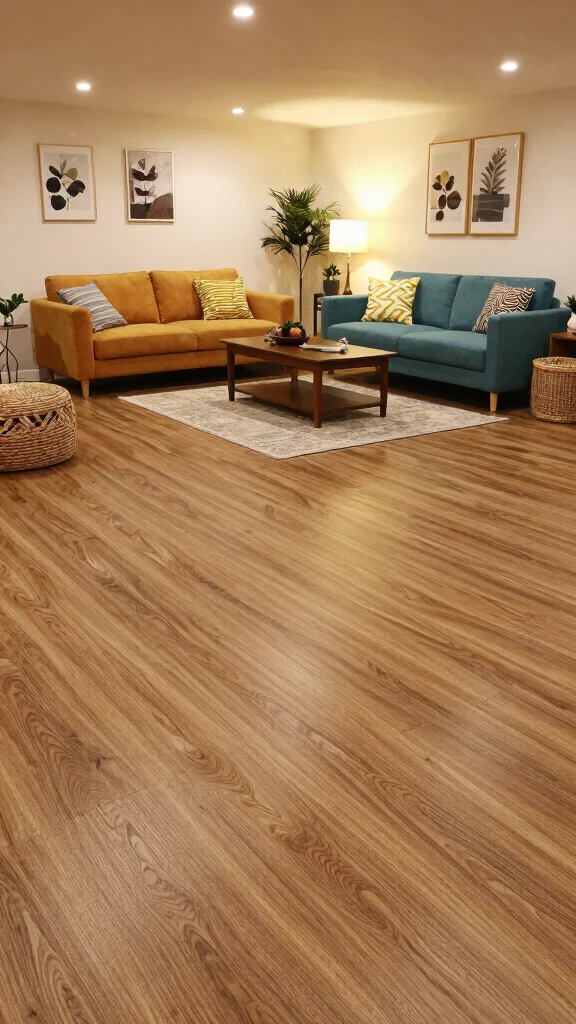
Textured vinyl flooring combines style and durability, making it a fantastic option for moisture-prone basements. Mimicking the appearance of natural materials, it is easy to maintain and comfortable underfoot.
With slip-resistant features, textured vinyl adds an extra layer of safety, especially in family spaces. Available in various designs, it can seamlessly enhance the aesthetic of your basement while being practical.
Consider these decor ideas for textured vinyl flooring:
– Incorporate colorful accessories to enliven the space.
– Pair with soft textures like cushions for added warmth.
This flooring option ensures your basement remains stylish, safe, and functional for years to come.
Fun fact: textured vinyl flooring handles moisture better than carpet—it’s built to resist spills and humidity, with up to 50% less water absorption than laminate. For a basement floor, that means safer, slip-resistant comfort you can count on.


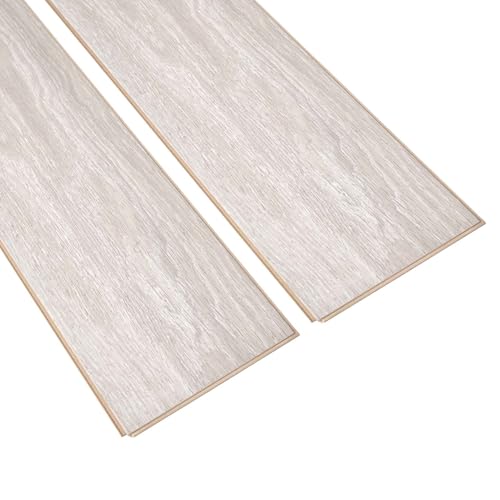
19. Raised Flooring Systems
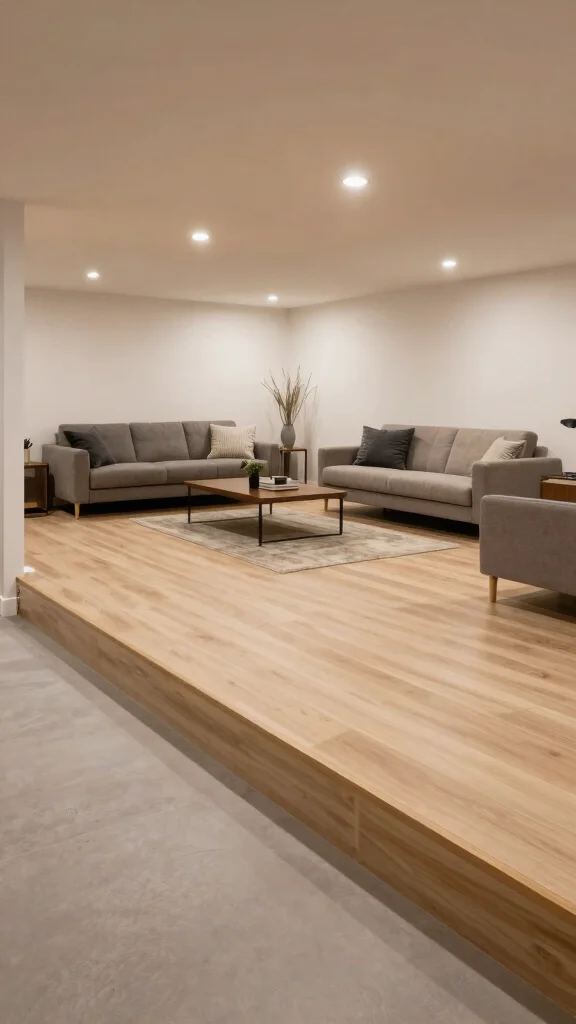
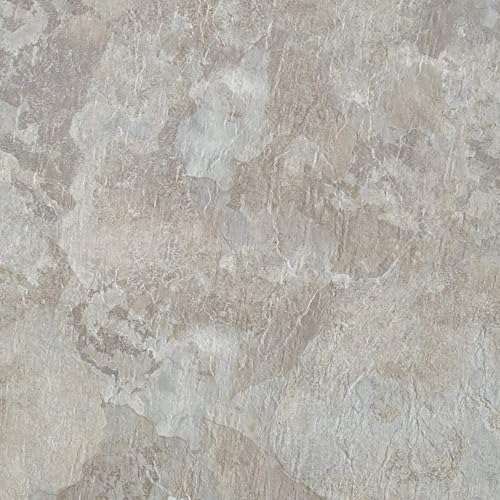
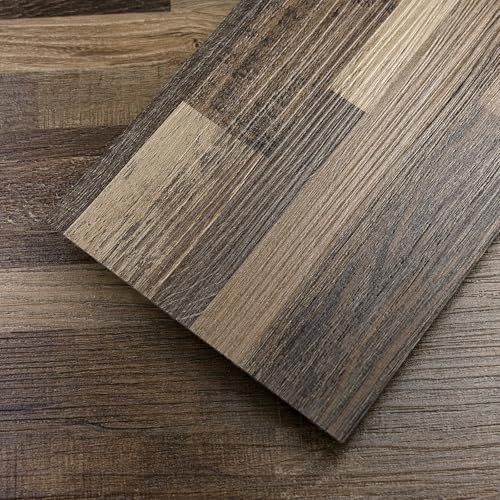
Raised flooring systems are an excellent choice for basements prone to moisture or flooding. Elevating the flooring provides an air gap that helps prevent moisture from affecting your living space.
These systems allow for easier access to plumbing and wiring, making maintenance simpler. They can be covered with various materials, providing flexibility in design.
Explore these decor tips for raised flooring systems:
– Use area rugs to define spaces and add comfort.
– Choose versatile decor that adapts to changing needs.
Raised flooring systems enhance safety and functionality, making them a smart addition to moisture-prone basements.


20. Proper Ventilation
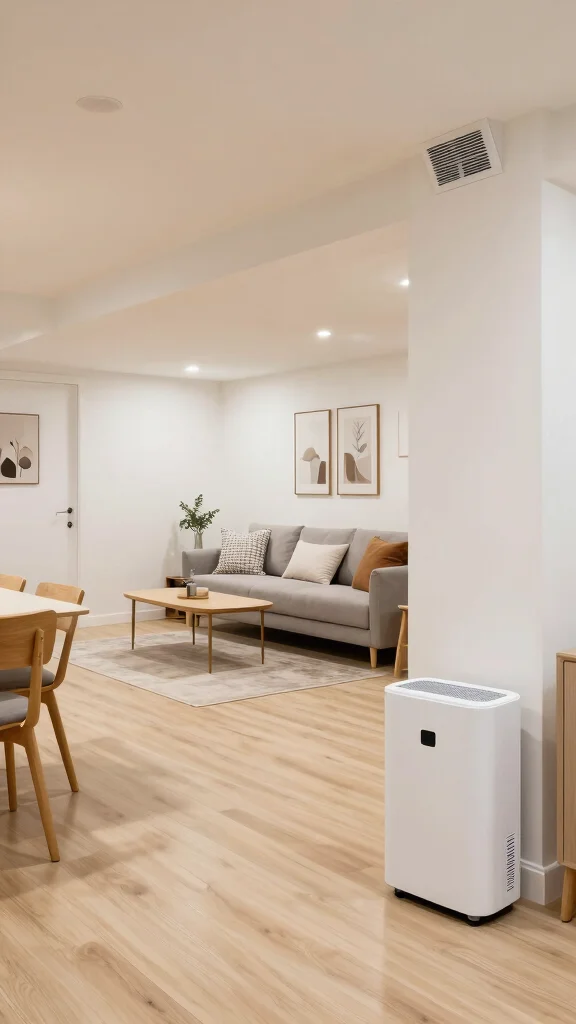
Proper ventilation is essential for any basement, particularly for controlling moisture levels. Good airflow prevents mold growth and helps maintain your flooring in excellent condition.
Effective ventilation reduces humidity, enhances indoor air quality, and protects your flooring materials from damage. Installing vents or using dehumidifiers can help maintain a dry and comfortable environment.
Implement these additional tips for proper ventilation:
– Open windows for natural airflow when possible.
– Maintain HVAC systems to ensure efficiency.
Ensuring proper ventilation not only protects your flooring but also elevates your entire basement experience, creating a space you’ll love to enjoy.


Conclusion
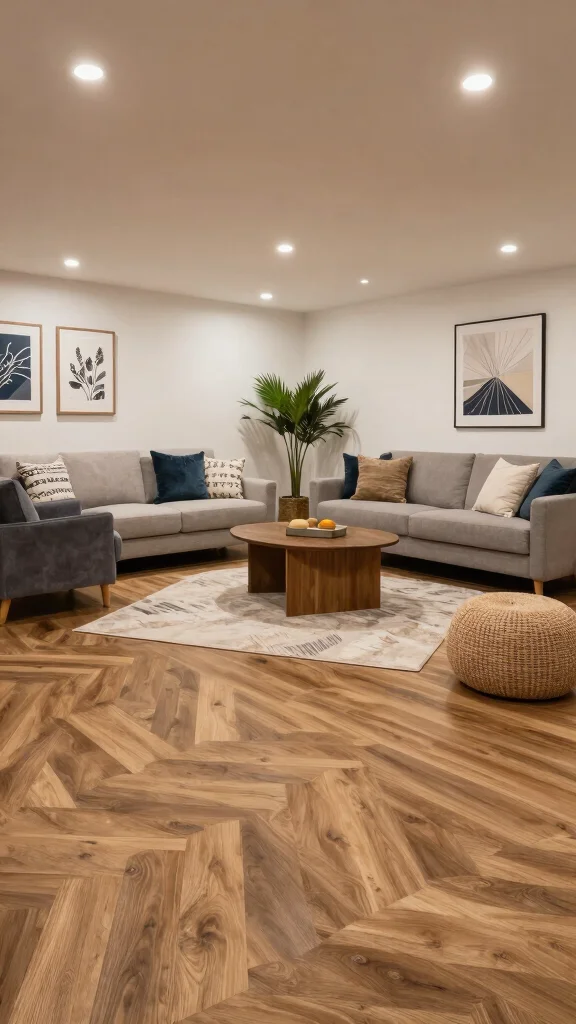
Transforming your basement into a functional and stylish space is entirely achievable with the right flooring options and design elements. From durable epoxy to cozy carpet tiles, each choice plays a crucial role in creating an inviting atmosphere. Don’t forget to consider moisture management and proper ventilation, as these are essential for maintaining a healthy environment. As you embark on your basement renovation journey, let these 20 ideas inspire you to craft a space that you and your family will enjoy for years to come.
Frequently Asked Questions
What Are the Best Basement Flooring Options for Moisture-Prone Spaces?
For moisture-prone basements, prioritize water resistance and durability. Top basement flooring options include luxury vinyl plank (LVP), porcelain or ceramic tile, epoxy coatings, and sealed or polished concrete. Solid hardwood and many carpets are usually not ideal in damp spaces. Start by testing for moisture and choosing flooring materials for basements with built-in moisture barriers. Then install over a suitable subfloor or vinyl underlayment with proper drainage to prevent future issues. Regular maintenance like an annual seal and using a dehumidifier will help keep the basement floor dry.
How Can I Finish an Unfinished Basement Design with Durable, Moisture-Resistant Flooring?
Turning an unfinished basement design into a finished, durable space starts with moisture control. Choose flooring options that tolerate damp conditions, such as epoxy coatings, vinyl plank (LVP), ceramic tile, or sealed concrete. Avoid moisture-sensitive options like solid wood. Start with a proper moisture barrier and a suitable subfloor; consult the basement renovation tips for best practices. Once the floor is installed, layer in basement decor ideas like area rugs, lighting, and paint to finish the look without compromising protection.
What Maintenance Tips Help Prevent Moisture Problems and Mold on Basement Floors?
Keep humidity in check with a dedicated dehumidifier and continuous airflow. Regularly inspect for leaks, cracks, and plumbing issues and seal them promptly. Use proper cleaning methods for your flooring material and avoid over-wetting. Ensure drainage around the foundation and consider a sump pump if your area is prone to water. These basement renovation tips help protect the basement floor and keep dampness at bay.
Are There Affordable Basement Renovation Tips to Transform a Damp Space into a Cozy Floor Area?
Absolutely. You can achieve a cozy look while staying practical. Start with budget-friendly basement flooring options like peel-and-stick vinyl tiles, washable vinyl plank, or a DIY epoxy kit. Use light colors and good lighting to brighten the space, add moisture-resistant area rugs in key zones, and rely on a moisture barrier under the subfloor. This approach aligns with unfinished basement design or basement decor ideas without breaking the bank.
Which Flooring Materials Are Best for Basements With High Humidity, and How Do I Install Them?
In humid basements, the safest bets are vinyl plank flooring, ceramic/porcelain tile, epoxy coatings, or polished concrete. Avoid solid wood or carpet in very damp areas. Installation tips: test moisture first, use a vapor barrier and an appropriate subfloor, and consider professional installation for epoxy or tile. For DIY, follow manufacturer guidelines, keep joints sealed, and plan for expansion gaps. This aligns with basement flooring options and flooring materials for basements.
Related Topics
basement floor
basement flooring options
moisture-resistant materials
unfinished basement design
basement decor ideas
DIY flooring solutions
renovation tips
waterproof flooring
affordable basement ideas
modern basement style
easy updates
home improvement