
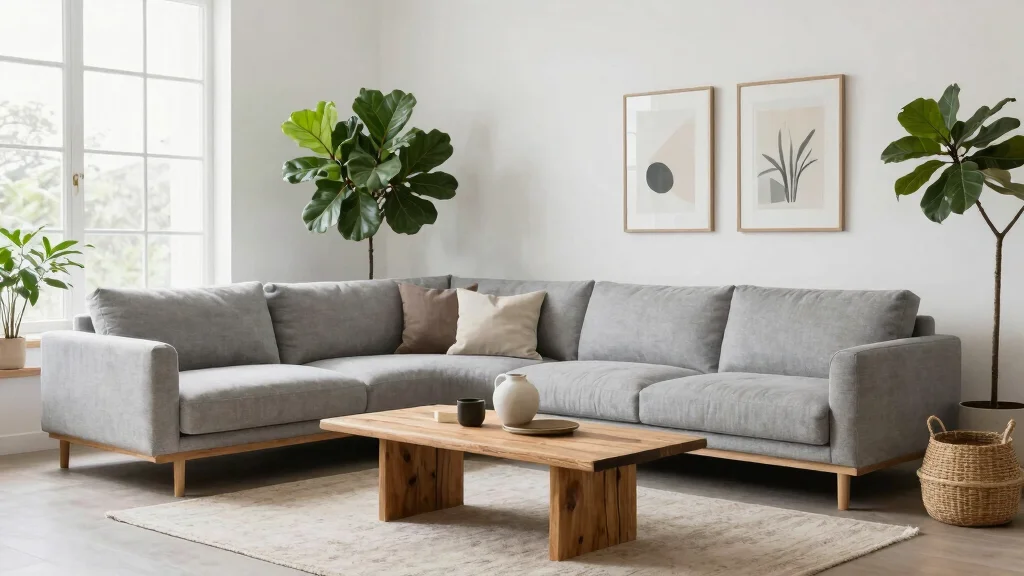


When it comes to creating a space that feels calming and inviting, a minimalist living room design might just be what you need. With the constant hustle and bustle of daily life, many of us are searching for that serene retreat in our homes—a place where we can unwind and recharge. This post is inspired by the desire to simplify your living room, cut down on excess, and embrace a more sustainable lifestyle. Minimalism isn’t just a trend; it’s a thoughtful way to live that promotes peace, clarity, and intentionality.
If you’re someone who appreciates clean lines, neutral color palettes, and cozy minimalist spaces, then you’re in the right place. Whether you’re redecorating your living room or looking to make small changes, you’ll find plenty of inspiration here. I’ve gathered 19 ideas that focus on sustainable choices, modern aesthetics, and practical tips. These concepts will help you create a space that feels open and inviting without sacrificing style or comfort.
By exploring these minimalist inspiration ideas, you’ll discover how to incorporate natural elements, smart storage solutions, and personal touches. From focusing on natural light to choosing the right textiles, each suggestion is designed to make your living room a cozy haven while being environmentally conscious. So let’s dive in and find ways to make your living room a true reflection of a sustainable minimalist lifestyle!
Key Takeaways
– Neutral Color Palette: Using soft, neutral tones helps create a calming atmosphere that enhances the minimalist aesthetic.
– Sustainable Furniture Choices: Opt for eco-friendly furniture made from sustainable materials to promote a healthy living environment.
– Focus on Natural Light: Strategically place mirrors and choose sheer curtains to maximize the natural light coming into your space.
– Smart Storage Solutions: Embrace multifunctional furniture to keep your space organized and clutter-free while maintaining a minimalist feel.
– Incorporate Indoor Greenery: Adding plants not only purifies the air but also adds warmth and liveliness to your minimalist living room.
Recommended Products

【Natural Comfort & Unique Foot Feel】:Inspired by nature's pebble paths, this 6x9 washable area rug has an irregular stone grid pattern with a 3D texture. It offers you a luxurious and comfy underfoot feel. With a neutral yet warm color, the living room rug is a nice upgrade to your home

【Timeless Minimalist Pattern】Elevate your decor! The classic geometric border design adds a touch of understated elegance to any space – living room, bedroom, entryway, or office. Its versatile style complements both modern and traditional interiors
Contents
- 1. Neutral Color Palette
- 2. Sustainable Furniture Choices
- 3. Simple Geometric Shapes
- 4. Focus on Natural Light
- 5. Minimalist Artwork
- 6. Textiles and Fabrics
- 7. Indoor Greenery
- 8. Thoughtful Lighting
- 9. Open Space and Layout
- 10. Smart Storage Solutions
- 11. Personal Touches
- 12. Embrace Open Shelving
- 13. Use of Negative Space
- 14. Incorporate Natural Elements
- 15. Functional Accessories
- 16. Monochromatic Themes
- 17. Create Cozy Reading Nooks
- 18. Open Concept Integration
- 19. Seasonal Decor Swaps
Recommended Products

Included pieces: One end table. Furniture and decorative accessories shown with the table are not included.


Modern Coffee Table: Add a touch of elegance to your living room with this coffee table featuring a rustic oak wood grain surface and a black metal frame. Its refined design effortlessly complements modern, industrial, retro, and contemporary interiors.
1. Neutral Color Palette
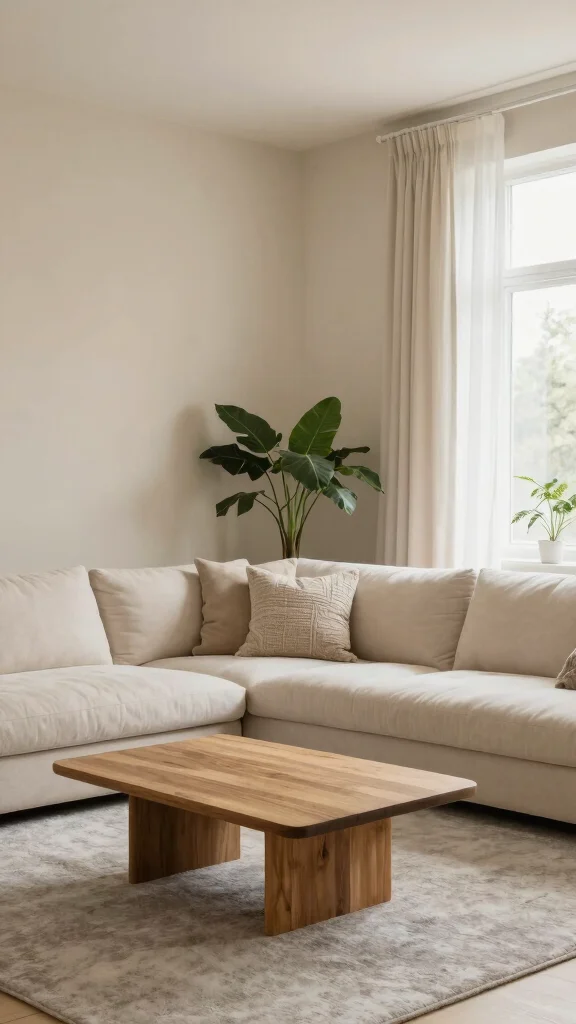
A neutral color palette lays the foundation for minimalist design, fostering a serene and spacious atmosphere.
This combination of soft whites, gentle beiges, and light grays works beautifully together, allowing for a layered effect with textures.
The understated tones minimize distractions, creating a versatile backdrop for natural materials and earthy accents.
Consider these elements to enhance your neutral palette:
– Layer soft fabrics like linen and cotton for depth.
– Incorporate wooden furniture to add warmth and contrast.
– Use accent colors sparingly to maintain harmony.
This thoughtful approach cultivates a calm and inviting space that feels effortlessly elegant.
Recommended Products

WELL MADE: Sold as 2 panels, each panel is W52" x L84", and W104" x L84" in total. Each curtain panel has 2-in-1 top style design: rod pocket and back tab. With 3-inch inner diameter fit most standard rod. Curtains also can be hung with clip rings. 3 ways meet your various needs.

READY MADE: 2 Linen Curtain Panels per package.Each panel measures 52 inches wide by 96 inches long. Top design of Back tab & loop pocket provide 3 hanging options. <1> hanging from the back patch to create an elegant pleated look, <2> from the 3 inch rod pocket for a classic look <3> Hanging with clip rings for easy, slide open and closed (clip rings are not included)

WELL MADE: Sold per pair(set), including 2 linen sheer panels - Panel measures: 52 x 108 - inches|Set measures: 104 x 108 - inches. Each panel has 8 nickel grommets, constructed with head height: 4", bottom hem: 2", fitting up to 1 1/4 inches curtain rods/poles
2. Sustainable Furniture Choices
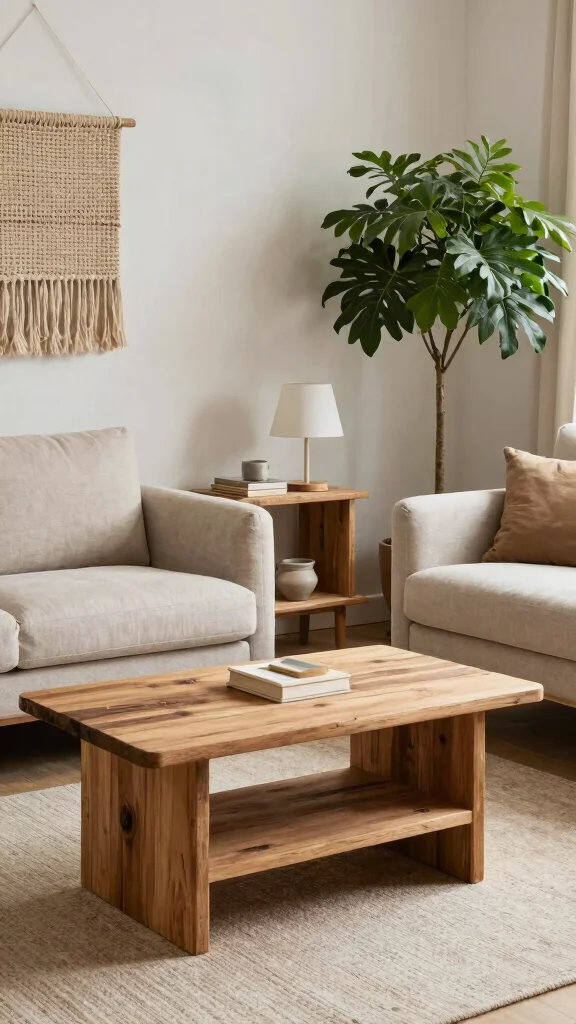
Sustainable furniture is essential in modern minimalist design, promoting eco-friendly living without sacrificing style.
Opt for pieces made from reclaimed or sustainably sourced materials to create a chic yet responsible environment.
Focusing on quality over quantity, select fewer but high-quality items that enhance your living room’s aesthetic while caring for the planet.
Explore these tips for sustainable choices:
– Choose multi-functional furniture to save space and reduce clutter.
– Hunt for vintage finds at thrift stores for unique character.
– Avoid fast furniture that contributes to waste.
By making these choices, your living room can be both stylish and environmentally conscious.
Recommended Products

Ottoman Module of beyond SMART Modular Sofa - Supported by a sturdy solid wood frame and filled with high-quality, high-resilience foam, which makes the intermediate module even more robust and soft. It is an integral part of the modular sofa.

【QUICK ASSEMBLY, EASY FOLDAWAY】This storage ottoman from the SONGMICS MAZIE Collection has a foldable design that allows quick setup in seconds by simply inserting the bottom panel. Easily fold and store it under the bed or in a closet when not in use
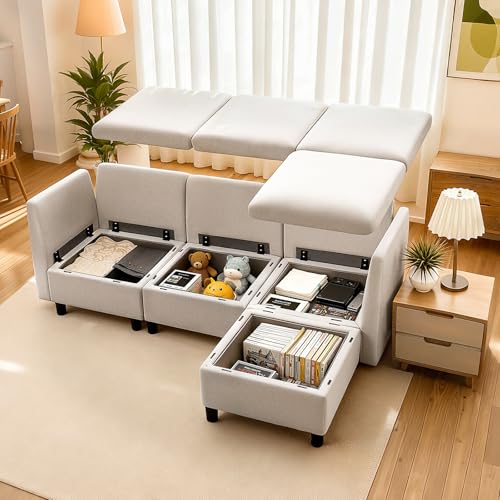
Comfortable Cloud Sofa: Breathable cotton-linen fabric provides a soft, skin-friendly touch, while plush cushions with high-resilience foam provide lasting comfort. A solid wood frame holds up to 250 lbs / 113.4 kg per seat—ideal for your living room set
3. Simple Geometric Shapes
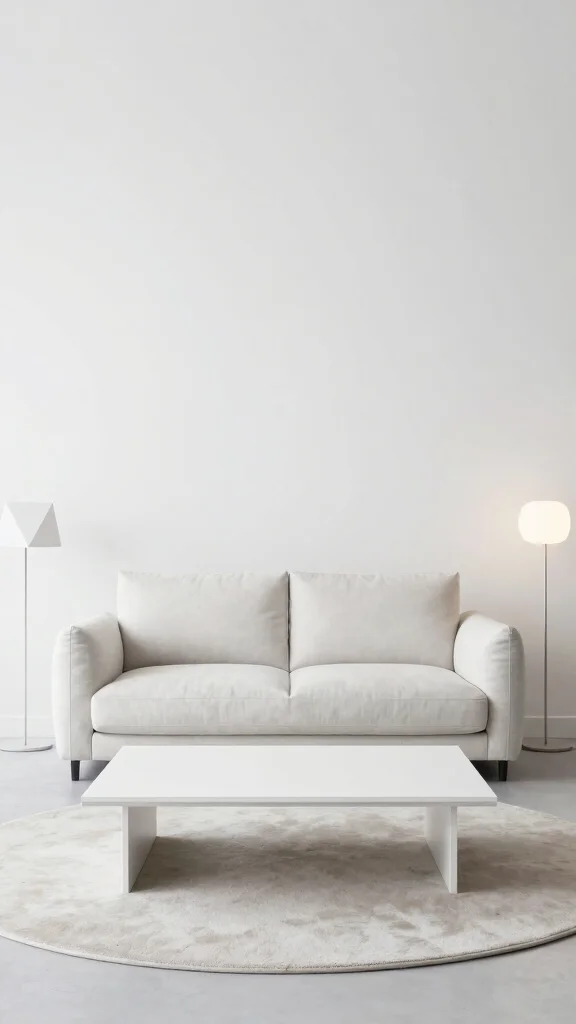
Utilizing simple geometric shapes can elevate the minimalist aesthetic, adding visual intrigue without overwhelming the senses.
Choose furniture and decor that feature clean lines and bold forms to create a contemporary look.
This design principle not only enhances the space but also contributes to an organized and serene atmosphere.
Implement these geometric elements:
– Select angular furniture with sharp edges for a modern touch.
– Introduce round tables or rugs for contrast and balance.
– Maintain symmetry in your layout to foster a sense of order.
By embracing geometric shapes, you can create a cohesive and visually appealing environment.
Recommended Products

✅ Planter Included - Our olive tree comes with a 9.45 inch White Planter ,save extra purchase of planter.The artificial Olive tree is pre-assembled in a sturdy plastic planter for easy placement and care.

Adjustable Width Plant Stand: This Indoor Plant Stand adjustable from 8 to 12 inches in width, which allowing you to place plant pots of different sizes; The adjustable plant stand has 2 height displays, you can switch heights by flipping the stand over
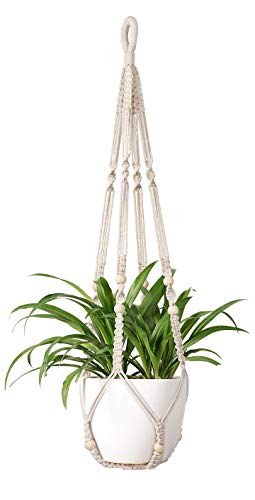
Pots and plants are not included!!
4. Focus on Natural Light
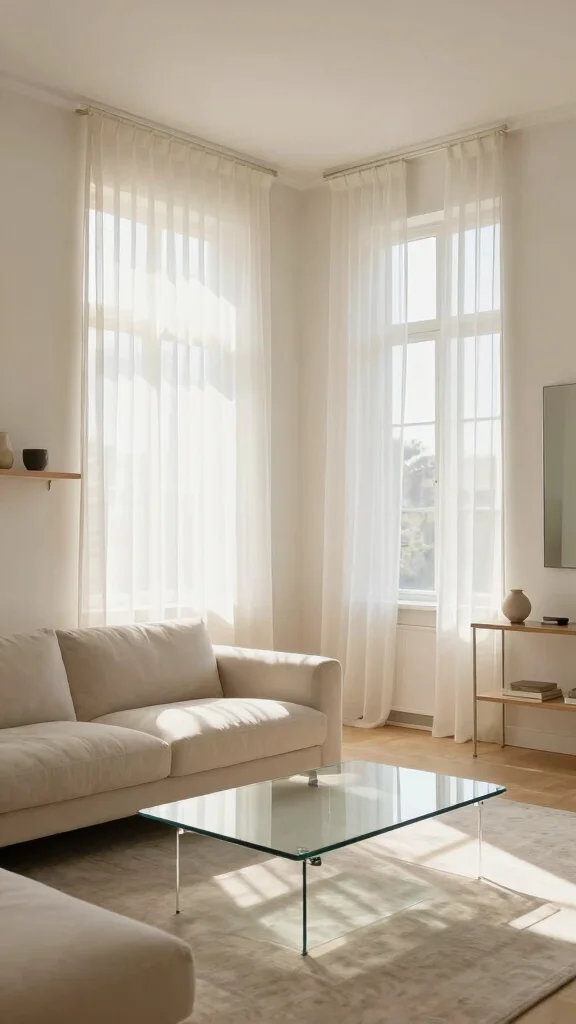
Natural light is a vital component that enhances the beauty of any minimalist living room.
Maximize your windows and opt for sheer curtains to let sunlight flow while preserving privacy.
This strategy not only brightens the space but also promotes a feeling of openness and well-being.
Consider these lighting tips:
– Avoid heavy draperies to maintain an airy vibe.
– Place mirrors strategically to reflect light and create depth.
– Embrace open layouts to enhance the natural light flow.
By focusing on natural illumination, your living room will feel warm and welcoming.
Recommended Products

Machine Washable & Effortless Cleaning: Loongrug washable rug simply toss in washing machine for a quick refresh. Its stain-resistant material makes spot cleaning a breeze and easy to vacuum in low power.

SOFTNESS & COMFORT: Step into cloud-like comfort with our 8x10 area rugs—unlike thin, mat-like competitors, ours are crafted from ultra-soft microfiber for a soft, cushioned feel underfoot. Perfect as bedroom rugs or cozy additions to high-traffic spaces, these soft, sumptuous rugs elevate everyday living while complementing family life

Versatile Modern Border Design:Featuring a sleek, geometric border pattern in neutral beige tones, this washable rug effortlessly complements boho, farmhouse, minimalist, and contemporary decor styles, blending seamlessly with your furniture to elevate any room
How To Choose Sustainable Minimalist Furniture for Your Living Room
When designing a minimalist living room, selecting the right furniture is key. Sustainable furniture not only transforms your space but also benefits the environment. Here are some essential criteria to consider when making your choices:
1. Material Quality
Look for furniture made from sustainable materials like bamboo, reclaimed wood, or recycled metal. These materials are not only eco-friendly but also durable. Check for certifications like FSC (Forest Stewardship Council) to ensure responsible sourcing. High-quality materials also mean your pieces will last longer, reducing the need for replacements.
2. Size and Space
Measure your living room to understand the dimensions you’re working with. Choose furniture that fits comfortably without overcrowding. A couch that takes up too much space can make a room feel cramped, whereas a well-sized piece can enhance openness. Remember to leave room for pathways and movement, which is key in minimalist design.
3. Functionality
Select items that serve multiple purposes to maximize your space. Consider a coffee table that doubles as storage or a sofa bed for guests. Functional furniture helps keep your living space tidy and organized, which is a hallmark of minimalist design. Think about how each piece will serve you beyond just its appearance.
4. Aesthetic and Design
Stick to simple, clean lines that embody minimalist aesthetics. Scandinavian design often features light woods and neutral tones, making your space feel bright and airy. Avoid overly ornate or bulky furniture as it can detract from the minimalist vibe. Aim for pieces that complement your overall design theme while offering visual harmony.
5. Sustainability and Ethics
Research the brand’s commitment to sustainability. Look for companies that prioritize ethical manufacturing processes and fair labor practices. Furniture made from sustainably sourced materials tends to carry a smaller carbon footprint. Your choices can support environmentally conscious businesses and promote sustainable living.
6. Budget Considerations
Set a realistic budget before you start shopping. Sustainable furniture can sometimes come with a higher price tag due to the quality of materials and craftsmanship. However, consider it an investment. Spending a little more on durable, timeless pieces can save you money in the long run by reducing the frequency of replacements.
Pro Tip: Don’t rush your purchase. Take your time to explore different styles and brands, and consider second-hand options. Thrift stores or online marketplaces often have unique items that align with both your design vision and budget. Plus, buying second-hand is a fantastic way to practice sustainability!
By carefully considering these factors, you can create a cozy, minimalist living room that reflects your values and enhances your daily life. Investing in sustainable furniture not only beautifies your home but also allows you to contribute positively to the planet. Enjoy the process of designing your space with intention and mindfulness!
Recommended Products
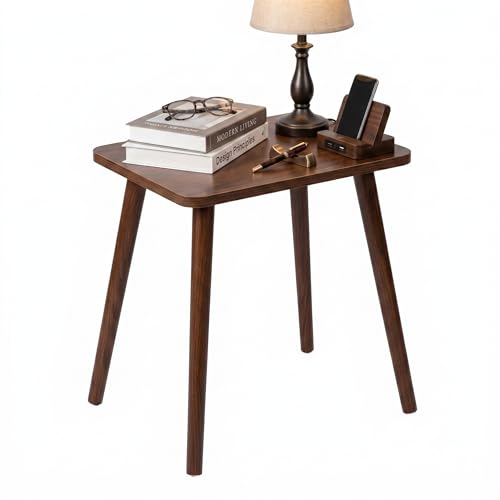
High Quality Material: Crafted from thickened MDF board, the tabletop is perfect for a remote control, coffee or book. Solid wood legs provide stable support. Anti-slipping rubber pads at the bottom of this small white tables living room can avoid scratching the floor

Mid-Century Modern Aesthetic: Featuring a tambour design paired with a round top, this drum coffee table from the MIRIANA Collection delivers a light yet layered visual effect. Complete the look with matching side tables and TV stands

Modern Round Coffee Table: This coffee table features a stylish design and a perfect combination of storage space under the lid, the unique mushroom shape with fluted design will effortlessly blend with your existing decor, whether you prefer a contemporary or minimalist style
5. Minimalist Artwork
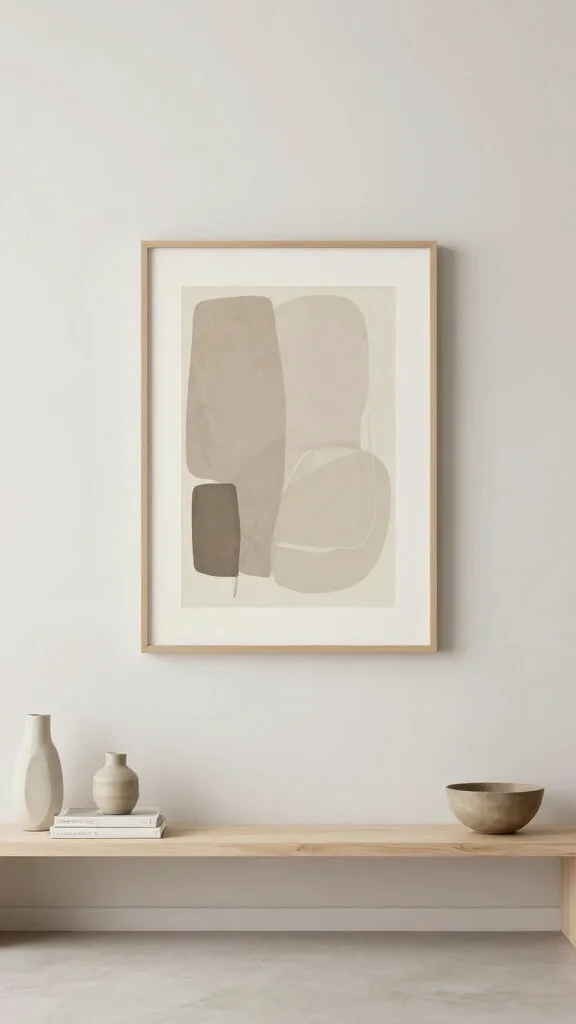
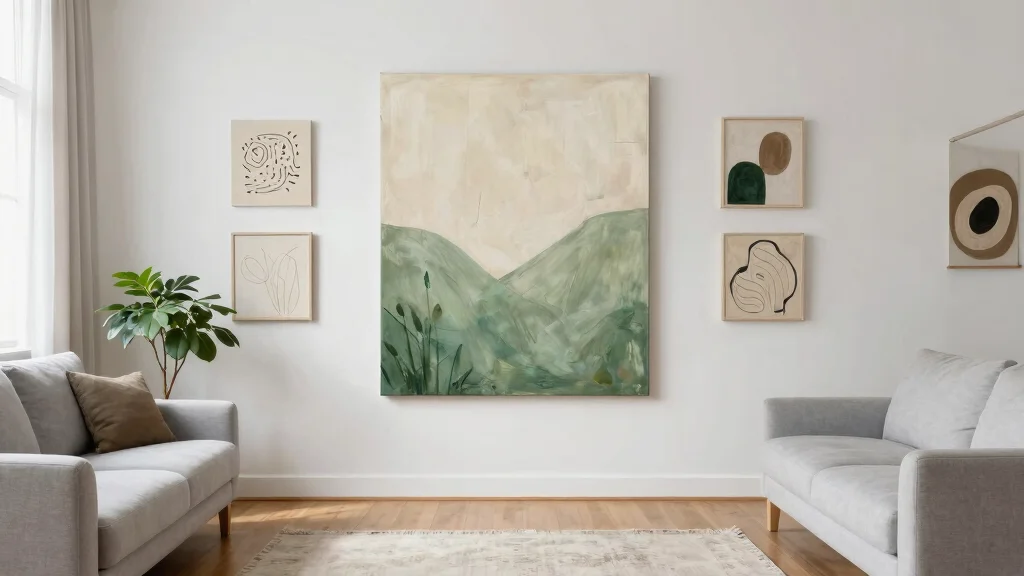
Artwork can significantly enhance a minimalist space while keeping the overall aesthetic simple and elegant.
Opt for pieces that embody simplicity, such as abstract designs or monochromatic prints.
This approach allows you to maintain a clean look while adding personality to your living room.
Use these strategies for your artwork:
– Limit to a single statement piece for maximum impact.
– Choose simple frames that complement without overshadowing.
– Create a cohesive gallery wall with thoughtfully spaced pieces.
Thoughtfully selected artwork can bring life and character to your minimalist design.
Recommended Products
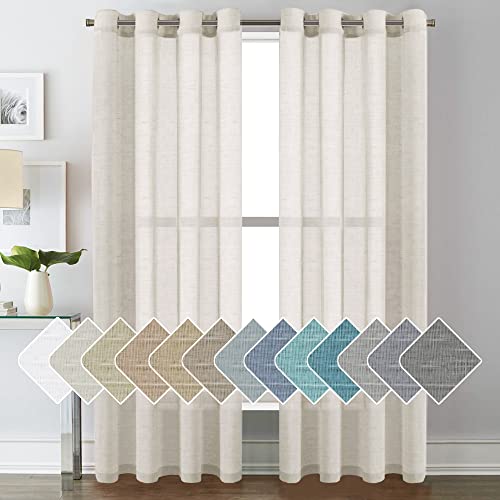
WELL MADE: Sold per pair(set), including 2 linen sheer panels - Panel measures: 52 x 84 - inches|Set measures: 104 x 84 - inches. Each panel has 8 nickel grommets, constructed with head height: 4", bottom hem: 2", fitting up to 1 1/4 inches curtain rods/poles

WELL MADE: Sold as 2 panels, each panel is W52" x L90", and W104" x L90" in total. Each curtain panel has 2-in-1 top style design: rod pocket and back tab. With 3-inch inner diameter fit most standard rod. Curtains also can be hung with clip rings. 3 ways meet your various needs.

Basic Information: Includes 2 curtain panels, each measuring 50 inches wide for a total of 100 inches. Easy care for machine washable in cold water, do not bleach, tumble dry low, iron on low heat if needed.
6. Textiles and Fabrics
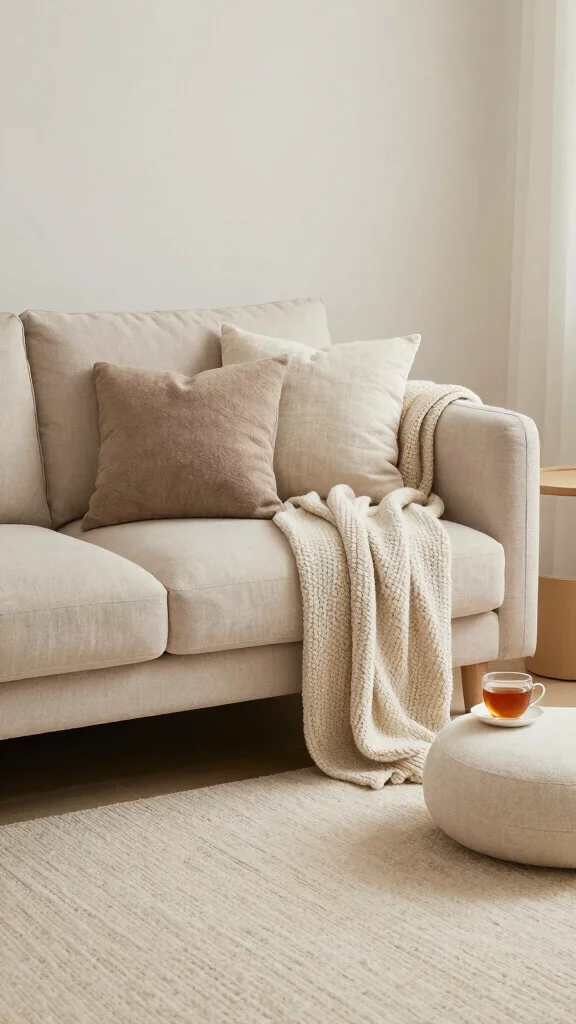
While minimalism values simplicity, the right textiles can introduce warmth and comfort to your living room.
Embrace cozy fabrics that enhance your space’s atmosphere without overwhelming the senses.
Choosing the right materials can create an inviting environment that still adheres to minimalist principles.
Implement these textile ideas:
– Use natural fibers like wool and linen for softness.
– Layer different rugs to create texture underfoot.
– Add a simple throw blanket for coziness on your sofa.
Carefully selected textiles can transform your living room into a comfortable retreat.
Fun fact: Textiles account for up to 40% of a room’s perceived warmth without adding bulk. In interior design living room minimalist setups, natural fibers like wool and linen layer comfort while keeping the space serene.
Recommended Products

Luxurious Comfort with High-Density Foam: Experience the epitome of comfort with our square ottoman, meticulously crafted with high-density, high-resilience foam. This superior filling ensures that every sit is a plush, supportive experience, perfect for resting your feet after a long day or doubling as additional seating for guests. The foam's resilience maintains its shape through continuous use, ensuring lasting comfort

Multifunctional Ottomans: Double as side tables, footrests, or extra seating. Reconfigure them endlessly to match your mood or space needs

【QUICK ASSEMBLY, EASY FOLDAWAY】This storage ottoman from the SONGMICS MAZIE Collection has a foldable design that allows quick setup in seconds by simply inserting the bottom panel. Easily fold and store it under the bed or in a closet when not in use.
7. Indoor Greenery
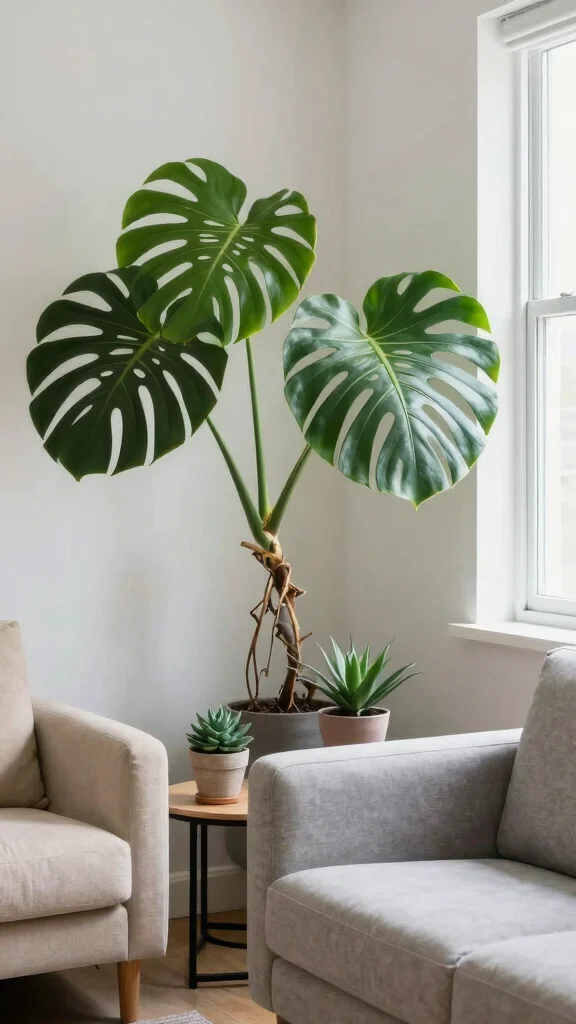
Incorporating indoor plants not only beautifies your space but also enhances air quality.
Select low-maintenance greenery that aligns with minimalist aesthetics, adding life without cluttering the area.
This natural touch can create a refreshing atmosphere in your living room.
Consider these plant ideas:
– Choose a statement plant like a monstera for visual impact.
– Group small succulents or cacti for subtle pops of color.
– Vary leaf textures to enhance visual interest.
Integrating greenery harmonizes beautifully with minimalist decor while softening the space.
Recommended Products


6 plants,more spaces to style: Includes six different mini artificial succulents to display together or spread across desks, shelves and bathroom counters. Each plants is about 3.14" tall (1.77" pot) in white plastic pot, and comes ready to display.

Unique Design: These small fake plants include 3 black Human-Shaped Pots, and the desk plants' surface covered with flocking coating material to make it more lifelike
8. Thoughtful Lighting
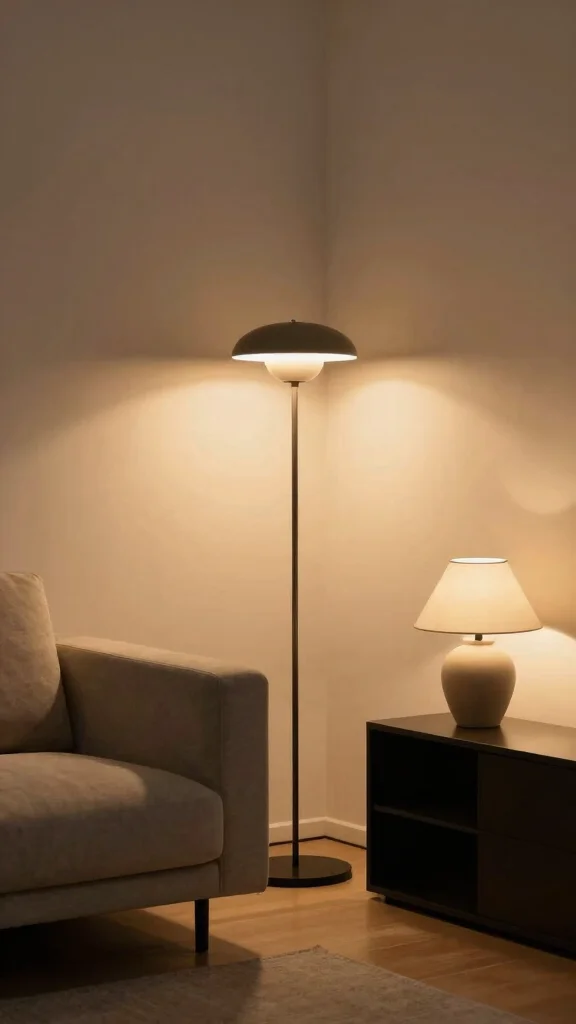
Lighting is crucial in setting the mood for a minimalist living room.
Aim for a blend of ambient, task, and accent lighting to create a welcoming atmosphere.
Well-planned lighting can make your space feel open and inviting, aligning with minimalist values.
Use these lighting techniques:
– Incorporate a sleek floor lamp for style and illumination.
– Add sculptural table lamps to surfaces for visual interest.
– Choose dimmable lights for adjustable ambiance.
Thoughtful lighting choices will enhance the overall aesthetic and functionality of your living room.
Fun fact: A well-balanced lighting plan with ambient, task, and accent layers can make a minimalist living room feel up to 40% larger. For interior design living room minimalist vibes, mix floor lamps and sculptural table lamps to keep the space calm yet inviting.
You might also like
9. Open Space and Layout
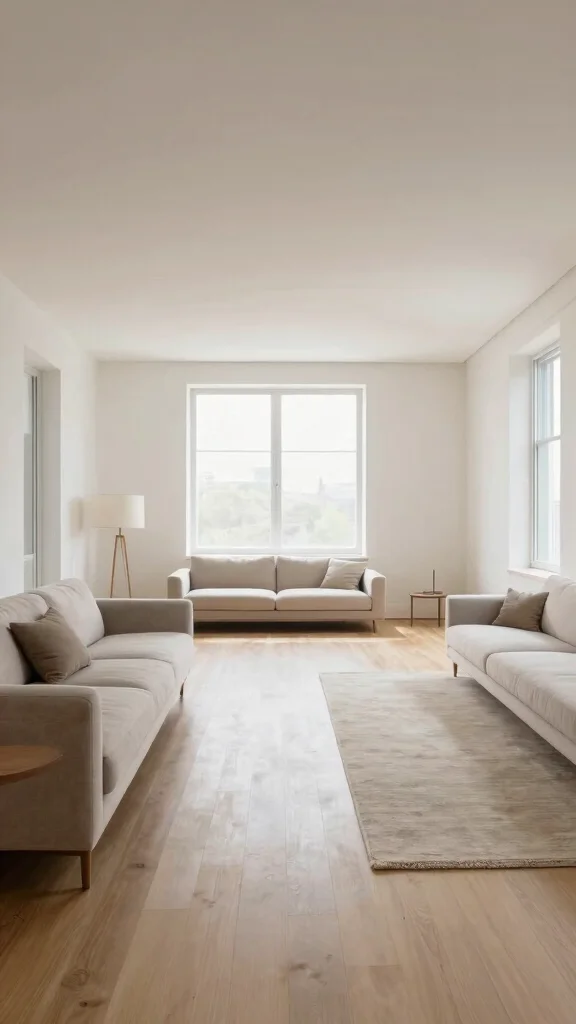
An open layout encourages a sense of freedom and fluidity in a minimalist living room.
Reflect on how your furniture arrangement influences the overall feel of the space.
This mindful layout can promote relaxation and ease of movement.
Keep these layout tips in mind:
– Ensure clear pathways for easy navigation.
– Use rugs or furniture to define separate areas.
– Avoid overcrowding by selecting essential pieces only.
A well-planned open layout fosters a tranquil and spacious environment.
10. Smart Storage Solutions
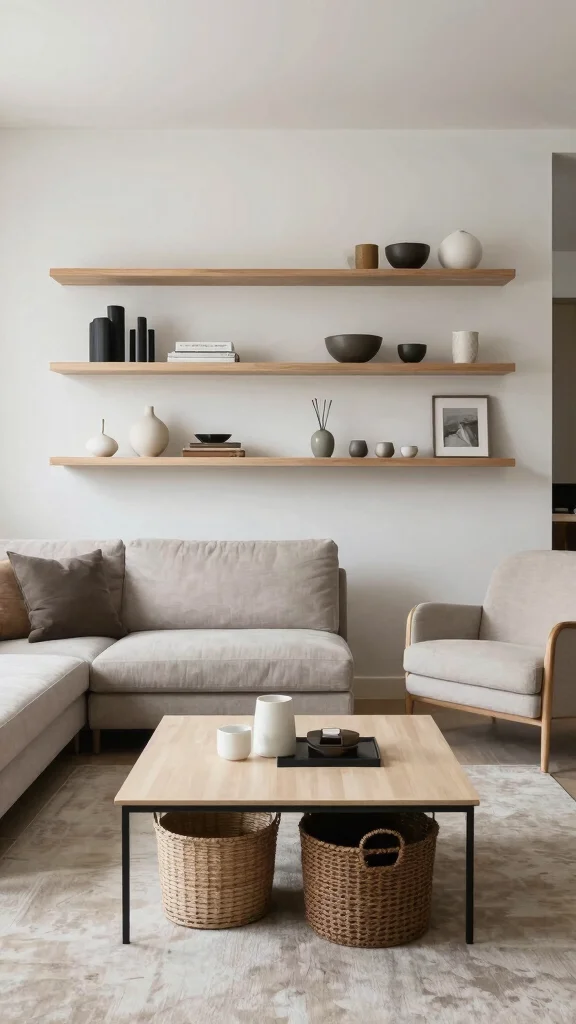
Effective storage is key to maintaining a clutter-free minimalist living room.
Incorporate smart storage solutions that blend seamlessly with your decor, keeping unnecessary items out of sight.
These strategies help you achieve a serene and organized atmosphere.
Consider these storage ideas:
– Invest in multi-functional furniture with hidden storage.
– Use floating shelves to display decor without taking up floor space.
– Incorporate stylish baskets for easy organization.
Prioritizing smart storage will enhance the minimalist ethos of your living area.
11. Personal Touches
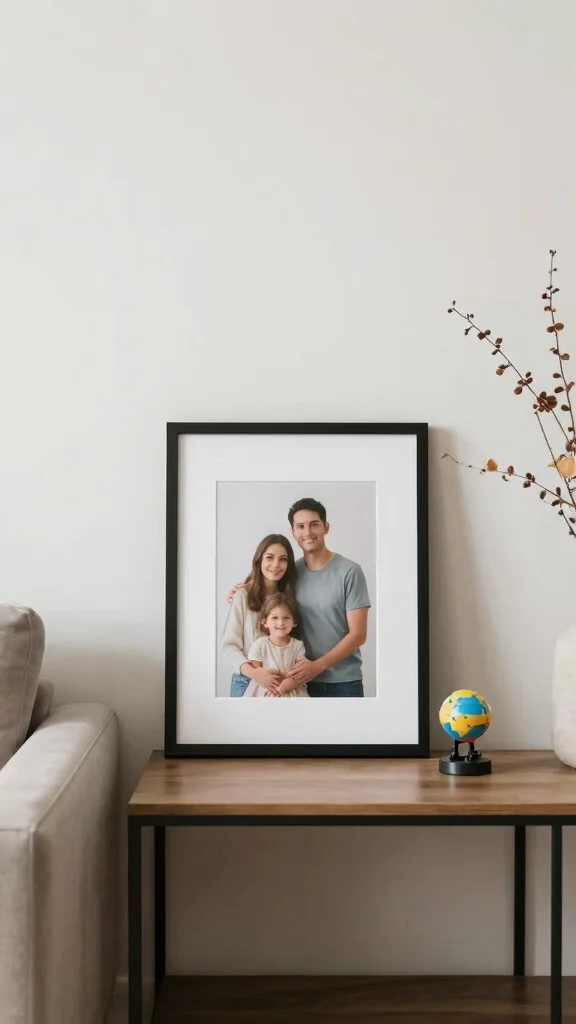
While minimalism emphasizes simplicity, personal touches add warmth and character to your living space.
Include items that reflect your personality in a curated, unobtrusive manner.
These thoughtful additions enrich your living room while keeping it stylish.
Think about these personal touch ideas:
– Display family photos in simple frames to share memories.
– Showcase travel souvenirs that resonate with you.
– Rotate seasonal decor to keep the space feeling fresh.
These elements narrate your story, making your living room uniquely yours.
“Personal touches make a minimalist space feel like home. Keep it simple: rotate a few travel souvenirs or family photos in clean frames, and let meaningful pieces guide your interior design living room minimalist vibe without clutter.”
12. Embrace Open Shelving
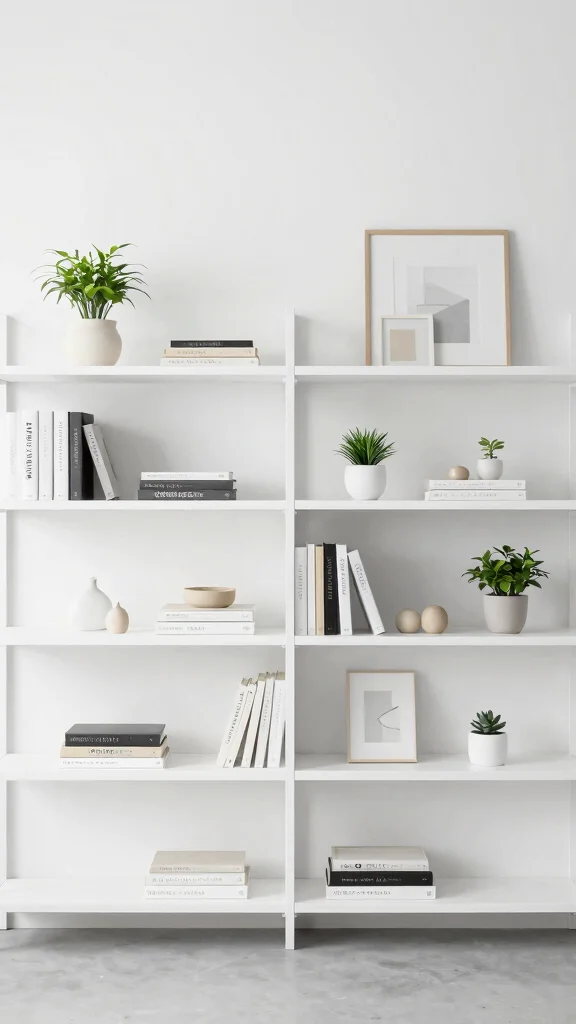
Open shelving is a practical way to maintain a minimalist look while showcasing your personality.
When styled thoughtfully, shelves can enhance your room’s charm without creating clutter.
This approach invites creativity and organization into your decor.
Consider these open shelving tips:
– Create curated displays with a few well-chosen items.
– Vary heights and textures for visual appeal.
– Regularly clean your shelves to prevent clutter buildup.
Open shelving serves as both storage and an opportunity to express your style.
13. Use of Negative Space
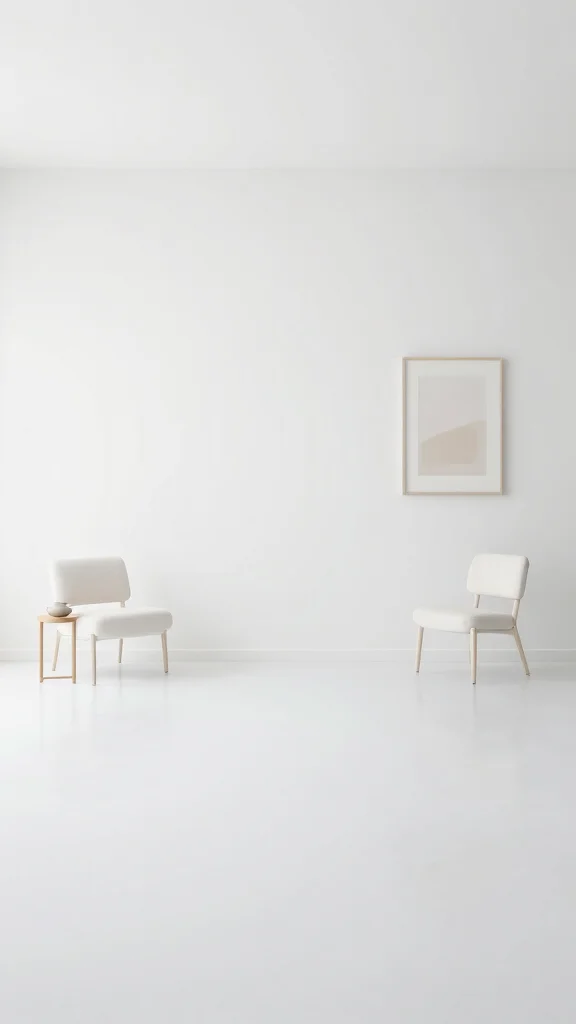
Negative space, or the areas around objects, plays a significant role in reinforcing a minimalist ambiance.
Highlighting these empty areas draws attention to the important features and promotes tranquility.
This principle encourages a calm and inviting living environment.
Implement these negative space strategies:
– Limit decor items to allow each piece to shine.
– Maintain adequate space between furniture for visual breathing room.
– Regularly declutter to ensure everything serves a purpose.
Embracing negative space helps your living room feel serene and spacious.
14. Incorporate Natural Elements
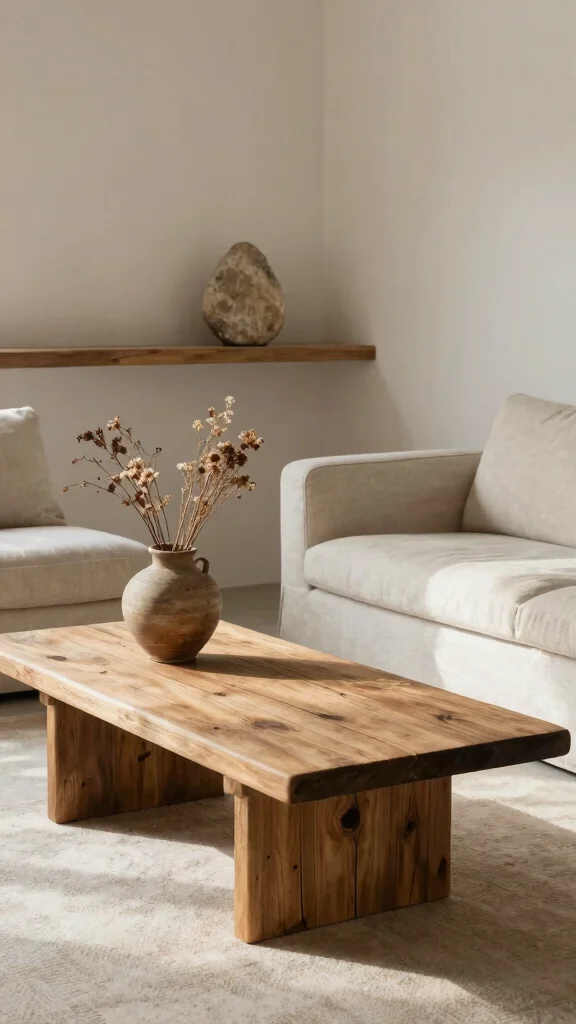
Integrating natural elements into your living room adds grounding and enhances its cozy appeal.
Using materials like stone, wood, or clay introduces warmth while promoting sustainability.
This connection to nature enriches your space and aesthetic.
Consider these natural elements:
– Choose wooden accents from reclaimed sources for warmth.
– Incorporate stone decor, like a marble vase, for elegance.
– Use textured fabrics with natural fibers to enhance the organic feel.
Natural elements contribute to a welcoming atmosphere in your minimalist living room.
You Might Also Like
15. Functional Accessories
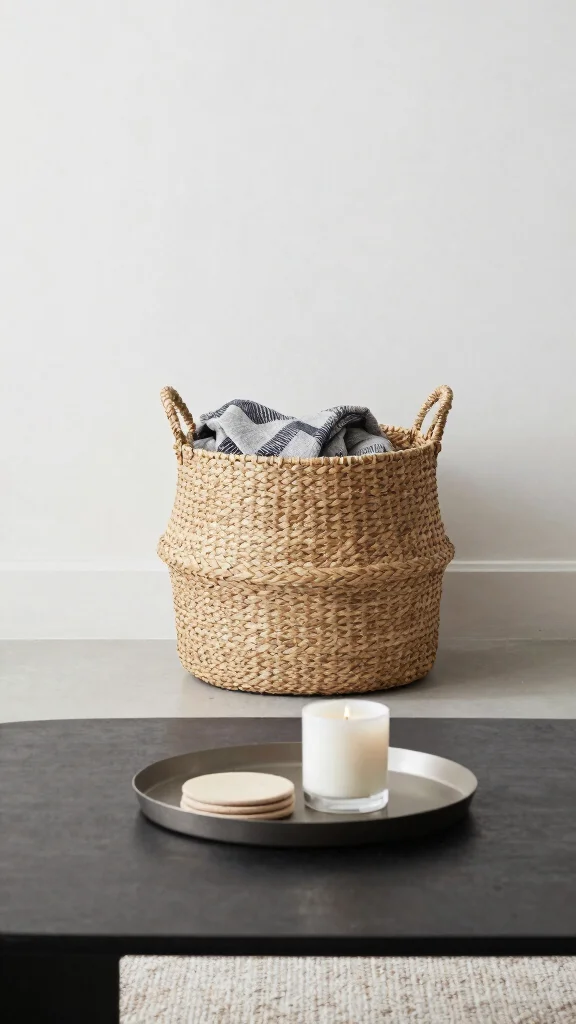
In a minimalist living room, accessories should serve a purpose while enhancing the design.
Prioritizing functionality ensures that each item contributes to the overall aesthetic without adding clutter.
This approach helps maintain a sleek and stylish environment.
Explore these functional accessory ideas:
– Use chic storage bins that complement your decor.
– Select multipurpose items to minimize the number of accessories.
– Keep decor items simple and functional for a clean look.
Functional accessories help uphold the minimalist philosophy while keeping your space practical.
16. Monochromatic Themes
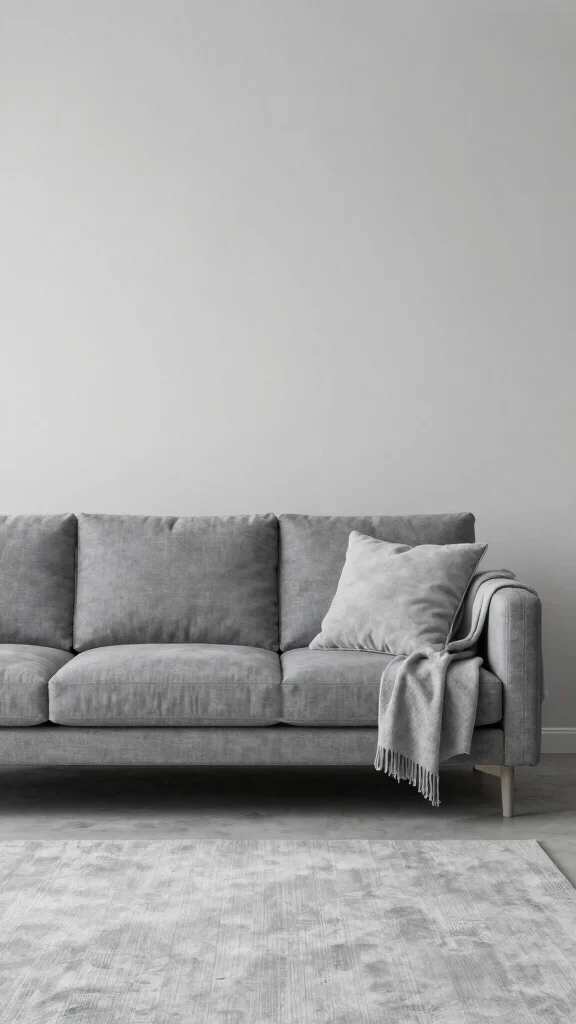
A monochromatic theme creates a striking, cohesive look in your minimalist living room.
By using varying shades of a single color, you can add depth while maintaining simplicity and elegance.
This method results in a unified design that feels both dynamic and inviting.
Implement these monochromatic strategies:
– Select a base color like gray or beige for your palette.
– Incorporate varying shades and tones to enrich the design.
– Mix textures to maintain interest without overcrowding.
This approach fosters a seamless and sophisticated atmosphere.
17. Create Cozy Reading Nooks
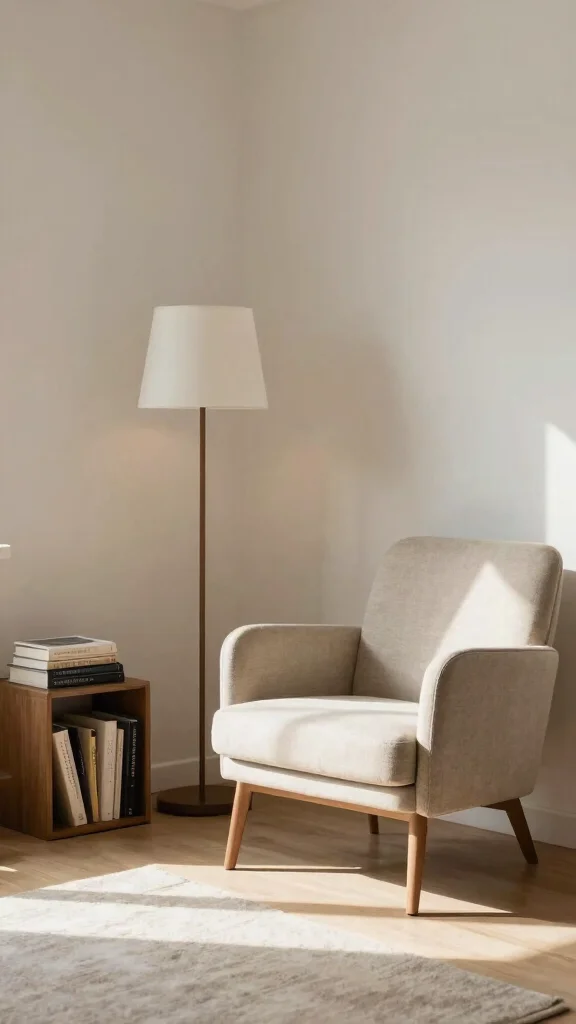
A cozy reading nook provides a perfect retreat within your minimalist living room.
Furnish the area with comfortable seating and adequate lighting to foster relaxation.
This dedicated space encourages quiet moments while complementing minimalist design.
Think about these reading nook ideas:
– Choose a stylish chair or daybed for comfort.
– Pair with a functional floor lamp for perfect lighting.
– Incorporate books in a small shelf or basket nearby.
A cozy reading nook enhances the tranquility of your living room while inviting you to unwind.
18. Open Concept Integration
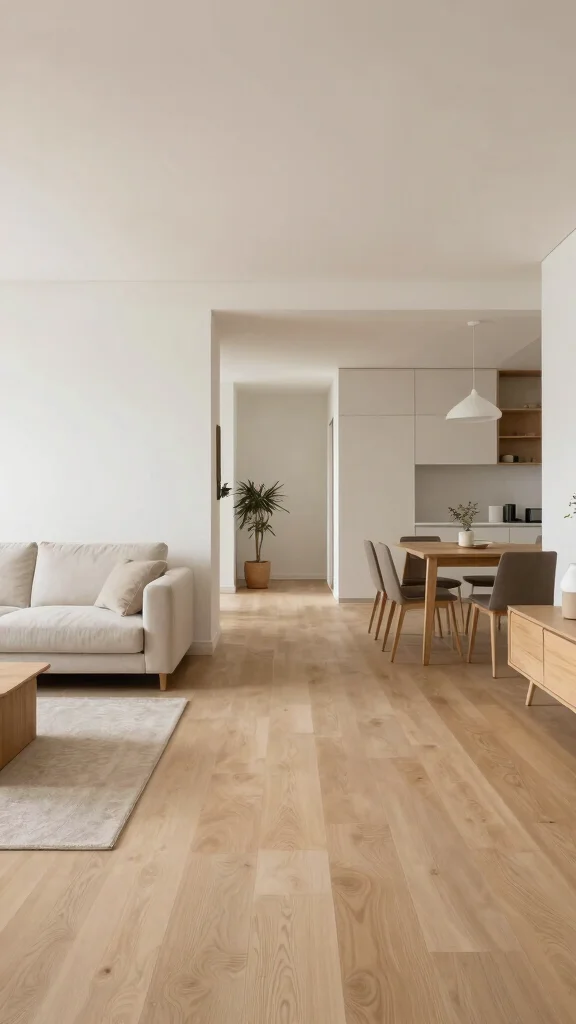
Integrating your living room with adjacent spaces promotes a minimalist aesthetic, enhancing openness and flow.
Consider how your living area connects with the kitchen or dining room to maximize space.
This arrangement encourages social interaction and a sense of unity.
Use these integration strategies:
– Maintain consistent flooring throughout for visual continuity.
– Harmonize your color palette between spaces for cohesion.
– Place furniture strategically to guide the eye and maintain functionality.
An open concept not only maximizes your living area but also aligns with minimalist values.
19. Seasonal Decor Swaps
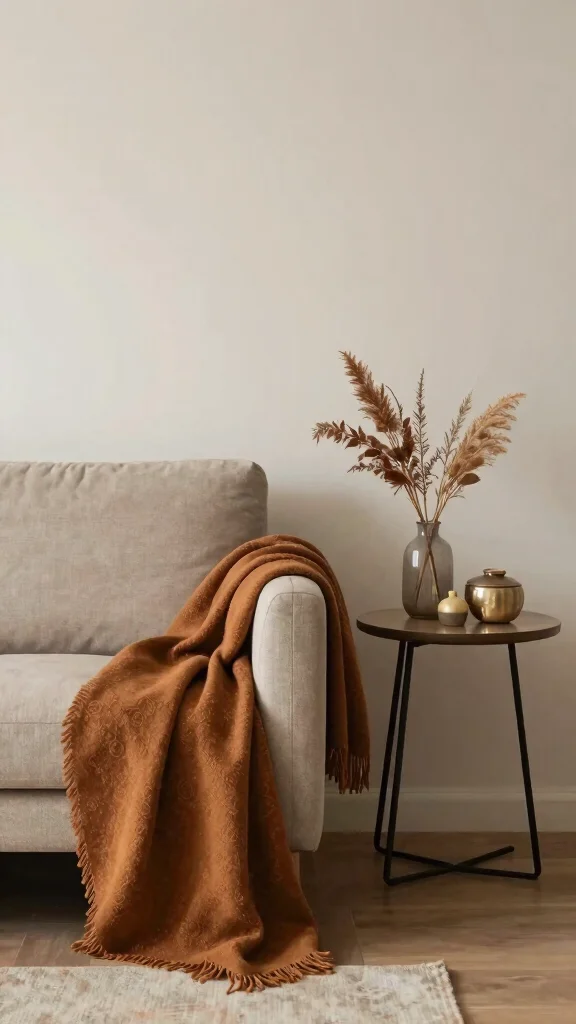
Seasonal decor swaps keep your minimalist living room feeling fresh and inviting throughout the year.
Embrace subtle changes that reflect the seasons without overwhelming the space.
These small adjustments can enliven your environment while adhering to minimalist principles.
Consider these seasonal ideas:
– Change textiles like throw pillows for seasonal colors.
– Incorporate seasonal plants that match the time of year.
– Rotate decor items every few months for variety.
Such simple updates breathe new life into your living room while maintaining a minimalist feel.
Conclusion
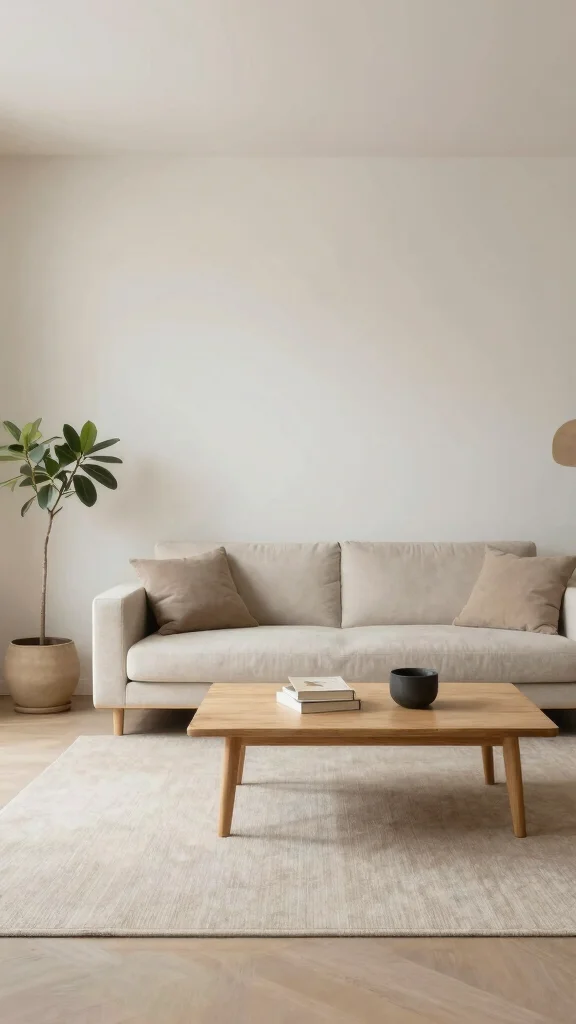
Embracing minimalist design in your living room allows for a serene and functional space that reflects a sustainable lifestyle.
By incorporating these 19 inspiring ideas, you can create a cozy, stylish environment while minimizing clutter and maximizing comfort.
Whether it’s through thoughtful decor choices or mindful organization, your living room can be a true reflection of your values and aesthetics.
Frequently Asked Questions
What does interior design living room minimalist mean, and how can I start a sustainable minimalist living room?
Interior design living room minimalist means creating a calm, functional space with fewer, better pieces. It focuses on clean lines, clutter-free layouts, and sustainable choices.
To start: declutter to reveal essential pieces, choose a neutral base palette with warm accents, pick durable, sustainably sourced furniture, use multi-functional items, maximize natural light, and add energy-efficient lighting. This approach supports cozy minimalist spaces and aligns with Scandinavian design aesthetics and minimalist home decor.
How can I choose furniture for a sustainable minimalist living room?
Begin with the pieces you actually use and love, keeping scale in mind and favoring low-profile, timeless silhouettes. For sustainability, choose furniture with solid wood or metal frames, FSC-certified materials, and durable upholstery. Opt for modular or multi-functional items that adapt as your needs change. Buy fewer, higher-quality pieces, or explore second-hand or sustainably produced options. This approach fits minimalist home decor ideas and supports simple interior design without waste.
What color palettes and materials work best for cozy minimalist spaces?
Stick to warm neutrals like ivory, taupe, and soft gray as a base, with black or charcoal accents for contrast. Use materials such as natural wood, linen, cotton, wool, jute, and cork — all sustainable and tactile. Matte surfaces feel calmer than glossy ones, and textures add warmth without clutter. Finish the look with a few well-chosen plants and Scandinavian design aesthetics to keep the space airy and inviting; it embodies simple interior design that remains cozy.
What are some modern living room ideas that stay true to sustainability and simplicity?
Focus on light, airflow, and durable pieces. Let daylight be your main lighting by seating near windows and using sheer curtains. Choose energy-efficient LED lighting and smart controls. Create a single focal point (a piece of art or a view) and keep other decor minimal. Add hidden storage with clean lines to reduce visible clutter. Use upcycled or timeless furniture and limit color variations to 2–3 hues. This aligns with modern living room ideas and Scandinavian design aesthetics within a simple interior design framework.
How do I maintain a sustainable minimalist living room without sacrificing coziness?
Establish a simple maintenance routine: weekly tidy, monthly refresh of textiles, and seasonal decor rotation to keep things feeling new. Choose washable fabrics and durable upholstery that age well. Use warm lighting and soft textiles to boost coziness without adding clutter. Practice mindful shopping—add only pieces that truly enhance the space, and repair or repurpose items when possible. With these habits, you’ll enjoy cozy minimalist spaces and a sustainable interior design living room minimalist vibe every day.
Related Topics
interior design
minimalist decor
modern living room
sustainable design
cozy spaces
Scandinavian aesthetics
simple interiors
budget friendly
beginner friendly
minimalist lifestyle
open concept
functional furniture