
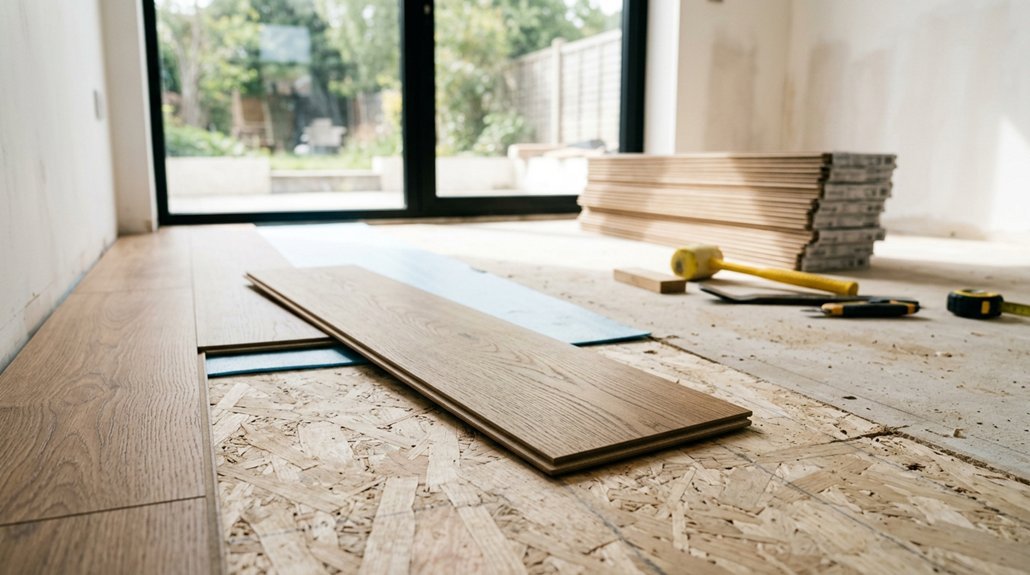


You need to know exactly what you’re paying for when you see “waterproof” on laminate flooring labels. That rating isn’t a simple yes-or-no promise. It measures surface resistance, core density, and edge sealing quality, with AC ratings (Abrasion Class) showing wear resistance from AC1 (light home use) to AC5 (heavy commercial traffic).
Water can still seep to your subfloor within 24 hours if spills sit, or joints stay unsealed. Certifications help, but installation details matter more than marketing claims. Before you buy, you’ll want to check five specific specs that separate real protection from expensive wishful thinking.
Waterproof vs. Water-Resistant Laminate: What’s the Real Difference?
Why
Recommended Products

【Non-PVC】:Unlike SPC flooring, dotfloor's innovative hybrid wood flooring uses a novel composite wood base that is free of PVC and harmful gases. It's safe for children and pets to play on, making it suitable for children's rooms, bedrooms, bathrooms, and more.

The Package Includes: The package will contain 2 rolls thermal laminating film with dimensions of 25 inches by 500 inches.This will reduce downtime for schools, offices and printing shops and lower supply costs. Perfect for busy educations

【Non-PVC】:Unlike SPC flooring, dotfloor's innovative hybrid wood flooring uses a novel composite wood base that is free of PVC and harmful gases. It's safe for children and pets to play on, making it suitable for children's rooms, bedrooms, bathrooms, and more.
How Waterproof Laminate Ratings Work: AC5, Core Types, and Certifications
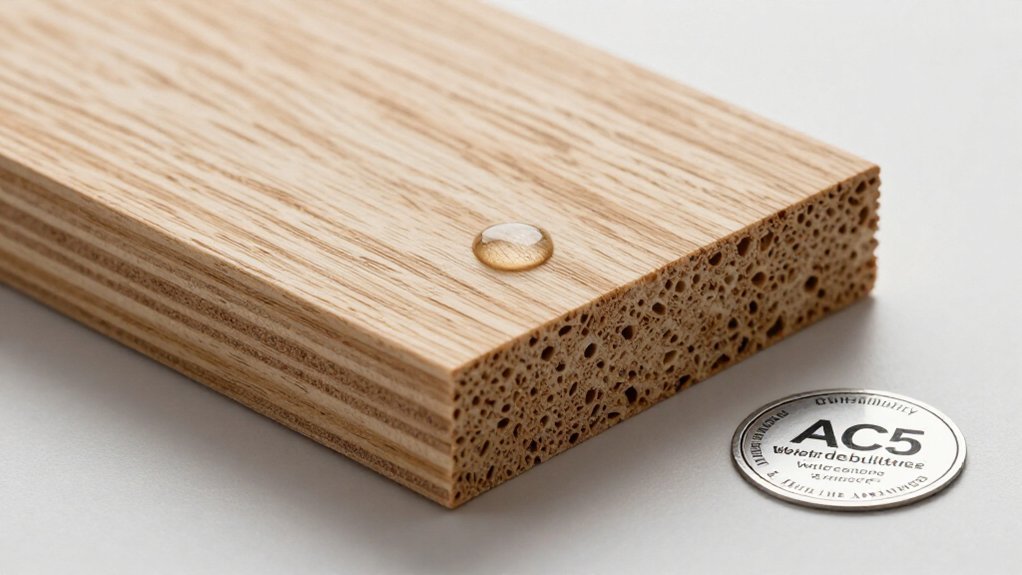
How do you actually know if a laminate floor can handle water? You look beyond surface claims to three critical factors: AC ratings, core types, and certifications.
AC ratings measure durability, not waterproofing. AC5 offers top wear resistance for busy homes, but it doesn’t guarantee moisture resistance.
AC ratings tell you how tough your floor is, not how dry it stays.
True waterproof laminate depends on what’s inside. Waterproof HDF cores or optimized cores resist water intrusion far better than standard cores, swelling less when exposed.
Certifications from independent labs give you proof, not promises. Check for test reports verifying waterproof claims before you buy.
Finally, installation sealing determines real-world performance. You must seal perimeter edges, use proper underlayment, and address subfloor moisture. Without these steps, even premium AC5 planks fail. Check every layer, demand documentation, and seal thoroughly.
Recommended Products

Flexible design for curved surfaces: Unlike rigid quarter round molding, this bendable silicone trim easily wraps around curved stairs, columns, rounded walls and irregular edges. The unique hollow winged core structure provides softness and shape retention for a seamless finished look
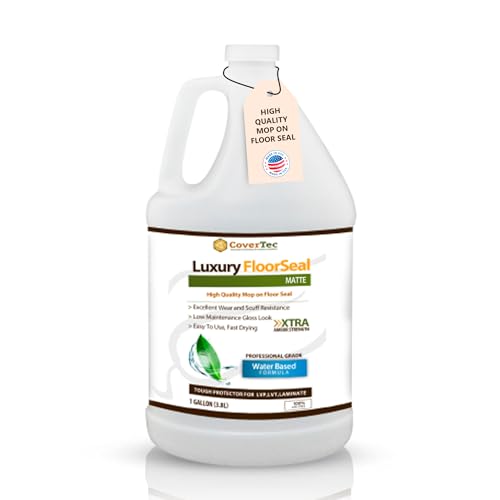
Exellent Wear and Scuff resistance/Low Maintenance Matte Look/Easy tu Use, Fast Drying

QUICK AND EASY Self Laminating sheets laminate your documents without any laminator easy and quick
How Fast Water Damages Laminate: Timelines, Warning Signs, and Mold Risks
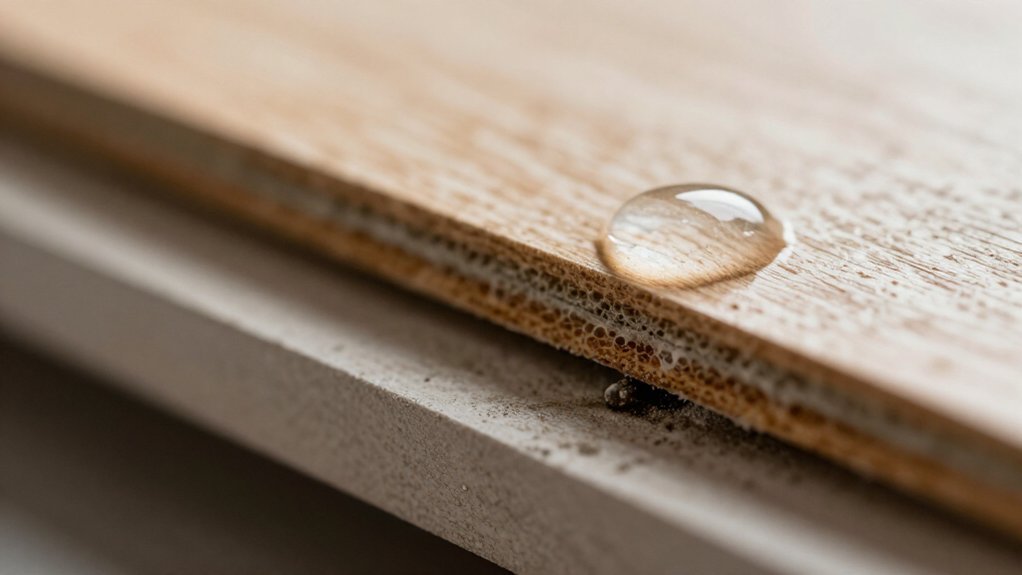
You’ve checked the specs, but specs don’t show you what happens when water actually hits your floor.
Water Damage Timeline
Your water damage timeline starts immediately. Spills left for hours soak through seams, reaching the subfloor within 24–48 hours. Higher water resistance delays this, but waterproof vs water-resistant matters: true waterproof laminates block moisture entirely, while water-resistant products only slow absorption.
Warning Signs
Watch for buckling, warping, or planks loosening. Dark streaks signal trouble. These appear after prolonged moisture exposure, especially following severe spills you don’t clean promptly.
Mold Risk
Once moisture reaches your subfloor, mold risk spikes. You’ll notice musty odors first. Mold grows fast in damp conditions.
Protect Yourself
Check laminate certifications and test reports. Marketing claims like “100% waterproof” often misrepresent actual performance.
Recommended Products

For use as a vapor barrier when installing Vinyl, laminate, SPC and engineered wood flooring

For use under laminate and engineered wood flooring
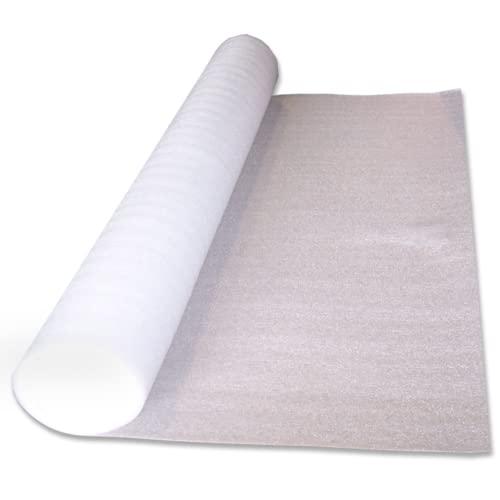
Multipurpose Foam Underlayment – Ideal for laminate and engineered wood flooring; bridges minor subfloor imperfections for a smoother surface.
Making Waterproof Laminate Last: Sealing, Maintenance, and Installation Tips
Where does waterproof laminate actually fail? At the seams, edges, and any gap you’ve left unchecked during installation. You’re fighting moisture at these weak points, and sealing gives you an edge.
Waterproof laminate fails where you forget to look: seams, edges, and unchecked gaps.
During installation, apply silicone or dedicated sealant to plank edges. This reduces seepage between boards. Add top coats or sealants made for laminate, creating an extra moisture barrier beyond the factory wear layer.
Install a moisture barrier underlayment beneath your flooring, and keep seams tight. Block water from below.
For maintenance, wipe spills immediately. Don’t flood your mop. Use cleaners labeled for laminate only. General products break down seals, letting water penetrate.
Your waterproof laminate lasts when you treat seams like vulnerabilities, not afterthoughts. Seal well, maintain consistently, and you’ve bought yourself real protection.
Recommended Products
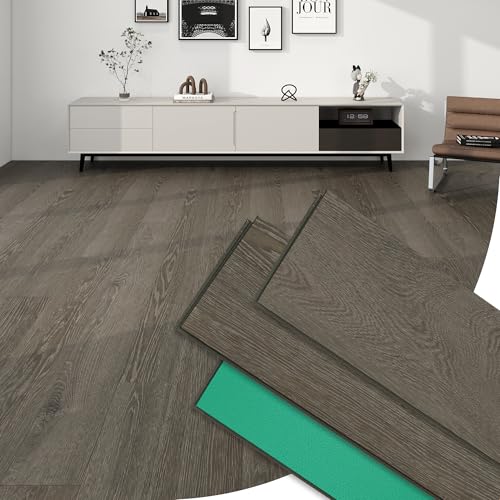
【Non-PVC】:Unlike SPC flooring, dotfloor's innovative hybrid wood flooring uses a novel composite wood base that is free of PVC and harmful gases. It's safe for children and pets to play on, making it suitable for children's rooms, bedrooms, bathrooms, and more.
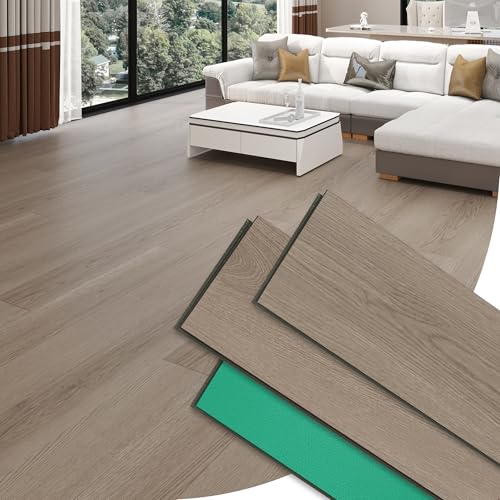
【Non-PVC】:Unlike SPC flooring, dotfloor's innovative hybrid wood flooring uses a novel composite wood base that is free of PVC and harmful gases. It's safe for children and pets to play on, making it suitable for children's rooms, bedrooms, bathrooms, and more.

【Non-PVC】:Unlike SPC flooring, dotfloor's innovative hybrid wood flooring uses a novel composite wood base that is free of PVC and harmful gases. It's safe for children and pets to play on, making it suitable for children's rooms, bedrooms, bathrooms, and more.
Where Waterproof Laminate Works (and Where It Doesn’t): Room-by-Room Guide
You’ve sealed the edges, locked the seams, and committed to proper maintenance. Now, use this room-by-room guide to match waterproof rating with real-world demands.
Kitchens & Mudrooms
You get solid performance here. High foot traffic with occasional spills tests moisture resistance, but prompt cleanup and tight installation techniques keep edge seepage at bay. Always add an underlayment barrier; trapped water below the planks invites mold.
Bathrooms & Basements
You proceed with caution. Even top waterproof rating laminate faces risk from standing water, steam, and subfloor dampness. Perimeter sealing helps, but vinyl often outperforms wood-based cores long-term.
Living Spaces & Bedrooms
You maximize value here. Low moisture exposure lets the flooring shine without extreme protective measures.
Skip waterproof laminate in saunas, unsealed utility rooms, or anywhere flooding occurs regularly. Match the product to the room, and you’ll avoid costly replacement.
Recommended Products
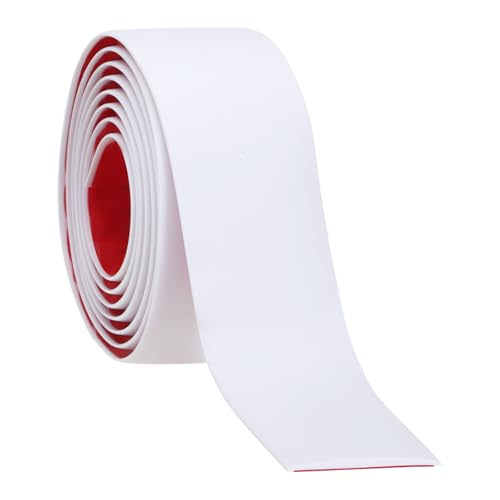
Color: White, Material: Vinyl, Overall Size: 40 mm x 6 m / 1.6 in x 19.68 ft (WxL), Maximum Thickness: 3.5 mm / 0.14 in; Packing List: 1 Pack x Self Adhesive Floor Transition Strip

FAST, RENTAL-FRIENDLY NO-TOOL SOLUTION: Built for seamless floor gap repairs and damaged edge covers This flexible floor divider strip cuts easily to fit.Simply peel the backing and instantly stick on clean, smooth surfaces between equal-height even tiles, laminate, vinyl, wood, or concrete No drilling or tools required The residue-free adhesive holds strong but removes cleanly without damaging floor paint; ideal as a floor gap fixing solution for any doorway, room divider, or floor seam
Flexible design for curved surfaces: Unlike rigid quarter round molding, this bendable silicone trim easily wraps around curved stairs, columns, rounded walls and irregular edges. The unique hollow winged core structure provides softness and shape retention for a seamless finished look
Buying Waterproof Laminate: 5 Specs That Actually Matter
When you’re shopping for waterproof laminate, you’ll want to zero in on specs that protect your investment, not just marketing hype. Core thickness rating tells you how much solid material stands between your floor and the subfloor, typically 8mm to 12mm, with thicker cores (10mm+) offering better stability and sound dampening.
Edge seal quality matters just as much, since those seams between planks are where water sneaks through first. You’ll need to check whether the manufacturer uses wax-impregnated edges, tight-locking profiles, or chemical coatings to block moisture at the perimeter.
Recommended Products

Large Area Coverage: This floor underlayment covers 100 sq. ft / 9.3 ㎡ per roll (366.14 x 39.37 x 0.12inch / 9300 x 1000 x 3mm). Ideal for large installations, it reduces construction time and material waste for quick, efficient flooring completion

AMERIQUE 800SQFT 4TH Generation Blue 2MM Thick Flooring;

3in1 Vapor Barrier Underlayment | 500 sq. ft bundle (5 rolls each 100 sqft)
Core Thickness Rating
Why does core thickness matter so much for waterproof laminate? Core thickness directly impacts how well your floor stands up to real-world abuse, and you’ll want to pay close attention to this spec.
Thicker cores, typically 8–12 mm, give waterproof laminates superior stability and moisture resistance. You’re getting a plank that resists warping when humidity shifts or spills sit too long. A robust wear layer often pairs with these heftier cores, so you gain scratch protection alongside water defense.
When you shop, demand exact measurements. Skip vague “thick” labels, and look for 8, 10, or 12 mm values instead. Some premium options use a waterproof HDF core with enhanced density, which blocks moisture ingress and supports edge seal integrity throughout the plank.
Always verify water resistance claims with actual test reports and certifications, even when the core looks substantial. Thickness helps, but it doesn’t replace proven performance data.
Edge Seal Quality
Core thickness gives your planks backbone, but water doesn’t always attack from above. You need to check edge seal quality, because that’s where moisture resistance truly gets tested.
Your edge seal determines waterproof performance at the planks’ perimeters. High-quality laminates use sealed, gummy or silicone-edged joints to block seepage between boards. Poor edge seals let capillary action pull water into the core, causing swelling and mold risks.
When shopping, inspect visible edge frames carefully. Request test reports proving edge-seal durability through repeated wet-dry cycles. Certifications should cover edge performance, not just surface protection. Real-world suitability depends on this.
Don’t ignore edge seal quality. It protects against water damage where your floor is most vulnerable: the seams you walk across every day.