


You need new flooring, but you’re tired of conflicting advice from salespeople pushing their commission.
Engineered hardwood and laminate aren’t interchangeable, and choosing wrong costs you thousands in replacement or repairs. Here’s what actually separates them.
Engineered Hardwood vs. Laminate: What’s Actually Inside
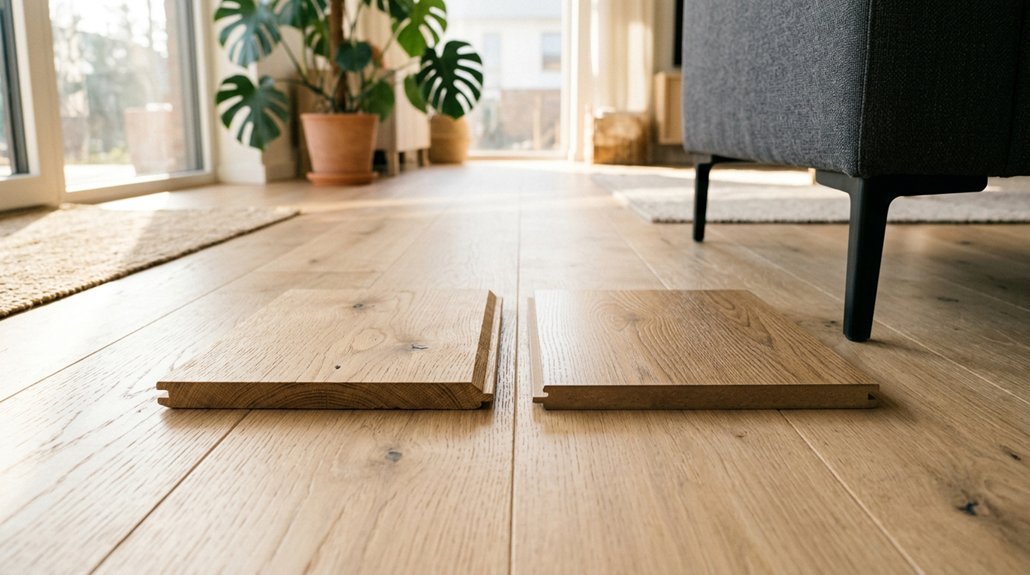
What exactly are you walking on? With engineered hardwood, you’re stepping on real wood veneer, a thin slice of genuine timber atop a plywood core or HDF core. This core material provides stability against humidity shifts. Laminate offers something different: a photographic wood image sealed beneath a tough wear layer, all bonded to a dense fiberboard base.
You’ll notice engineered hardwood feels authentic because it is. The grain, texture, and warmth come from actual wood. Laminate mimics this through printing and embossing, which looks convincing but never quite matches the real thing.
Installation methods diverge too. Engineered hardwood accommodates nail-down, glue-down, or floating installation. Laminate almost always uses click-and-lock floating installation, sitting atop thin underlayment.
For moisture resistance, engineered hardwood’s layered construction outperforms laminate, whose vulnerable edges let water seep through despite surface protection.
Recommended Products

【3 Sharp Cutters for Aggressive Boring】 Engineered with three hardened cutting spurs, this Auger Drill Bit engages material more efficiently than standard two-cutter bits. The triple-cutter design shears through wood fibers rapidly, requiring less downward pressure and delivering faster drilling progress in both hard and soft woods.

ROUTER BIT SPECS: Upcut bit features a 8mm cutting diameter, 8mm shank, 32mm cutting depth, and 75mm overall length with 2 sharp spiral flutes—ideal for deep pocketing, plunging, and slotting in wood, MDF, and plastics.

ROUTER BIT SPECS: Downcut bit built with a 8mm cutting diameter, 8mm shank, 32mm cutting length, and 75mm total length, this 2-flute compression spiral router bit is designed for both precision and durability—ideal for CNC operations on wood, MDF, plastics, and composites.
Which Lasts Longer and Can Be Refinished?
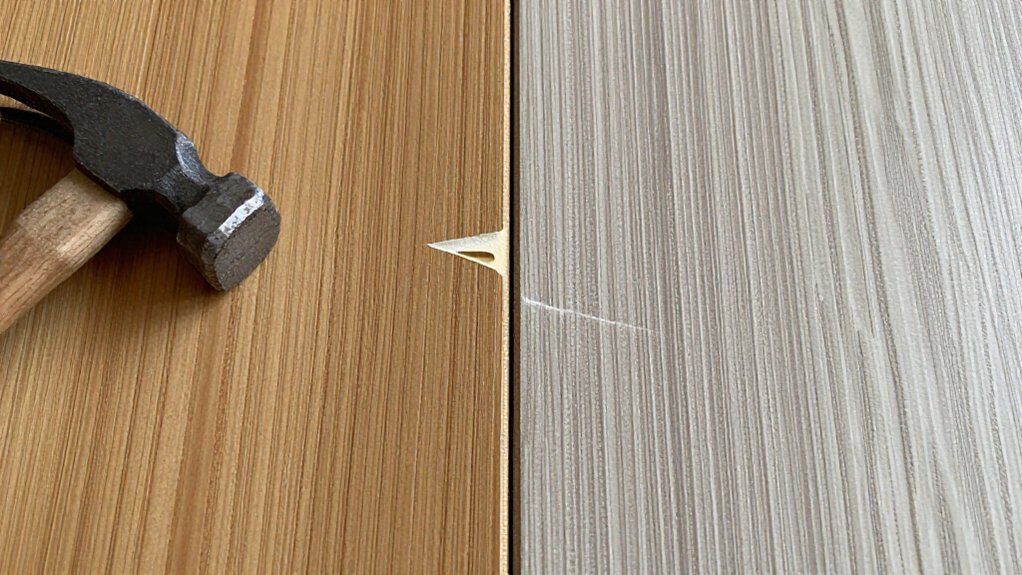
How long do you want your floors to last? Engineered hardwood gives you 30+ years, while laminate offers 10 to 20. That gap matters.
Refinishing Potential
Engineered hardwood can be refinished because of its real wood veneer. Veneer thickness determines how many times: thicker layers allow multiple refinishing sessions, thinner ones limit you to one. You restore appearance after wear.
Laminate cannot be refinished. Its surface is a photographic image under a wear layer. Once damaged, you face plank replacement.
Durability Breakdown
| Feature | Engineered Hardwood | Laminate |
|---|---|---|
| Lifetime | 30+ years | 10 to 20 years |
| Refinished? | Yes | No |
| Repair method | Sand and refinish | Plank replacement |
Choose engineered hardwood for longevity you can renew. Pick laminate if you accept shorter lifespan, lower upfront cost.
Recommended Products

【NAACOO Universal Tapping Block】Close gaps during flooring installation, you just put this portable tapping block on the floor tongue, then tapping it, make the tongue and groove or edges of resilient vinyl planks, laminate or hardwood, Joins flooring planks creating tight seam. Whole process without damaging the floor.

【NAACOO UNIVERSAL FLOOR KIT】 4 IN 1 Portable KIT--Tapping Block has unique combination edge design for use with most types of flooring, push tongue and groove wood floor together creating a tight seam, Match Spacers create a uniform gap between the wall. Pull Bar Flooring Tool suitable for work close to a wall, corner, closets or in tight spaces, closing the gaps and seams in laminate floors without causing damage. Rubber mallet can be used with pull bar hook and tapping block, which makes it easier to complete the floor installation work.

360 sq. ft. Coverage – Provides generous coverage for full rooms or multiple smaller flooring projects.
Where Each Flooring Works, Fails, and Costs Less
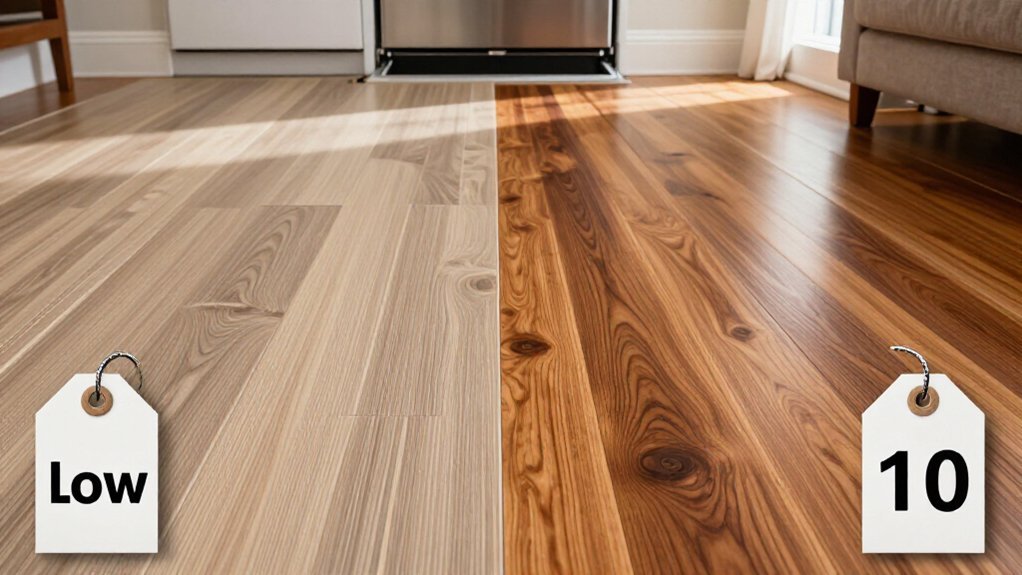
Where do you actually need your floors to perform?
Engineered hardwood suits living spaces, bedrooms, and areas where you prioritize resale value and authentic wood feel. You’ll pay more upfront, but real wood veneer offers warmth that laminate’s printed image cannot match. Your installation requires professional handling, given the plywood or HDF core material responds to moisture changes.
Engineered hardwood: authentic warmth for living spaces and bedrooms, where real wood veneer outlasts printed imitation.
Laminate dominates high-traffic zones, basements, and rental properties where durability matters most. You benefit from superior surface water resistance (though seams remain vulnerable), easier DIY installation, and lower costs. You sacrifice refinishing capability entirely; damage means replacement, not repair.
Your budget dictates initial choice. Laminate costs 30-50% less. You weigh this against engineered hardwood‘s longevity, which depends on veneer thickness for potential sanding.
Select engineered hardwood for investment properties. Choose laminate for immediate practicality.
Recommended Products

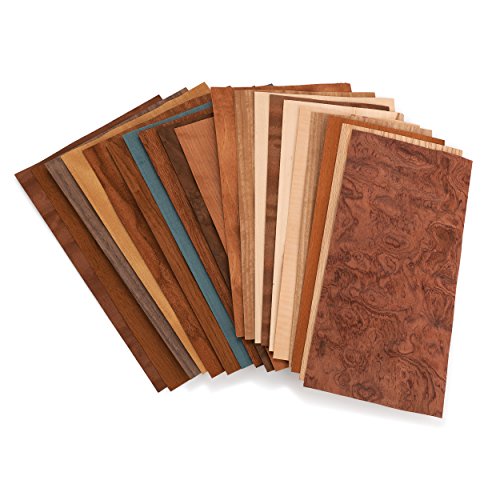
PREMIUM REAL WOOD VENEER SHEETS: Crafted from high-quality “A” grade real wood, our wood veneers showcase the genuine beauty and unique grain patterns found only in natural hardwood. These versatile wood veneer sheets for crafts, furniture, and other woodworking Use provide a warm, rich finish that enhances the look of any piece.
5-1/2" to 7-1/2" in width
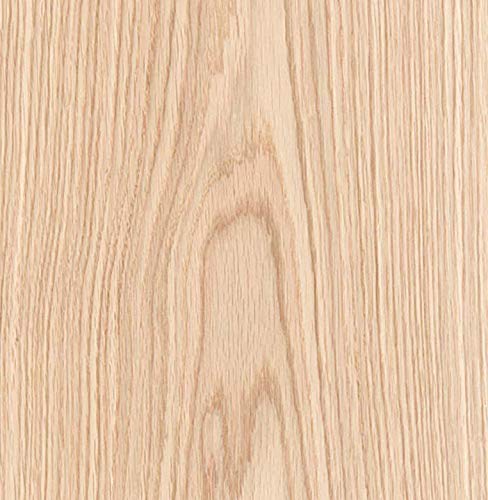
PREMIUM REAL WOOD VENEER SHEETS: Crafted from high-quality “A” grade real wood, our wood veneers showcase the genuine beauty and unique grain patterns found only in natural hardwood. These versatile wood veneer sheets for crafts, furniture, and other woodworking Use provide a warm, rich finish that enhances the look of any piece.