
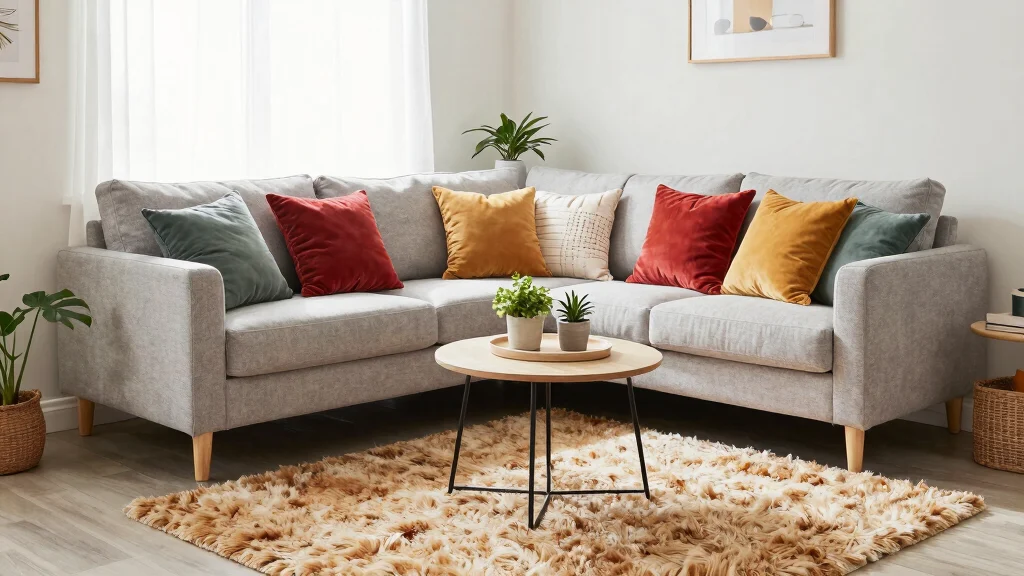


Choosing the right size for your living room rug can feel like a daunting task. With all the options out there, it’s easy to get overwhelmed and end up with a rug that just doesn’t fit the space or your style. I created this guide to help you navigate the world of rugs, so you can find that perfect piece that brings your room together. After all, a well-chosen rug can transform a room from ordinary to extraordinary.
If you’re passionate about home decor and want to make the most of your small space, this post is for you. Whether you’re decorating a cozy apartment or a compact living room, you’ll find practical advice tailored just for your needs. This guide offers ten actionable ideas that will help you determine the ideal rug size and placement, ensuring your living room becomes a warm and inviting space.
By the end of this read, you’ll not only understand how to measure your space and coordinate colors but also discover the current interior design trends that will elevate your living room decor. Let’s dive in and make the perfect rug choice for your home!
Key Takeaways
– Measure Your Space: Start by taking accurate measurements of your living room to understand what size rugs will fit nicely without crowding the area.
– Define Your Layout: Determine your room layout to see how the rug can complement your existing furniture arrangement.
– Material Matters: Consider the materials used in rugs, as they affect aesthetics and maintenance, impacting the overall feel of your living room.
– Area Rug Placement Tips: Utilize effective placement strategies for your rug to define spaces and enhance your decor style.
– Stay Informed on Trends: Keep an eye on current interior design trends to choose rugs that not only fit but also resonate with your personal style and the latest looks.
Recommended Products

Beautiful Design Abstract Rug:The 5x7 rug design is unique and trendy, the colors blend with nature, the abstract design complements the modern tones, it blends perfectly with your home decor, adding more warmth and comfort to your home. Suitable for living room, bedroom, dining room, study, home office, etc
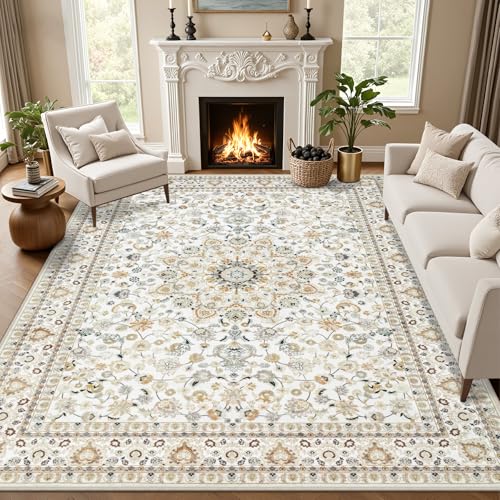
Timeless Classic Design Rug: Featuring an elaborate traditional pattern and harmonious color palette, these 5x7 area rugs bring artistic elegance to the interior. The versatile design works with various decor styles from vintage and bohemian to contemporary, making it suitable for living room, bedrooms, dining room, hallway, kids' playrooms, or home offices. Built to withstand daily use while maintaining its visual appeal, these rugs for living room 5x7 combines durability with timeless beauty

The Malibu Collection is an indoor/outdoor area rug featuring geometric patterns in airy, neutral palettes, with playfully fringed edges; from renowned interior designer Amber Lewis in collaboration with Loloi
1. Measure Your Space
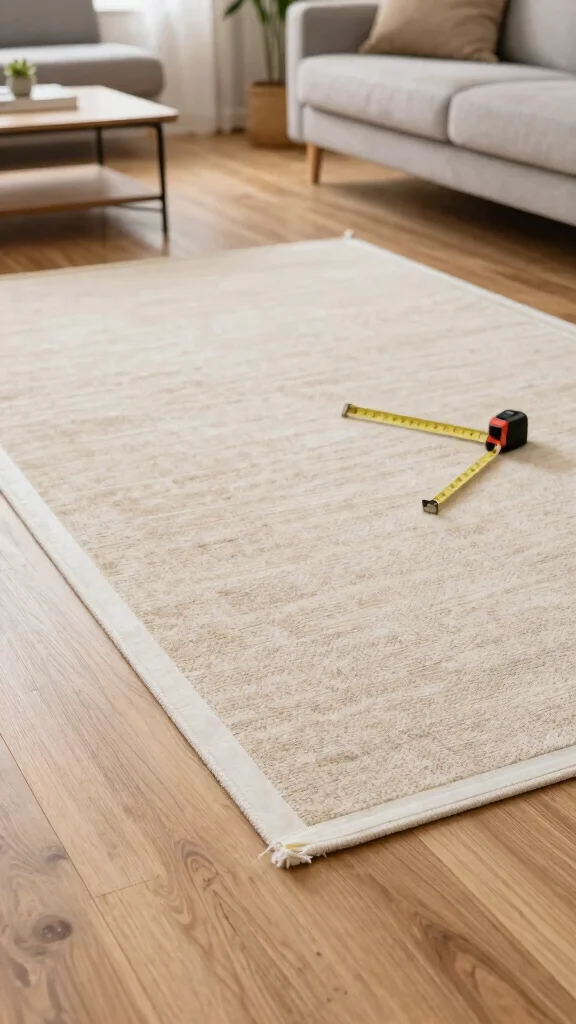
Before diving into rug shopping, grab your measuring tape! Understanding your living room’s dimensions sets the stage for your perfect rug choice. Measure the length and width, and take into account your furniture layout. If you have a coffee table, sofas, or chairs, ensure your rug accommodates these pieces comfortably. As a guideline for smaller rooms, aim to leave about 12-18 inches of exposed floor around the rug. This spacing helps to create an airy and open feel.
To better visualize your options, use painter’s tape to outline the rug’s size on your floor. This mock-up makes it easier to adjust your vision without the hassle of returning a rug that doesn’t fit!
Key Points:
– Measure the room’s dimensions accurately
– Leave 12-18 inches of floor visible
– Use painter’s tape to create a visual guide
Recommended Products

[Supreme Comfort and Softness] Treat yourself to the luxurious comfort of the OLANLY Machine Washable Area Rug. Its plush, high-density pile provides an incredibly soft, plush feel underfoot. Enjoy the warmth and coziness, all while the rug remains fiber-shed-free, making it ideal for your bedroom, living room, or nursery.

SOFTNESS & COMFORT: Step into cloud-like comfort with our 8x10 area rugs—unlike thin, mat-like competitors, ours are crafted from ultra-soft microfiber for a soft, cushioned feel underfoot. Perfect as bedroom rugs or cozy additions to high-traffic spaces, these soft, sumptuous rugs elevate everyday living while complementing family life

Soft and Comfortable Surface: The fabric almost feel like terrycloth and velvety feeling, bringing the ultimate in luxurious softness underfoot. Botanical pattern designs add an cute and unique look to your favorite room
2. Define Your Layout
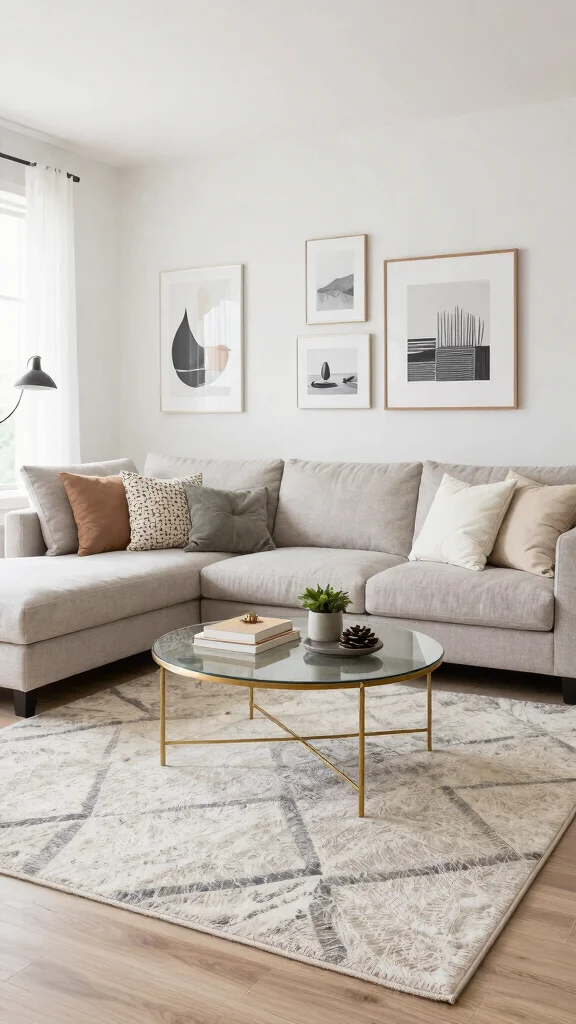
Think of your layout as the blueprint that shapes your living room’s vibe. Each piece of furniture contributes to the overall functionality and warmth of the space. In open layouts, larger rugs can help define areas like a cozy seating nook, separating it from dining space. For smaller rooms, it’s ideal to choose a rug that allows the front legs of all your furniture to rest on it, tying the room together cohesively.
If space is limited, consider a smaller accent rug that makes a bold statement without feeling cramped. The key is to select styles that complement your furniture arrangement, enhancing the overall design.
Pro Tips:
– Use larger rugs to define distinct areas
– Ensure the front legs of furniture are on the rug
– Explore smaller accent rugs for tight spaces
Recommended Products

☕Elegance in 6 Unique Placemats: Each set includes six 12"x17" plastic placemats, each with a unique design showcasing retro coffee, coffee machine, coffee time and more. Let your table radiate springtime charm and add a touch of nature and artistry to every meal

INCLUDES: One COTTON CRAFT Olivia Jute Braided Table Runner, 13 inch x 36 inch - Natural

Classic Vintage Style: PureCozy area rug has a trendy faded style and a unique retro pattern, tribal design blend perfectly with your home, suitable for the living room, bedroom, dining room, laundry room, entryway, kids' room, kitchen and office
3. Material Matters
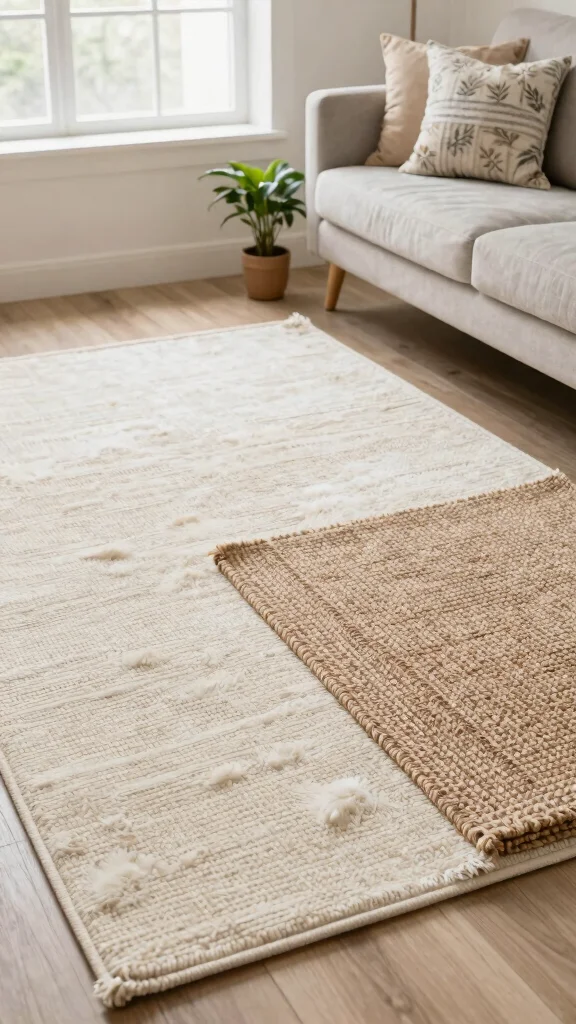
The material of your rug can drastically influence your living room’s ambiance. For compact spaces, lightweight materials like cotton or jute can keep the area feeling open and vibrant. They’re also easy to clean, making them perfect for busy households! If luxury is what you seek, a wool rug provides heavenly comfort but may require more care.
Consider your lifestyle when choosing materials. If kids or pets frequent your living room, opt for durable, stain-resistant options that can withstand daily wear. Always touch and feel the fabric to ensure it suits your needs and enhances your space.
Material Insights:
– Choose lightweight cotton or jute for small areas
– Opt for wool for warmth but consider upkeep
– Select durable fabrics for families with kids or pets
Fun fact: Lightweight rugs like cotton or jute can visually expand a small living room by up to 20%, keeping the space open and vibrant. For luxury, wool feels heavenly but may require more care, while households with kids or pets should pick durable, stain-resistant options.
Recommended Products

Ultra Soft & Non-slip: Featuring a shaggy carpet surface, the Ophanie soft area rug is highly soft with a high-density sponge interlayer. This rug effectively reduces shedding, and the non-slip bottom with small, durable anti-slip dots enhances friction to prevent sliding.

Elegant Floral Rug: This 9x12 area rug vintage-inspired botanical rug blends rich dark greens, vibrant and delicate floral complements any decor style, from vintage and bohemian to farmhouse and modern. Perfect rugs for living room, bedrooms, dining room rugs for under table, entryways, kids' playrooms, or home offices, it adds warmth and charm to any space. Both durable and stylish, it withstands high-traffic areas while maintaining a cozy, inviting appeal

PET FRIENDLY & NON-SLIP BACKING: 12x15 area rugs featuring simple of colors while promising a luxurious feel underfoot. The blend of a hexagon pattern and a stylish design. Non-slip TPR backing makes the covering for bringing your space together. Make the most of your time at home with our pet-friendly and easy-to-clean area rugs. Elevate the floors of your home with this show-stopping and detailed rug
Dimensions & Size Guide
Standard Sizes & Measurements:
When choosing a living room rug, understanding standard sizes is essential for your space. The most common rug sizes are:
– 5′ x 8′ – Ideal for small living rooms or to define a specific seating area.
– 8′ x 10′ – Great for medium spaces, providing ample coverage under furniture.
– 9′ x 12′ – Perfect for larger rooms, allowing all furniture to sit comfortably on the rug.
For proper fit, aim to have the front legs of your furniture on the rug. This creates a cohesive look. A good rule of thumb is to leave at least 18 inches of floor space around the rug’s edges to avoid a cramped feel.
Quick Reference Table:
Size/Dimension – Best for: [use case], Minimum space needed: [measurement]
– 5′ x 8′ – Best for small spaces or defining a seating area, Minimum space needed: 7′ x 10′
– 8′ x 10′ – Best for medium-sized living rooms, Minimum space needed: 10′ x 12′
– 9′ x 12′ – Best for larger living areas, Minimum space needed: 11′ x 14′
This table helps you quickly assess which size will best fit your space.
Space Planning Tips:
1. Measure Your Area: Always measure your room before buying a rug. Use a measuring tape to find the length and width of the area. A common mistake is underestimating the size needed.
2. Visualize with Tape: Use painter’s tape to outline the desired rug area on your floor. This helps you see how the rug will fit and how furniture will arrange around it.
3. Account for Furniture: If you have a sectional or large sofa, ensure that at least the front legs rest on the rug. This ties the furniture together visually.
4. Keep Scale in Mind: A small rug can make a large room feel disjointed. Balance is key! For smaller spaces, a larger rug can make the area feel more open.
5. Consider Traffic Flow: Think about how people will move through the space. You don’t want a rug that trips up guests or blocks pathways.
Pro Tip: The most important measurement is the space around your rug. Leaving some floor space visible creates a sense of balance and proportion, making your living room feel inviting and comfortable. Aim for a minimum of 18 inches of visible floor around the rug for the best effect.
Recommended Products

Anti Slip Backing Rug: This 2x8 runner rug is designed with non-slip backing, which can firmly grip the floor without worrying about slipping. Low-pile design is suitable for anywhere in your home, won’t block the doorway, perfect for families with children, pets

CUSHIONED AND SOFT: Washable rugs might already exist, but none are as luxurious to touch as ours. More like a mat, these competitor products might be easy to clean, but walking barefoot on them offers little to the imagination. Instead, Our area rugs 5x7 are made of thicker recycled materials, which is softer and more cushioned. This result is a soft and sumptuous addition to your home, ideal as bedroom rugs that perfectly complement family life

WASHABLE RUG: This is a fully machine washable area rug for extra convenience. machine wash this living room rug in cold water alone for a deeper clean. regular vacuuming and spot cleaning will keep the rug looking fresh while the colors stay vibrant and won't fade, perfect for busy households with kids and pets
4. Color Palette Coordination
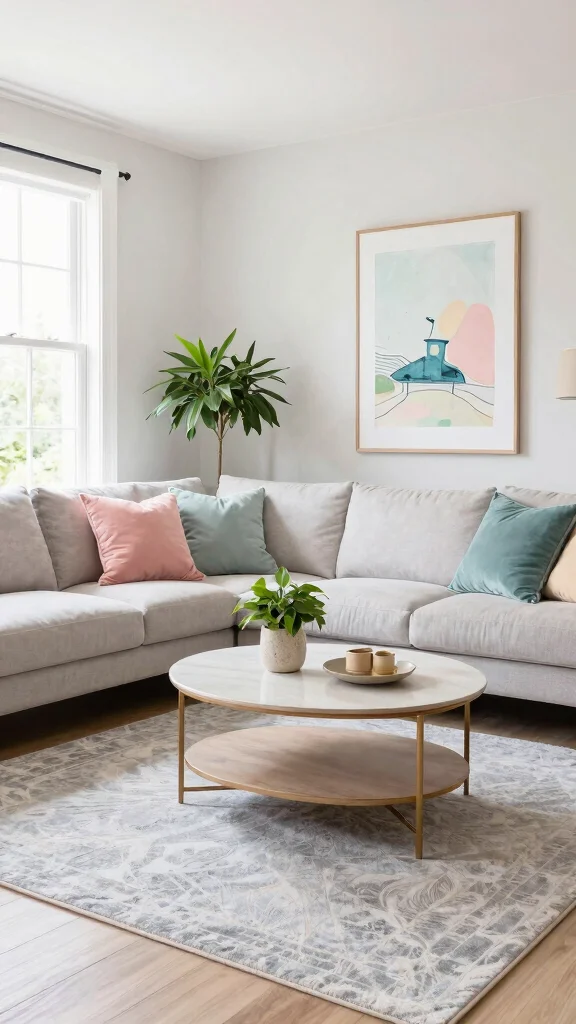
Colors have the power to transform your living room, especially through rugs! In smaller spaces, opting for lighter rug colors can create an illusion of openness. Soft creams, pastels, or light grays reflect light, making your room feel airy and spacious. If you want to introduce some excitement, a bold patterned rug can tie together the hues in your decor beautifully.
When selecting a rug, take inspiration from your furniture and wall colors. Ensuring harmony among these elements creates a seamless look. A vibrant rug can serve as a striking statement piece in a neutral-toned room, so mix and match carefully to avoid clashing.
Color Tips:
– Use light colors for an open atmosphere
– Choose bold patterns for a focal point
– Maintain harmony with existing decor colors
Fun fact: In small living rooms, a light cream or soft gray rug—part of a living room rug size guide—can reflect more light, up to 50% more than dark tones. This boosts openness and makes the space feel bigger. Pair it with airy walls and lightweight furniture for harmony.
Recommended Products

CLASSIC VINTAGE AESTHETIC BEIGE RUG: The area rug 8x10 features a harmonious blend of beige tones that evoke a timeless vintage charm, making it an ideal addition for any room in your home—from retro bohemian and rustic farmhouse to modern minimalism. Perfect rugs for living room, bedrooms, dining room rugs for under table, entryways, playrooms, or home offices, this 8x10 rug serves as the finishing touch to your interior flooring decor

Ultra-Soft Low Pile Rug: Gent drizz living room rugs 8x10 made of Upgraded durable low pile faux wool fibers, 0.25'' thick, featuring a soft fuzzy density surface, soft and pliable to the touch, providing great comfort for your bare feet. The low pile makes it easy for your Large area rug to clean and is perfect for homes with kids and pets

【Modern Design】The 6x9 ft dark grey tie-dye rug suits living room, bedrooms or shared spaces. Its modern look blends with any decor. Unwind with loved ones, play with pets, or stretch out for weekend lounging.
5. Size Options for Different Layouts
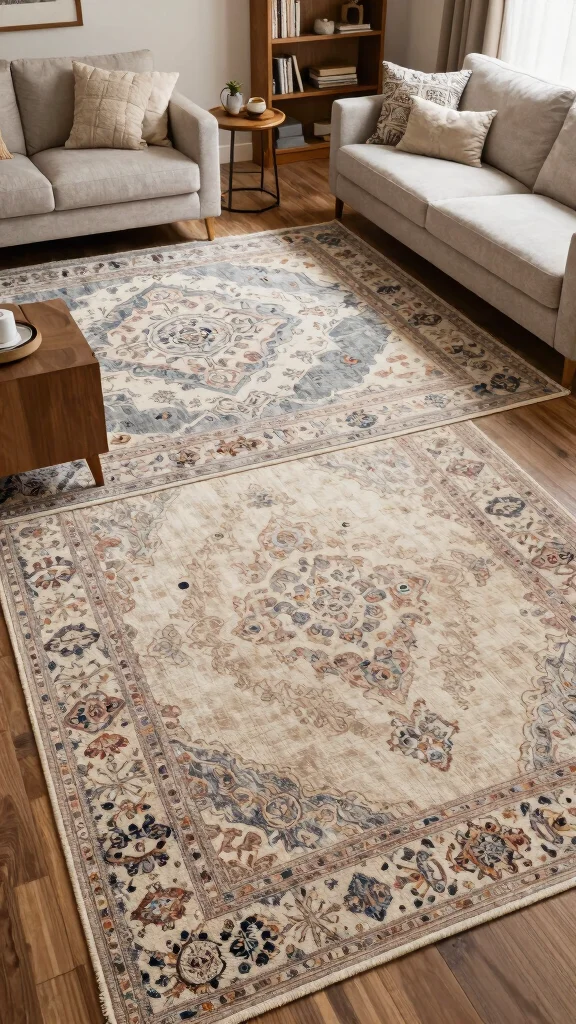
The size of your rug can significantly impact your living room’s comfort and style. For standard setups in small spaces, a 5×8-foot rug is ideal. This size provides a cozy feel without overwhelming the area. If you have larger furniture arrangements, consider an 8×10-foot rug that encompasses all pieces with some space around the edges.
If you have a sectional, a 9×12-foot rug may be necessary to visually tie all parts together. In extremely tiny areas, a 4×6-foot runner can add interest without crowding the space. Always think about balance and proportion when selecting your rug size.
Size Recommendations:
– 5×8 feet for typical layouts
– 8×10 feet for larger furniture
– 4×6-foot runners for very small areas
Recommended Products

【 Premium Area Rugs 】FALARK fluffy and soft rug surface is made of high-quality velvet, and the middle layer is upgraded to memory foam, making the bedroom carpet more comfortable and soft. And our fuzzy rugs with premium materials are suitable for kids and pets to play on

Soft Area Rug: Tepook 4 x 6 modern fluffy rugs are made of soft and comfy velvet materials. We can enjoy the comfort of walking on a plush rug with our feet, feeling a silky sensation like clouds, freeing you from the fatigue of the day

Vibrant Floral Design – Featuring a rich earthy green base with blooming garden flowers, this green rugs for living room brings the charm of a secret garden into your home, adding a fresh spring touch to living rooms, bedrooms, or reading spaces.
6. Layering Rugs for Depth
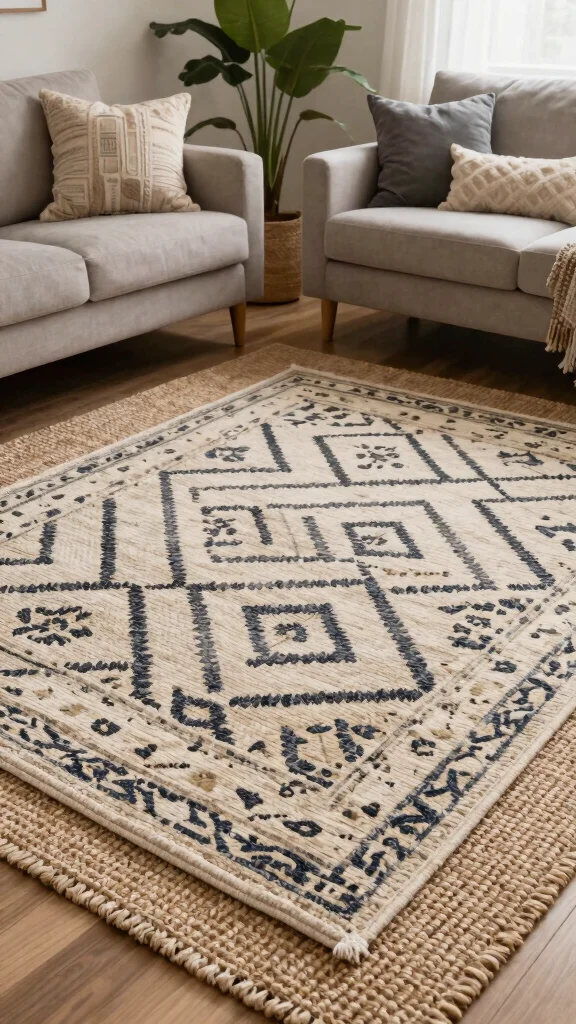
For a touch of flair, consider layering rugs to add depth and personality to your living room. This technique shines in smaller spaces, creating visual interest without taking up excessive room. Start with a larger base rug, then layer a smaller, contrasting rug on top to add dimension. This approach allows you to play with textures and colors without overwhelming the eye.
A soft jute rug with a colorful accent piece can be stunning together. Just ensure that the colors coordinate to maintain a cohesive feel throughout the space.
Layering Tips:
– Use a larger base rug with a contrasting smaller rug
– Mix textures and patterns for added interest
– Coordinate colors to prevent visual clutter
Recommended Products

[Modern Abstract Area Rug] - Add a pop of color to your living room or bedroom with this area rug. Designed with a delicate palette, this collection impresses with an abstract print with splashes of grey, yellow, and beige hues. Its purposefully faded look fits right in modern industrial and contemporary homes.

Size: 45x30cm/18x12 inch, reversible pvc plastic weave placemats. Thin but heavy, stay put and non slip under plates. 0.19lb per piece.
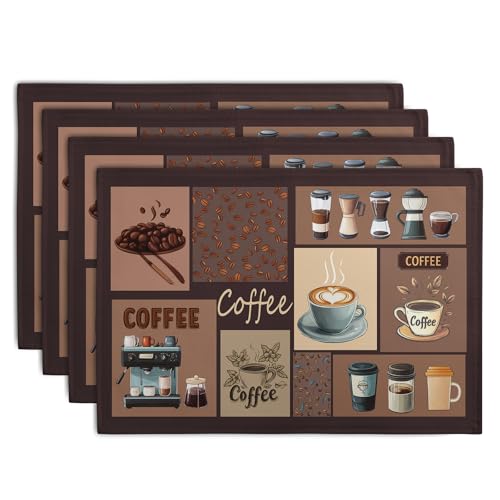
PERFECTLY SIZE: The offee place mats set of 4, Each rectangular place mats is 12x18 inch (30 cmx45 cm) that can exactly fits your needs to use in all kinds of situations
7. Area Rug Placement Tips
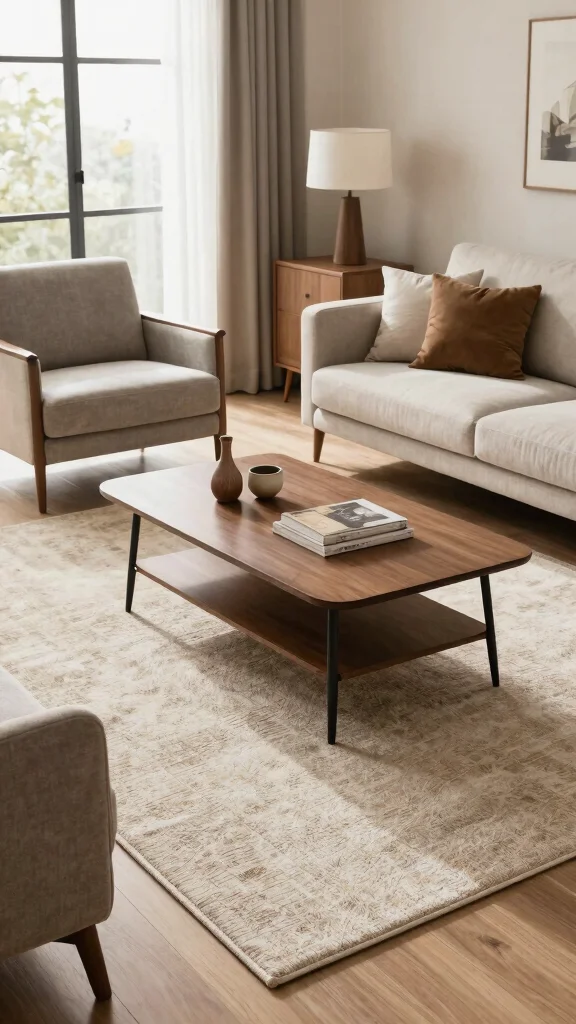
Placement is vital when incorporating rugs into smaller living rooms. For the most impactful look, place the front legs of your furniture on the rug. This technique creates a unified appearance and helps define the space. In very compact areas, consider placing just the coffee table on the rug to draw attention without overcrowding the room.
Additionally, orient your furniture to face each other, promoting a cozy gathering spot. With thoughtful placement, even a small rug can make a significant impact on your space’s design!
Placement Guidelines:
– Always position front legs of furniture on the rug
– Consider placing just the coffee table on smaller rugs
– Orient furniture to foster conversation
Recommended Products

Lived-in Look and Feel: This exquisitely 12x15 rug features a vintage-inspired motif with a medallion in the center. Its unique, goes-with-anything decor styles from country to contemporary. The inviting colors along with its regal texture create the perfect depth and dimension in your space, allowing you and your loved ones to sit back and relax.

Ultra Soft area rug: Sink into plush comfort with a 1.7-inch high-pile, delivering cloud-like softness ideal for relaxation in your living room or bedroom.

WASHABLE RUG: This is a fully machine washable area rug for extra convenience. machine wash this living room rug in cold water alone for a deeper clean. regular vacuuming and spot cleaning will keep the rug looking fresh while the colors stay vibrant and won't fade, perfect for busy households with kids and pets
8. Use Rugs to Define Spaces
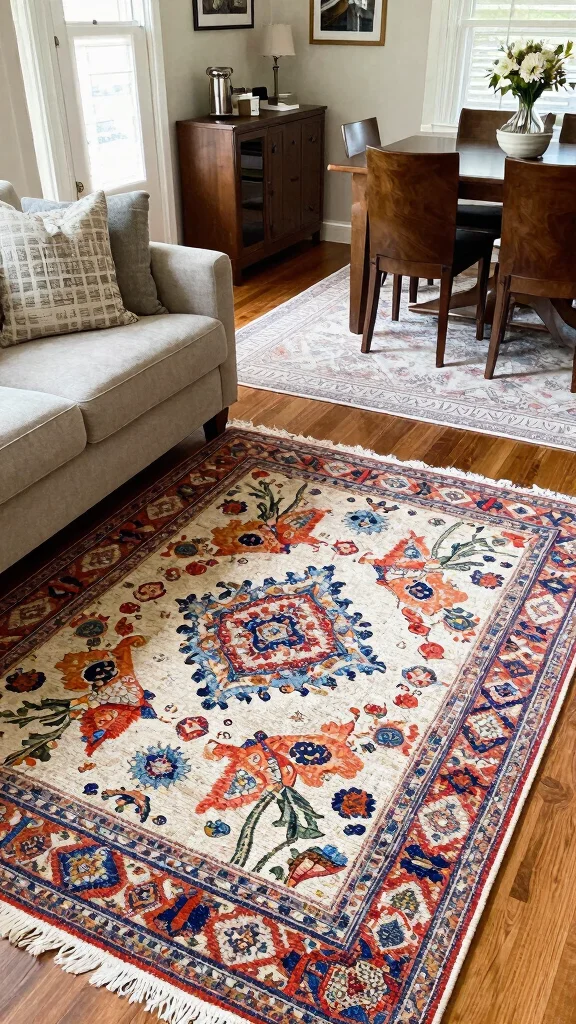
Rugs can play a crucial role in defining different areas within a small living room. In open-concept settings, a rug can effectively distinguish the living area from the dining space. Choose a rug that reflects the mood of each zone; a playful pattern in the living section can beautifully contrast with an elegant one in the dining area. By using rugs to define spaces, you not only enhance the visual appeal but also create a sense of structure and organization.
Space Defining Tips:
– Use rugs to separate living and dining areas
– Match rug styles to suit each area’s vibe
– Create structure to improve flow and organization
Recommended Products
The Malibu Collection is an indoor/outdoor area rug featuring geometric patterns in airy, neutral palettes, with playfully fringed edges; from renowned interior designer Amber Lewis in collaboration with Loloi

100% Wool, made in India

[PLUSH SHAG RUG]: The SAFAVIEH Hudson Shag collection brings plush, cozy, modern comfort and style; perfect for living room and bedroom
9. Consider Maintenance and Cleaning
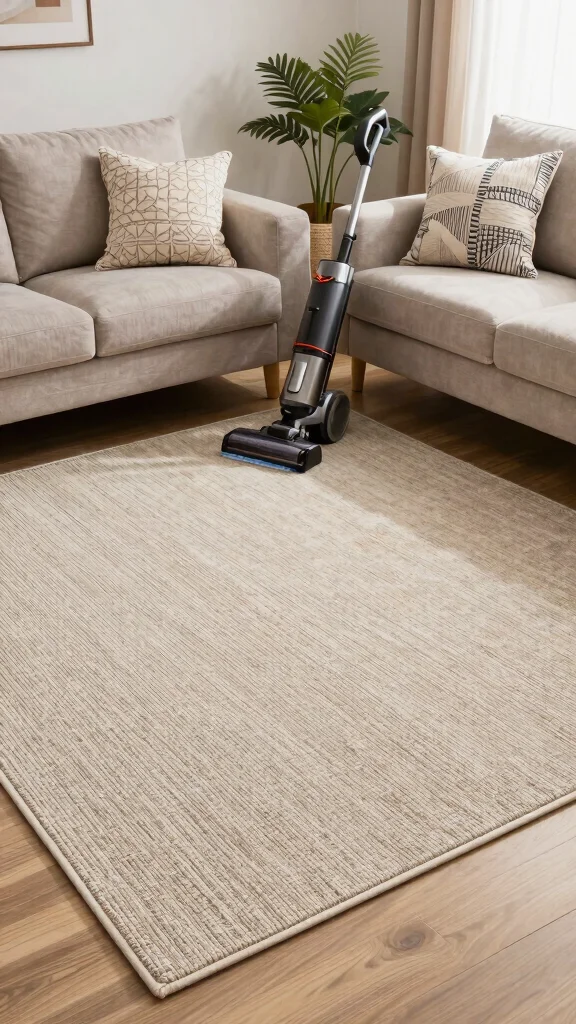
Practicality is key when selecting a rug for your living room. In smaller spaces where spills and dirt can occur more frequently, choose materials that are easy to clean. Synthetic rugs tend to be easier to maintain than natural fibers. Also, consider rugs with stain-resistant treatments, especially if you have pets or young children.
Regular vacuuming and spot cleaning will help keep your rug looking fresh and inviting. Always check care labels before buying to ensure you can easily maintain its beauty without excessive effort!
Maintenance Tips:
– Opt for synthetic materials for easy upkeep
– Look for stain-resistant options
– Regular vacuuming and spot cleaning are crucial
10. Trends to Watch For
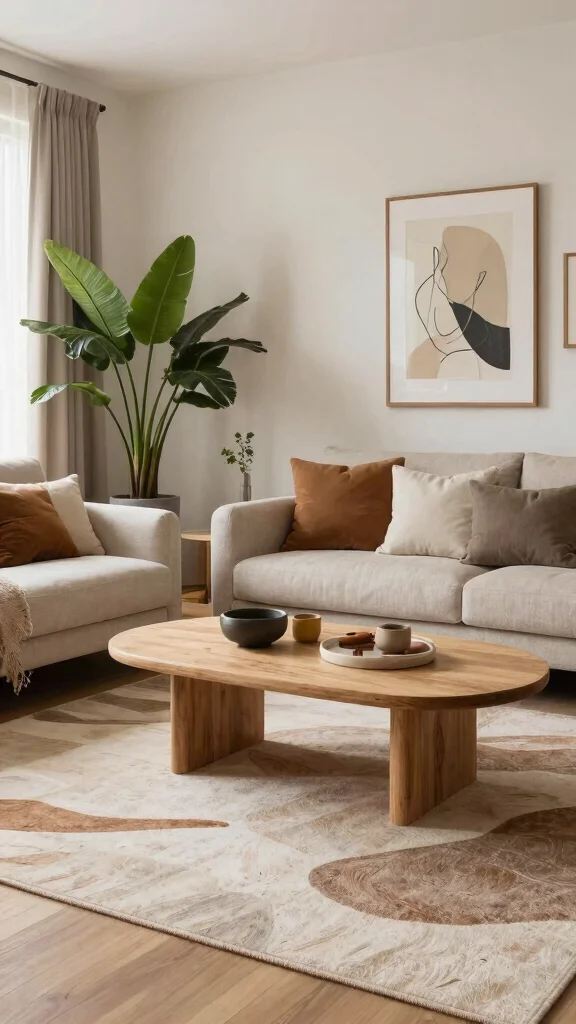
Stay ahead of the trends by incorporating the latest in rug design! Currently, natural materials and earth tones are dominating the interior design scene. Rugs crafted from sustainable materials like organic cotton or natural fibers not only look stunning but also promote eco-friendliness. Additionally, abstract and geometric patterns are gaining popularity, lending a modern flair to traditional spaces.
Be bold in your choices, and don’t shy away from mixing and matching styles to create a unique look that reflects your personality.
Trend Highlights:
– Natural materials are in demand
– Earth tones create a calm atmosphere
– Abstract and geometric patterns for contemporary appeal
Fact: 60% of living rooms feel more cohesive when the rug size aligns with furniture layout. Using our living room rug size guide, natural materials and earth tones elevate spaces while eco-friendly fibers support sustainability.
Conclusion
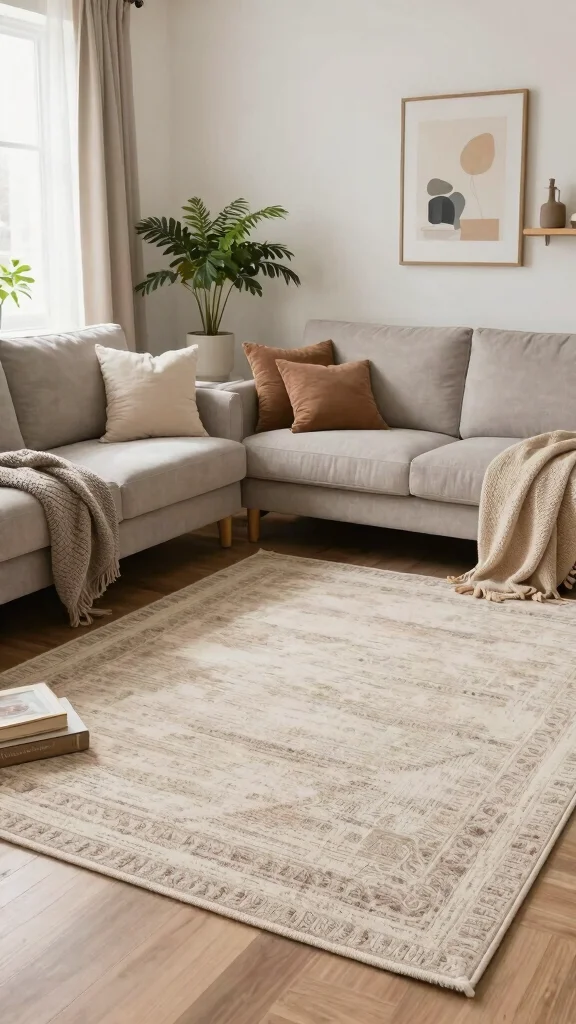
Selecting the right living room rug size can truly transform your space, especially in smaller areas where every detail counts.
By considering measurements, layouts, materials, and recent trends, you can choose a rug that not only fits but enhances your home’s aesthetic. Now that you’re equipped with these ten tips, get ready to find the rug that fulfills your vision, elevates your decor, and complements your lifestyle!
Happy decorating!
Note: We aim to provide accurate product links, but some may occasionally expire or become unavailable. If this happens, please search directly on Amazon for the product or a suitable alternative.
This post contains Amazon affiliate links, meaning we may earn a small commission if you purchase through our links, at no extra cost to you.
Frequently Asked Questions
How do I choose the right living room rug size for a small space using a rug size guide?
A good starting point is a living room rug size guide: measure the room, plan furniture placement, and pick a size that leaves about 8–18 inches of bare floor around the rug.
Decide whether you want all furniture legs on the rug or just the front legs for a cohesive feel, and use typical small-space options like rug size measurements of 5×8, 6×9, or 7×10 depending on layout.
Visualize with painter’s tape on the floor to map the footprint, and choose a size that balances the space without crowding it. For coverage that looks intentional, anchor the seating with a larger rug when possible, respecting area rug placement tips for a clean, open look.
What are the best rug placement practices in a small living room?
In a small living room, start with area rug placement tips that create a defined zone: position the rug under the seating area so the front legs (or all legs) of sofas and chairs sit on the rug, and center the coffee table on it.
Leave about 6–12 inches of exposed floor beyond the rug edges to keep the space feeling airy, or extend the rug just far enough to anchor all furniture. In tight rooms, a 5×8 or 6×9 rug often works best, while a larger 8×10 can work if the space allows.
Is it better to use a single large rug or multiple rugs in a small living room?
For most small living rooms, one large rug that underpins the seating area reads cleaner and makes the space feel bigger. Rug size measurements should ensure the rug fits under the sofa and at least the front legs of chairs.
If you must use two rugs, keep a cohesive color and scale, align their edges, and create a single zone rather than separate islands. A well-placed runner can work for narrow layouts, but avoid cluttering the floor with too many textures.
What rug sizes work best with common sofa setups in small living rooms?
With a small living room, start with the sofa length in mind: a 60–70 inch loveseat or 2-seat sofa typically pairs with a 5×8 or 6×9 rug, while a longer sofa (80–90 inches) is often paired with an 8×10 rug. If you have chairs, aim for a 6×9 or 7×10 footprint that fits the seating arc, ensuring living room rug size guide considerations are met. Always be sure the rug extends under key pieces enough to create one cohesive seating zone.
How can interior design trends influence rug size and placement in small living rooms?
Interior design trends today favor layered looks, rounded shapes, and texture. A interior design trends approach means you might experiment with a round rug to soften a rectangular space or layer a smaller textured rug under a larger neutral base rug for depth.
Keep the scale right for a small room: match rug size to furniture footprint, use rug size measurements to guide the footprint, and lean on area rug placement tips to define zones without overwhelming the room.
Related Topics
living room decor
rug size guide
area rug placement
small space solutions
interior design trends
minimalist decor
budget friendly
beginner tips
home styling
cozy living room
rug measurements
decorating with rugs